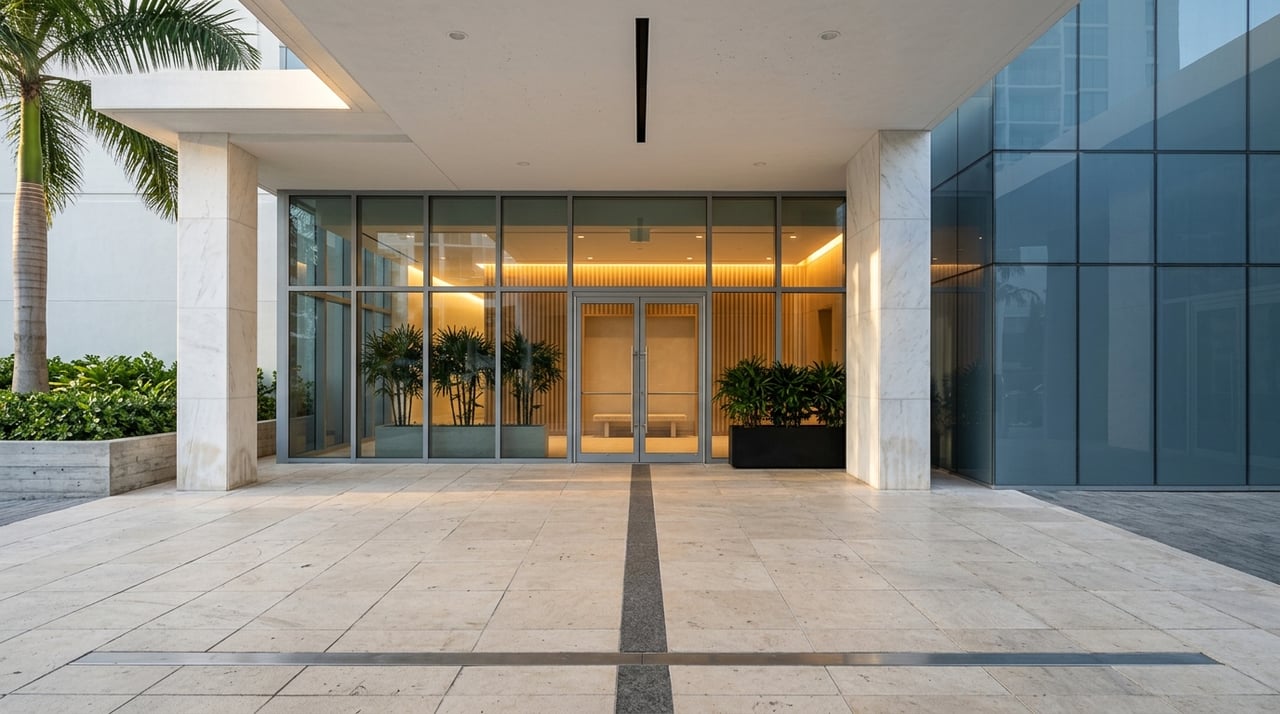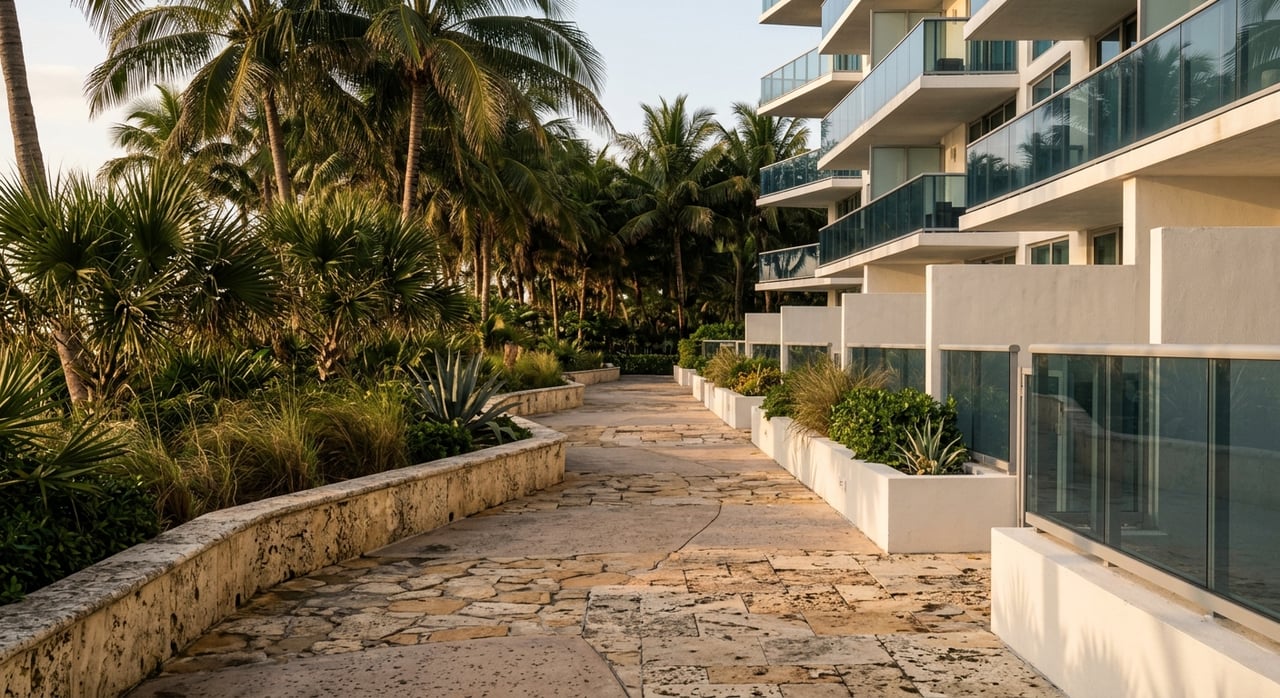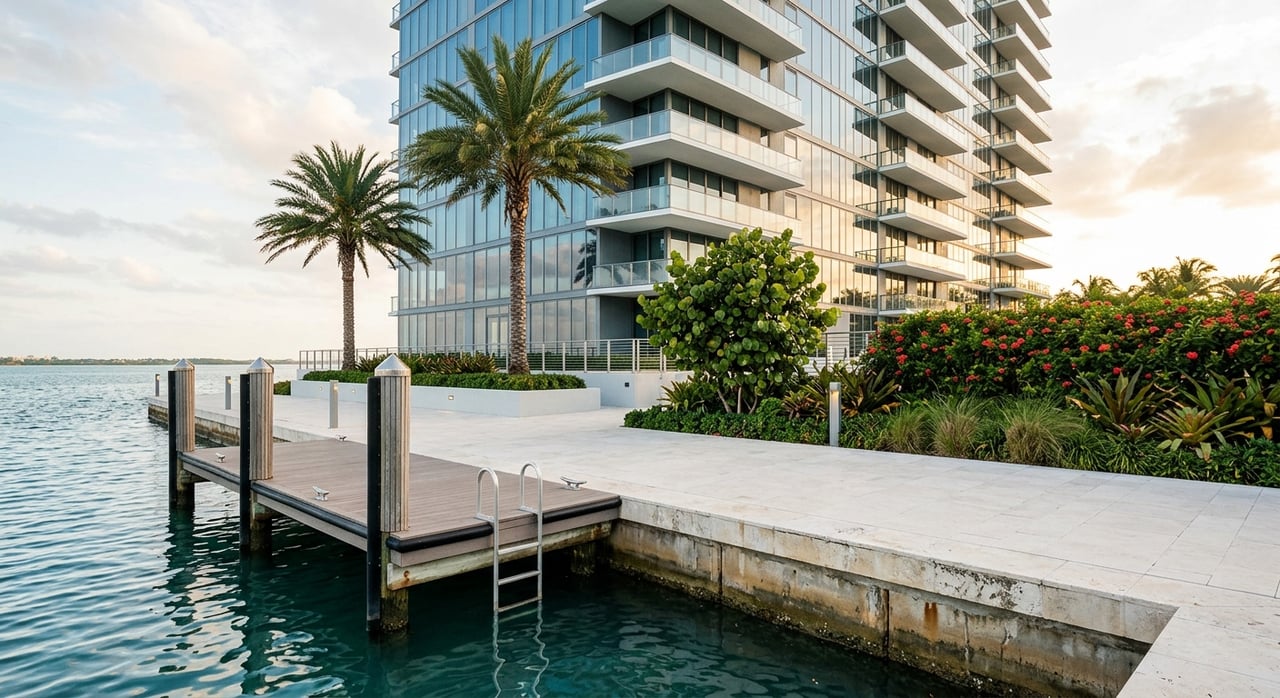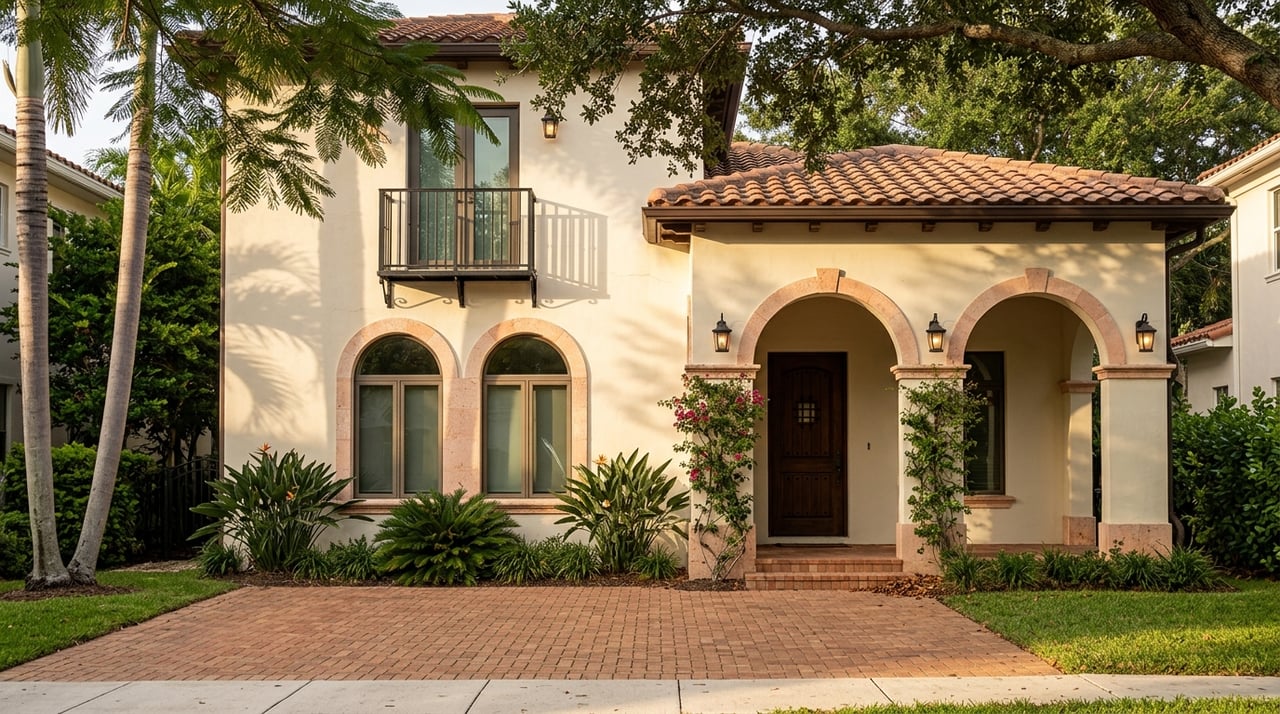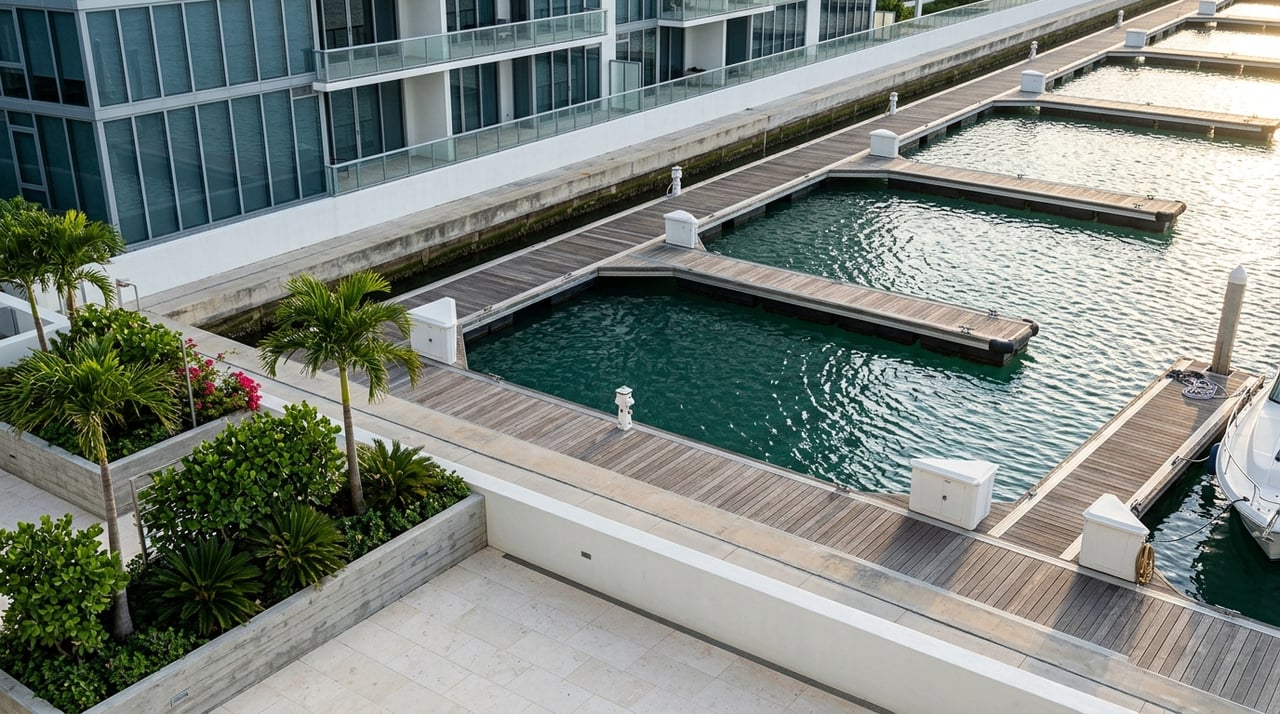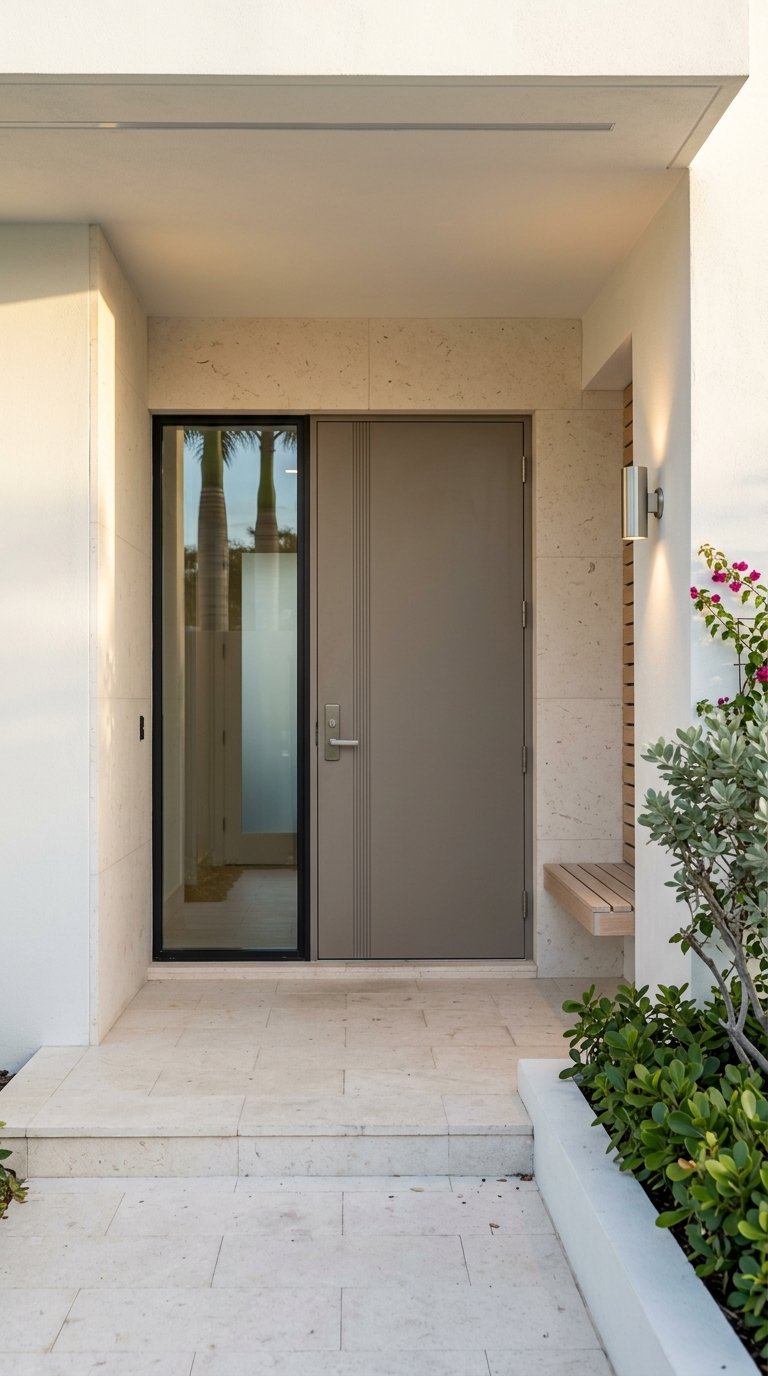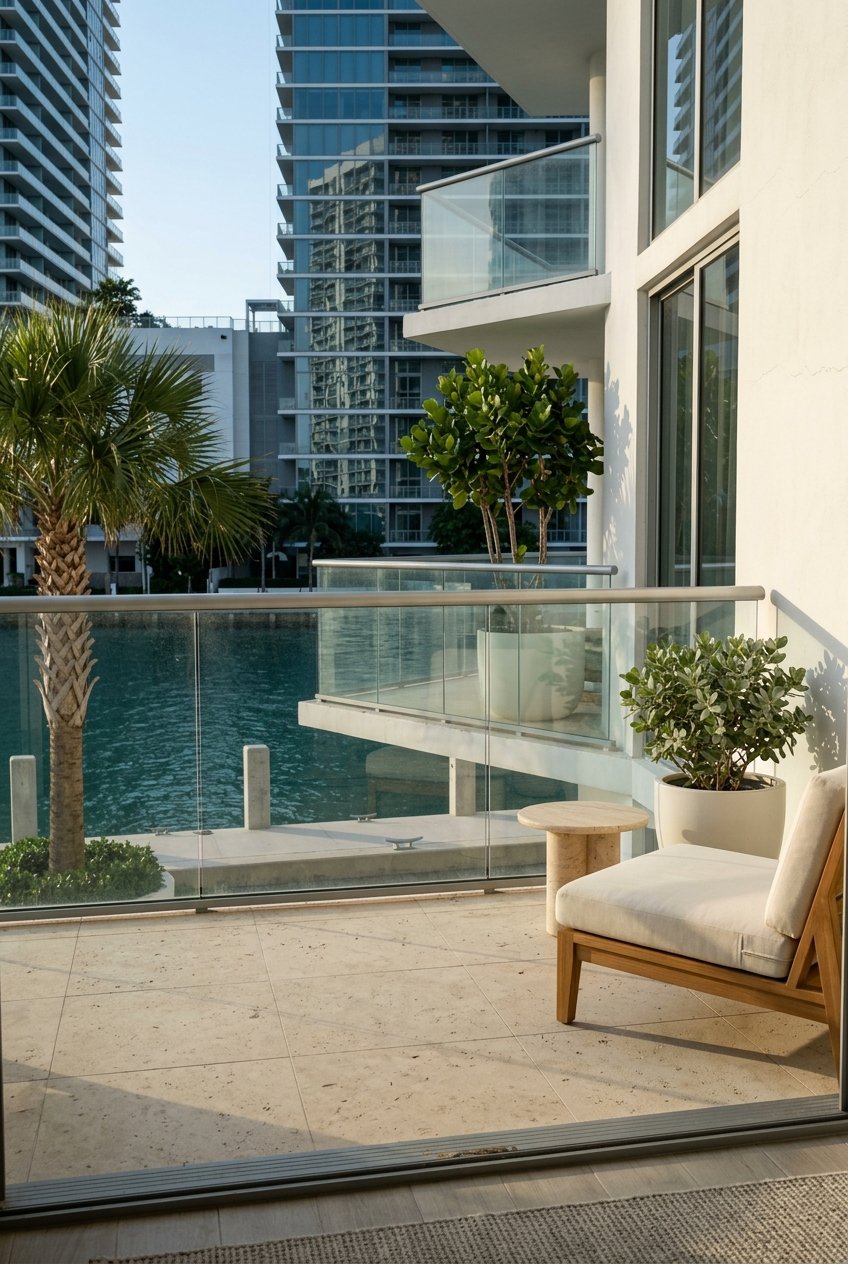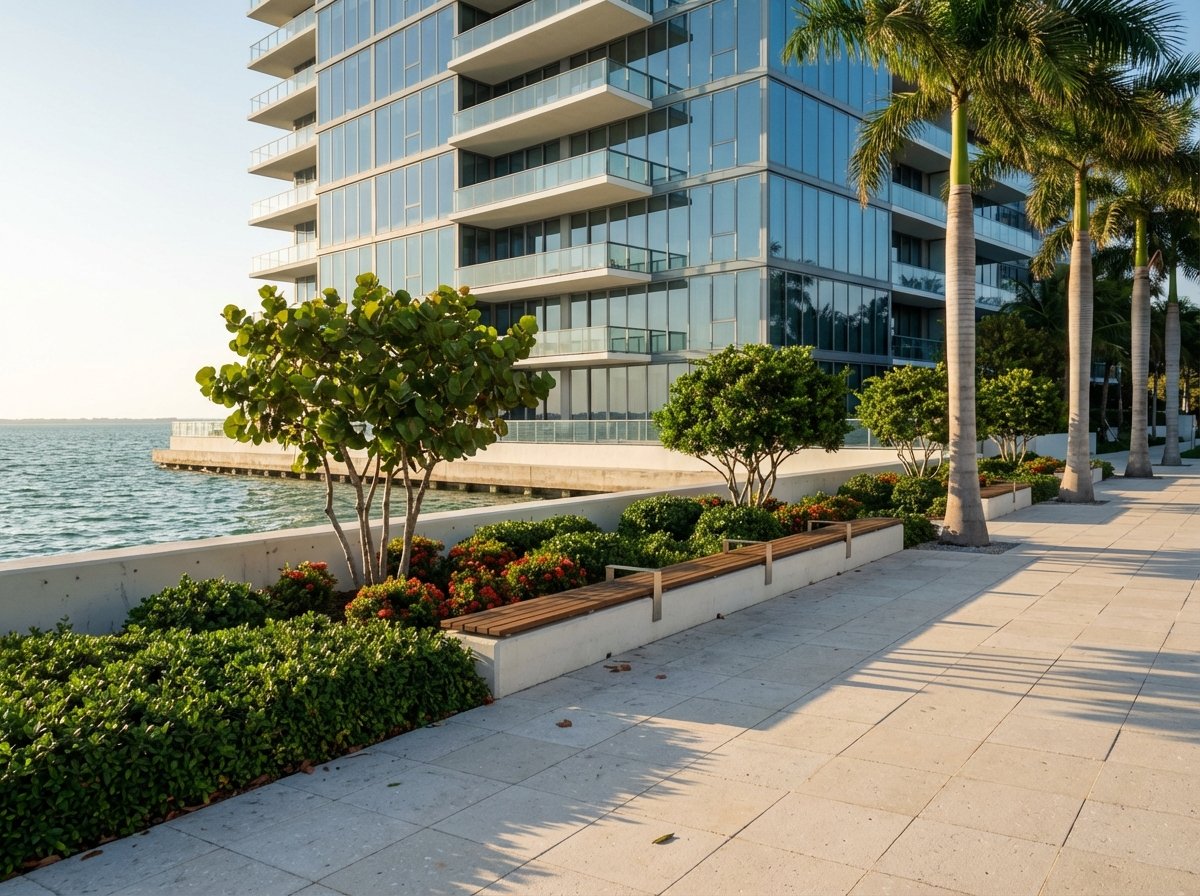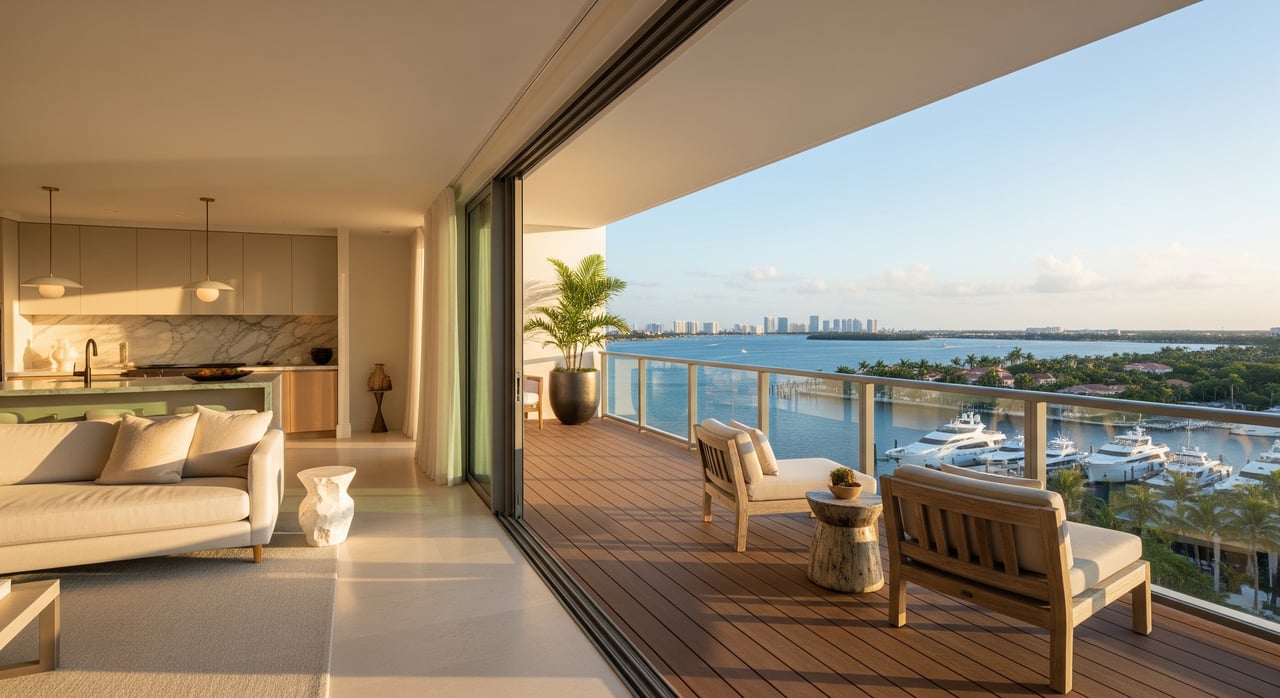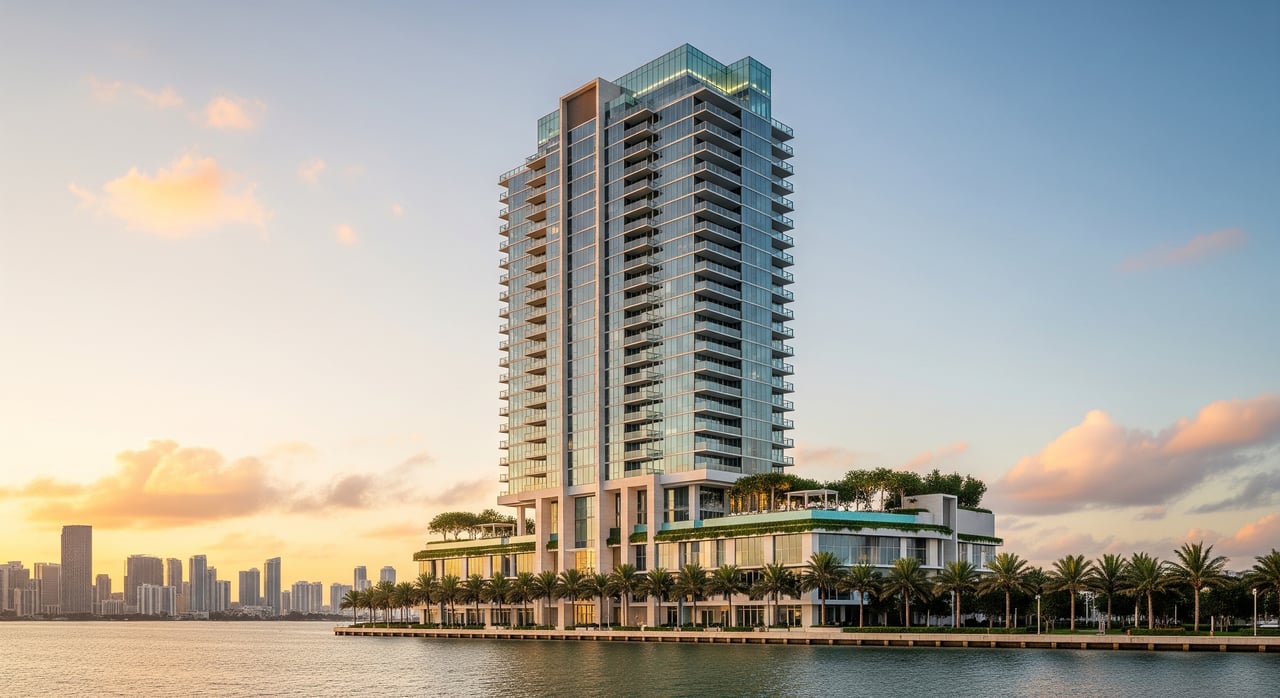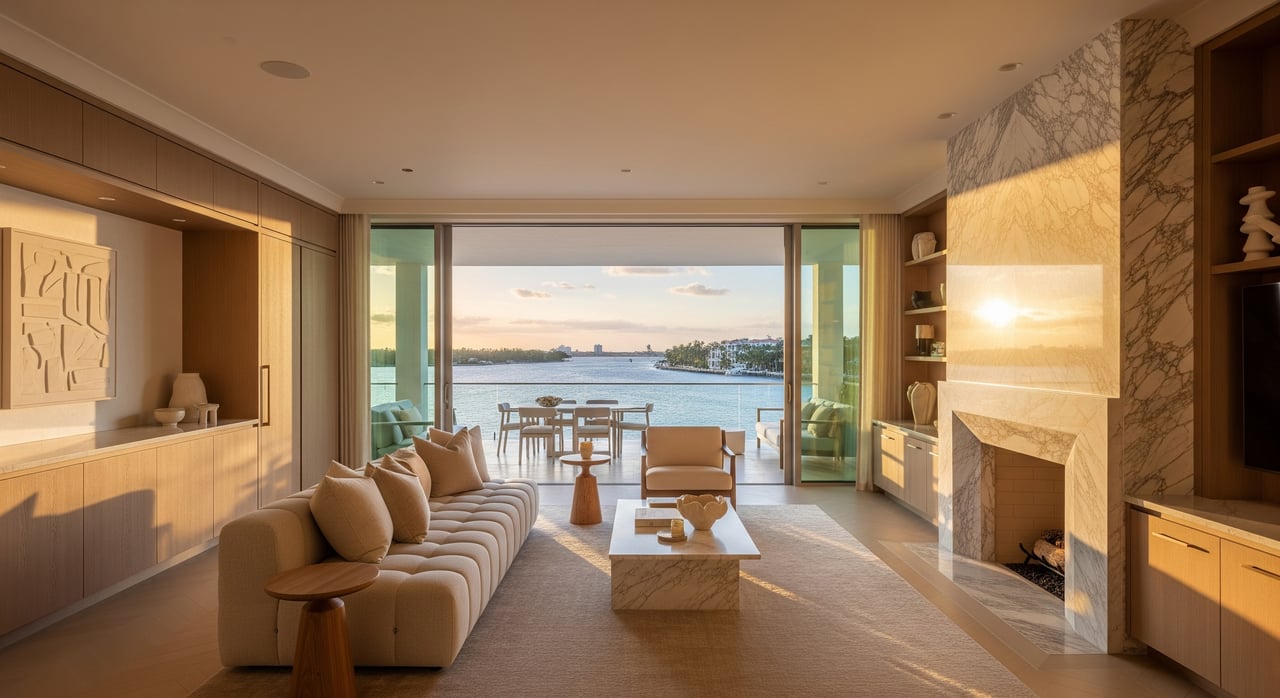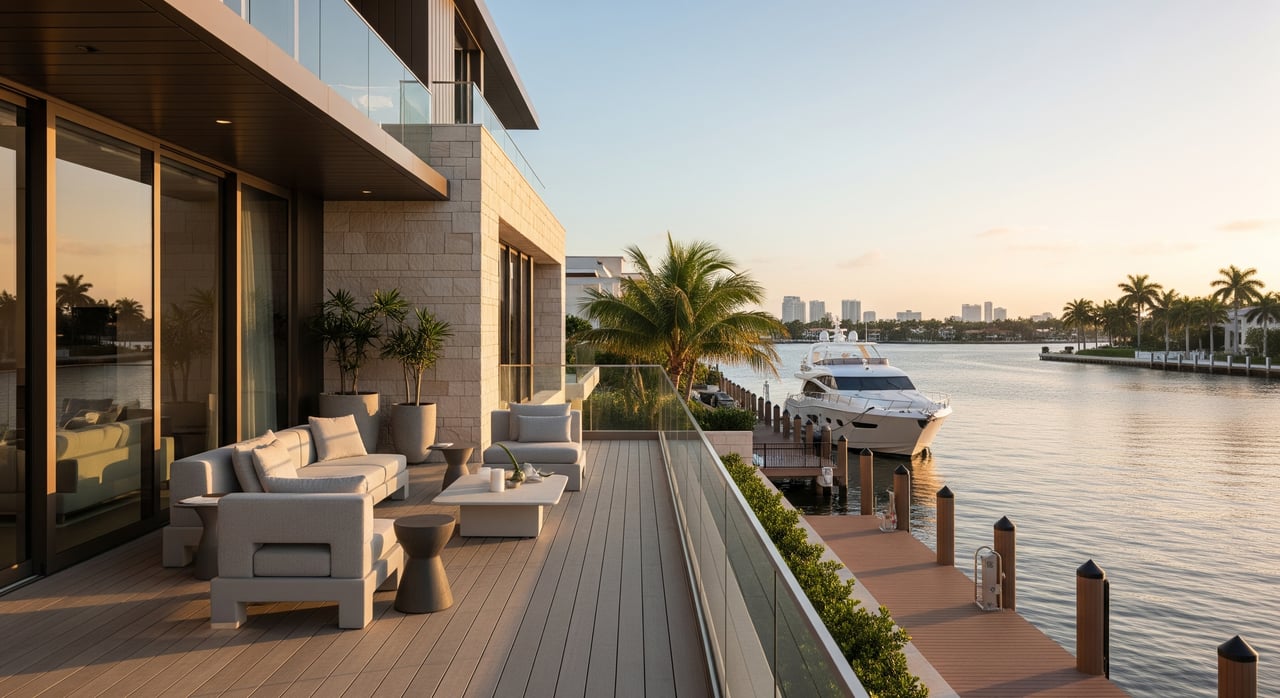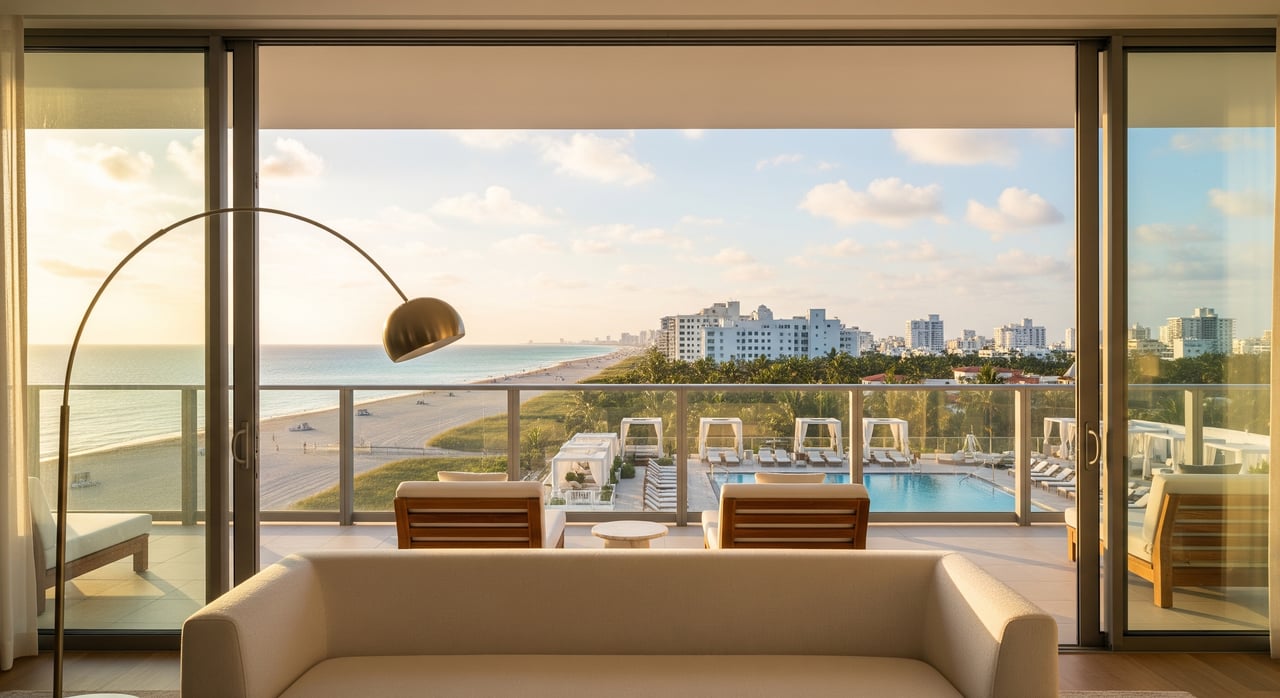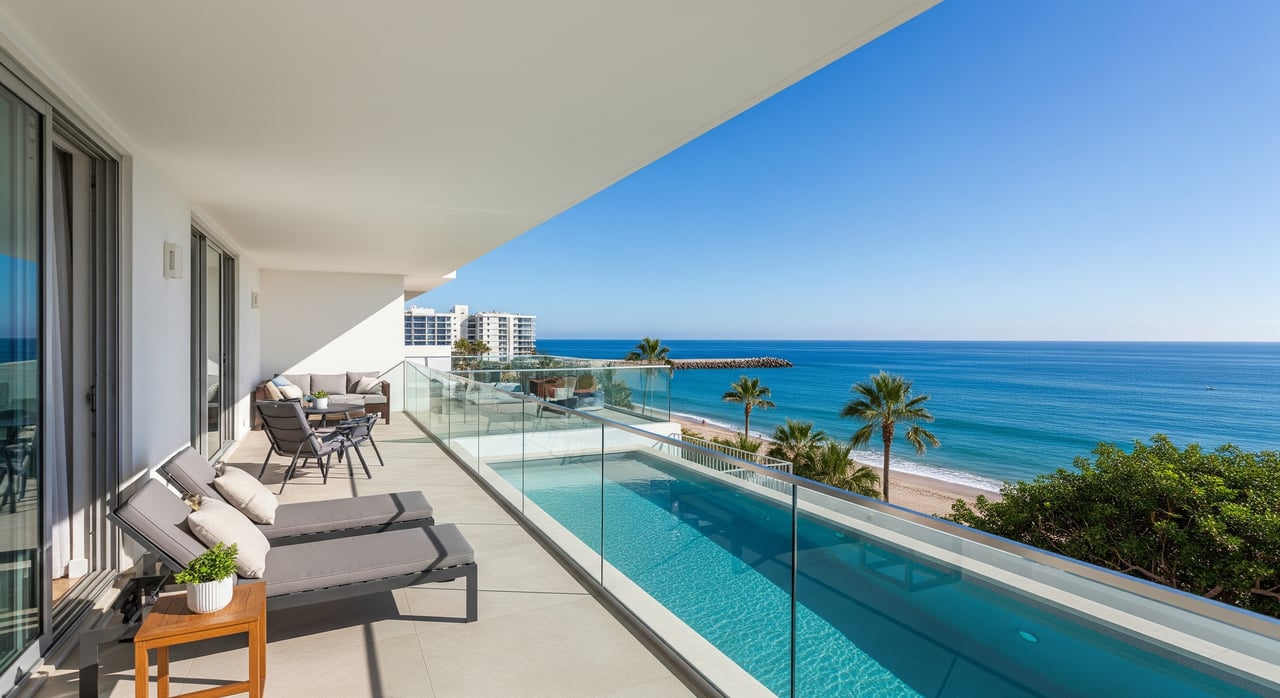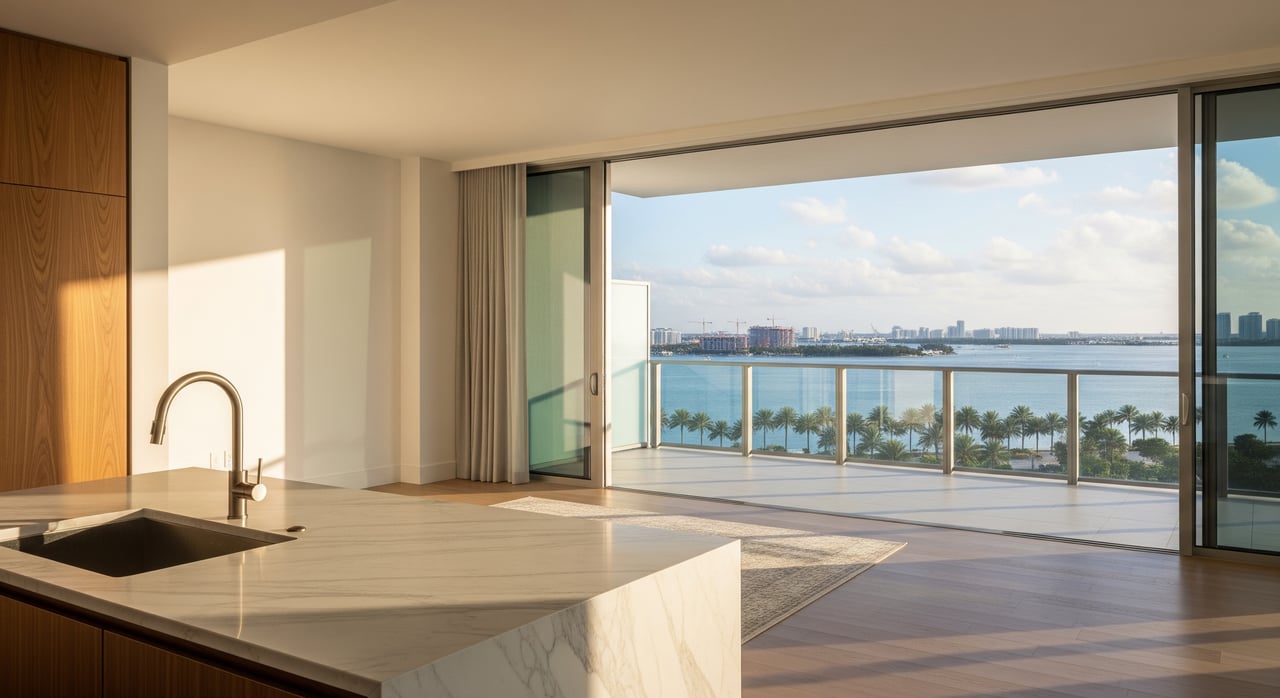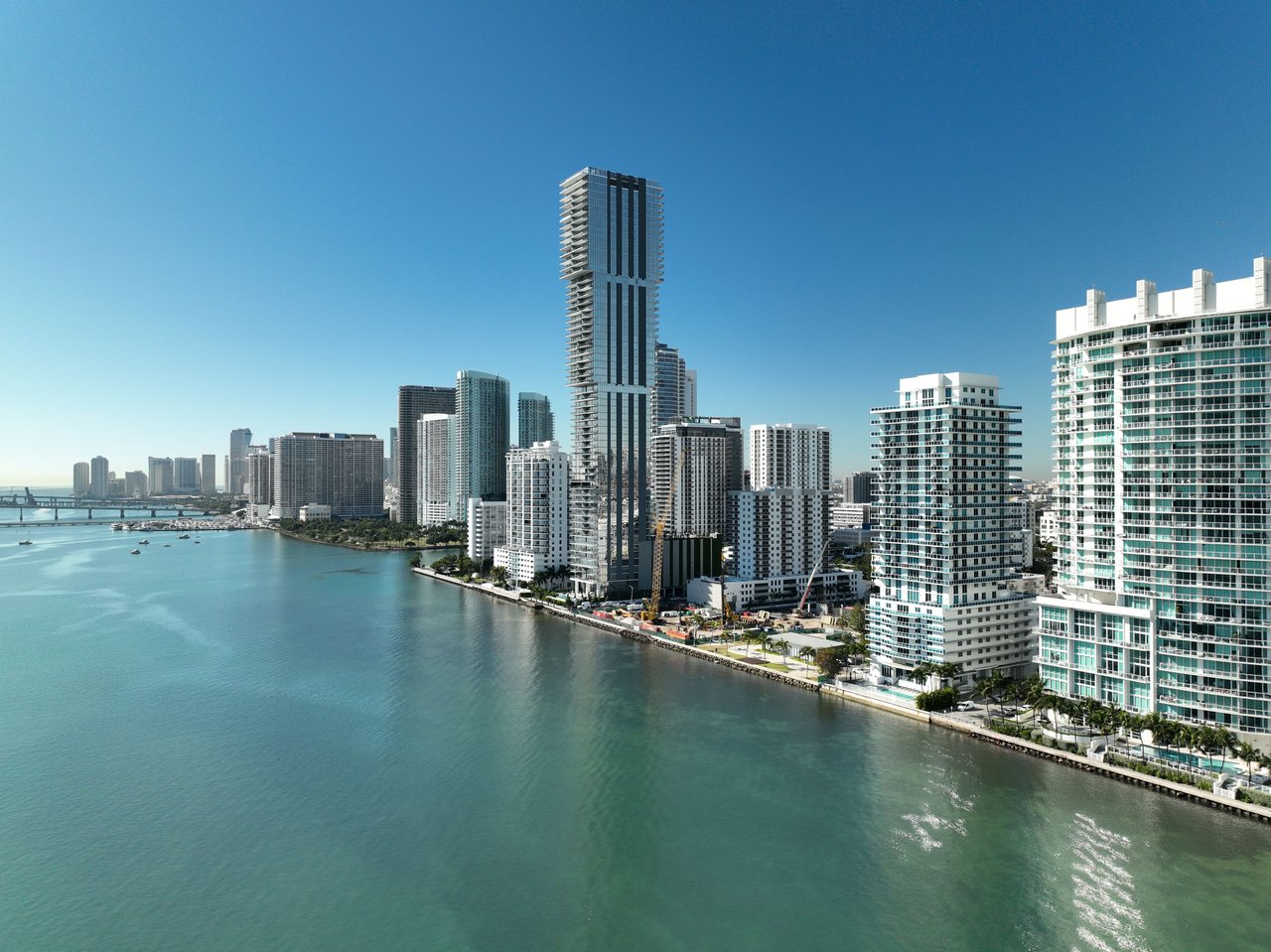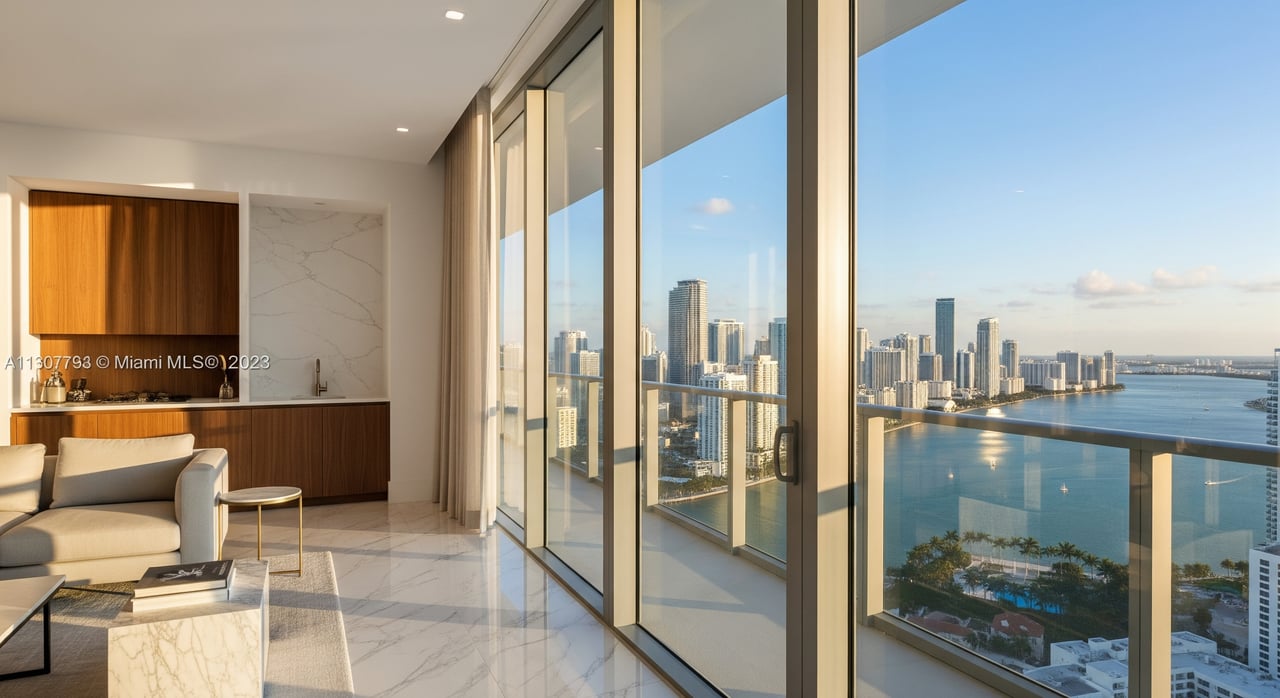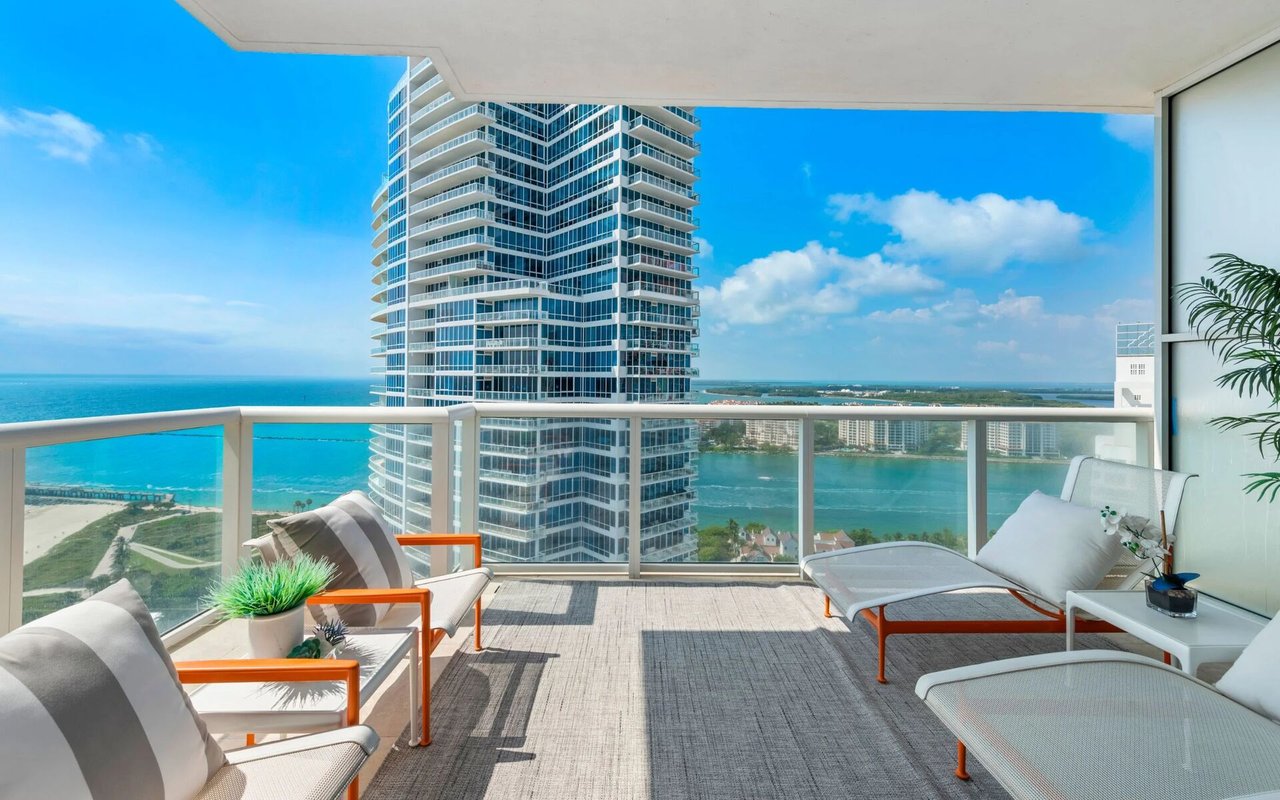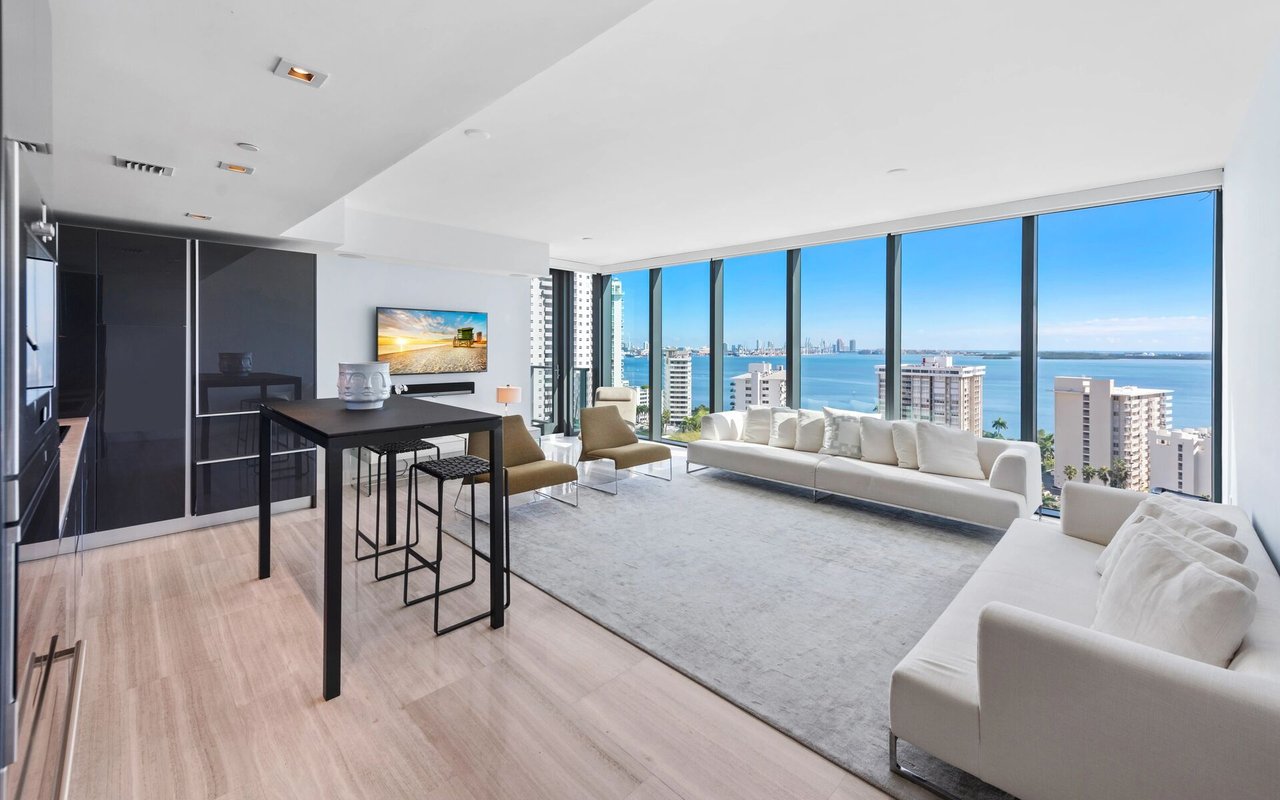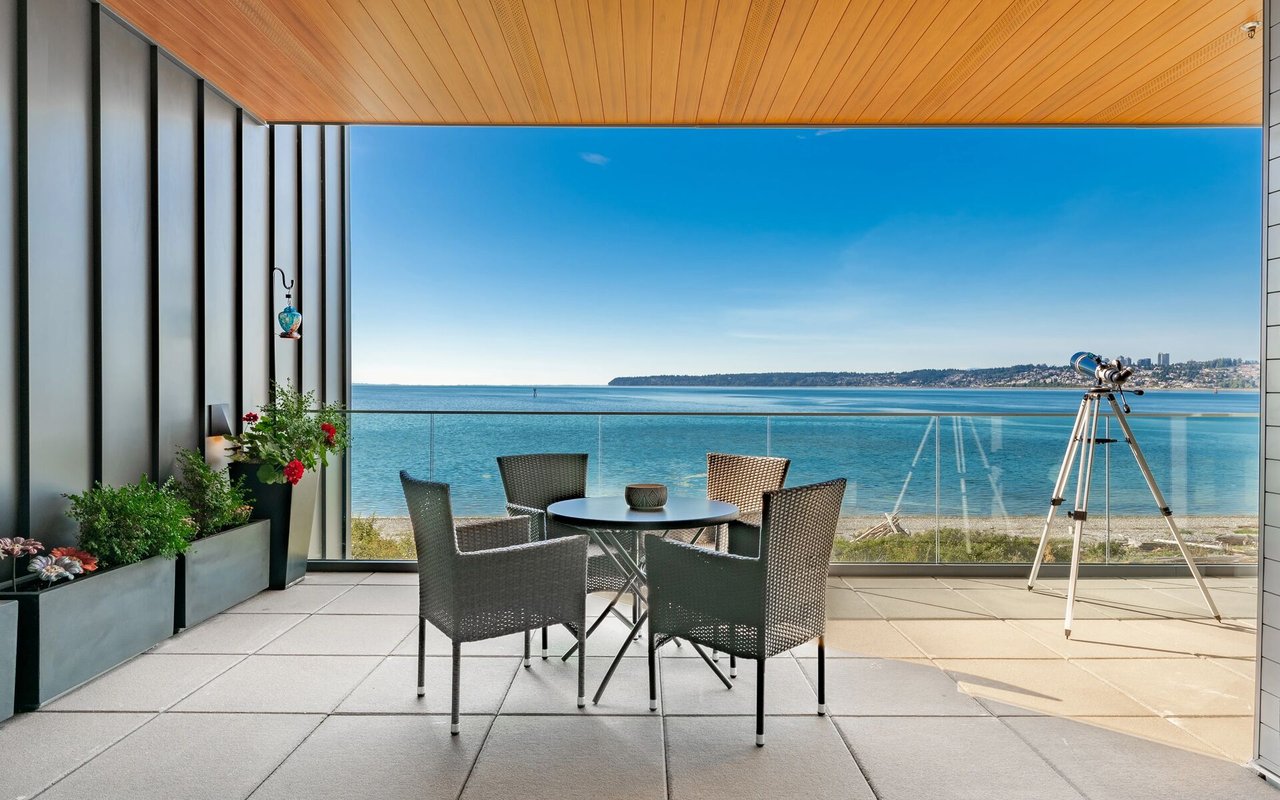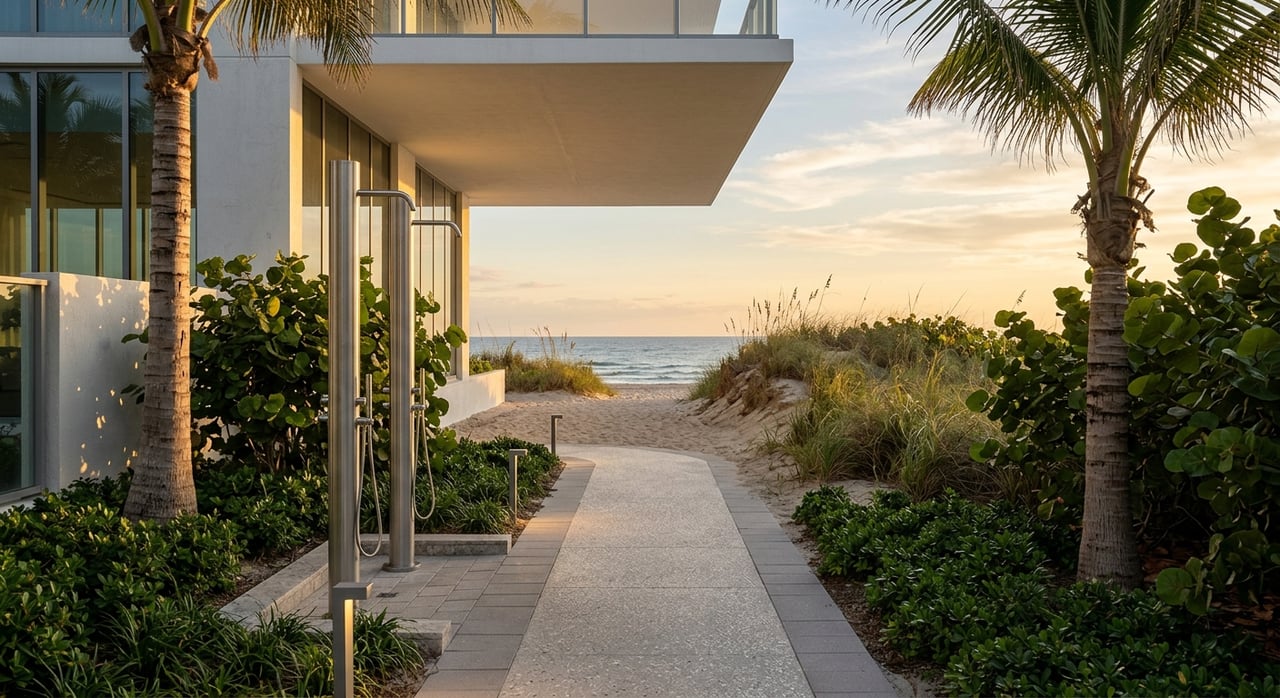
Picture waking up to sunrise over the Atlantic, stepping out to a balcony view, and knowing the beach is just beyond your building. That is the dream that draws many buyers to oceanfront condos in Miami Beach, but the day-to-day reality is more specific than the postcard version. If you are thinking about buying here, it helps to understand how beach access, building operations, fees, parking, and seasonal weather shape the ownership experience. Let’s dive in.
Oceanfront living starts with the setting
Owning an oceanfront condo in Miami Beach means living on a barrier island with a very defined coastal layout. The city’s beachfront area stretches from South Pointe to 87th Terrace and is commonly grouped into South Beach, Mid Beach, and North Beach. Each area offers a slightly different rhythm, but all are connected by the same oceanfront lifestyle.
One of the biggest perks is how easy it is to enjoy the shoreline without making it a major outing. Miami Beach’s Beachwalk runs about nine miles from South Pointe Park to 87th Street and includes practical features like restrooms, water fountains, and nearby parking. For many owners, that means walks, runs, and bike rides become part of everyday life rather than something you plan around.
You are next to the beach, not owning it
This is one of the most important mindset shifts for buyers. Even in an oceanfront tower, the beach itself is public and actively managed by the city. Miami Beach invites the public to enjoy its seven-mile beach, with lifeguard stands, swim buoys, and flag warnings that help guide safe use.
That means oceanfront ownership gives you exceptional proximity and convenience, but not private ownership of the sand. Florida condominium law also reinforces public pedestrian access to beaches contiguous to condo property in most situations. In practical terms, your lifestyle benefit is direct access and views, not exclusive control of the shoreline.
Beach days feel organized and easy
Miami Beach has clear beach rules, and those rules shape the atmosphere. Alcohol and smoking are prohibited on city beaches, along with items like glass containers, loud music, tents, tables, coolers, styrofoam, plastic straws, and balloons. That creates a beach environment that feels managed, usable, and more orderly than many buyers expect.
For owners, that often translates into a cleaner and calmer daily experience. If you love the idea of spontaneous morning walks, afternoon swims, or a simple beach chair setup, Miami Beach supports that well. If you are expecting a more open-ended party scene right outside your building, the city’s rules create a different feel.
Amenities often feel like a private resort
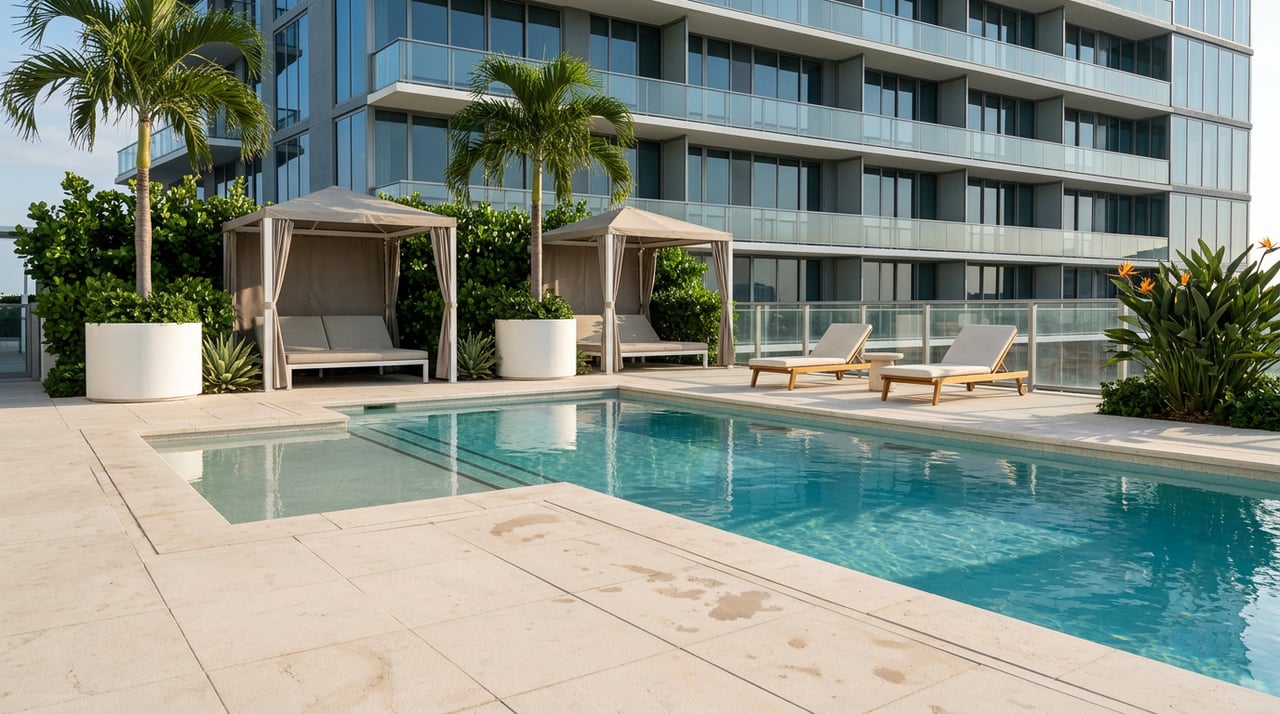
Many oceanfront condos in Miami Beach are designed to deliver more than a home. They are built to offer a service-rich lifestyle centered on convenience, wellness, and leisure. In the luxury segment, that often includes pools, fitness spaces, spa-style features, club rooms, lounges, and staff support.
A current market example is 57 Ocean, whose official amenity profile includes a private spa, two infinity pools, a club room with chef’s kitchen and outdoor summer kitchen, an outdoor bar and lounge, a library, a Technogym fitness center, an outdoor gym, a children’s room, and concierge support through a Wellness Coach. While every building is different, this gives you a clear picture of what upper-tier oceanfront condo living in Miami Beach can look like.
Service is part of the lifestyle
In many buildings, the ownership experience is highly staff-driven. Arrivals, guest handling, amenity support, and day-to-day logistics may feel more structured than in a single-family home. That can be a major plus if you want a lock-and-leave property or a second home that feels easy to manage.
Miami Beach’s own parking framework also shows how formal valet operations are in the city. With approved valet space rentals and regulated valet operations, many buildings function with a polished arrival experience that feels closer to hospitality than traditional residential living. If you value convenience and service, this is often part of the appeal.
Condo fees support more than amenities
Monthly condo dues are a major part of ownership, and they deserve careful attention. In Florida condominiums, associations are responsible for common elements, and owners contribute through assessments. That includes the systems and shared spaces that keep the building operating, not just visible perks like the pool deck or lobby.
For an oceanfront building, this matters even more because coastal properties face constant exposure to salt air, moisture, wind, and heavy use. As a result, ownership often includes an ongoing financial commitment to maintenance, repairs, and long-term planning. If you are comparing a condo to a house, remember that many maintenance costs are simply organized differently rather than eliminated.
Reserve studies and inspections matter
Florida’s current condo environment places strong focus on inspections and reserve funding. According to the Florida Department of Business and Professional Regulation, residential condos and co-ops that are three or more habitable stories tall must complete milestone inspections on a 30-year schedule, or 25 years in some local jurisdictions, and must also complete Structural Integrity Reserve Studies.
These reserve studies cover major elements such as the roof, structural systems, fireproofing, plumbing, electrical systems, waterproofing and exterior painting, windows and exterior doors, plus other high-cost items tied to structural integrity. For you as a buyer, this means reviewing a building goes beyond finishes and views. You also want to understand how the association plans, budgets, and prepares for major work.
Special assessments are part of the conversation
A well-run building does not mean low costs. It often means realistic budgeting and active reserve planning. DBPR explains that if reserve funding is not sufficient, associations may need special assessments, loans, or lines of credit to stay on schedule, and budgeted SIRS reserves may no longer be waived for newer budgets as of January 1, 2025.
The takeaway is simple: oceanfront condo ownership in Miami Beach can be exceptional, but it is not passive. You are buying into a shared-property system that requires active maintenance and financial discipline. Buyers who go in with clear expectations usually feel more confident and better prepared.
Parking can shape your routine
In Miami Beach, parking is not a minor detail. It is a true lifestyle factor. If your building includes dedicated parking or valet, that can add meaningful everyday convenience, especially during busy periods.
At the same time, the city offers resident parking discounts, garage discounts, a monthly parking rate program subject to availability, and a 15-minute tow grace period for registered residents. That creates flexibility for owners who may not want to rely on a car for every outing. It also helps explain why some residents embrace a more walkable routine once they settle in.
You may not need to drive as much
One of the underrated benefits of owning in Miami Beach is how much of daily life can happen nearby. The South Beach Trolley runs seven days a week from 8 a.m. to 11 p.m. about every 20 minutes and connects riders to restaurants, grocery stores, pharmacies, hotels, museums, parks, marinas, Lincoln Road Mall, and City Hall. In Mid Beach and parts of North Beach, Miami Beach also offers Freebee on-demand transit.
For owners, this can reduce the friction of everyday errands and social plans. Depending on where your condo is located, you may be able to move between the beach, dinner, shopping, and entertainment without using your car much at all. That is a meaningful quality-of-life advantage in a dense coastal city.
Dining and outings become part of home life
Miami Beach actively presents itself as a place to shop, dine, play, and stay, and that shows up in the ownership experience. Oceanfront condo living is not only about what happens inside the building. It is also about how easily you can step into the larger city for a meal, a walk, or an evening out.
For many buyers, this is the biggest emotional difference from other property types. Your home is part residence and part launch point. That blend of private space, beach access, and nearby activity is a major reason oceanfront condos continue to attract lifestyle buyers and second-home owners.
Seasons change the experience
Miami Beach is not the same all year, and owners feel that firsthand. NOAA climate normals for the Miami Beach station show an average daily high of 73.6°F in January and 88.1°F in August. Annual precipitation is 57.18 inches, with much wetter conditions in summer and early fall than in winter.
Winter tends to be the easiest season for long beach days and outdoor dining. Late summer and early fall are hotter, wetter, and more weather-aware. South Florida’s rainy season runs from May through October, and Atlantic hurricane season runs from June 1 through November 30, peaking around September 10.
Weather awareness becomes normal
Oceanfront ownership comes with a stronger connection to conditions. You are more likely to check the forecast, look at beach flags, and pay attention to storm updates than you would in many inland homes. Miami Beach’s beach operations, including lifeguards and flag warnings, are part of that rhythm.
This does not reduce the appeal of oceanfront living. It simply makes the experience more real. The best owners enjoy the beauty of the setting while also respecting the seasonal patterns that come with coastal South Florida life.
Who enjoys this lifestyle most
Oceanfront condo living in Miami Beach tends to fit buyers who want convenience, views, amenities, and a low-friction way to enjoy the coast. It can work especially well for second-home owners, international buyers, and people who prefer staff-supported living over the responsibilities of a detached home. It also appeals to buyers who value wellness, walkability, and an easy blend of home life and city life.
At the same time, it is best for buyers who are comfortable with shared governance, monthly dues, ongoing building maintenance, and weather awareness. If you understand those tradeoffs, the lifestyle can feel rewarding and surprisingly practical. The dream is real, but it works best when you match the building and location to the way you actually want to live.
If you are exploring oceanfront condos in Miami Beach and want clear guidance on lifestyle, building differences, and what ownership really looks like, The Ana Vega Group can help you navigate your options with a concierge approach.
FAQs
What does oceanfront condo ownership in Miami Beach actually include?
- You typically own your unit and share responsibility for common elements through the condo association, while the beach itself remains public.
Are Miami Beach beaches private for condo owners?
- No. Miami Beach’s beaches are public, and oceanfront condo ownership gives you proximity and access convenience rather than private ownership of the sand.
What are condo fees for in a Miami Beach oceanfront building?
- Condo fees help fund common-area operations, maintenance, repairs, and building systems, and may also support reserve funding for major future work.
Do Miami Beach oceanfront condos usually have resort-style amenities?
- Many luxury oceanfront condos offer amenity packages centered on wellness, leisure, and convenience, such as pools, fitness centers, lounges, and concierge-style services.
Is parking difficult when you live in an oceanfront condo in Miami Beach?
- Parking can be an important lifestyle factor, which is why dedicated building parking or valet is often valuable, though city resident parking programs can also help.
Can you live in Miami Beach without driving every day?
- In many areas, yes. The South Beach Trolley and Freebee service in certain zones can make it easier to handle errands and outings without using a car for every trip.
What is the weather like for oceanfront condo owners in Miami Beach?
- Winter is generally milder and drier, while summer and early fall are hotter, wetter, and more tied to rainy-season and hurricane-season awareness.
What should buyers review before purchasing a Miami Beach oceanfront condo?
- Buyers should look closely at the building’s maintenance planning, reserve studies, inspection status, assessments, parking setup, and amenity structure in addition to the unit itself.