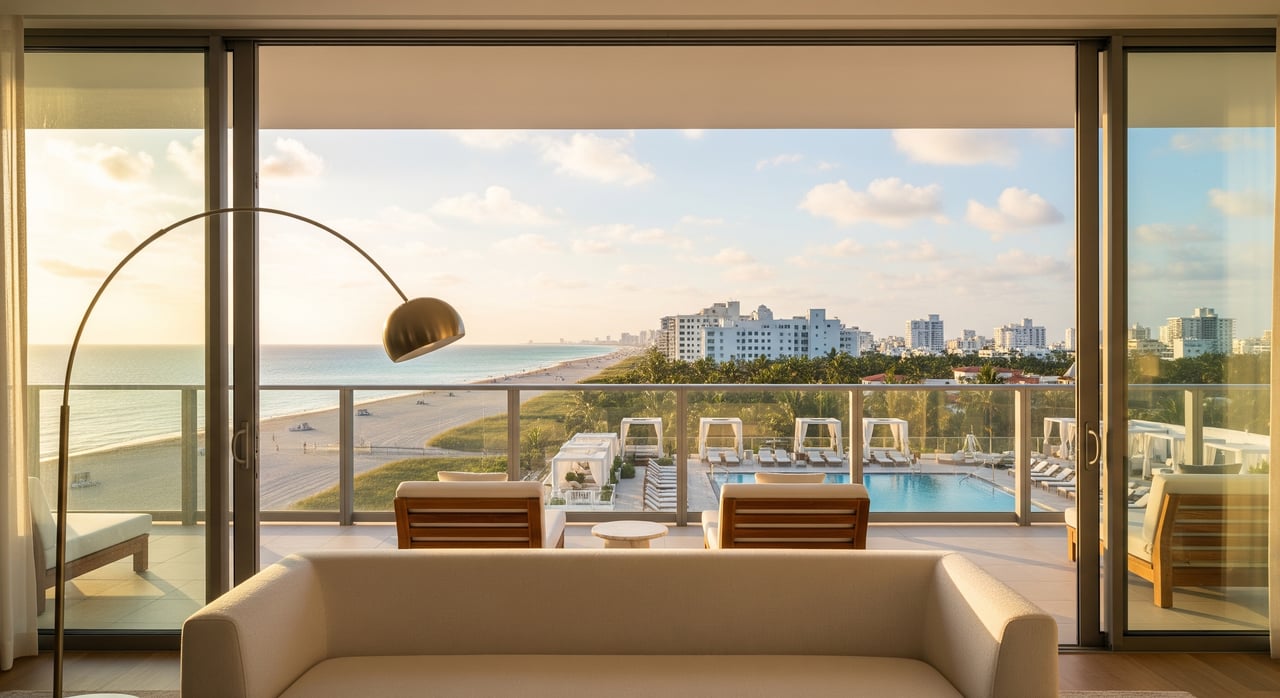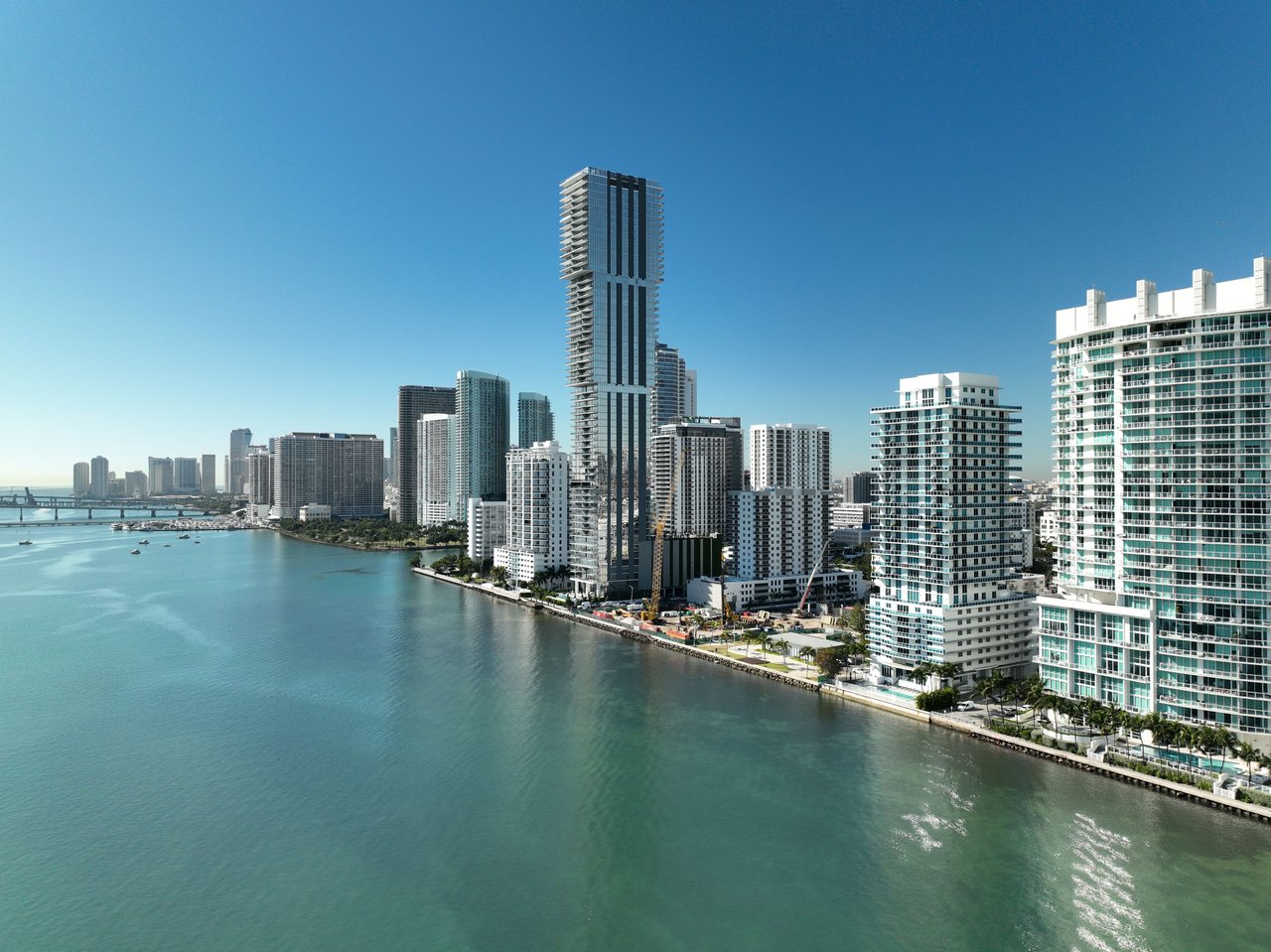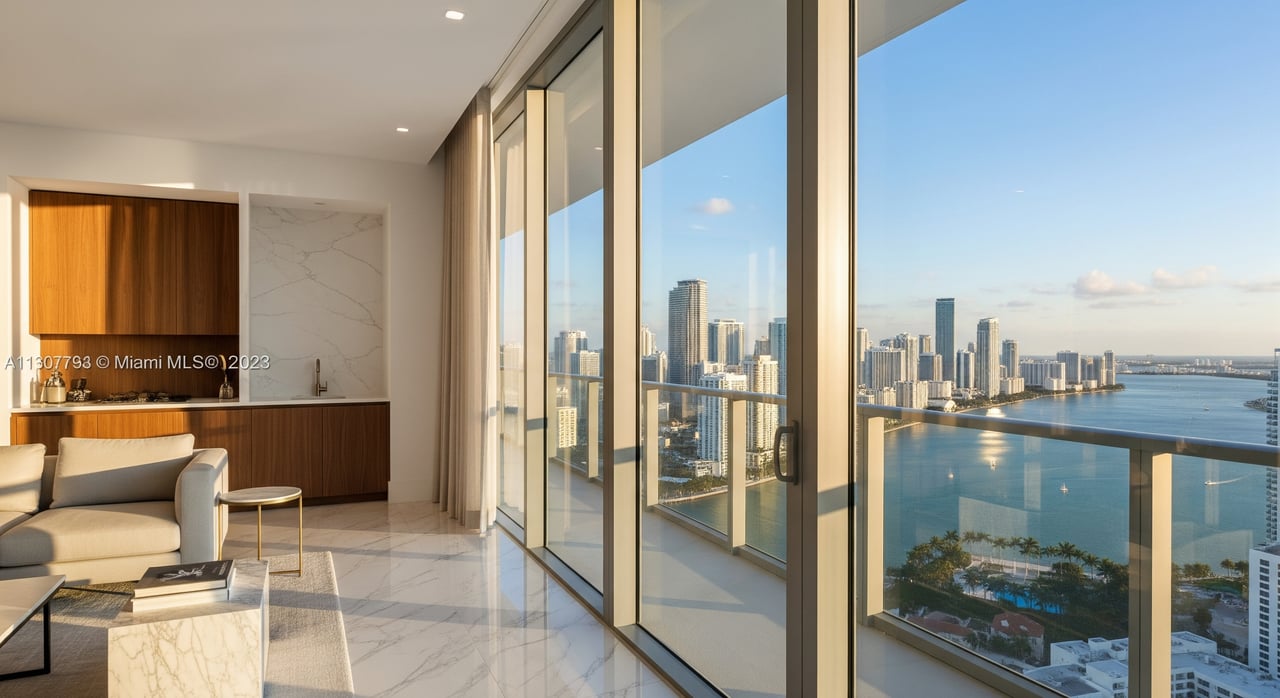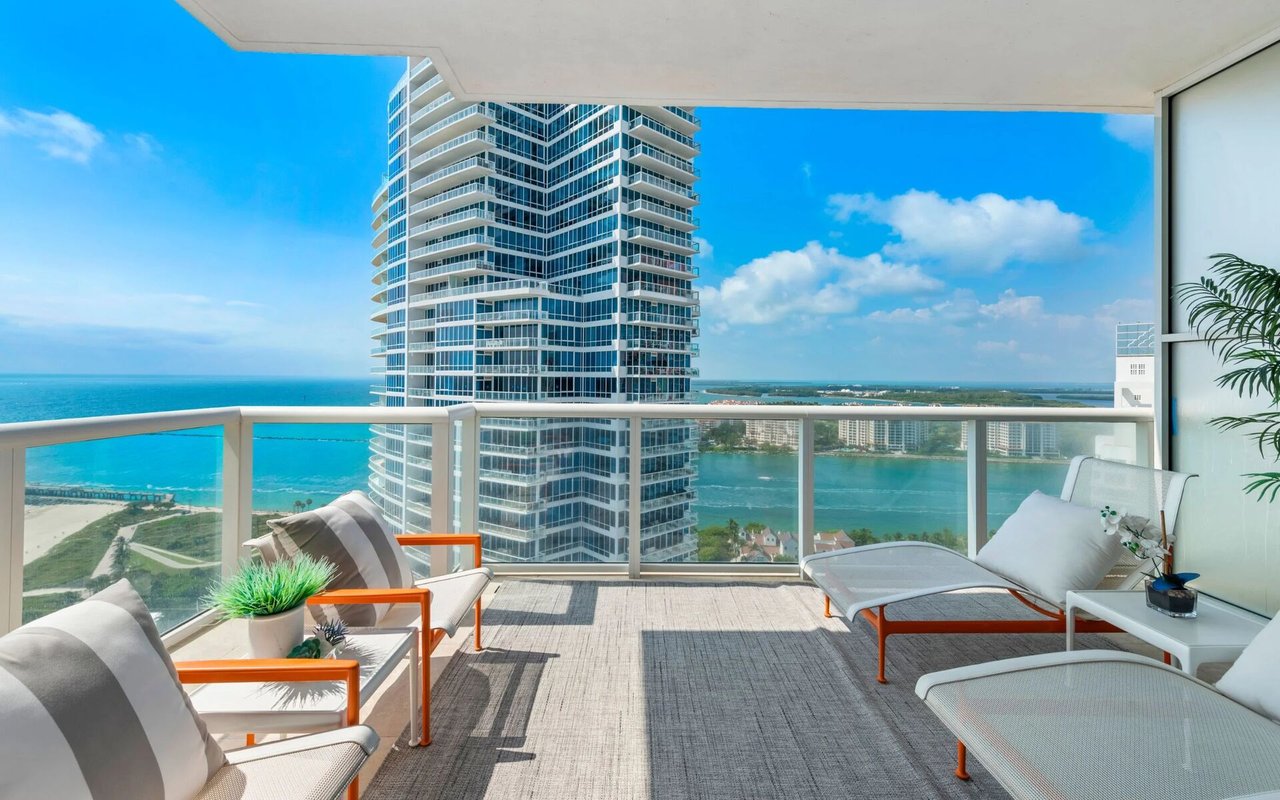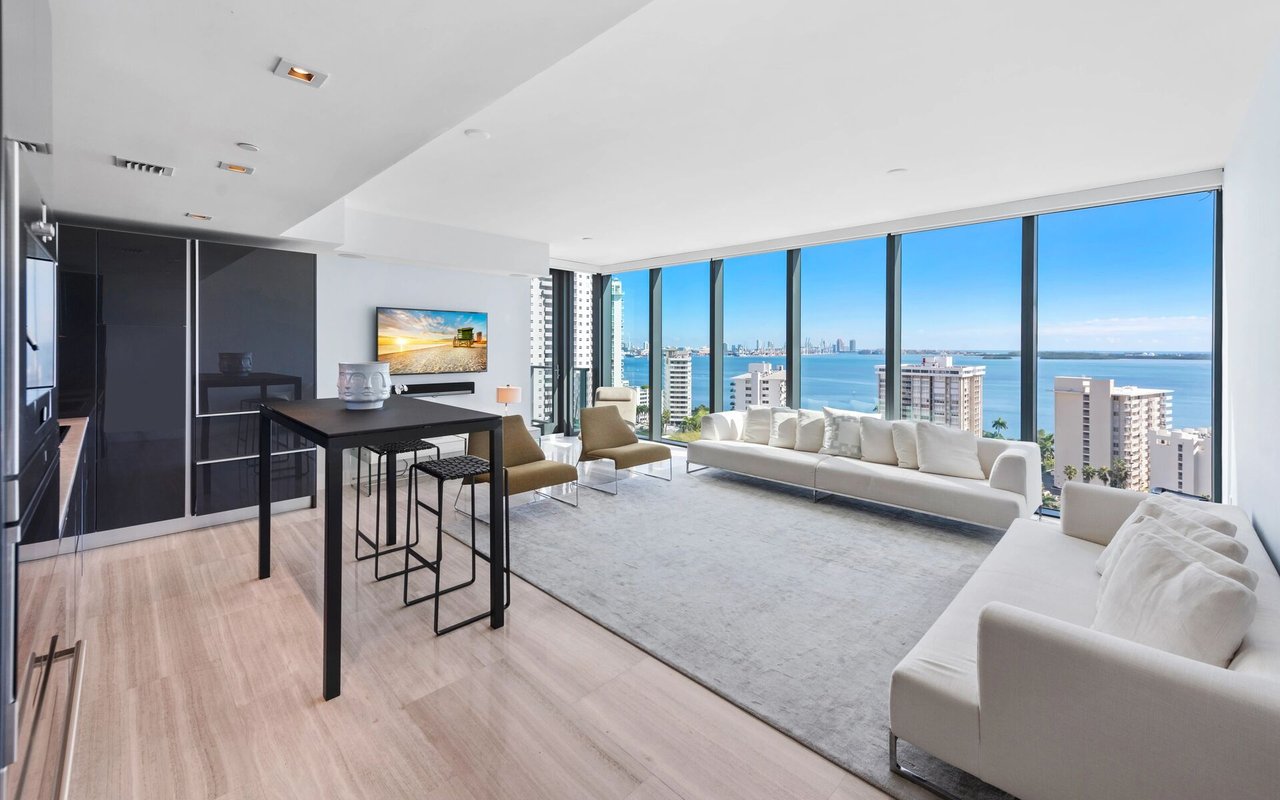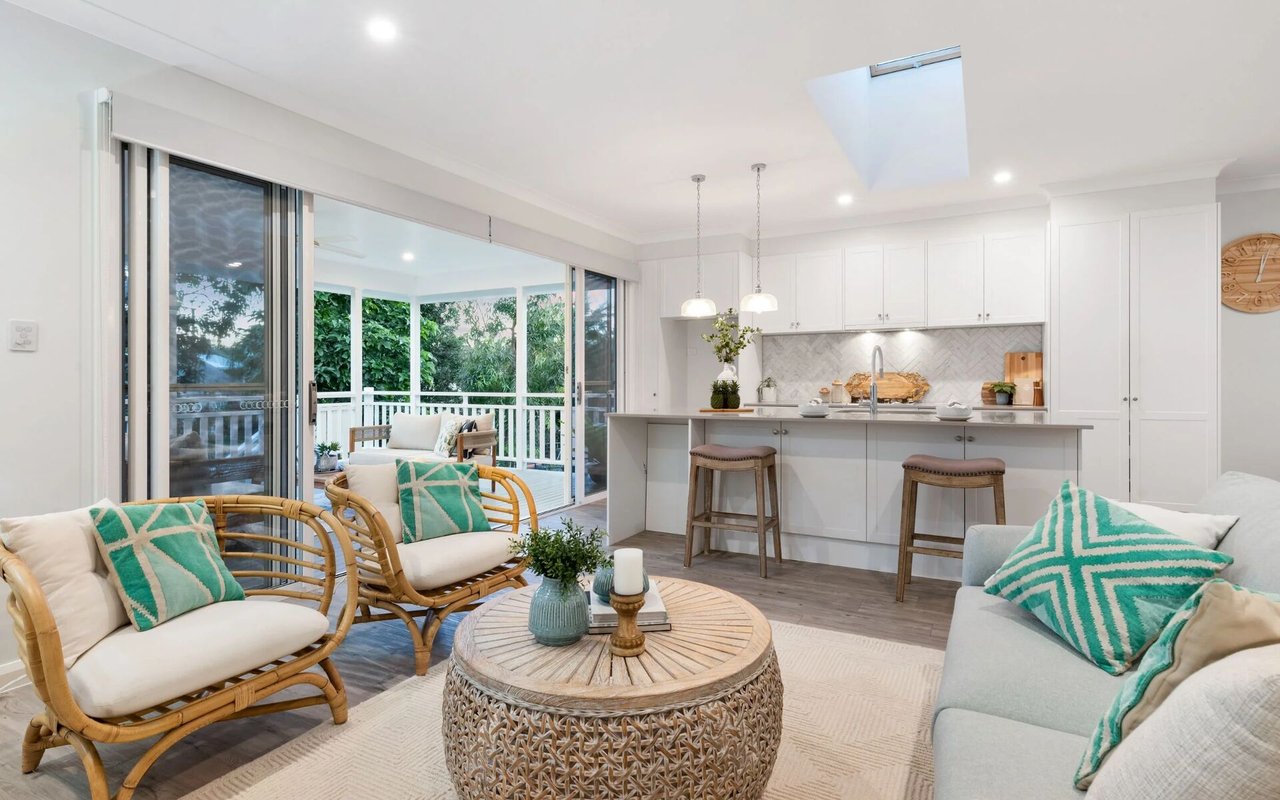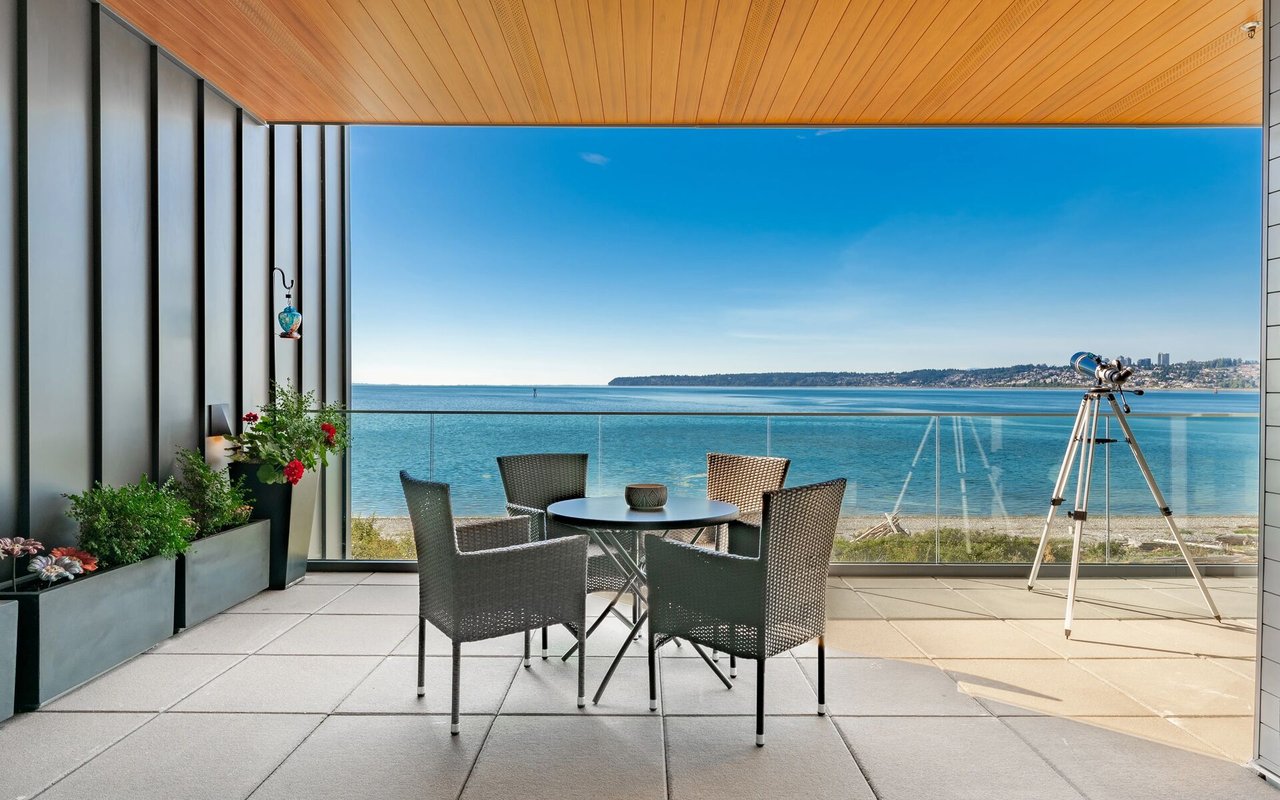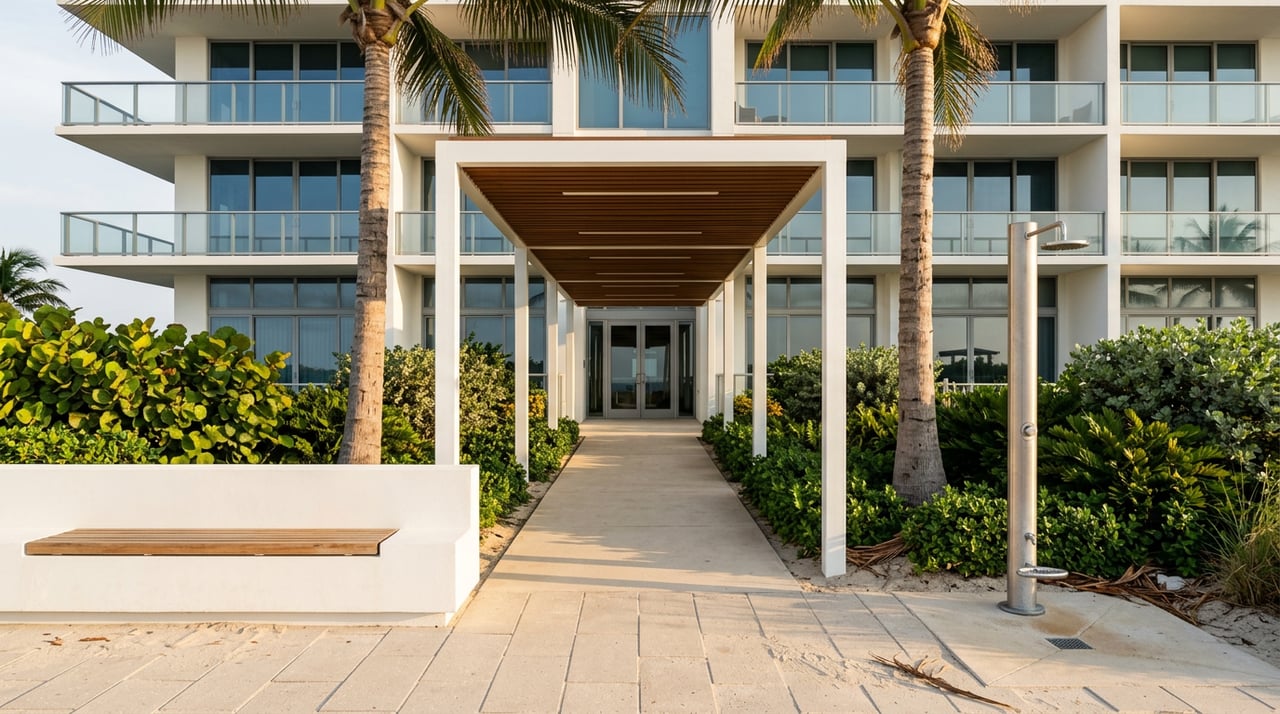
Dreaming of a turnkey beach condo just steps from the sand, with the Broadwalk at your door and the option to rent when you are away? If you want an easy second home with resort comforts and simple operations, Hollywood Beach can be a smart fit. In this guide, you will learn what to buy, what it costs to hold, how short‑term rentals work, and the key checks that protect you. Let’s dive in.
Why the Broadwalk lifestyle works
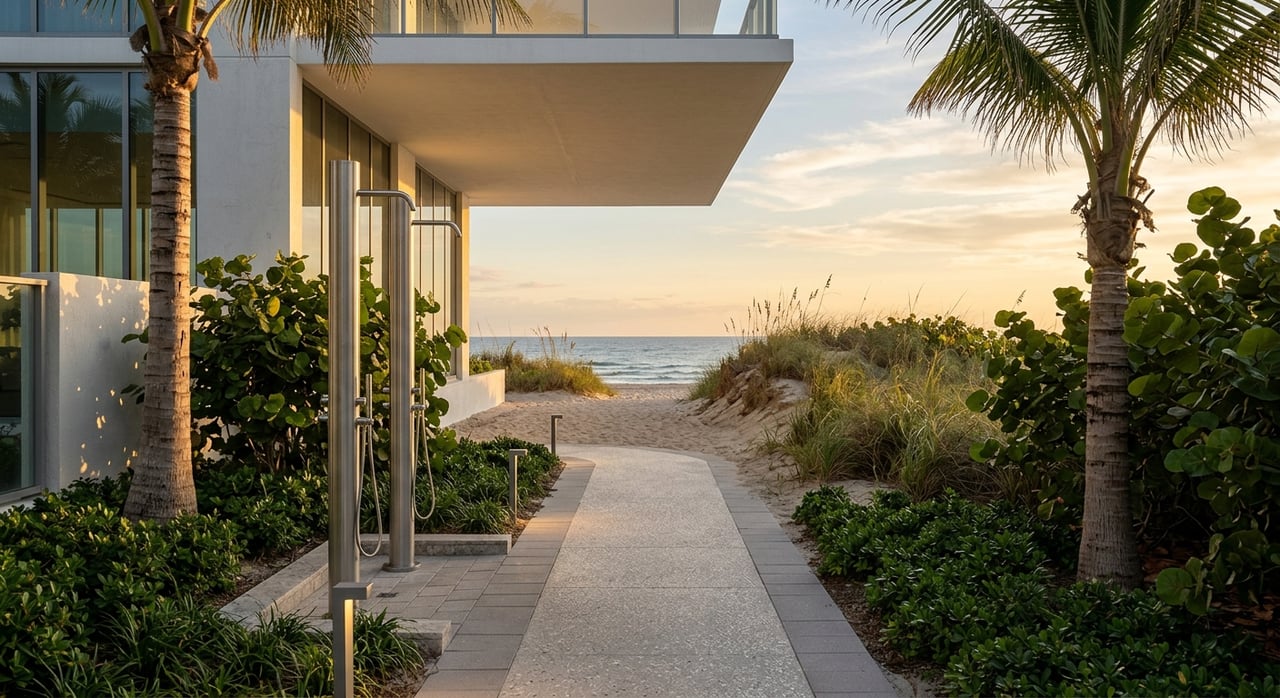
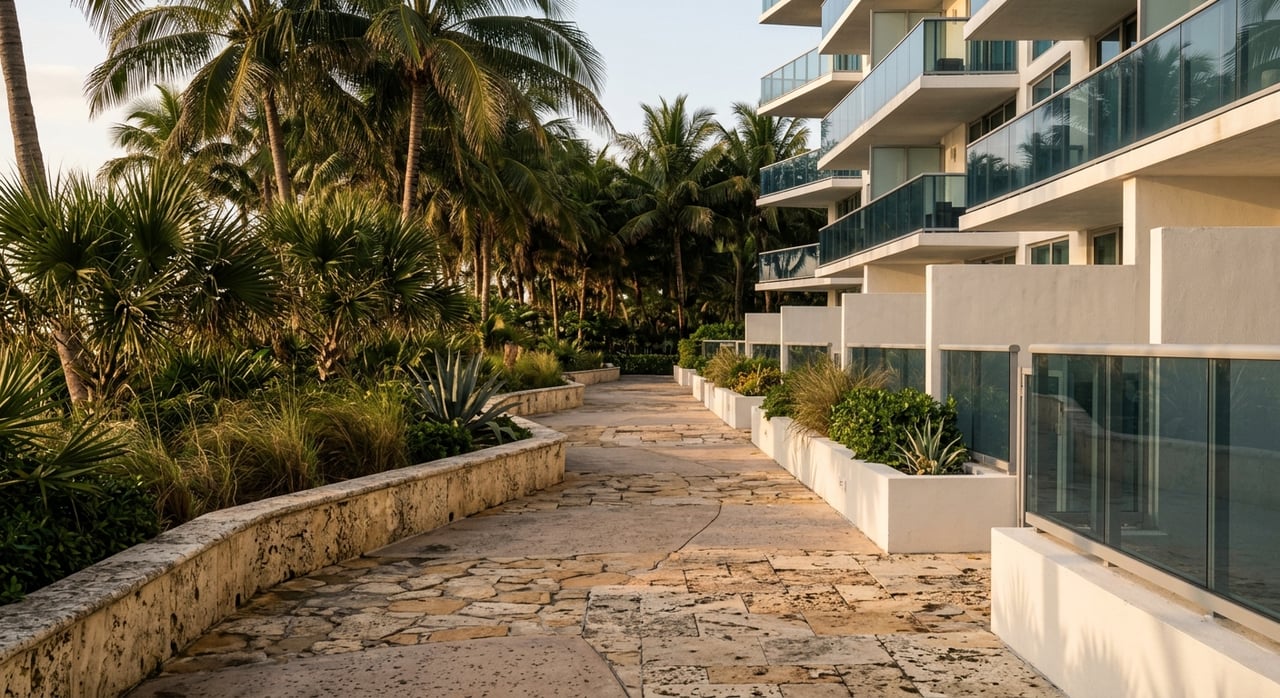
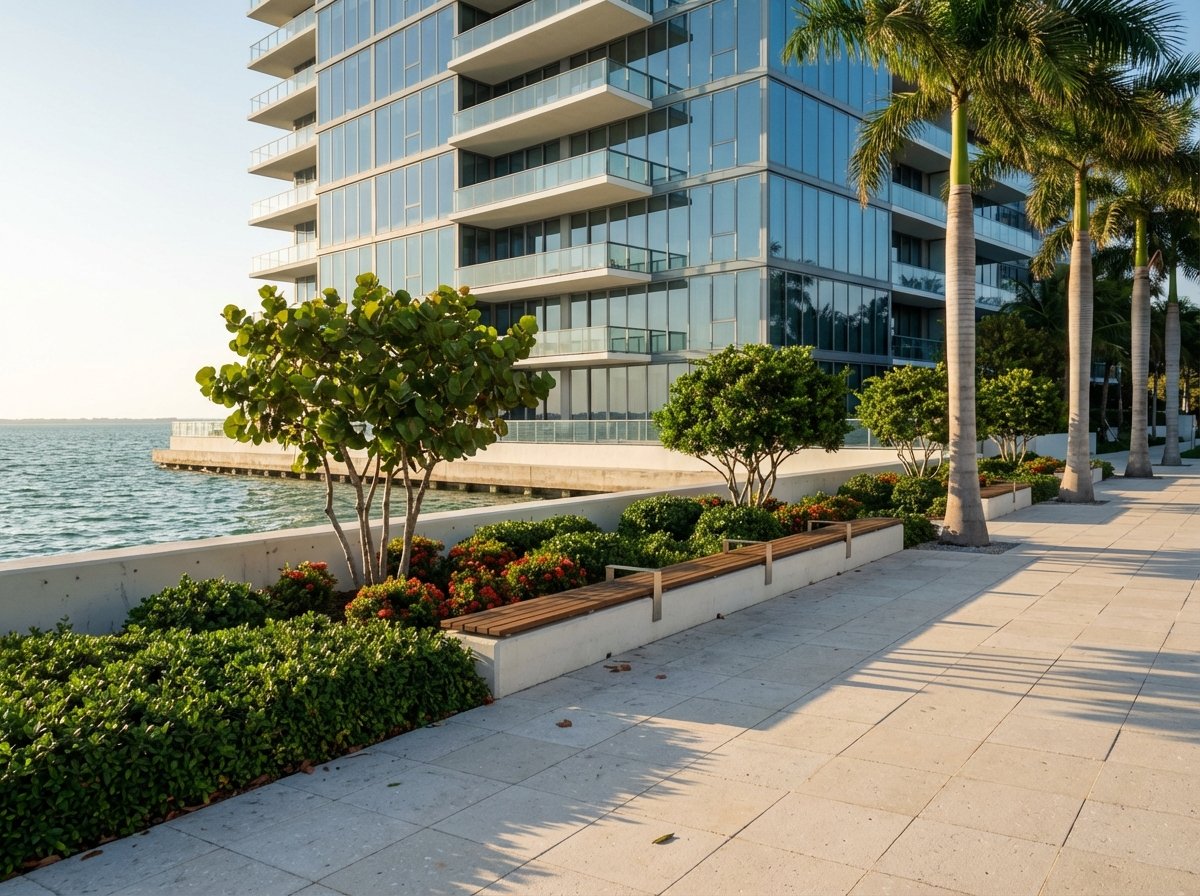
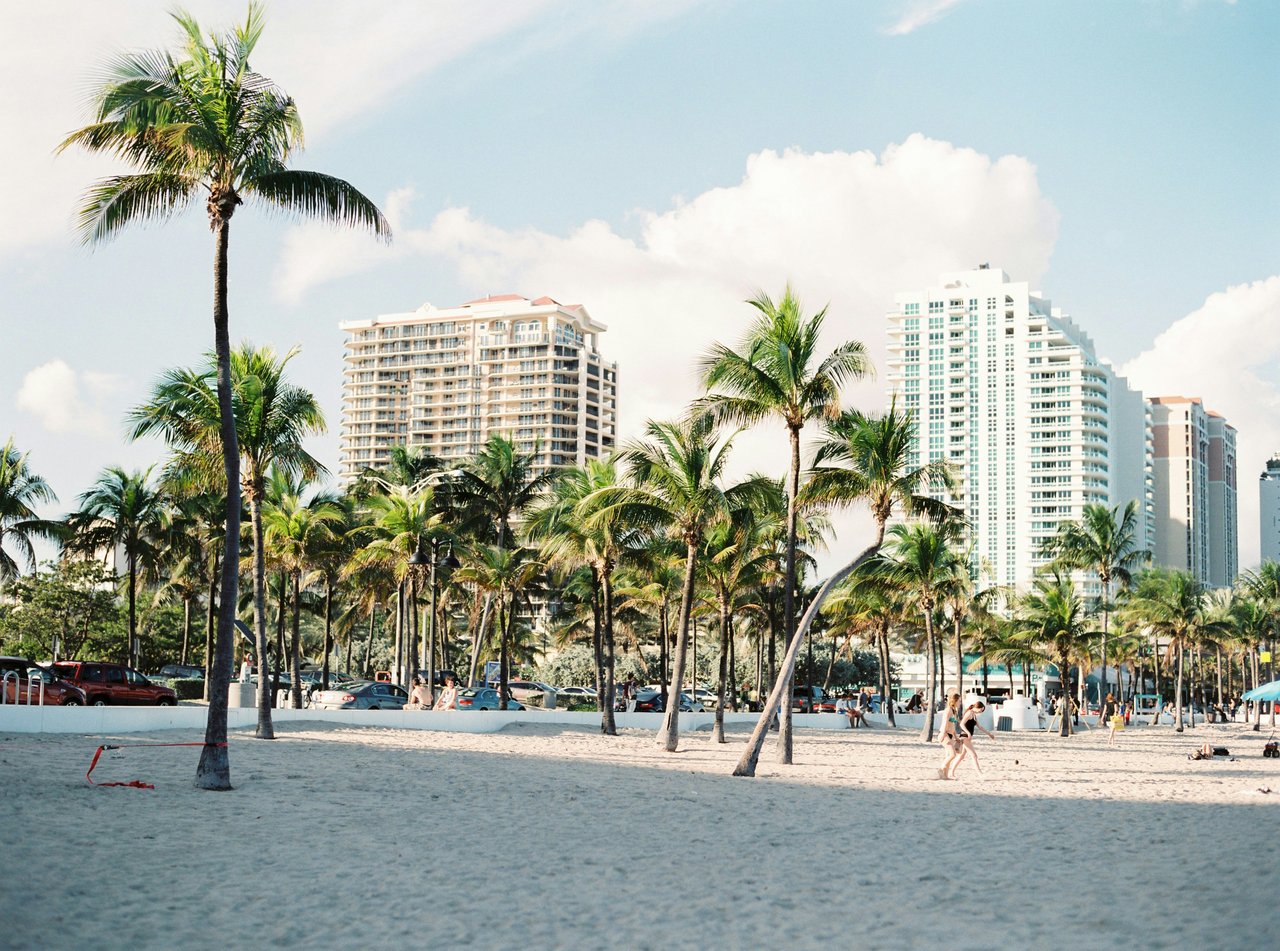
Hollywood’s oceanfront “Broadwalk” is a 2.5‑mile pedestrian promenade lined with cafes, bike rentals, live music and hotels. It is the area’s signature amenity and a year‑round draw for visitors and owners alike. You can explore the official overview of the Broadwalk and beach resources on the City of Hollywood’s page about Hollywood Beach.
Peak visitor season in South Florida runs roughly December through April. Holidays and spring break bring higher occupancy and rates, which matters if you plan to rent your unit when you are not using it.
What you will find near the Broadwalk
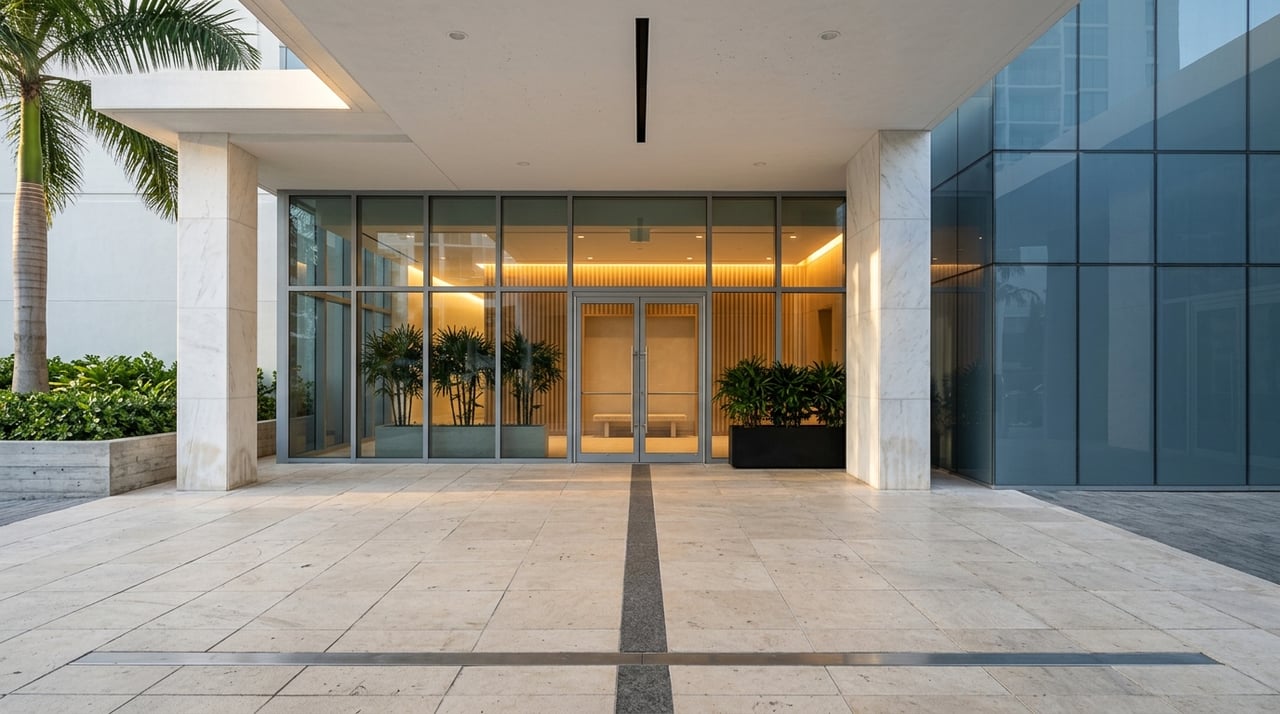
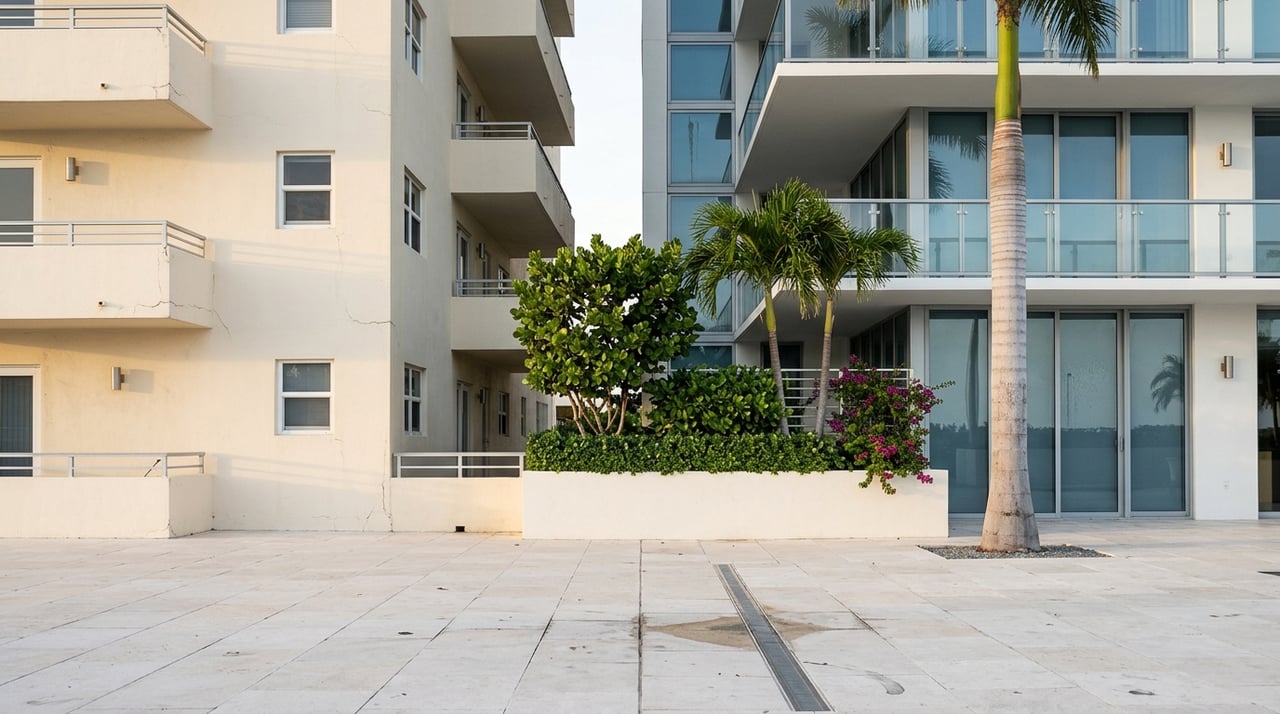
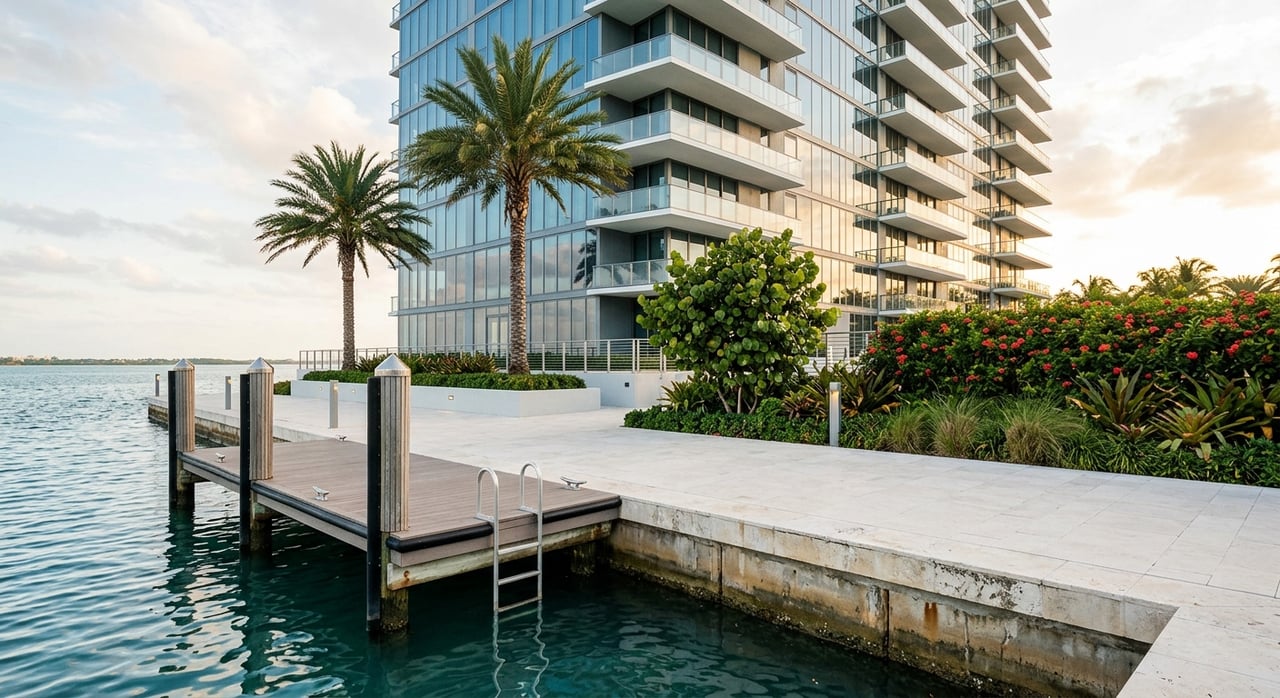
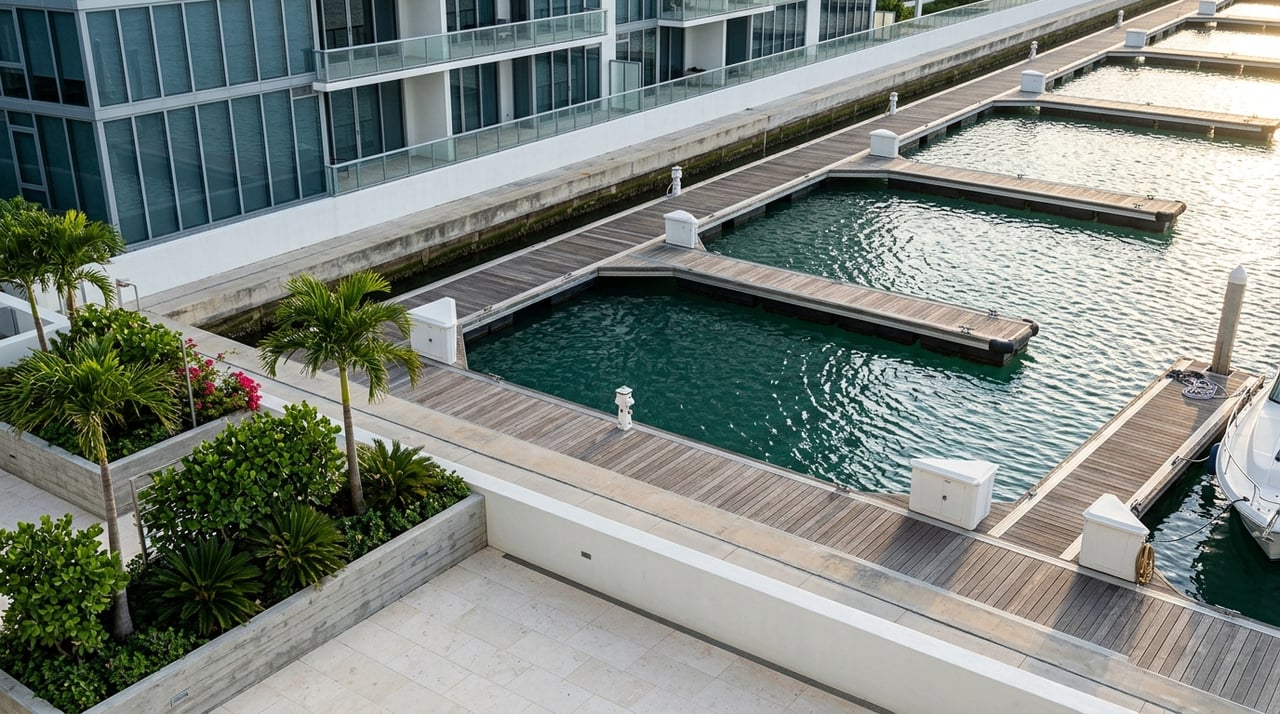
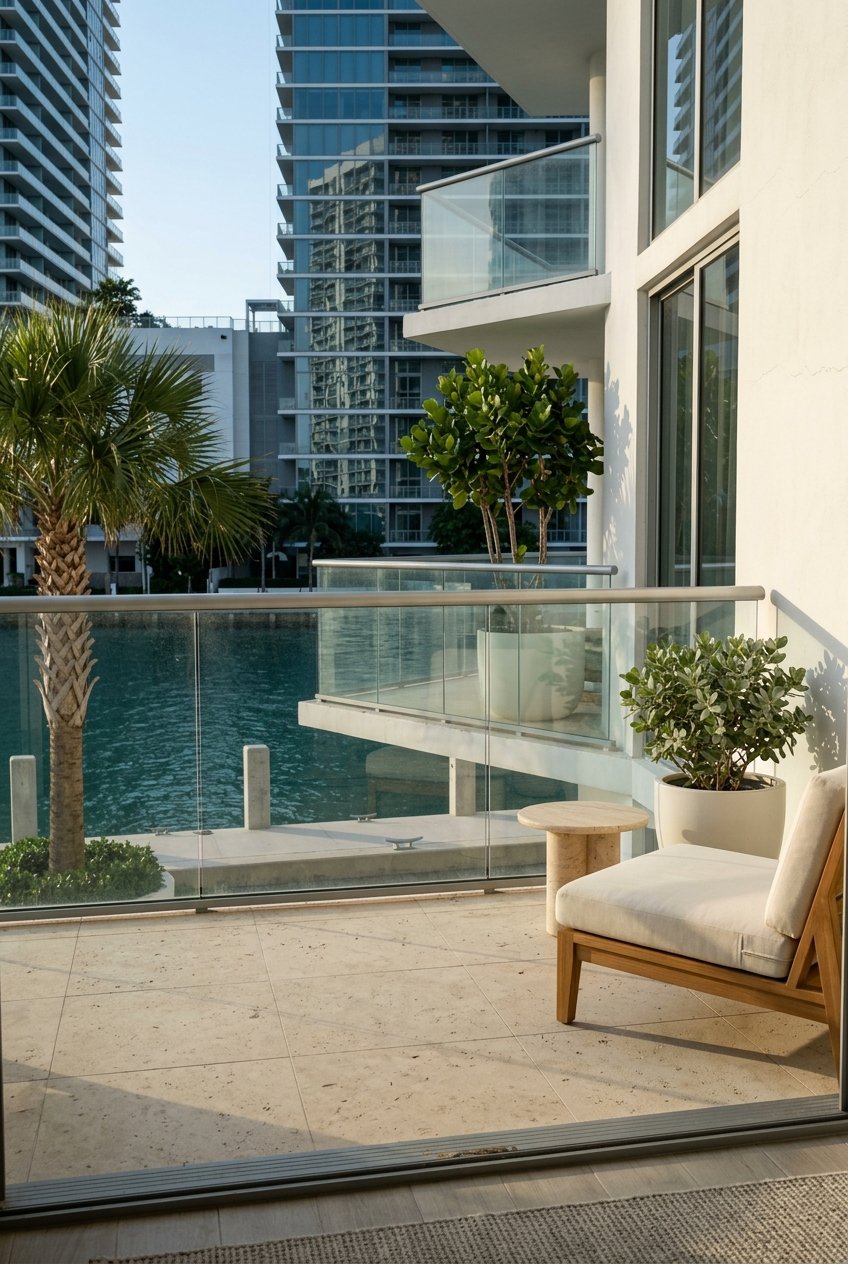
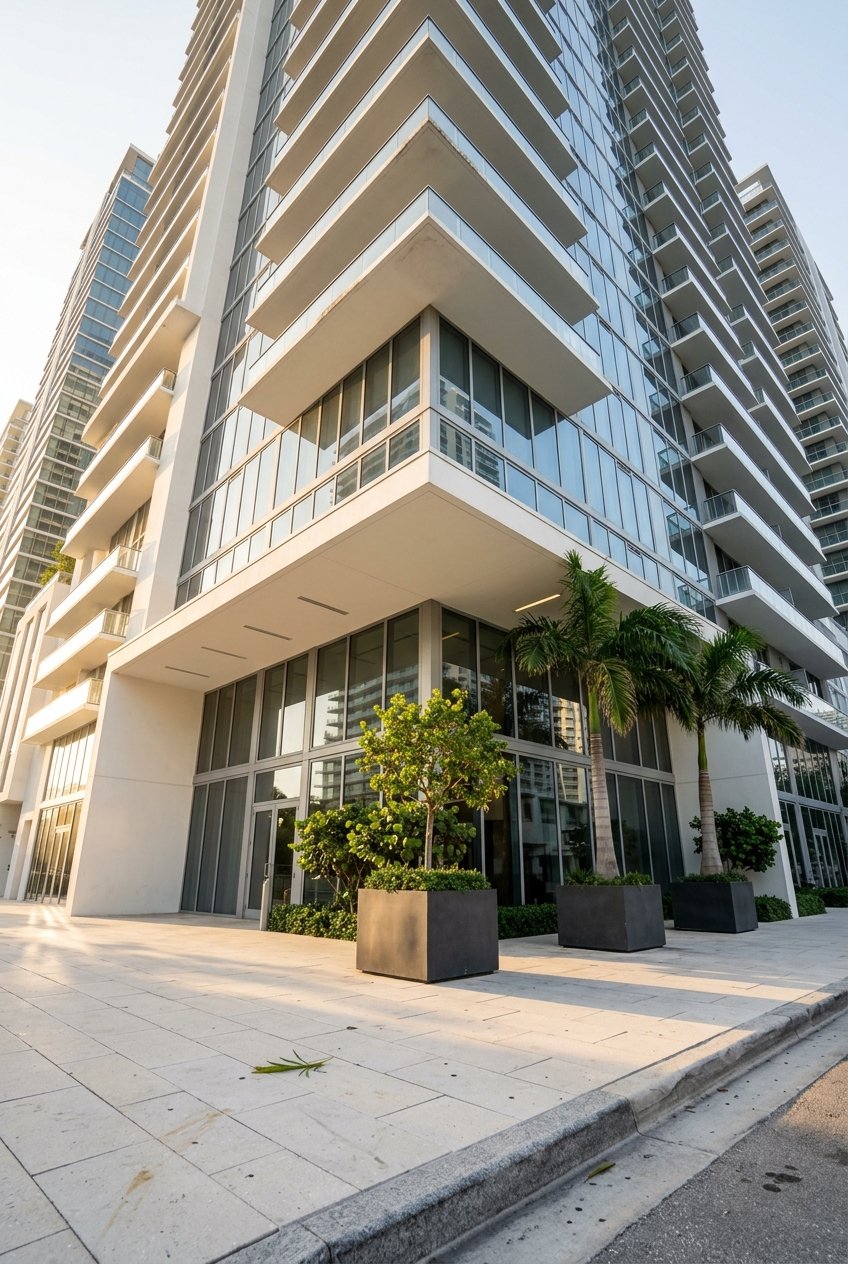
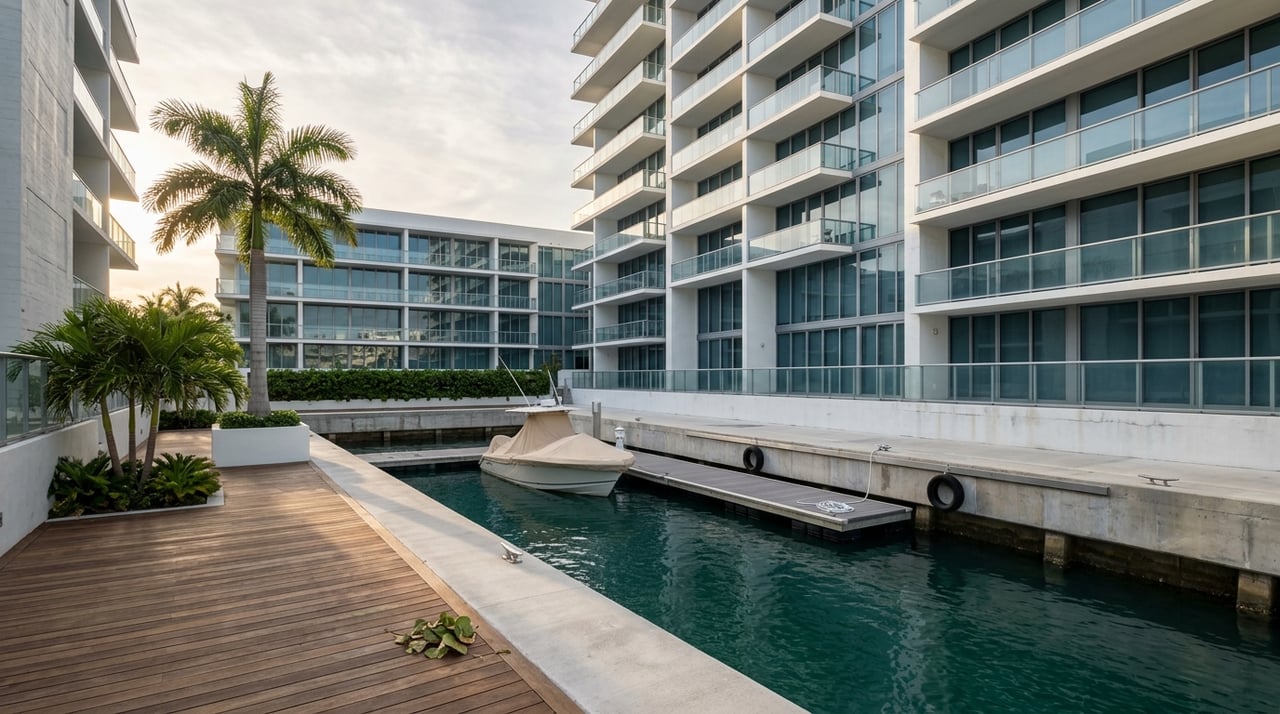
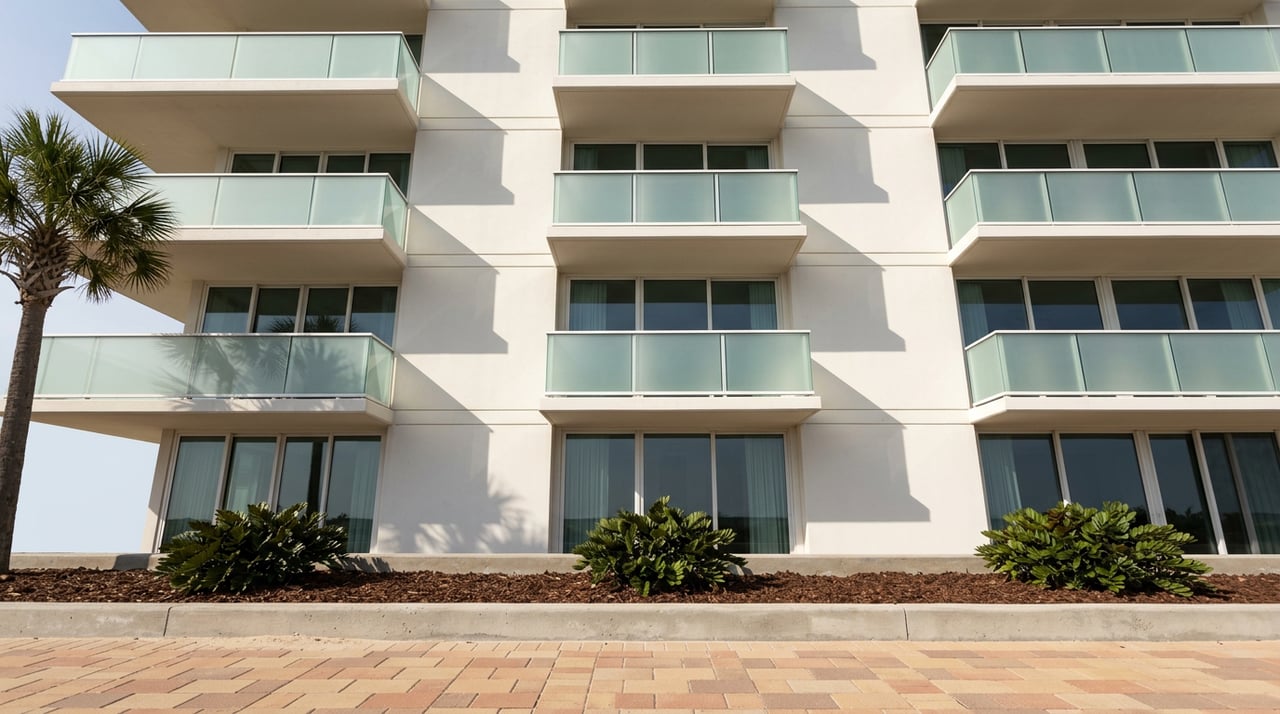
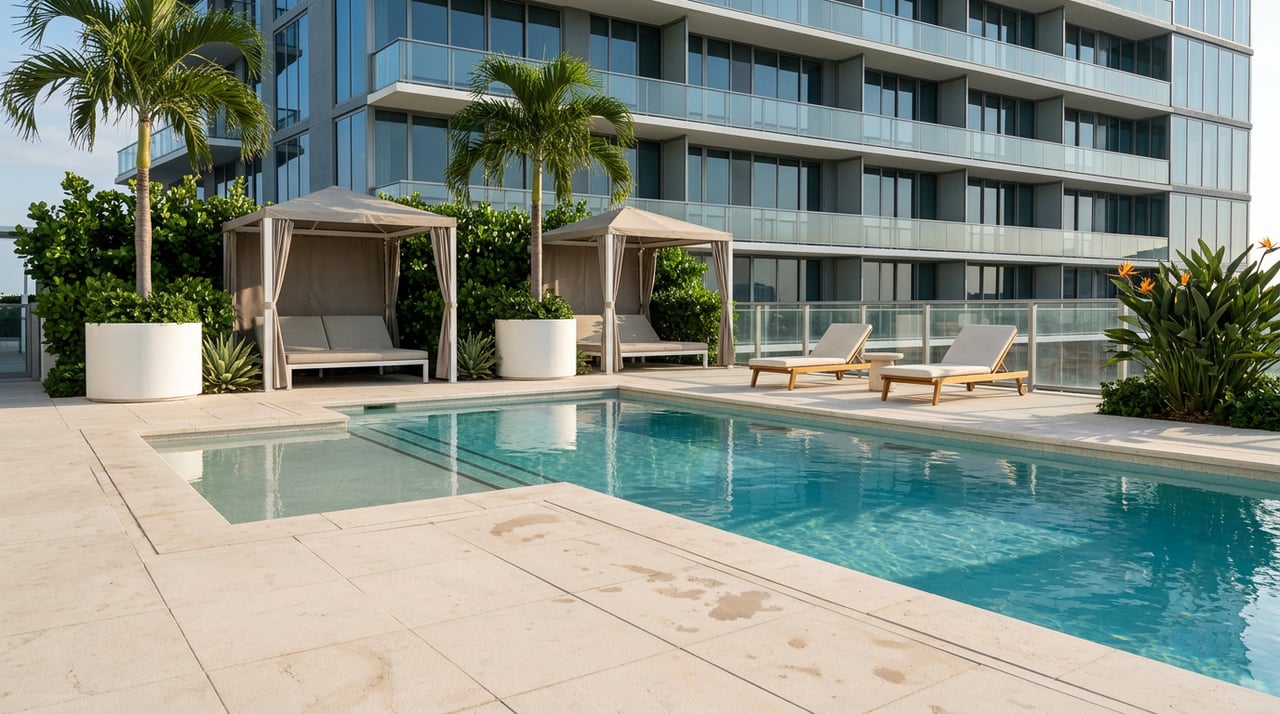
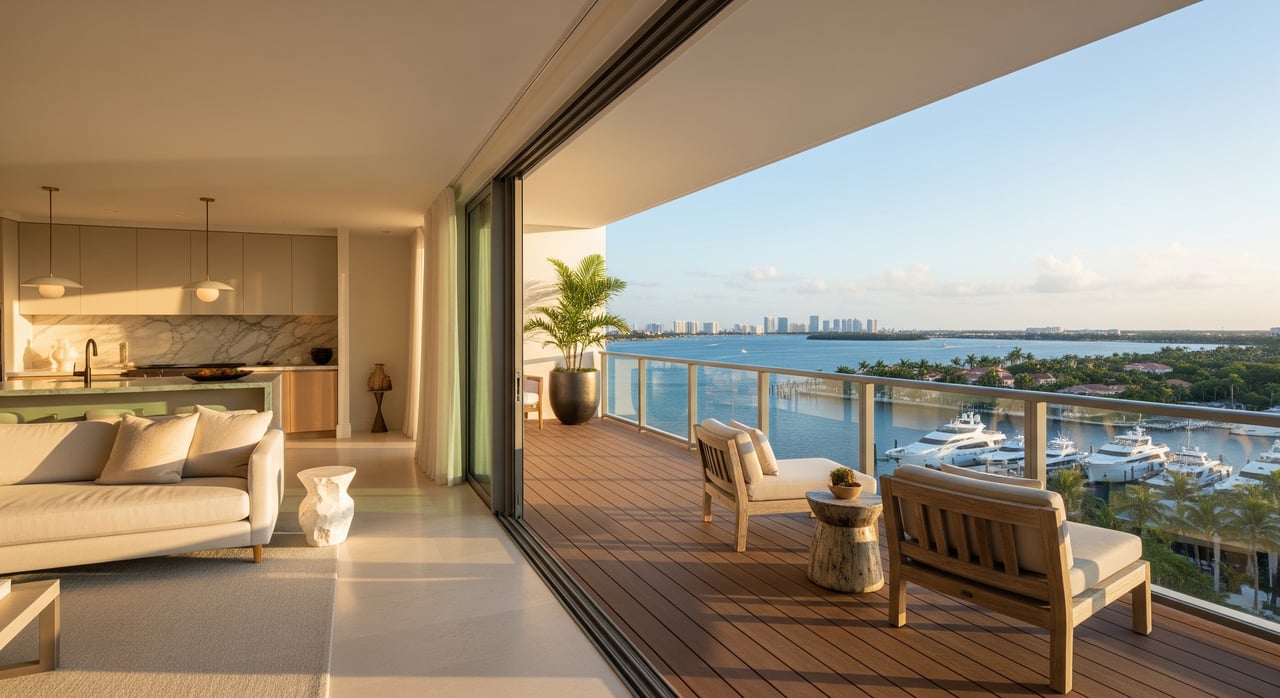
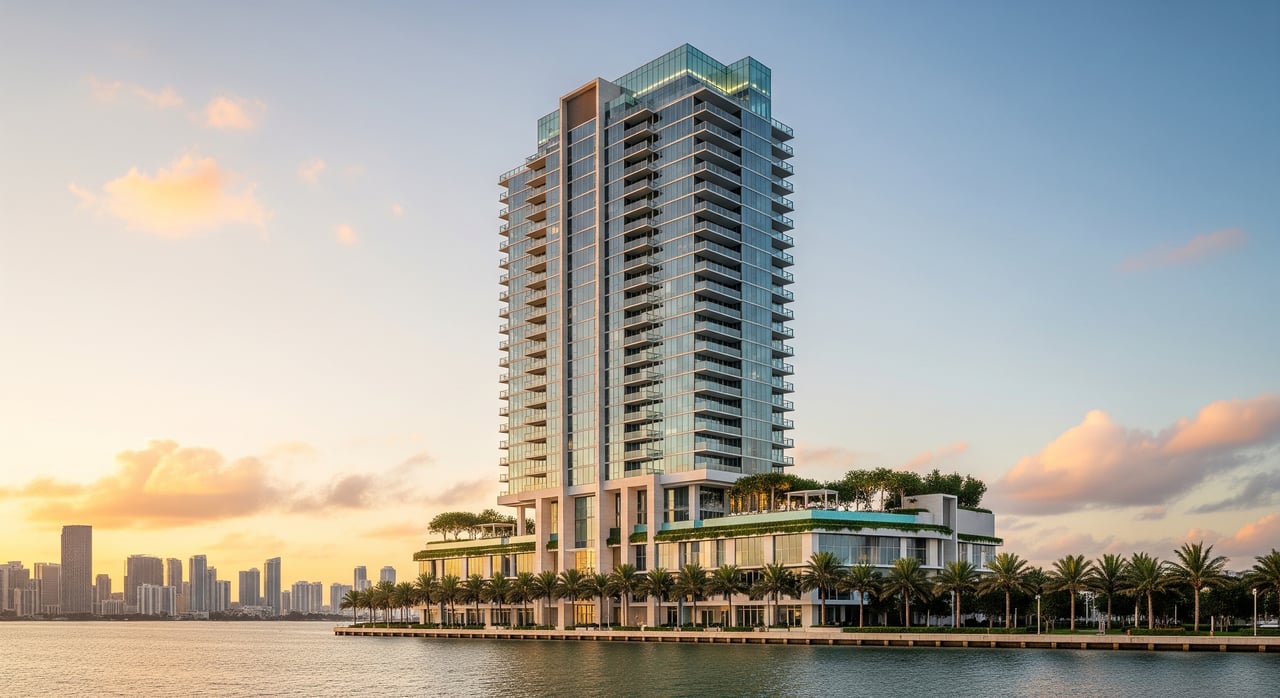
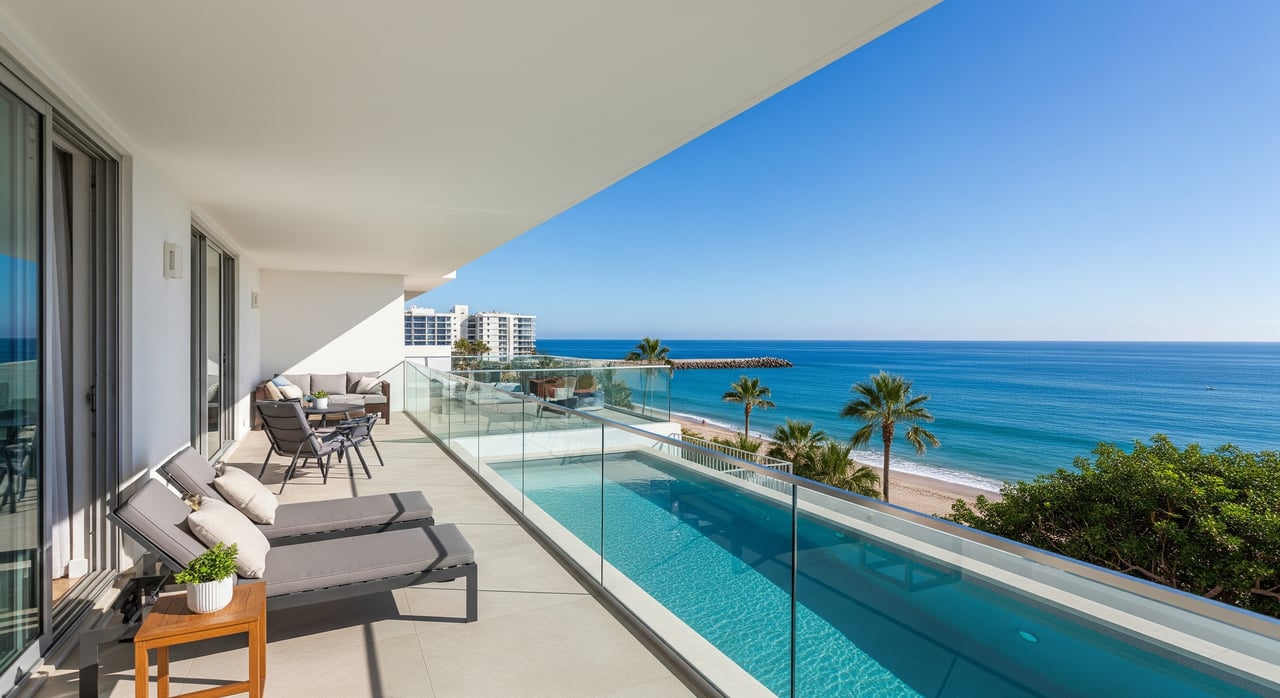
Buildings near the Broadwalk include older mid‑century low and mid‑rises, larger oceanfront towers with full services, and condo‑hotel properties tied to onsite rental programs. Towers on the sand often offer staffed front desks, valet and resort amenities. Inner‑block condos tend to be smaller, with simpler amenity packages and lower dues.
If rentals are part of your plan, verify use rules early. Condo‑hotels, full‑service towers and residential condos handle rentals very differently. Ask for the association’s rental schedule, minimum lease terms and any condo‑hotel or management agreements that affect owner use.
HOA fees and your monthly budget
Association dues vary widely by building, size and insurance needs. Expect lower fees in smaller, lightly amenitized properties and higher fees in oceanfront towers that include valet, staff and beach service. Budget for the full picture: HOA fees plus your HO‑6 condo policy, property taxes and utilities. In many buildings, dues help cover common insurance, reserves and shared utilities.
Renting your condo: rules and taxes
If you plan to rent, start with city requirements. The City of Hollywood requires a vacation‑rental registration and enforces operational rules like posting license numbers and having a 24‑hour contact. Review the city’s vacation rental license guidelines and confirm your building allows short‑term rentals.
Understand taxes on rental income. Broward County levies a 6 percent Tourist Development Tax on short‑term stays, and the State of Florida also applies transient rental taxes. Hosts must register and remit with the state and county. See Broward’s Tourist Development Tax overview for filing and remittance details.
Management fees depend on service level. Long‑term leasing managers often charge a modest monthly percentage, while full‑service vacation‑rental managers typically range around 15 to 30 percent of gross revenue, with cleaning and platform fees passed through. For a quick primer on fee models, review this summary of vacation rental management fees.
Safety, insurance and flood checks
Florida strengthened condo safety rules after 2021. Buildings three stories or taller must complete milestone inspections at set ages, then on a 10‑year cycle. Read the relevant sections of the Florida Condominium Act, Chapter 718 to understand disclosures and inspection requirements. In Broward County, you can also review the local Building Safety and Recertification program to see how timelines work.
Insurance has two layers. The association holds a master policy for the building and common areas, and you carry an HO‑6 policy for the interior, contents and liability. In recent years, Florida premiums and deductibles have shifted due to market conditions. For context on trends and carrier stability, see the Florida Office of Insurance Regulation’s insurance market report.
Flood risk is a real consideration on the barrier island. Many parcels sit in FEMA Special Flood Hazard Areas. Check flood zones and request elevation certificates where available. The city’s portal links to FEMA maps here: FEMA Flood Maps for Hollywood.
Financing a second‑home condo
Condo loans evaluate both you and the building. Lenders look at project reserves, insurance, litigation and rental concentrations. Some buildings require a full project review before a conventional loan is approved. Share your target building with your lender early and confirm program eligibility using Fannie Mae’s project review guidance.
Lock‑and‑leave checklist
For a smooth second‑home experience, confirm these items during due diligence:
- Onsite staffing hours, 24/7 emergency contacts and access control.
- Parking rights and whether a storage locker is included with the unit.
- Package and delivery procedures when you are away.
- Whether remote check‑in and smart locks are allowed for guest access.
- Rules on cleaning vendors, minor repairs and in‑unit maintenance when you are not present.
- Any approved partnerships for concierge or rental management.
Buyer documents to request
Ask the seller and association for these items before you make an offer:
- Current budget and last fiscal year financials.
- Resale certificate or estoppel statement as outlined in the Florida Condominium Act.
- Latest reserve study and any milestone or structural integrity reports, plus filing dates. You can learn about local timelines via Broward’s recertification program.
- Association master insurance declarations and HO‑6 requirements, including hurricane or wind deductibles. For context on market conditions, see the Florida OIR report.
- Board meeting minutes for the last 12 months, plus a list of past or pending special assessments and any loans.
- Any active litigation summary and disclosures required under Chapter 718.
- Bylaws, declaration, and rental rules, including any condo‑hotel or program agreements that affect owner rentals.
- Confirmation of city vacation‑rental registration requirements if you plan to rent, using the city’s license guidelines.
Eight key questions to ask
- Does the association permit short‑term rentals, and what are the minimum lease terms and frequency limits?
- Has the building completed its milestone or recertification inspection, and are any repairs or assessments planned?
- Are there pending special assessments or association loans, and how will they be paid?
- What exactly does the master insurance policy cover, and what is the hurricane or wind deductible that could be assessed to owners?
- Is the project eligible for the loan program I plan to use, or will it require a full project review with my lender?
- What are the average monthly HOA fees and which services do they include, such as internet, cable or reserves?
- If I plan to rent, is there an in‑house program, and what are the management fees or splits for owner‑booked stays?
- For lock‑and‑leave convenience, who is the 24/7 contact for emergencies, and how are remote maintenance requests handled?
When to buy and market timing
Inventory and pricing shift through the year. You may see more options outside peak winter months, while in‑season units can command faster activity. If rentals matter, align your closing and setup so you are listed before high‑demand periods. Build a cushion in your first‑year budget for furnishings, initial repairs and association deposits.
Work with a trusted local advisor
A successful Broadwalk purchase blends lifestyle and careful due diligence. You want clear guidance on building health, insurance, rental rules and long‑term risks, plus a team that can help you set up and manage the asset. If you would like bilingual, concierge‑level support across selection, negotiation, cross‑border coordination and property or rental management, connect with The Ana Vega Group. We help you protect your time and make confident moves in South Florida’s condo market.
FAQs
What is the Hollywood Beach Broadwalk and why does it matter for owners?
- It is a 2.5‑mile oceanfront promenade with dining and entertainment that drives year‑round foot traffic and seasonal rental demand for nearby condos.
How do short‑term rental rules work in the City of Hollywood?
- You must register your unit and follow operational rules; always verify your condo’s rental policy and review the city’s vacation rental license requirements.
What condo safety inspections should I ask about in Broward County?
- Confirm milestone or recertification inspection status and any follow‑up work; review local timelines via Broward’s safety inspection program.
Do I need flood insurance for a condo near the Broadwalk?
- Many buildings are in FEMA flood zones; check your parcel’s zone on the city’s FEMA Flood Maps and confirm insurance requirements with your lender and association.
What insurance policies cover a condo in Florida?
- The association holds a master policy for common elements, and you carry an HO‑6 policy for interiors, contents and liability; ask about the association’s wind deductible and loss‑assessment coverage.
How do lenders evaluate a Hollywood Beach condo for a second‑home loan?
- Lenders review the project’s reserves, insurance and litigation; some buildings need a full project review under Fannie Mae’s guidance.