Buying a condo in Brickell from abroad can feel exciting and complex at the same time. You want a sleek tower with strong amenities and an easy path to close, but you also need clarity on taxes, financing, and building rules. In this guide, you’ll learn the exact steps to move from shortlisting towers to a successful closing, plus the key legal and lending items that trip up many cross‑border deals. Let’s dive in.
Why Brickell draws international buyers
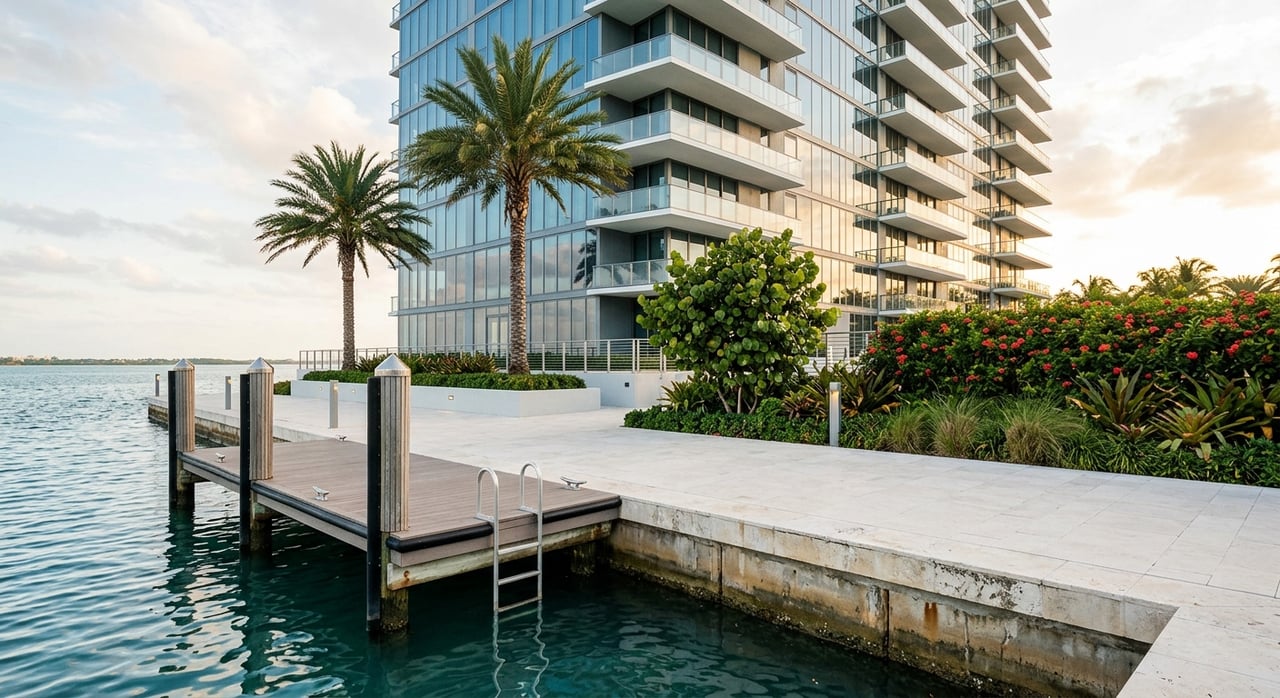
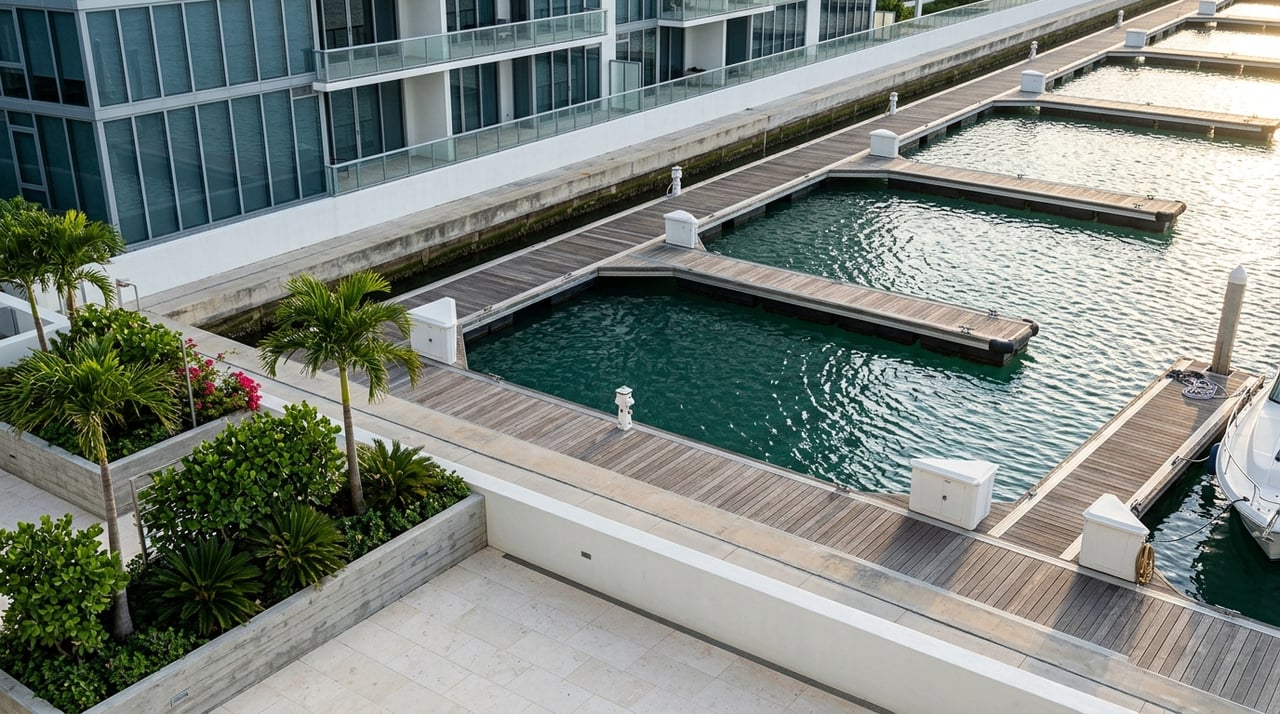
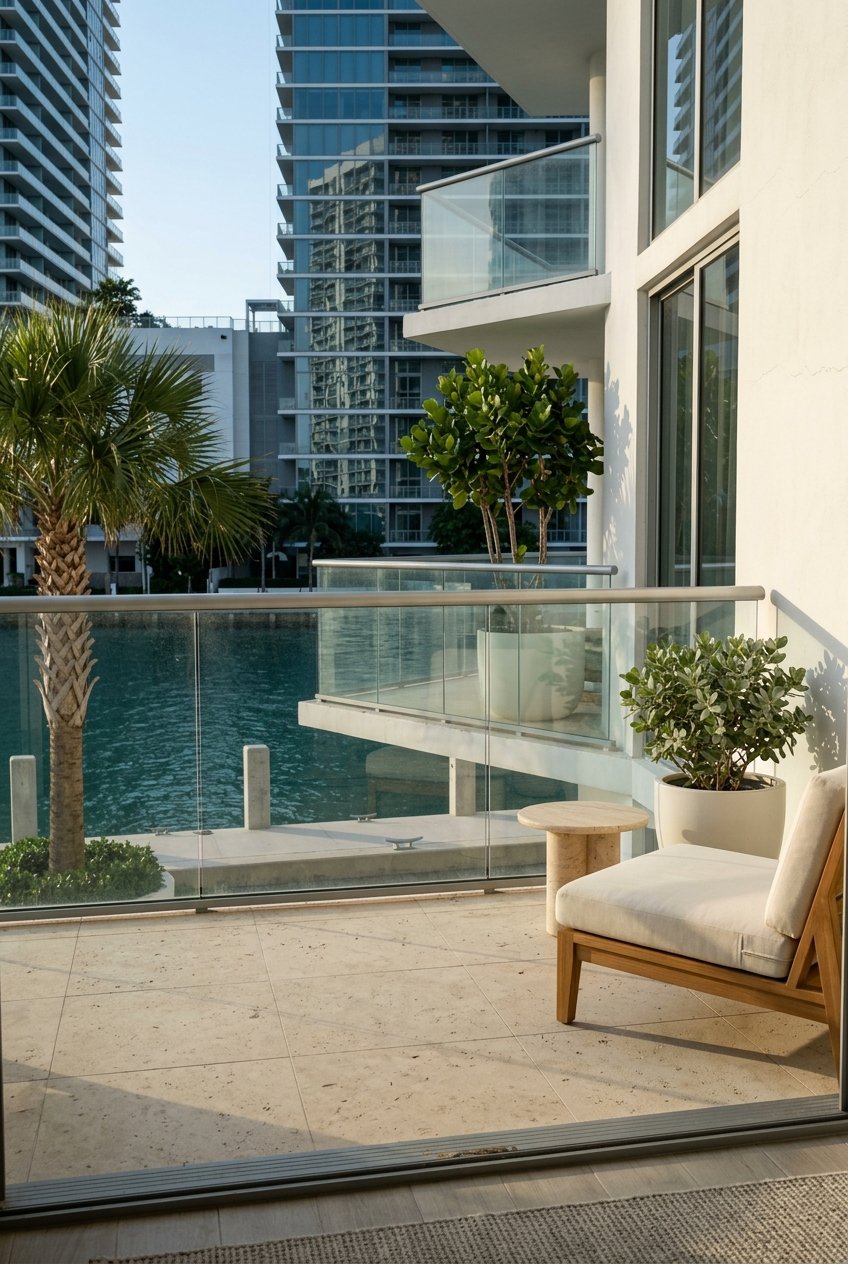
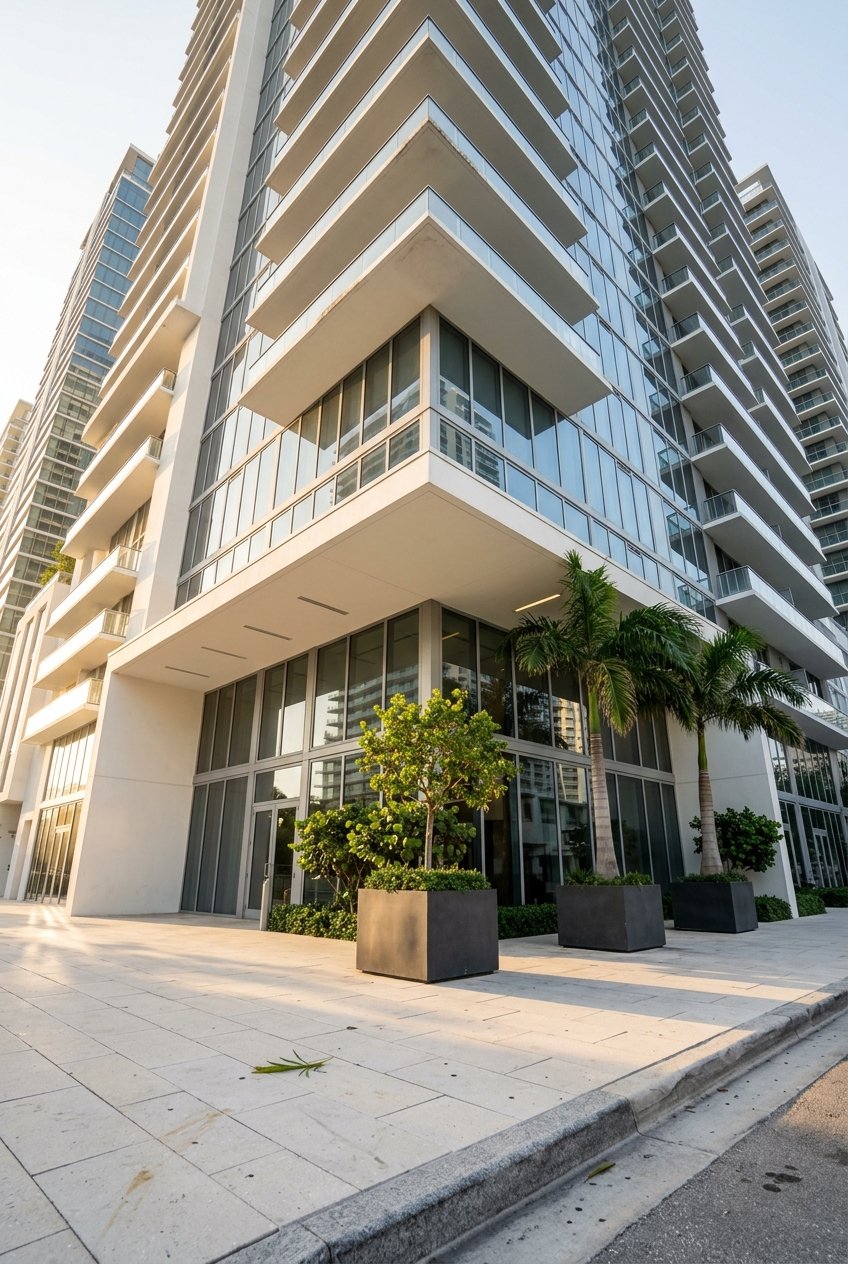
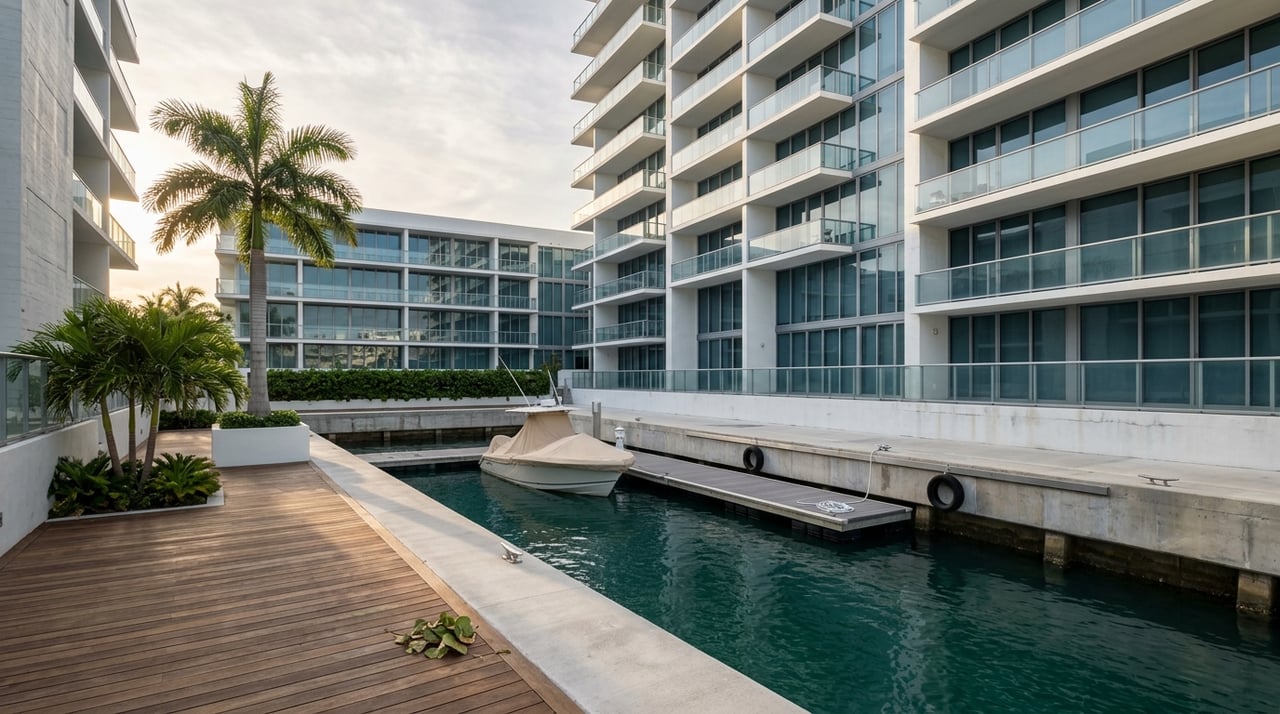
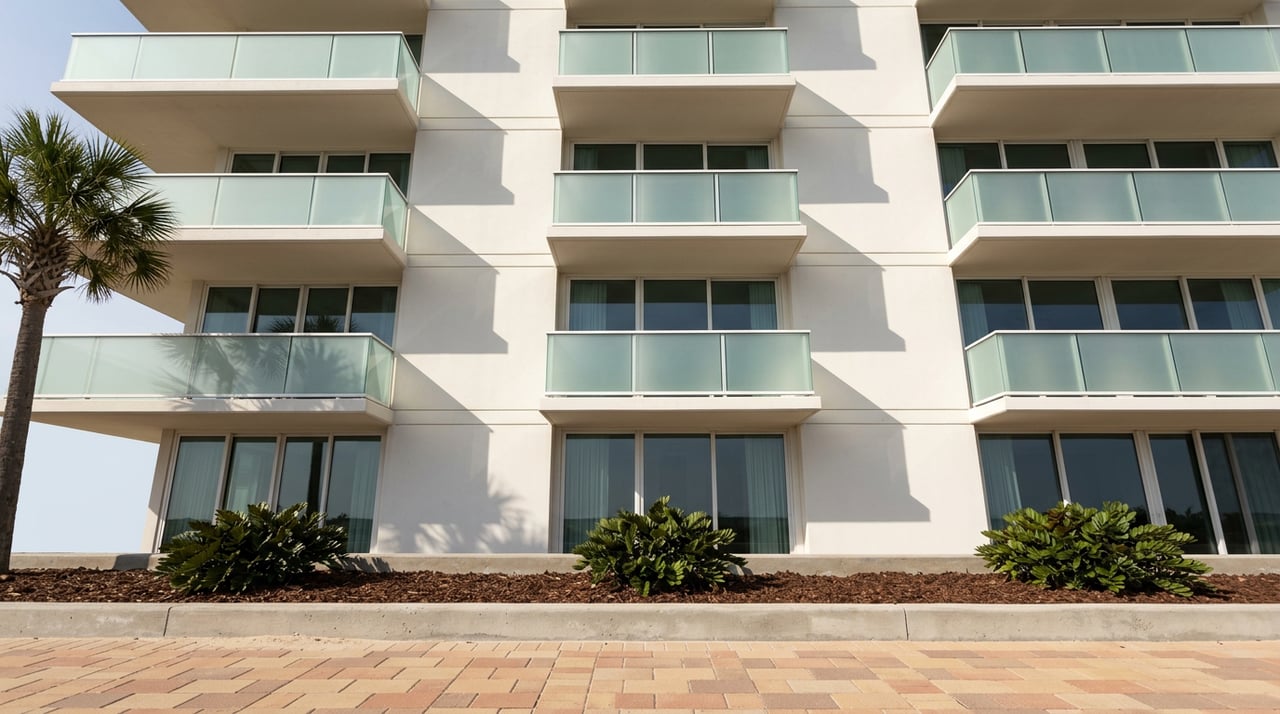
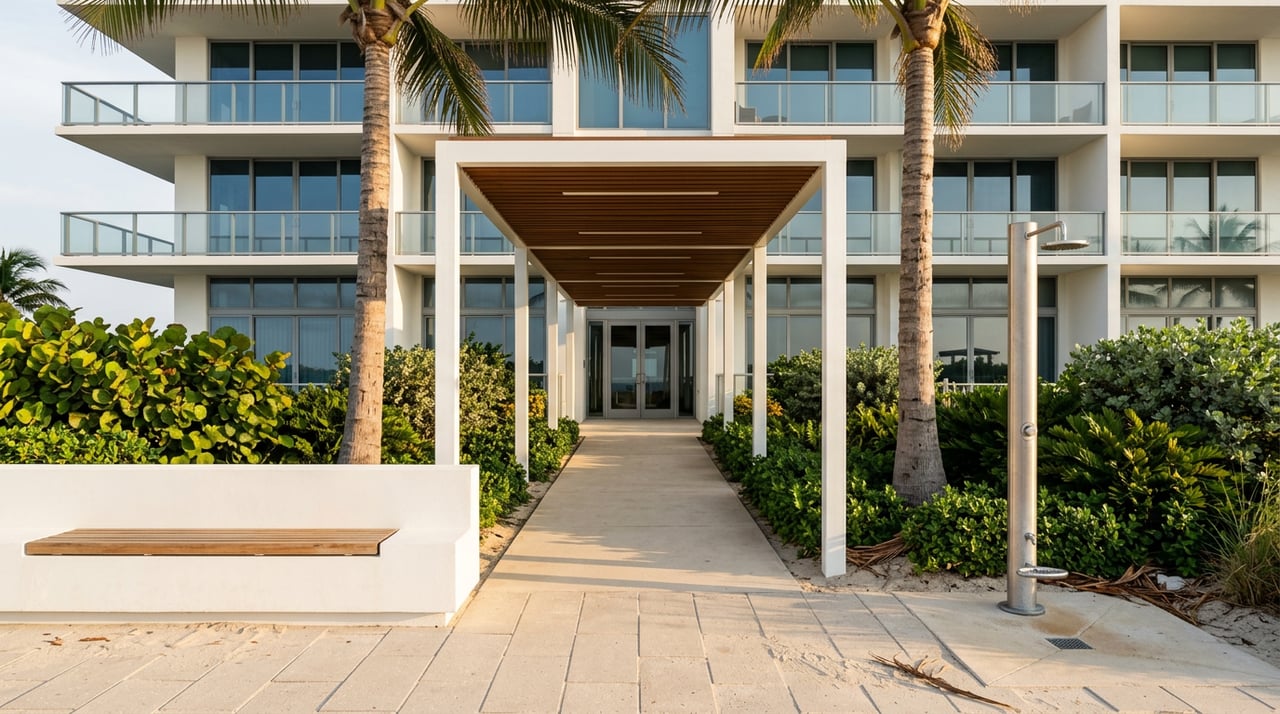
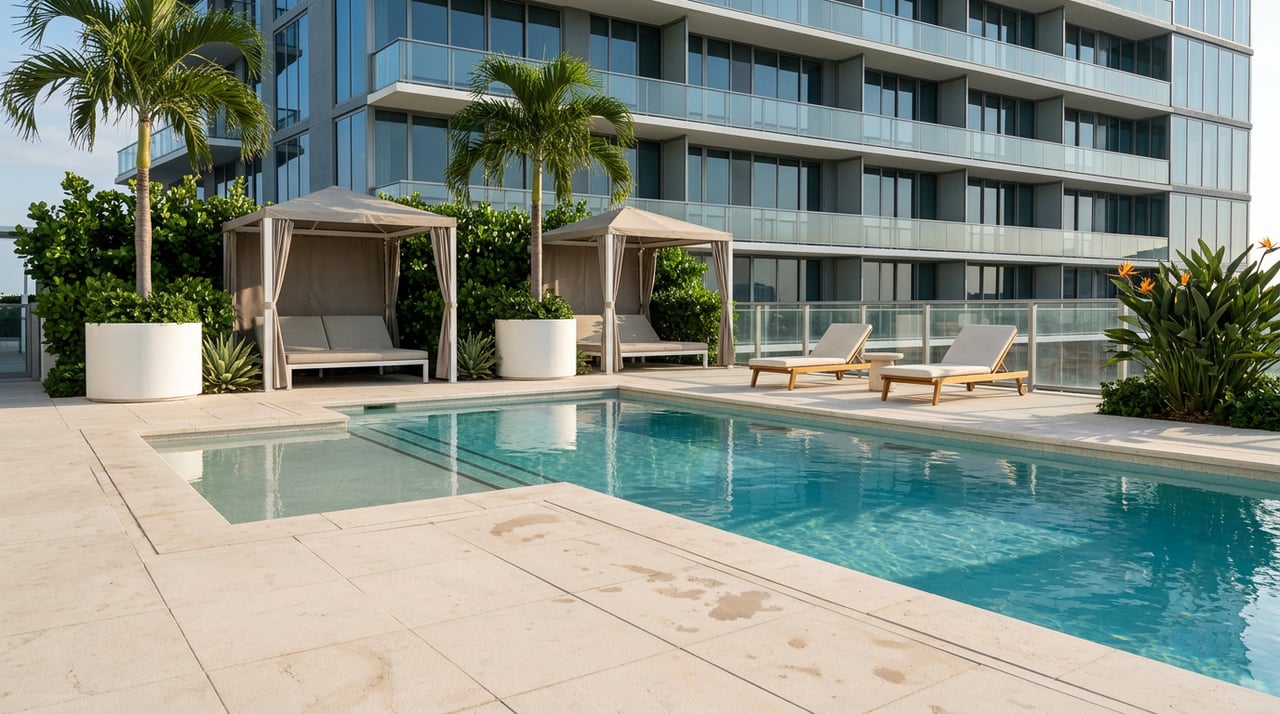
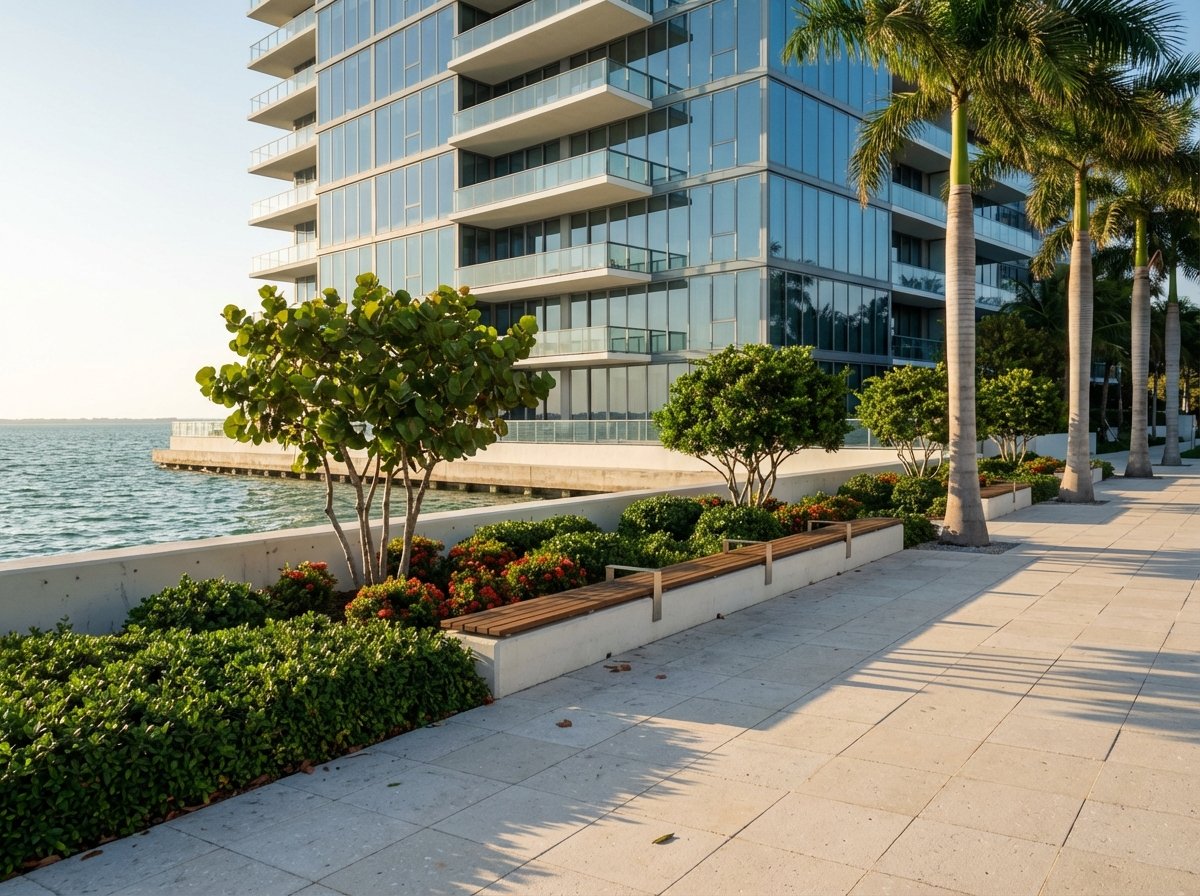
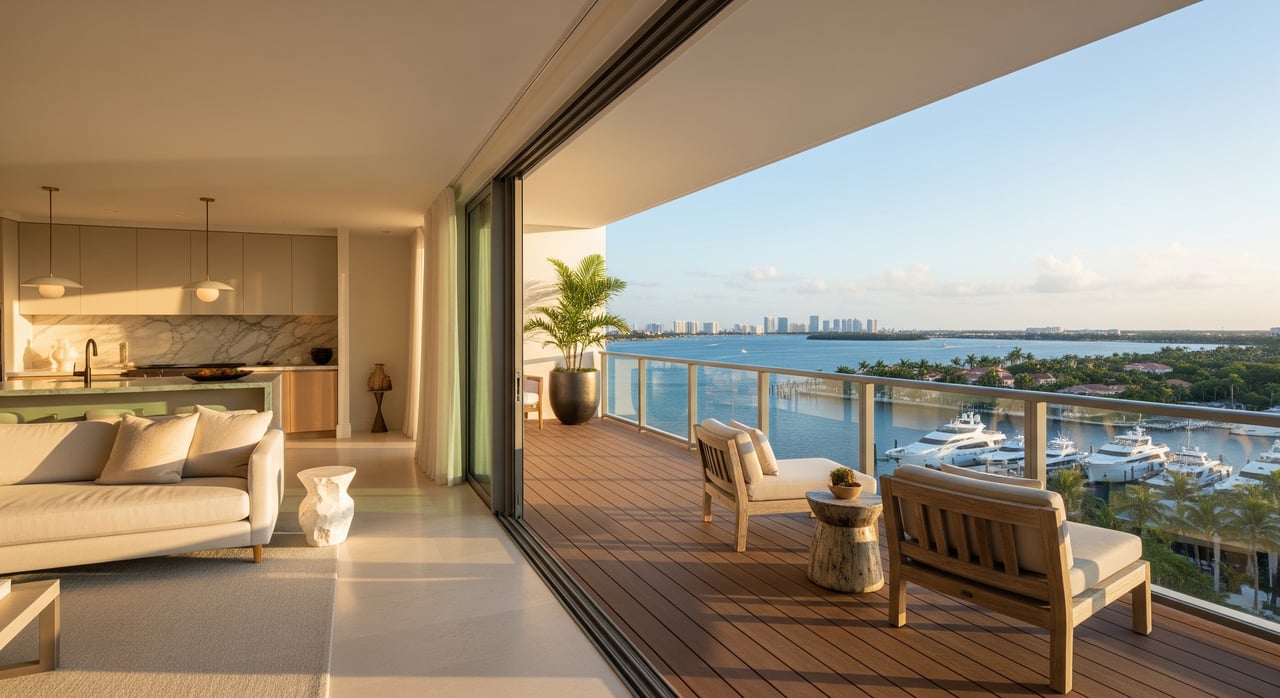
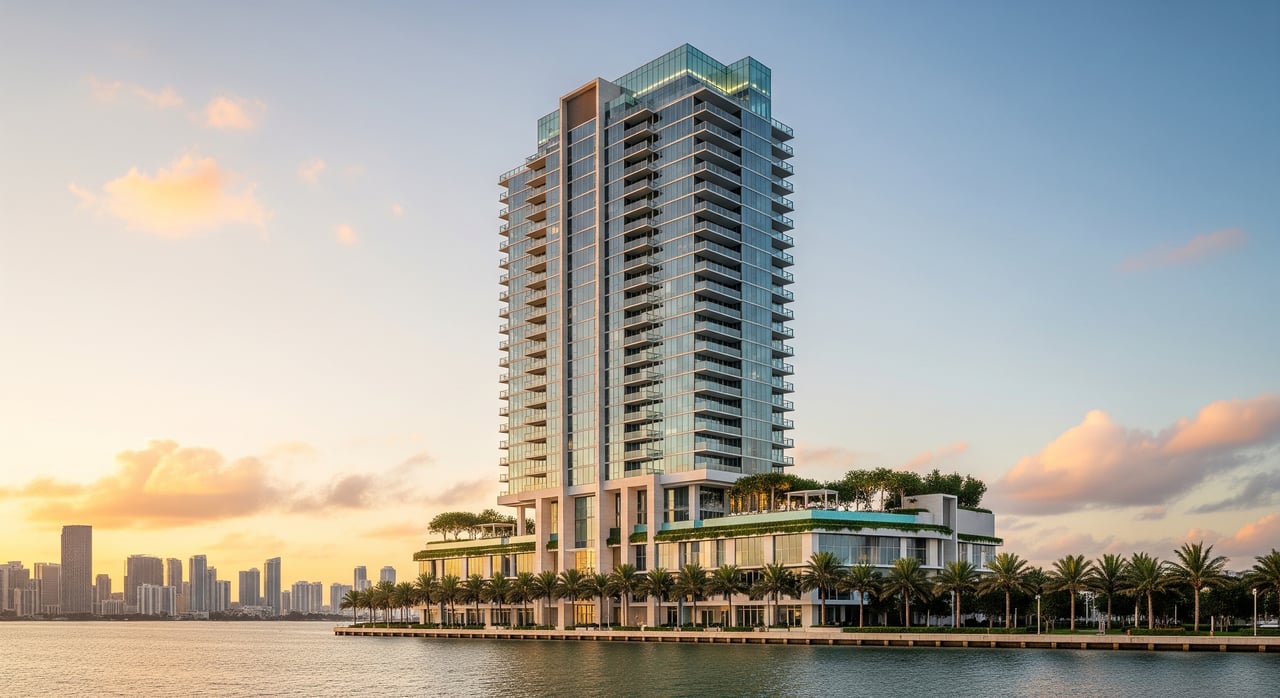
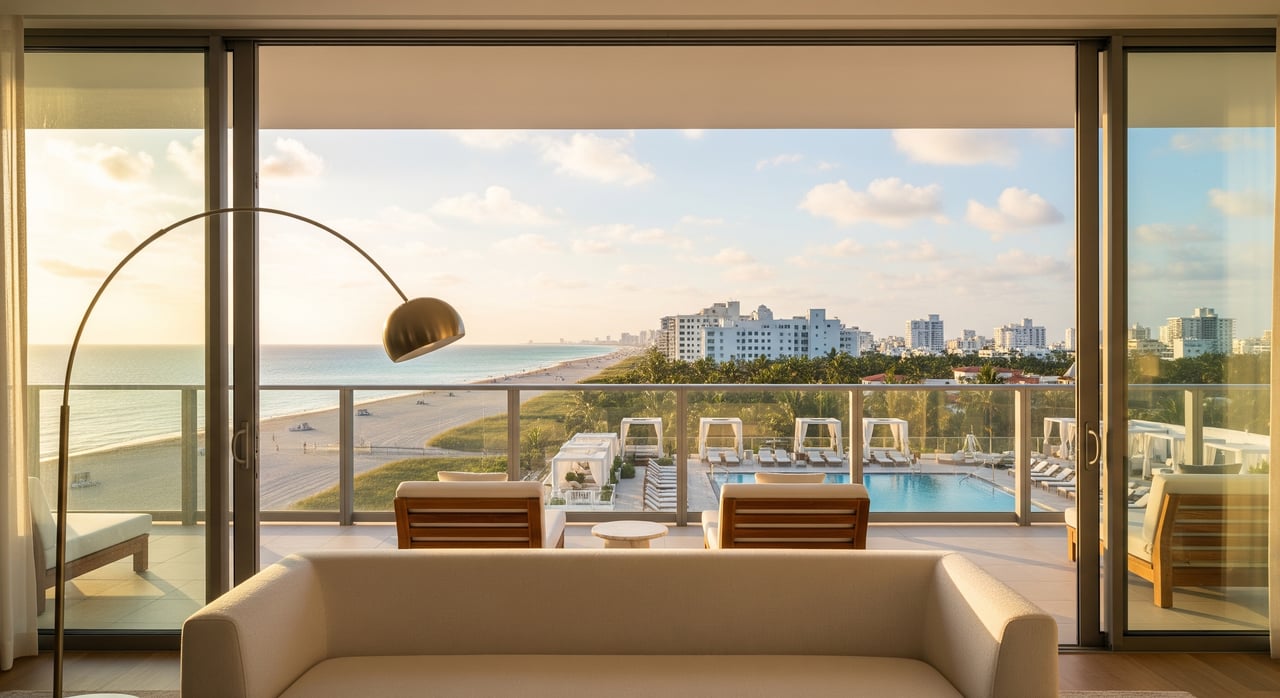
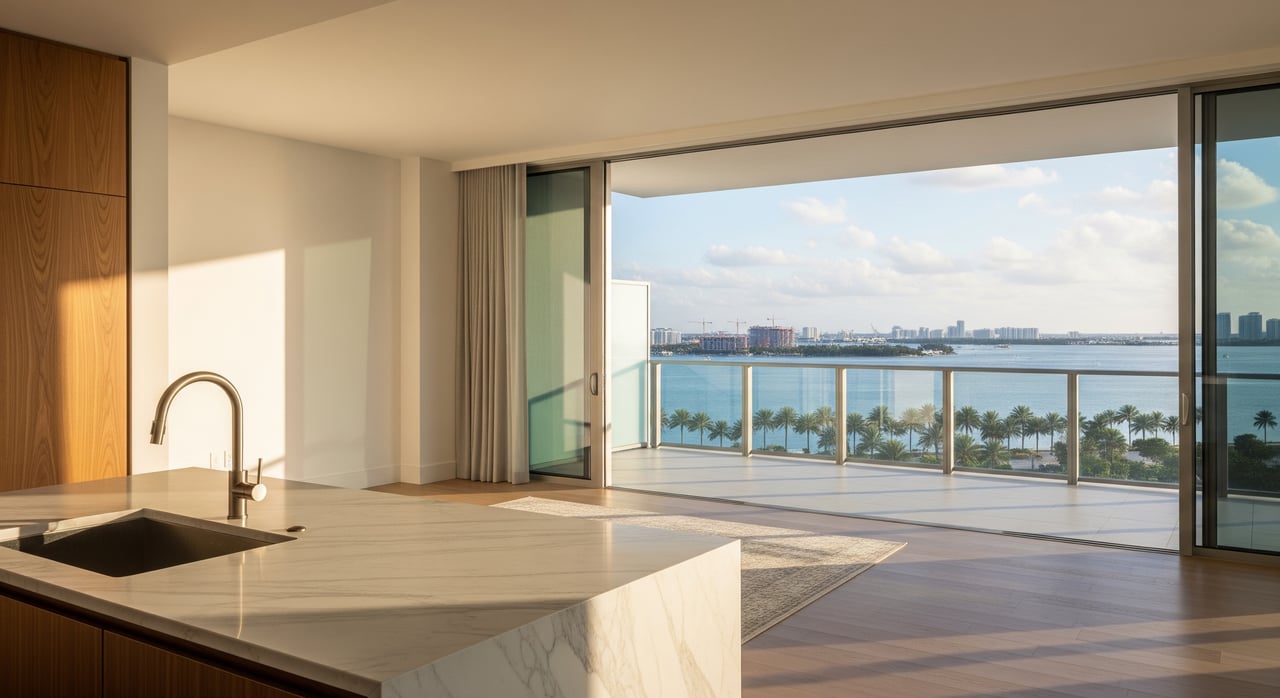
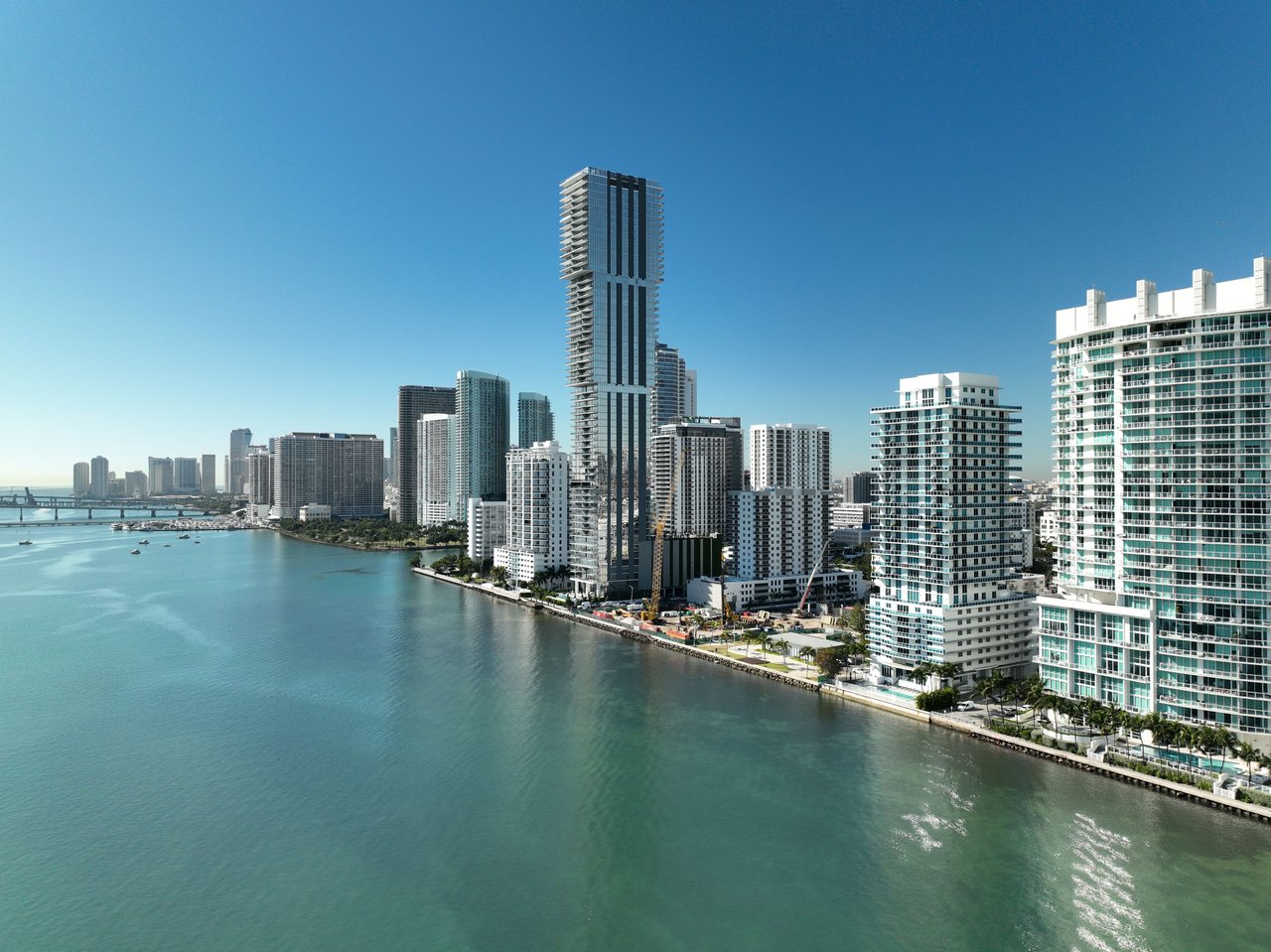
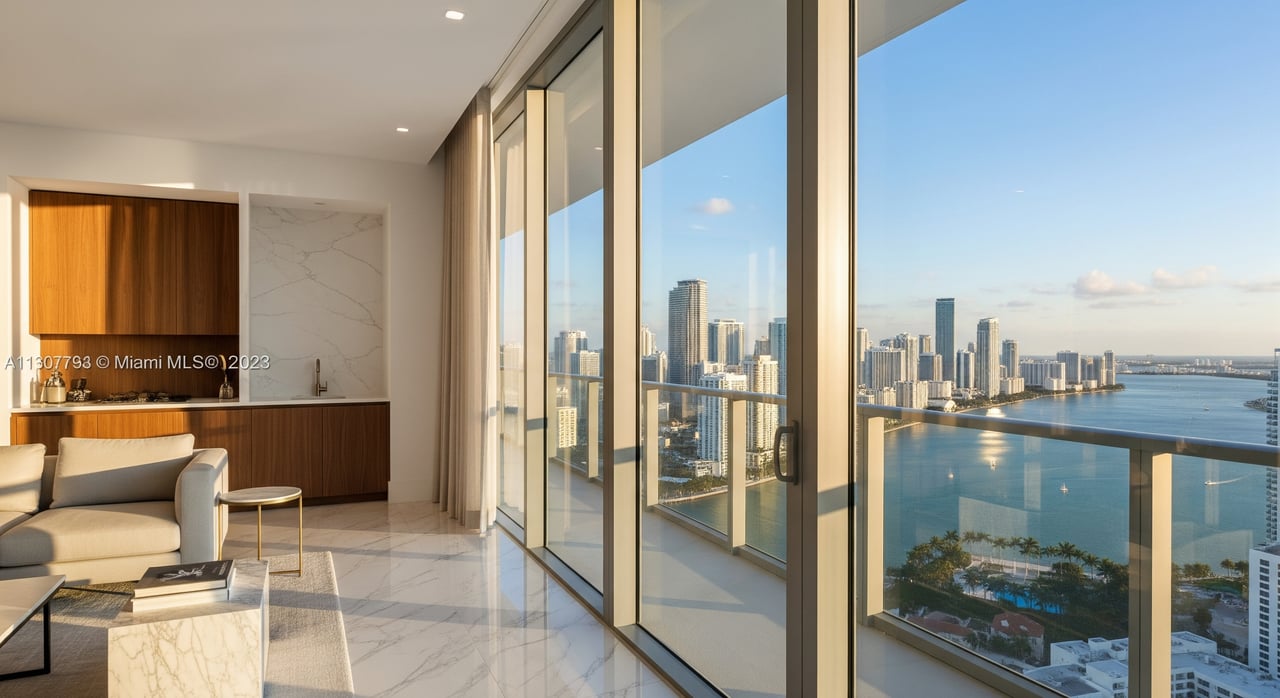
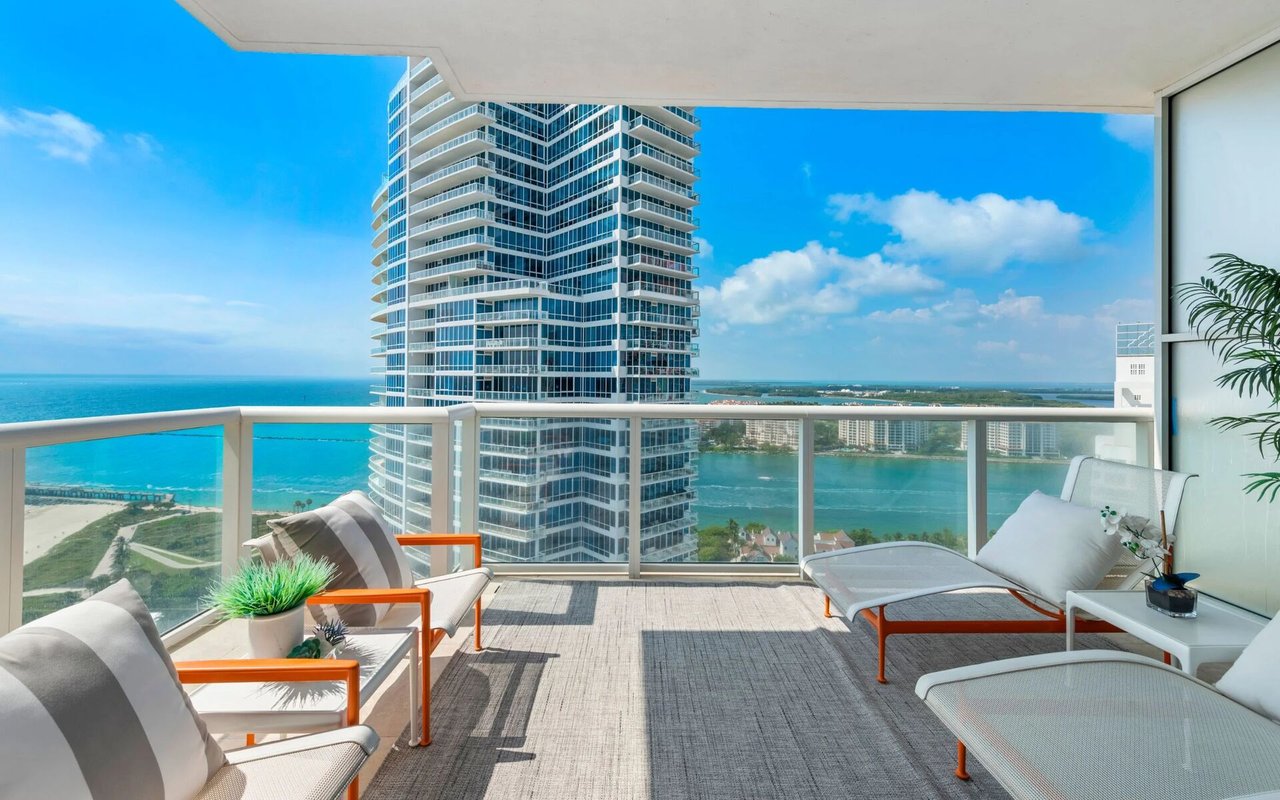
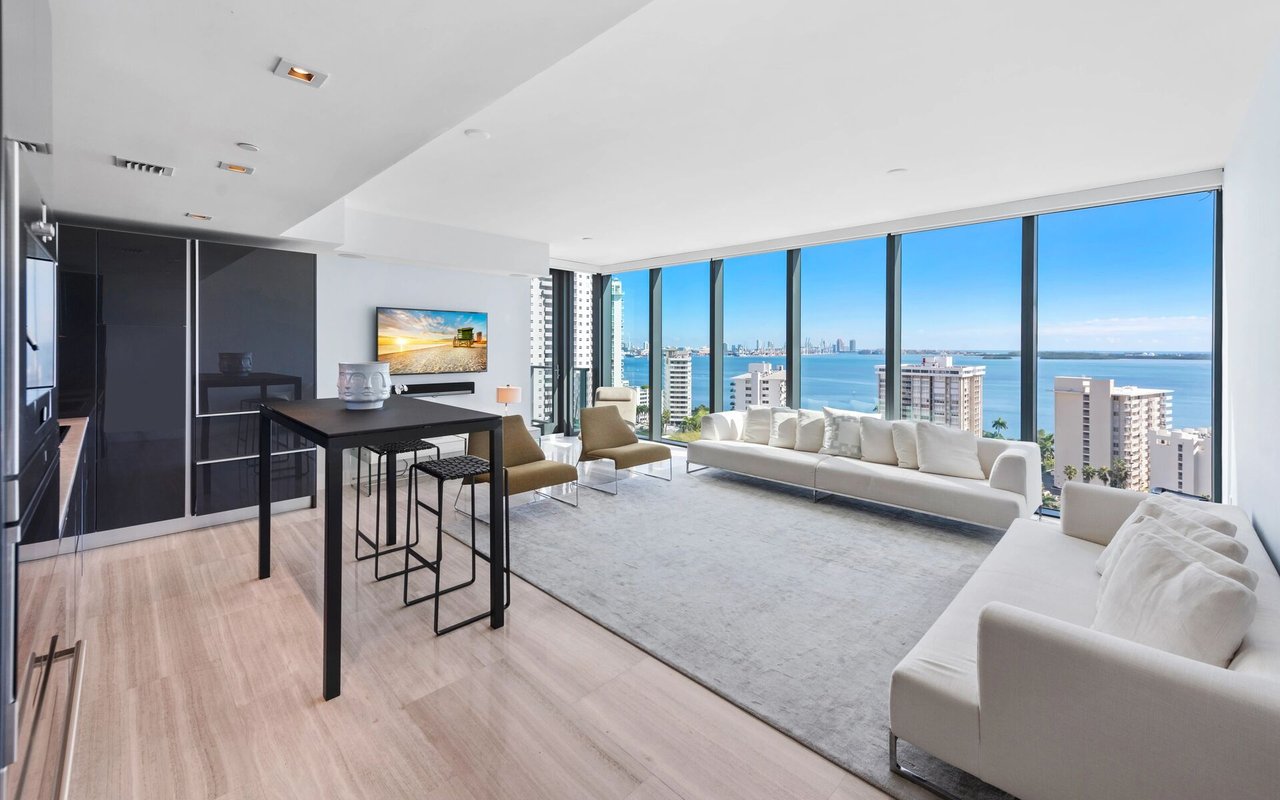
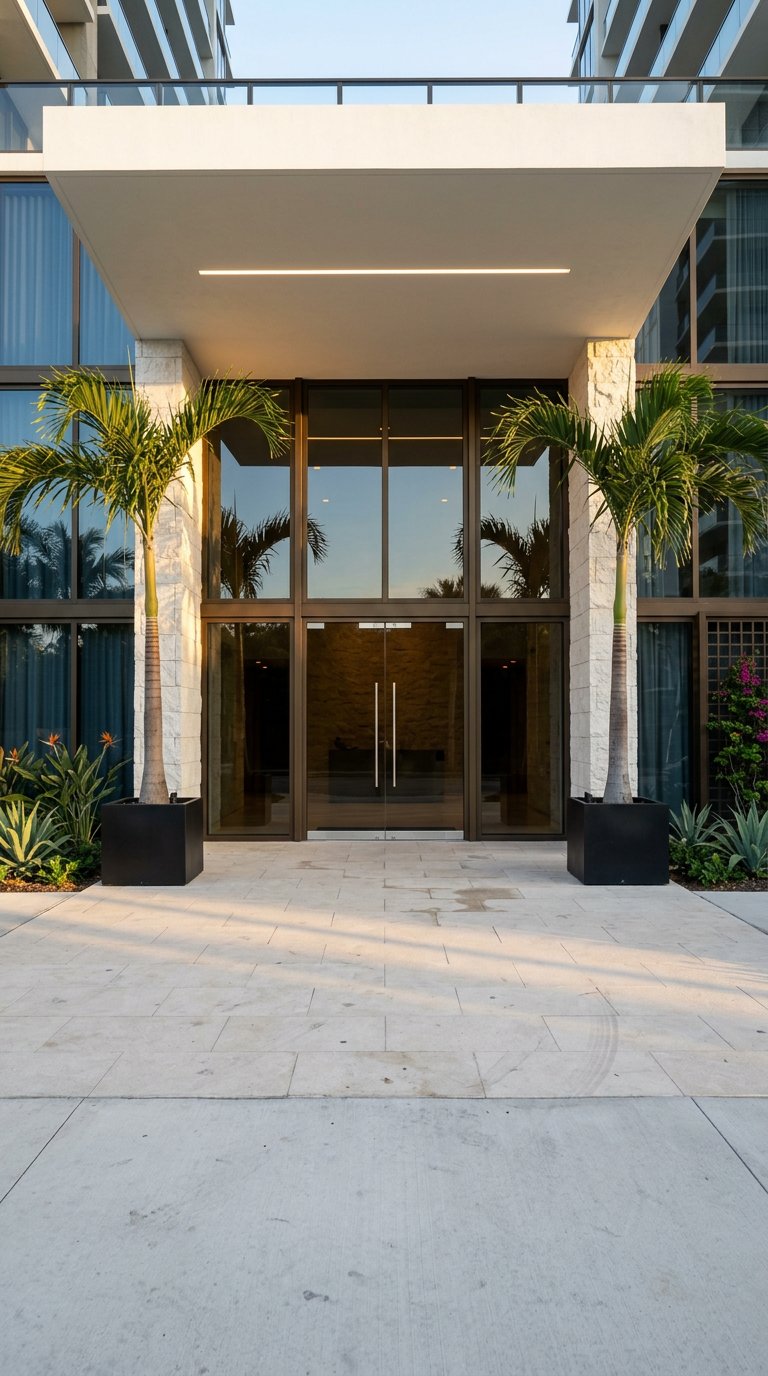
Brickell is Miami’s urban core and a global address for high‑rise living. New branded towers, full‑service amenities, and a walkable lifestyle near business and dining create strong appeal for second‑home and investor buyers.
South Florida consistently attracts a large share of international purchasers. According to a recent local report, the region’s foreign‑buyer share is several times the national figure, showing deep cross‑border demand across Miami’s condo markets. You can see this trend in the area’s international buyer data from MIAMI REALTORS.
Market context for your strategy: Brickell has a deep buyer pool and an active pipeline of new construction. Inventory can run elevated at times, which may influence negotiation leverage and makes building‑level diligence even more important.
Step 1: Set goals, budget, and timeline
Start with how you plan to use the condo. Will it be a pied‑à‑terre, a part‑time residence with occasional renting, or a pure investment? Your use case guides the right tower, rental policies to target, and the financing lane you will need.
Build a realistic timeline. Cash purchases can close faster. Financed purchases often take 30 to 60 days once you go under contract. Foreign‑national lenders may need extra time for document verification and translations.
Set your total budget beyond price. Include closing costs, association fees, insurance, reserves for repairs, and property management if you plan to rent.
Step 2: Choose your financing path
Many foreign buyers in Brickell purchase with cash. If you prefer financing, it is available through foreign‑national mortgage programs. Expect larger down payments and stronger proof of funds than a typical U.S. borrower. Some lenders use DSCR or asset‑based programs that focus on the property’s income rather than your personal income.
Check condo “warrantability” early. A building’s eligibility with Fannie Mae or other agencies affects your loan options. Projects with ongoing litigation, low reserves, high investor concentration, or hotel‑like operations can be labeled non‑warrantable. That can push you to portfolio lenders or cash. Ask your lender to review the project using tools such as Fannie Mae’s Condo Project Manager as part of pre‑offer planning.
Step 3: Decide how to hold title
You can buy in your personal name or through an entity such as a U.S. LLC. Many foreign buyers use entities for privacy, liability, or estate planning. Be aware that federal transparency rules are increasing. FinCEN’s Residential Real Estate reporting rule will require reporting of beneficial owners for many non‑financed transfers to entities beginning March 1, 2026. Title companies already collect owner details in many cash deals. Review the latest guidance from FinCEN with your advisors.
Estate planning matters. Nonresident, noncitizen owners can face U.S. estate tax on U.S. real estate with a low filing threshold relative to citizens. Learn the basics and plan ahead with counsel using the IRS overview on estate tax for nonresidents.
Step 4: Understand key taxes and routine costs
Buying in Florida does not require you to be a U.S. citizen. Ownership also does not create any immigration or residency status.
If you rent the condo, U.S. tax applies to your rental income. Nonresident owners can be subject to flat‑rate withholding by default, but you can often elect to treat rental income as effectively connected to a U.S. trade or business so you can deduct expenses and be taxed on net income. Review options in IRS Publication 519 and speak with a U.S. tax advisor before you list the unit for rent.
You may need an ITIN. Foreign individuals often require an IRS Individual Taxpayer Identification Number to file U.S. returns or receive refunds. See how to apply for an ITIN and plan timing with your advisor.
Know your closing taxes. Florida charges documentary stamp tax on deeds and, if you take a mortgage, doc stamps on the note plus a non‑recurring intangible tax on the mortgage. In Miami‑Dade, the base deed rate is typically 0.60 dollars per 100 dollars of value. A 0.45 dollars per 100 dollars surtax applies to many property types, and title will calculate the exact amount for your deal. Review current rates at the Florida Department of Revenue’s page on documentary stamp tax.
Plan for HOA and insurance. Review monthly association fees, escrow requirements, and master insurance deductibles. Get early quotes for your HO‑6 and, if required, flood coverage. Brickell has low‑lying areas, so flood mapping and storm‑related deductibles matter for long‑term costs.
Understand FIRPTA at the offer stage. If you buy from a foreign seller, U.S. tax law generally requires the buyer to withhold and remit tax under FIRPTA. The statutory withholding is commonly 10 percent or 15 percent of the amount realized unless an exception or reduced withholding applies. Buyers can be held liable for failure to withhold. Confirm the seller’s tax status early and see background in the IRS guide on FIRPTA withholding.
Step 5: Do building‑level due diligence
Request the full condo packet early. Ask for the resale certificate and condo documents, the most recent budget, reserve study, insurance declarations, 12 to 24 months of association minutes, pending litigation history, rental policy, and any engineering or repair reports. Florida’s Condominium Act sets minimum disclosure requirements and buyer rescission windows for resales. You can review the key disclosure rule in Florida Statutes 718.503.
Scan for red flags that can limit lending or increase costs:
- Pending construction or insurance litigation
- Low reserves or large planned capital projects and special assessments
- High investor or short‑term rental share
- Inadequate master insurance or high wind deductibles
- Any condotel or hotel‑like rental pooling
If you spot these items, be ready for higher down payments, narrower lender choices, or a cash‑only path. Ask your lender how these factors affect project eligibility and your interest rate.
Step 6: Navigate closing logistics
Typical timelines: cash deals can move quickly, while financed transactions often close in 30 to 60 days once under contract. Lender underwriting, condo questionnaires, estoppels, and any translation needs can add time.
Remote signing is possible. Florida permits electronic and remote online notarization in many cases. Foreign buyers often sign using a passport with certified translations, an apostilled power of attorney if they are not traveling, or they sign at a U.S. consulate. Confirm the title company’s requirements early. A local legal checklist on Miami closings and remote notarization is available from a Florida real estate law resource.
Protect your funds. Wire‑fraud scams target real‑estate closings. Only use wiring details you have verified by phone with a known number for the title company. Expect robust source‑of‑funds checks, especially for all‑cash transactions or entity purchases. For non‑financed transfers to entities, be ready to provide beneficial‑owner information given federal reporting rules noted above and title industry practices.
Quick checklists for foreign buyers in Brickell
Before you make an offer
- Confirm cash vs. foreign‑national mortgage and expected down payment.
- Ask for the HOA packet and estoppel, and set timelines to receive them. Florida’s condo disclosure rules are in Statute 718.503.
- Run an early insurance review, including flood exposure and wind deductibles.
- Ask your lender to check project eligibility using Fannie Mae’s Condo Project Manager.
During due diligence
- Review the budget, reserve study, minutes, insurance declarations, rental rules, litigation, and any special assessments under discussion.
- Get quotes for HO‑6 and flood coverage to confirm carrying costs.
- If financing, confirm condo questionnaire turnaround and whether the project is agency‑eligible.
At closing
- Verify wiring instructions by phone. Bring your passport and, if needed, ITIN; or confirm the title company will accept your POA and apostille. See a local closing checklist.
- If buying through an entity without financing, expect beneficial‑owner disclosures under applicable federal rules beginning in 2026.
- Review your settlement statement for taxes and fees. Include deed doc stamps, and if you have a mortgage, note doc stamps on the note plus the non‑recurring intangible tax. Check current rates at the Florida Department of Revenue.
Final thoughts and next steps
A smooth Brickell purchase comes down to preparation. Decide your financing lane early, gather the building packet before you write, confirm project eligibility, and get ahead of insurance and tax items like FIRPTA, ITIN, and ownership structure. With the right local team, you can reduce surprises and move confidently to closing.
If you want a concierge path from discovery to setup, including bilingual guidance, coordination with tax and legal advisors, and post‑closing property or rental management, connect with The Ana Vega Group. We will help you shortlist the right towers, structure your purchase, and navigate closing with clarity.
FAQs
Can foreign nationals finance a Brickell condo?
- Yes, but programs are narrower than for U.S. residents, often with larger down payments, higher reserves, and a focus on project eligibility; check the building’s warrantability with your lender early.
Does buying a Brickell condo in an LLC keep my name private?
- An LLC can offer privacy and planning benefits, but title companies often collect beneficial‑owner details, and federal reporting for many non‑financed entity transfers begins March 1, 2026.
Will owning a Brickell condo help me get a U.S. visa?
- No, real estate ownership alone does not provide immigration status; speak with an immigration attorney if a visa is part of your goals.
How long does closing take for a foreign buyer in Brickell?
- Cash closings can be fast, while financed purchases commonly run 30 to 60 days due to underwriting, condo reviews, and document verification.
What taxes should an international buyer know when purchasing in Miami‑Dade?
- Budget for Florida deed documentary stamp tax, and if you finance, doc stamps on the note plus intangible tax; plan for rental income taxation, possible ITIN needs, and FIRPTA if your seller is a foreign person.