If you live out of state or overseas, buying a waterfront condo in North Palm Beach can feel simple on the surface and complicated underneath. You may be drawn to the boating lifestyle, the coastal setting, and the convenience of condo ownership, but remote ownership works best when you understand how the building operates long before closing. This guide walks you through the key issues to review so you can protect your time, budget, and peace of mind. Let’s dive in.
Why North Palm Beach Appeals
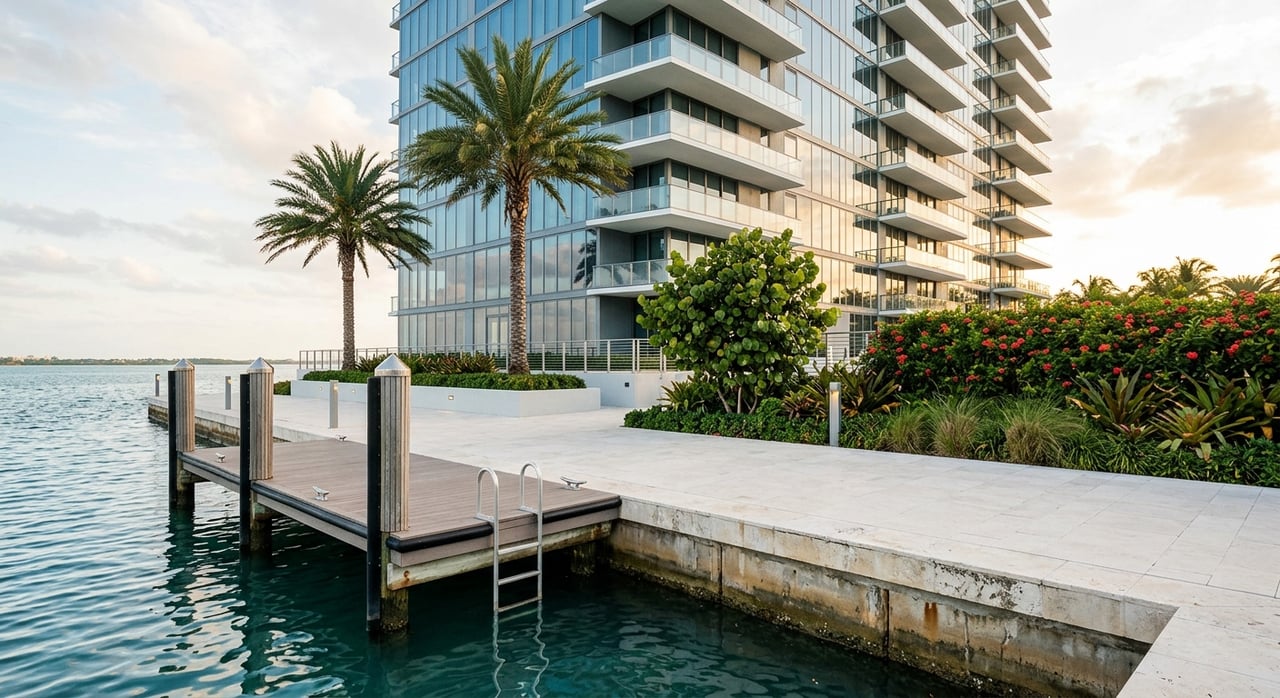
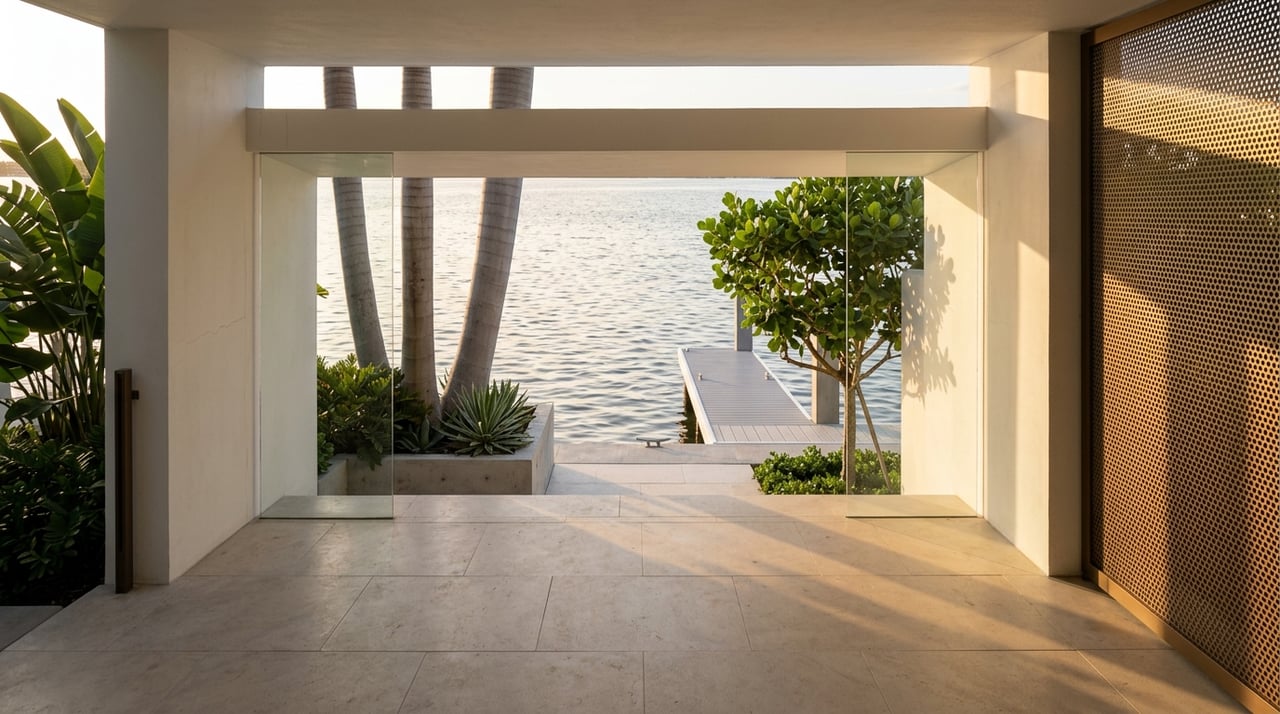
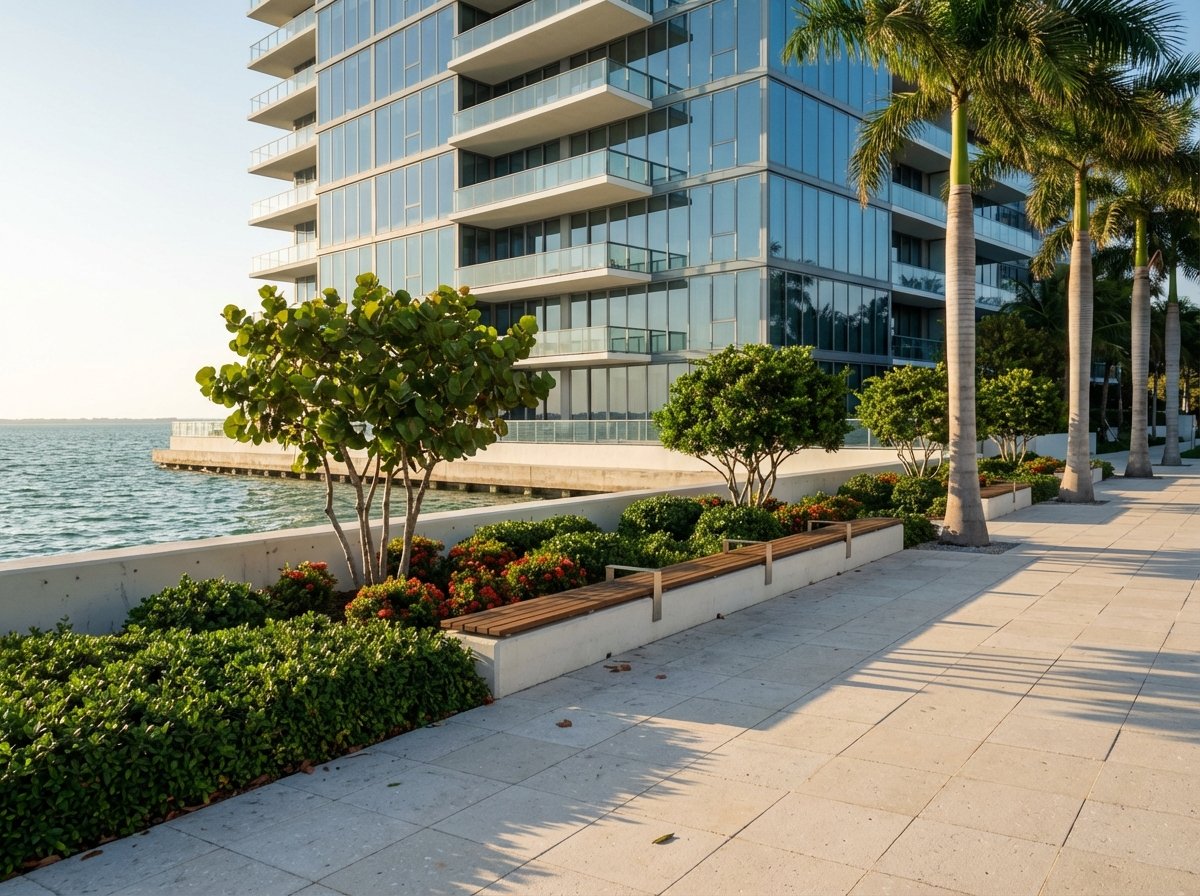
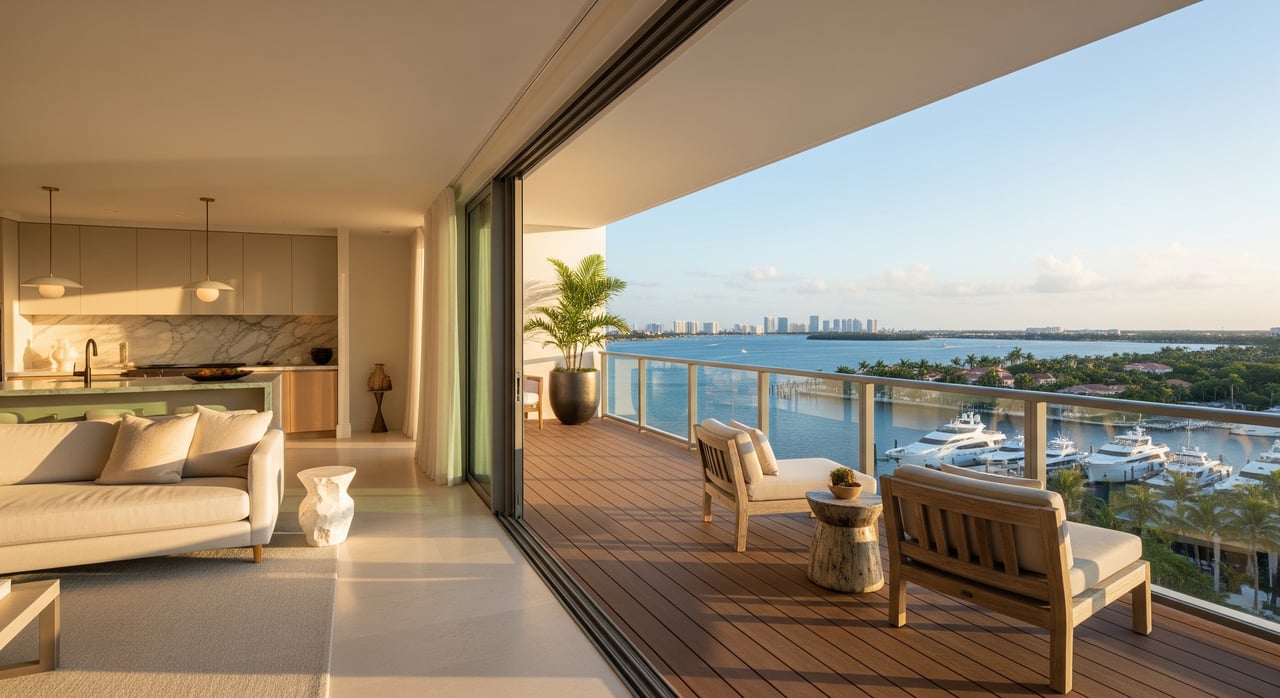
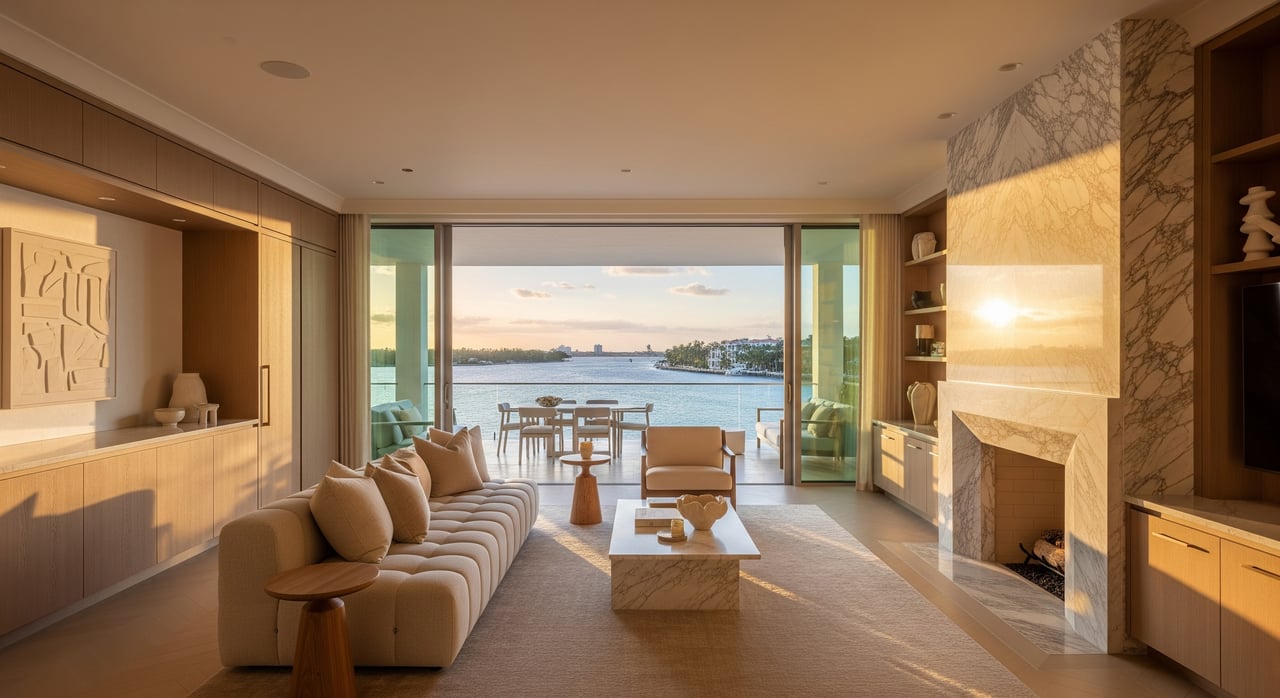
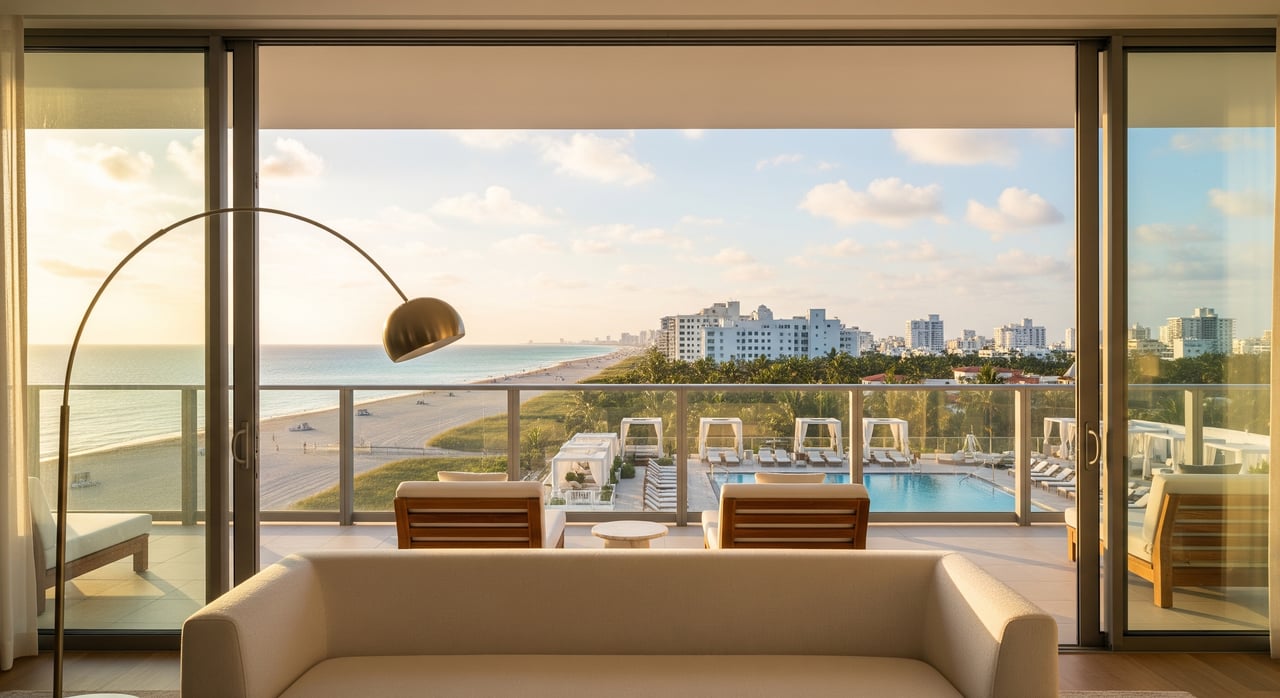
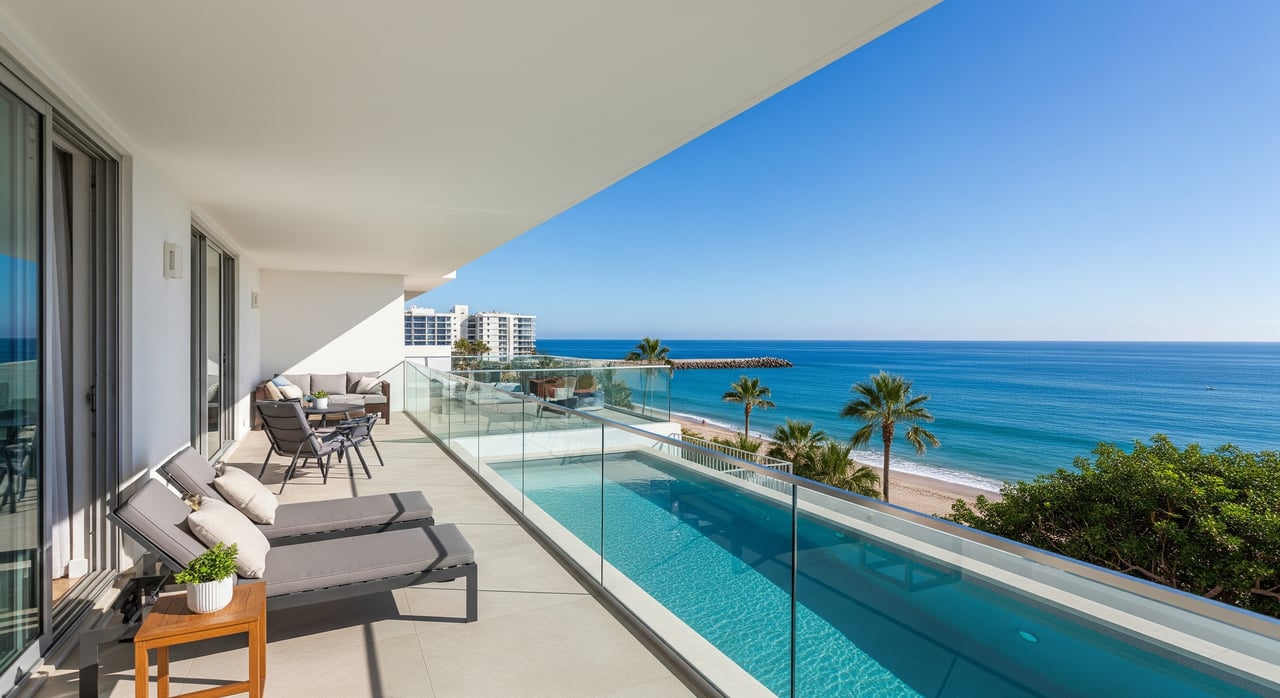
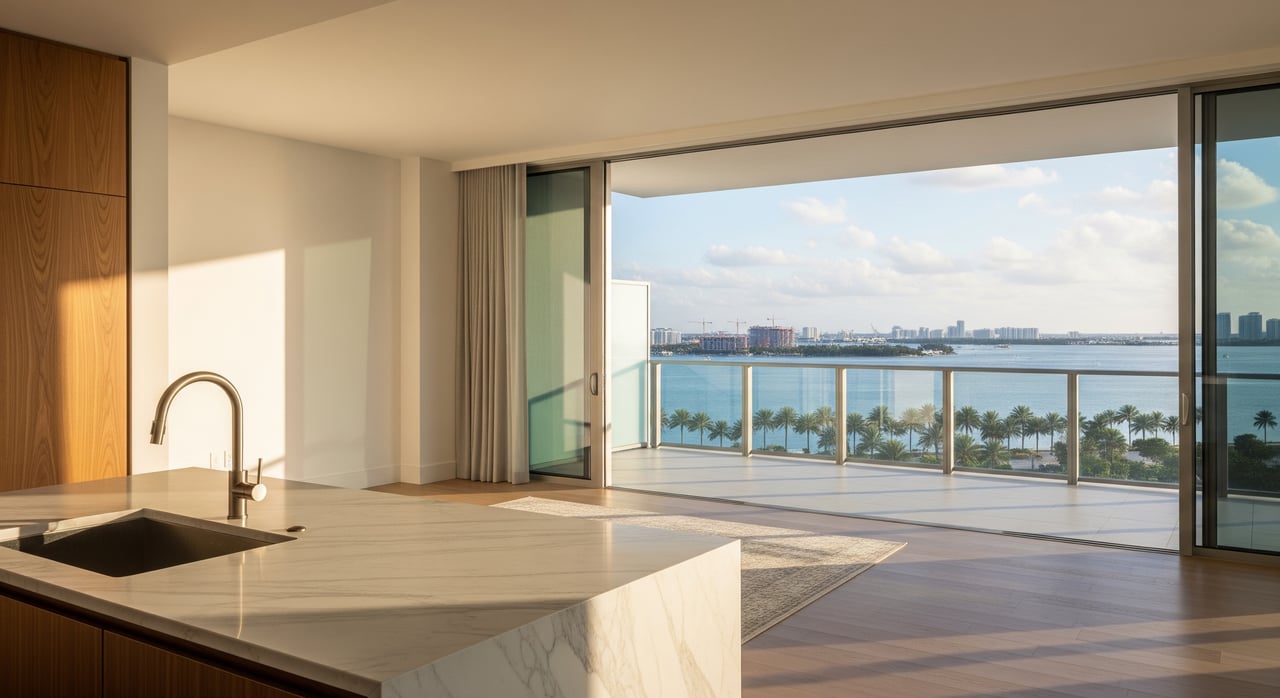
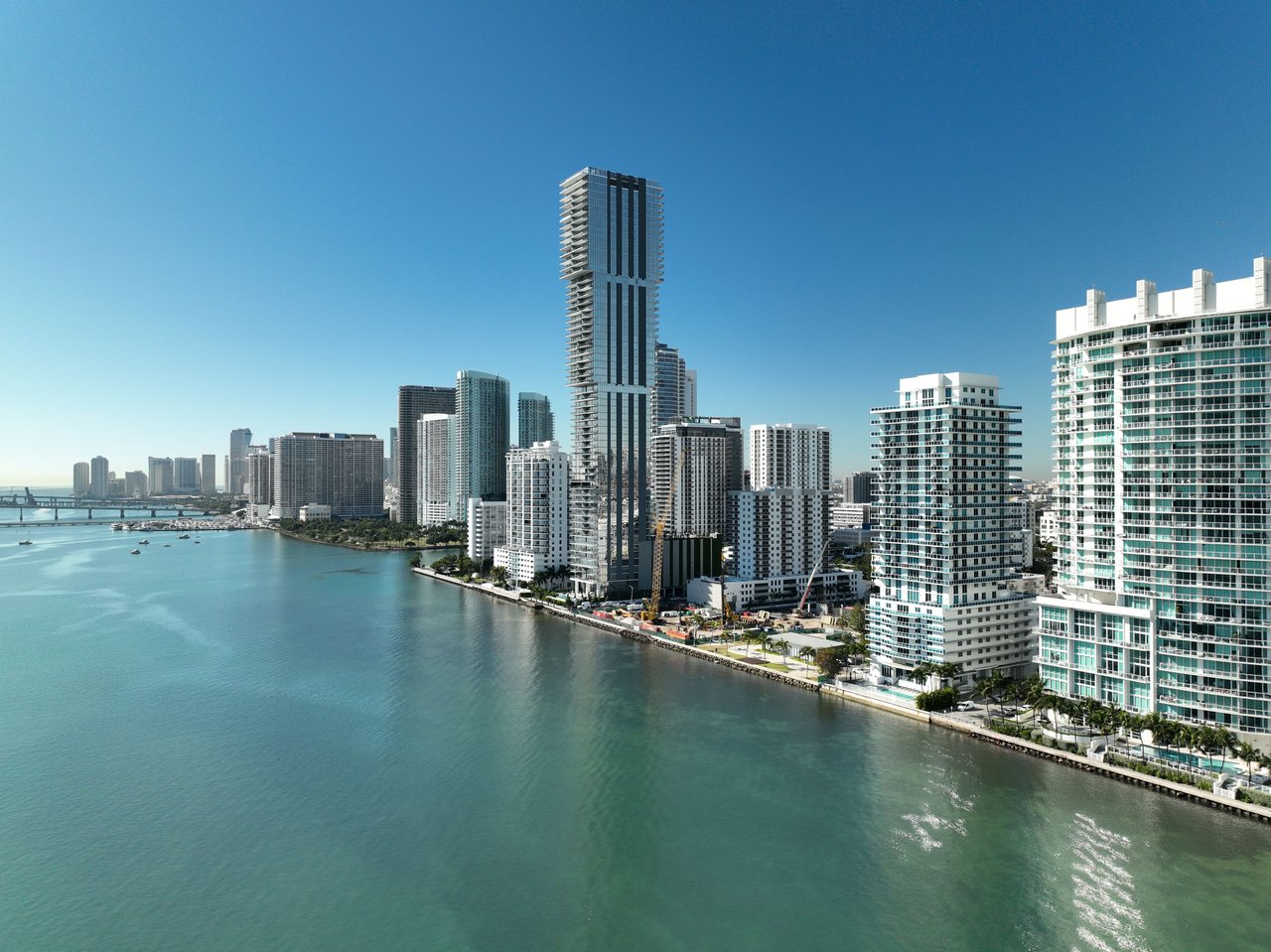
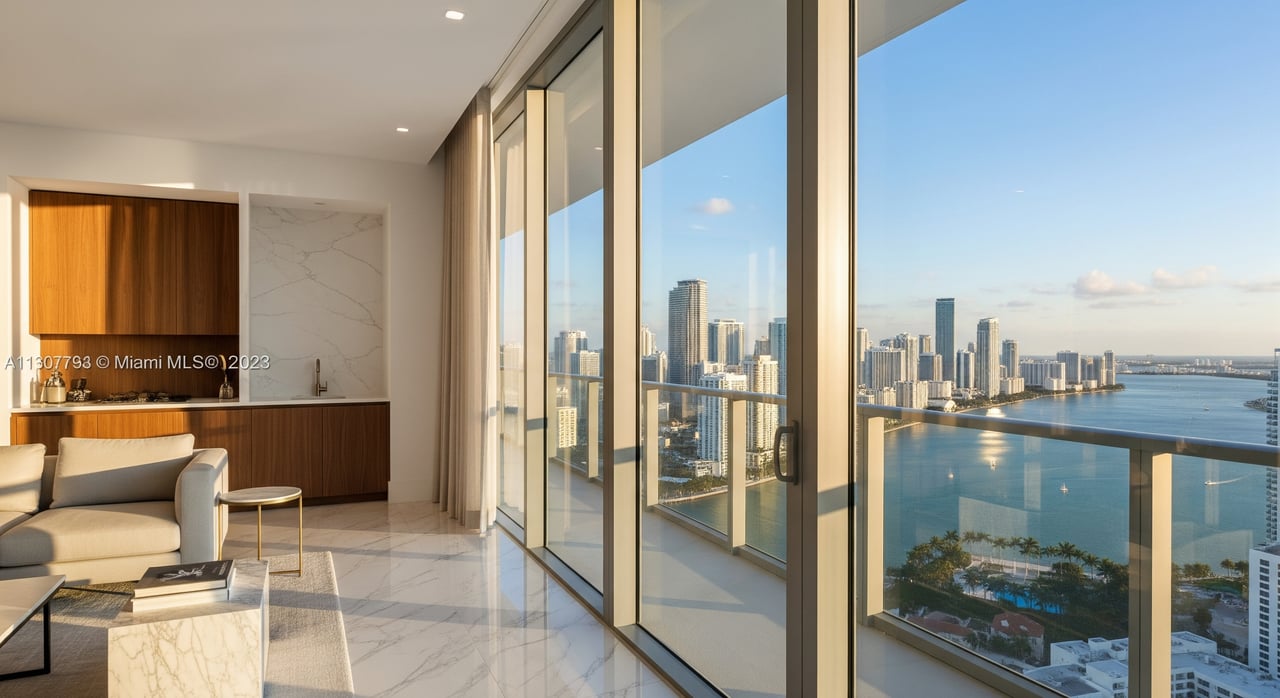
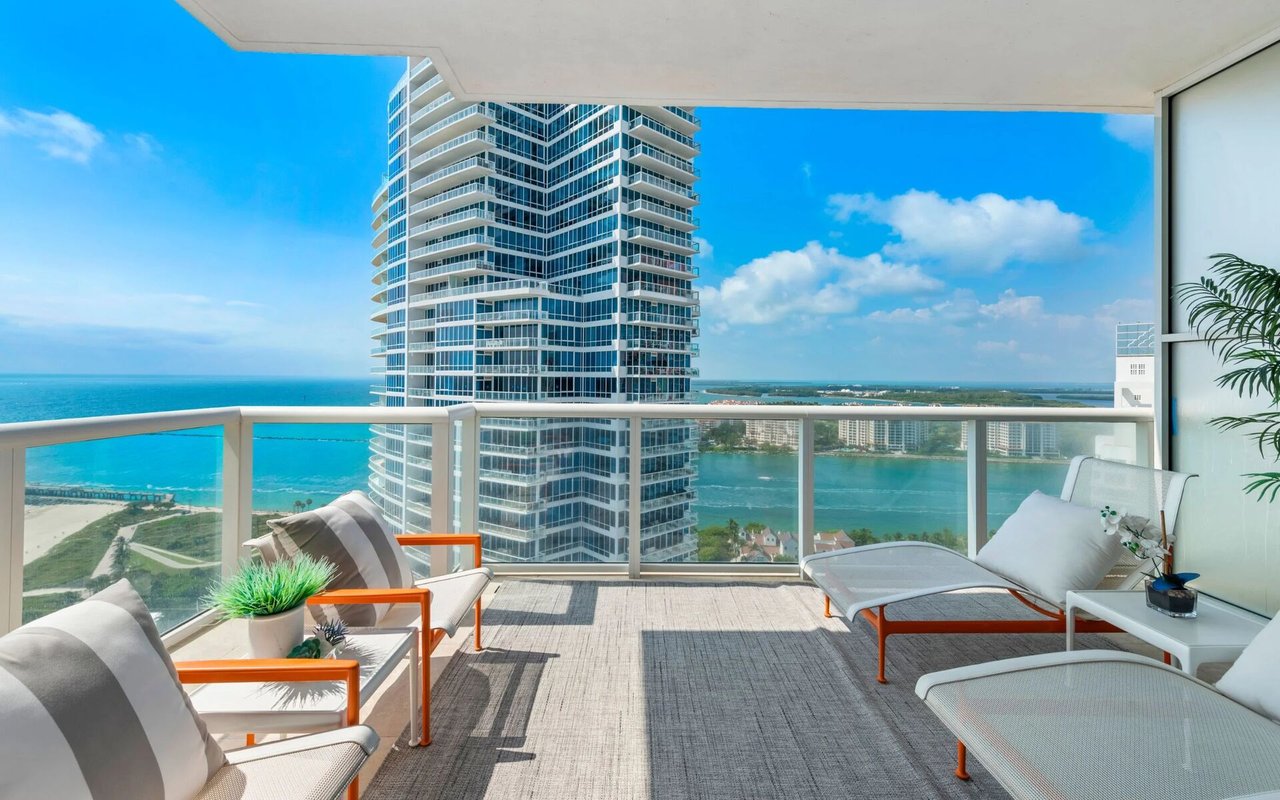
North Palm Beach is a small coastal village about nine miles north of West Palm Beach. According to the Village of North Palm Beach, it has about 13,000 year-round residents and about 15,000 in winter, with a lifestyle centered around boating, ocean fishing, docks, golf, beaches, and other water-oriented amenities.
For many second-home and international buyers, that setting is exactly the point. A waterfront condo can offer easier lock-and-leave ownership than a single-family home, but if you are not local, the building team, records process, and vendor coordination become much more important.
Remote Ownership Starts With the Building
When you own from afar, the condo association is not just part of the experience. It is central to it. The quality of communication, maintenance planning, and recordkeeping can shape how easy or stressful ownership feels.
Florida law places maintenance of the common elements on the association, except for certain limited common elements assigned to the unit owner by the declaration. The association also has the right to access units during reasonable hours when needed for maintenance or to prevent damage, as outlined in Florida Statute 718.113.
That sounds straightforward, but every condo has its own governing documents. In one building, windows or balcony elements may fall under association responsibility. In another, some of those items may be treated differently. For a waterfront property, those details matter.
Verify the Maintenance Split
Before you buy, review exactly what the unit owner maintains and what the association maintains. This is especially important in waterfront buildings, where exposure to wind, moisture, salt air, and water intrusion can affect both routine upkeep and major repairs.
Florida's condo records rules make documents like the declaration, bylaws, rules, annual budget, financial reports, inspection reports, reserve studies, bids, permits, and contracts part of the official record set. Many of these records can also be provided electronically under Florida condo records requirements.
As a remote buyer, ask for clarity on items such as:
- Windows and exterior doors
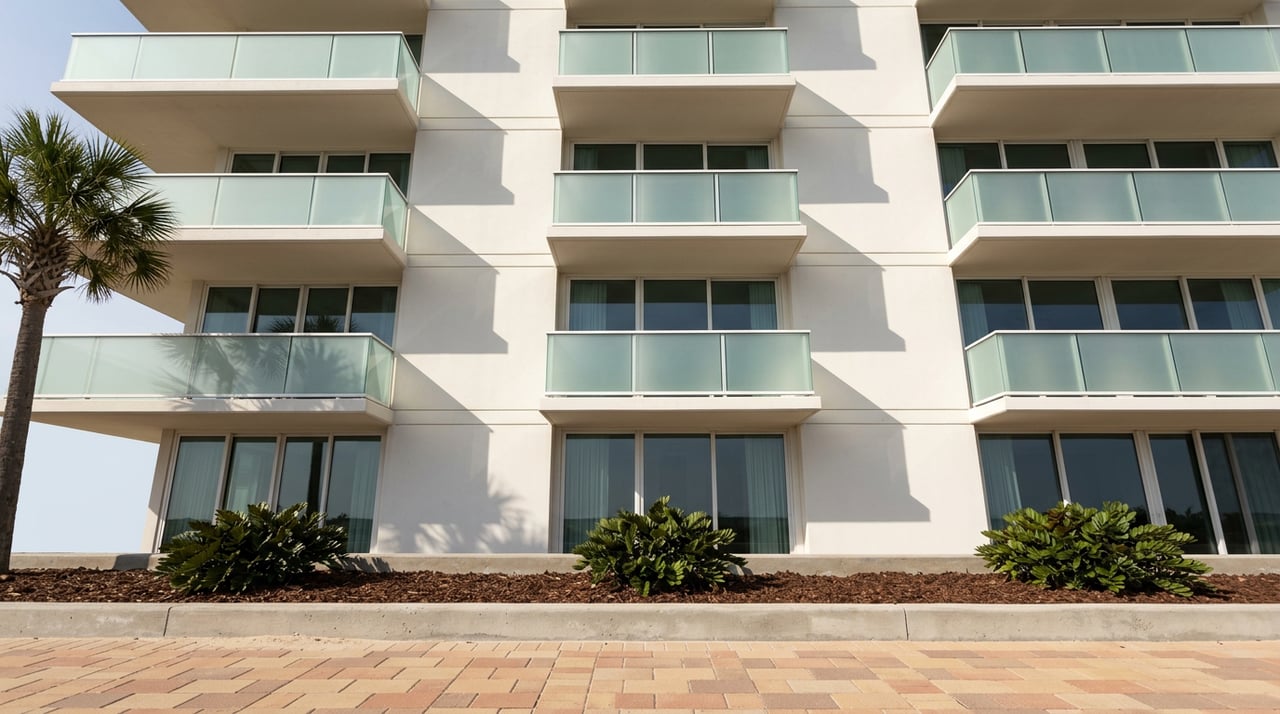
- Balconies and railings
- Waterproofing responsibilities
- Exterior painting obligations
- Roof-related responsibilities
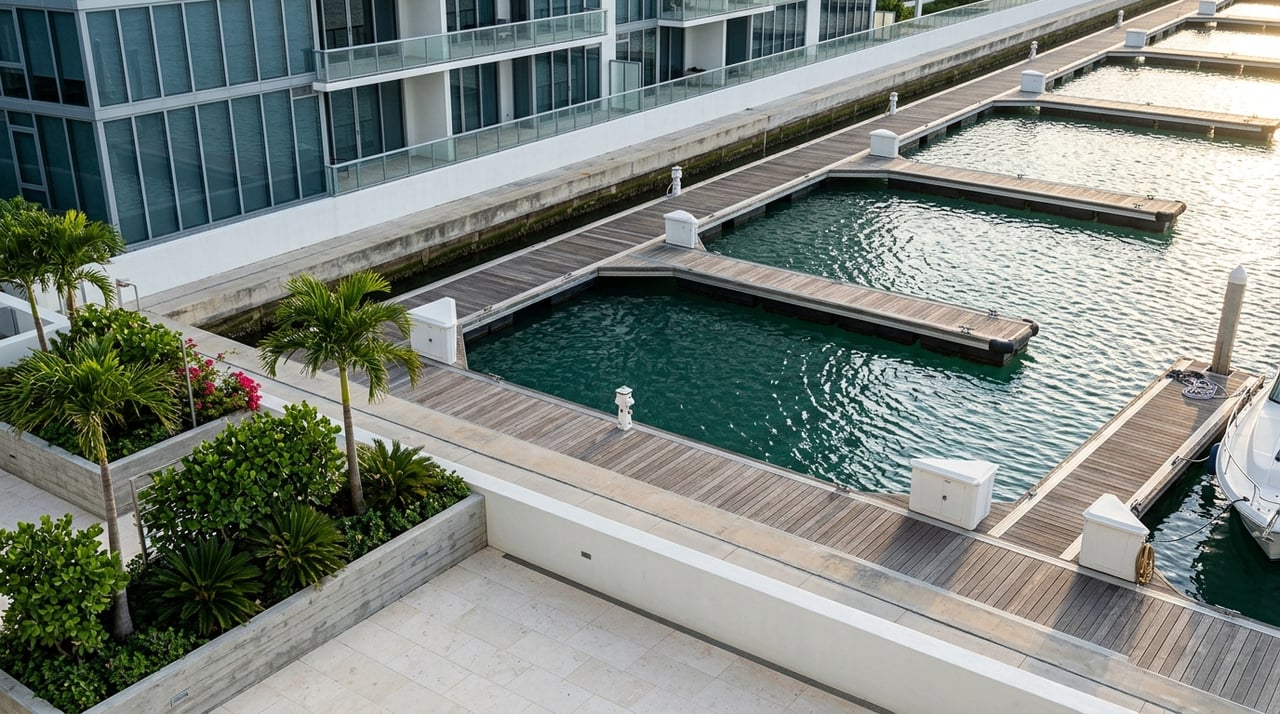
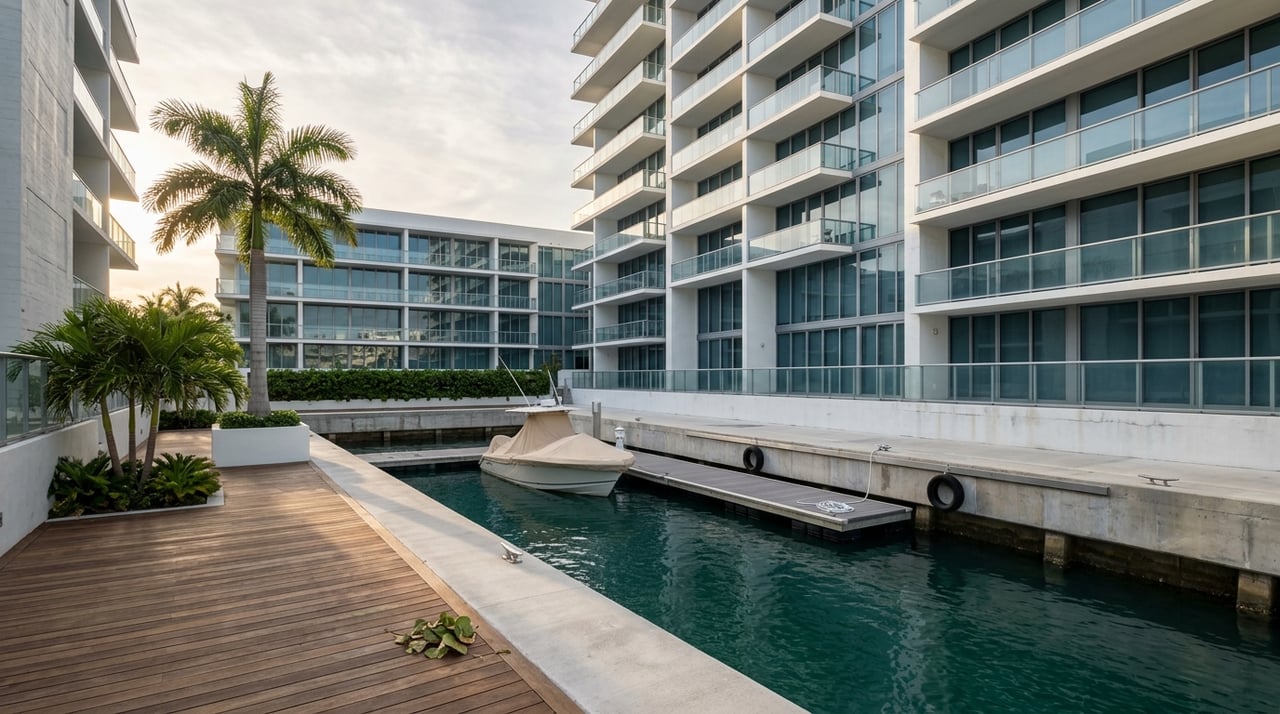
- Docks, slips, or marina use rights
- Any limited common elements assigned to the unit
If the condo includes dockage or slip access, confirm how those rights are defined. Limited common elements are building-specific, and the declaration controls how they are assigned.
Focus on Waterfront Repair Risks
Not every condo issue carries the same financial weight. In a waterfront building, exterior-envelope and structural items often deserve extra attention because repairs can be expensive and disruptive.
The Florida Department of Business and Professional Regulation says the Structural Integrity Reserve Study, or SIRS, includes components such as the roof, structural systems, fireproofing and fire protection systems, plumbing, electrical systems, waterproofing and exterior painting, windows and exterior doors, plus other items over $25,000 that affect structural integrity. You can review that framework in the state's condo inspections and reserve guidance.
For a buyer who will not be nearby, this matters for two reasons. First, these are the systems most likely to influence future costs. Second, they are the systems that can turn a low-maintenance second home into a management-heavy asset if the building is underfunded or behind on repairs.
Review Reserves and Special Assessment Risk
One of the biggest questions in any Florida condo purchase is not just today's monthly fees. It is whether the association is planning realistically for tomorrow.
DBPR describes a structural integrity reserve study as a budget planning tool, and states that it must be completed every 10 years for residential condo associations with buildings three or more habitable stories high. The agency also notes that if reserves are insufficient, the association may need a special assessment or a loan or line of credit. Current guidance sets SIRS deadlines for many existing unit-owner-controlled associations at December 31, 2025, with some simultaneous milestone inspection and SIRS completion allowed through December 31, 2026, according to the DBPR inspection resource.
DBPR also states that if a budget was adopted on or after January 1, 2025, associations may not waive SIRS reserves. That makes reserve schedules, engineering-related reports, and assessment history essential review items for remote buyers.
Ask these practical questions before closing:
- Has the association completed its required reserve study?
- Are reserve balances aligned with projected capital needs?
- Has the building had recent special assessments?
- Are additional assessments being discussed?
- Is the annual budget easy to understand and current?
- Are milestone inspection issues still open?
If you do not live nearby, surprise assessments can be more difficult to manage because you are not hearing hallway conversations or attending every meeting in person. Good records and clear disclosure matter even more.
Understand Insurance Gaps Early
Insurance is another area where remote owners should be very precise. In a condo, the association's master policy and your personal unit policy serve different purposes, and confusion usually shows up after a loss, not before one.
Under Florida Statute 718.111, the association must carry property insurance and may set deductibles, while unit owners are responsible for reconstruction of portions they are required to insure. In simple terms, you should confirm where the association's coverage ends and where your own coverage needs to begin.
This is especially important in coastal Palm Beach County, where flood exposure is part of the ownership picture.
Pay Attention to Flood Exposure
Palm Beach County reports that FEMA's updated flood maps became effective on December 20, 2024, and added thousands of eastern-county residents to high-risk flood zones. The county also states that all county residents live in a flood zone, windstorm insurance does not cover flood damage, and owners needing a new flood policy should obtain one as soon as possible while existing NFIP policyholders should maintain coverage. You can review those updates on the county's flood zone information page.
FEMA also explains that flood insurance is separate from homeowners insurance, is available to condo owners, and typically carries a 30-day waiting period unless an exception applies. FEMA further notes that many residential condominium buildings use a master Residential Condominium Building Association Policy for building coverage, so owners should understand what the association covers and where separate contents or interior coverage may still be needed. See FEMA's flood insurance overview for details.
For remote owners, flood planning is not just about insurance paperwork. It also affects renovation timelines, holding costs, and pre-storm preparation.
If you want local flood-related guidance before closing or before making improvements, Palm Beach County provides municipal contacts, including North Palm Beach, on its flood zone contacts page.
Build a Reliable Local Workflow
Owning from afar works best when someone local can help keep things moving. That may be on-site staff, a building management team, or a property manager depending on the building and how you plan to use the condo.
IREM describes the property manager as the liaison between the owner and site personnel, with responsibility for physical operations, financial operation, tenant relations, and contracted work. You can see that role outlined by IREM's property manager overview.
For remote condo owners, a local workflow often includes:
- Coordinating vendor access
- Monitoring repairs and maintenance
- Managing communication with the building
- Tracking invoices and service updates
- Preparing the unit before your arrival
- Overseeing rental turnover if the building allows leasing
The smoother this process is, the more your condo can function like a convenient second home or investment rather than a constant long-distance project.
Check Rental Rules Carefully
If you may rent the condo at any point, do not rely on assumptions. Rental policies are highly building-specific, and what is common in one condo may be prohibited or limited in another.
Florida law states that if the declaration or bylaws authorize lease approval, the association may approve or disapprove a proposed lease, and delinquent assessments may be grounds for disapproval under Florida Statute 718.116.
Before you buy, verify:
- Minimum lease term
- Number of permitted leases per year
- Application and approval process
- Move-in and move-out rules
- Deposit requirements
- Any restrictions tied to furnishing or occupancy procedures
These rules matter even if renting is only a backup plan. For many remote owners, rental flexibility is part of the long-term value of the purchase.
Ask for Digital Access to Records
One of the simplest signs of a well-run association is whether it can support an owner who is not physically present. In practical terms, that usually means organized digital communication and reliable electronic access to records.
Florida law includes the declaration, bylaws, rules, annual budget, financial reports, reserve studies, inspection reports, permits, bids, and related contracts in the association's official records, and many of these can be made available electronically under Florida condo records law.
As a remote owner, digital access can make a major difference. It helps you review budgets, understand building projects, track notices, and make faster decisions without depending on paper files or in-person follow-up.
A Smarter Way to Buy From Afar
Owning a North Palm Beach waterfront condo from afar can be an excellent fit if you approach it with the right due diligence. The easiest ownership experiences usually happen in buildings that are financially transparent, clear about maintenance responsibilities, proactive about reserves and inspections, and supported by dependable local coordination.
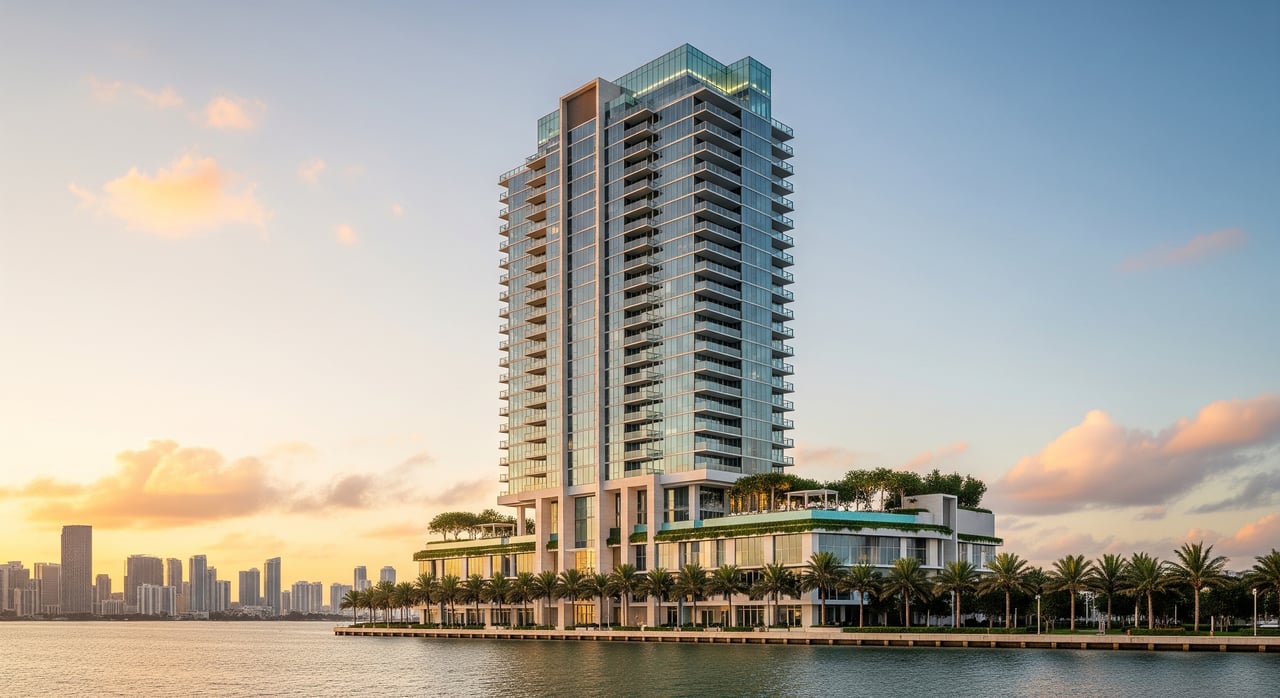
If you want guidance evaluating waterfront condo options in Palm Beach County or premier South Florida developments like The Rider Residences, The Ana Vega Group offers a concierge-style approach for local, out-of-state, and international buyers, including support across acquisition, rental management, and value-add planning.
FAQs
What should you review before buying a North Palm Beach waterfront condo remotely?
- Review the declaration, bylaws, rules, annual budget, reserve information, inspection reports, insurance structure, and any dock or limited common element rights before closing.
Why do condo reserves matter for remote owners in North Palm Beach?
- Reserve funding can affect future special assessments and capital projects, which are especially important to understand when you are not local and may not be attending meetings in person.
Does a North Palm Beach condo association cover everything on a waterfront property?
- No. Florida law assigns common-element maintenance to the association, but the exact split between owner and association depends on the building's governing documents.
Do North Palm Beach condo owners need separate flood insurance?
- They may. Flood insurance is separate from homeowners insurance, and you should confirm what the association's master policy covers and whether you need your own contents or interior coverage.
Can you rent out a North Palm Beach condo if you live out of state?
- Possibly, but rental rules are building-specific, so you should verify lease terms, approval requirements, and turnover procedures in the condo documents.