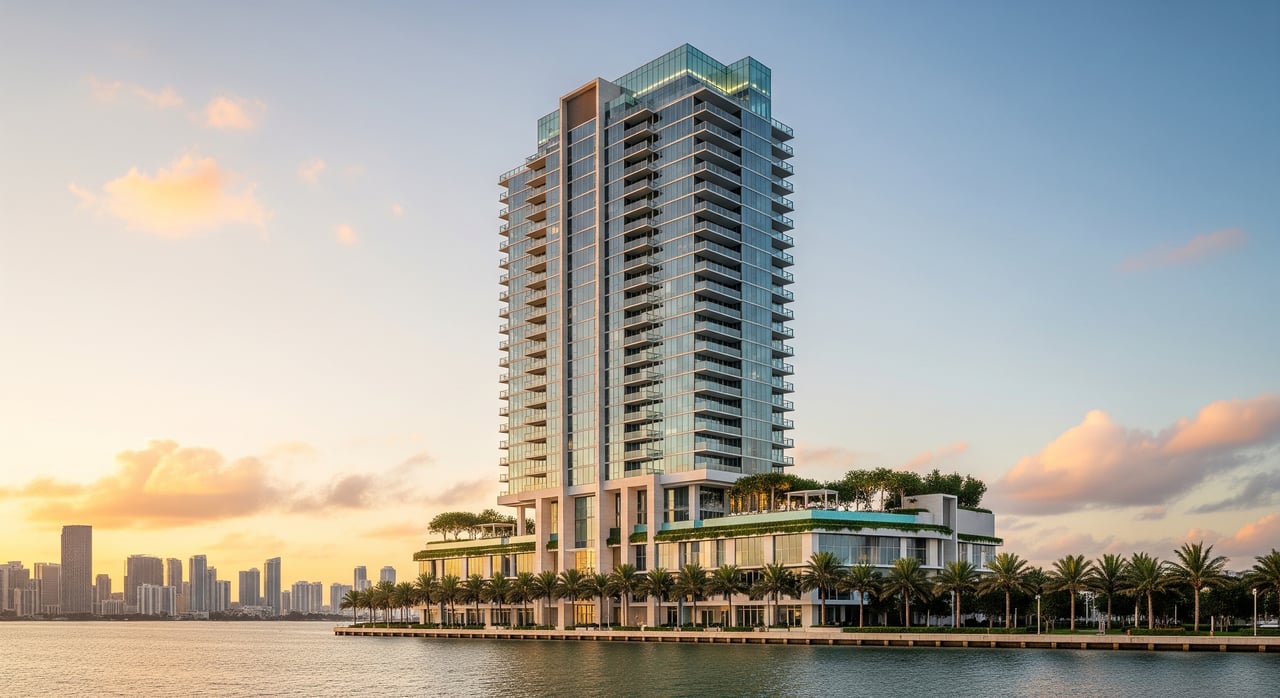
Curious where Edgewater’s next wave of condos is headed? You’re not alone. As sales galleries open and cranes appear along Biscayne Bay, it can be hard to separate signal from noise. In this guide, you’ll see what the pipeline looks like, the amenity trends shaping product design, realistic timelines, and practical ways to verify presales before you commit. Let’s dive in.
Why Edgewater is in focus
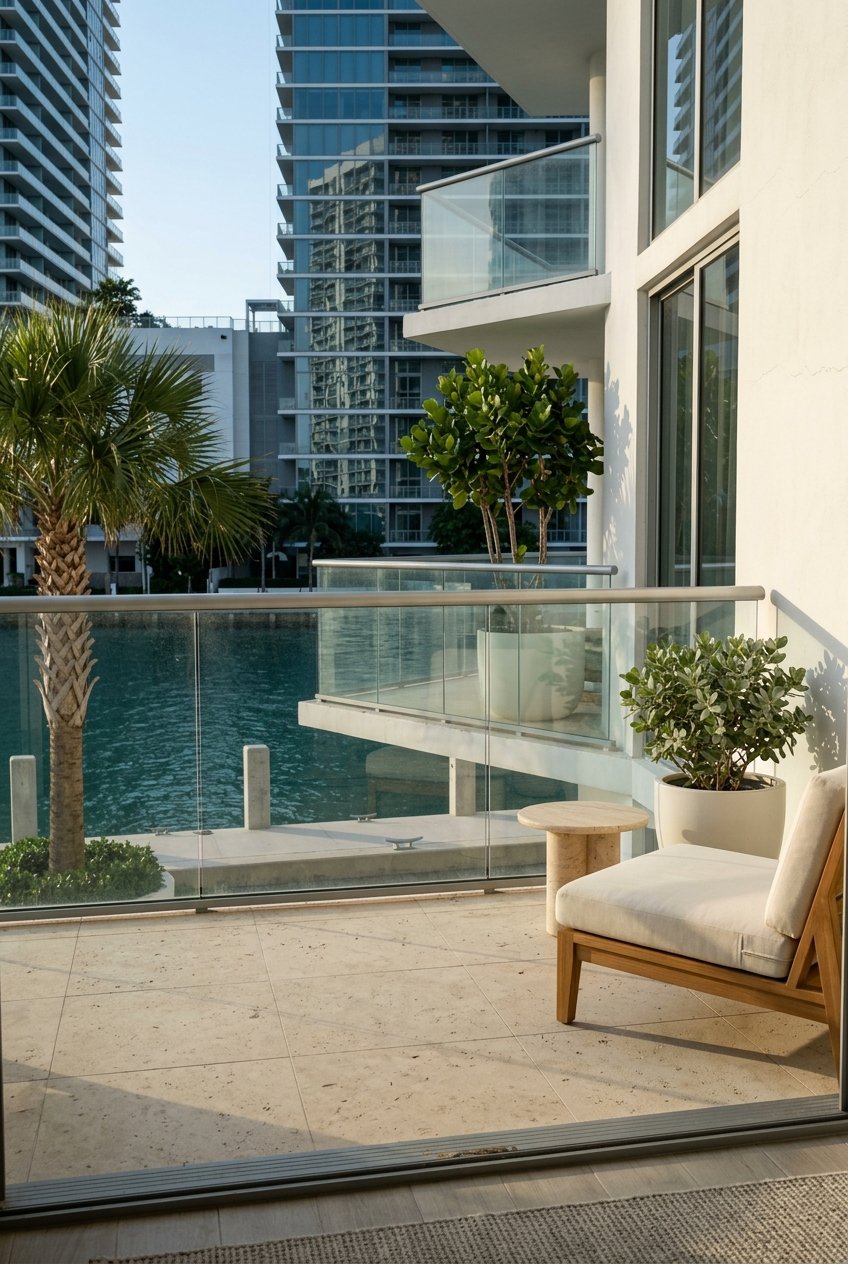
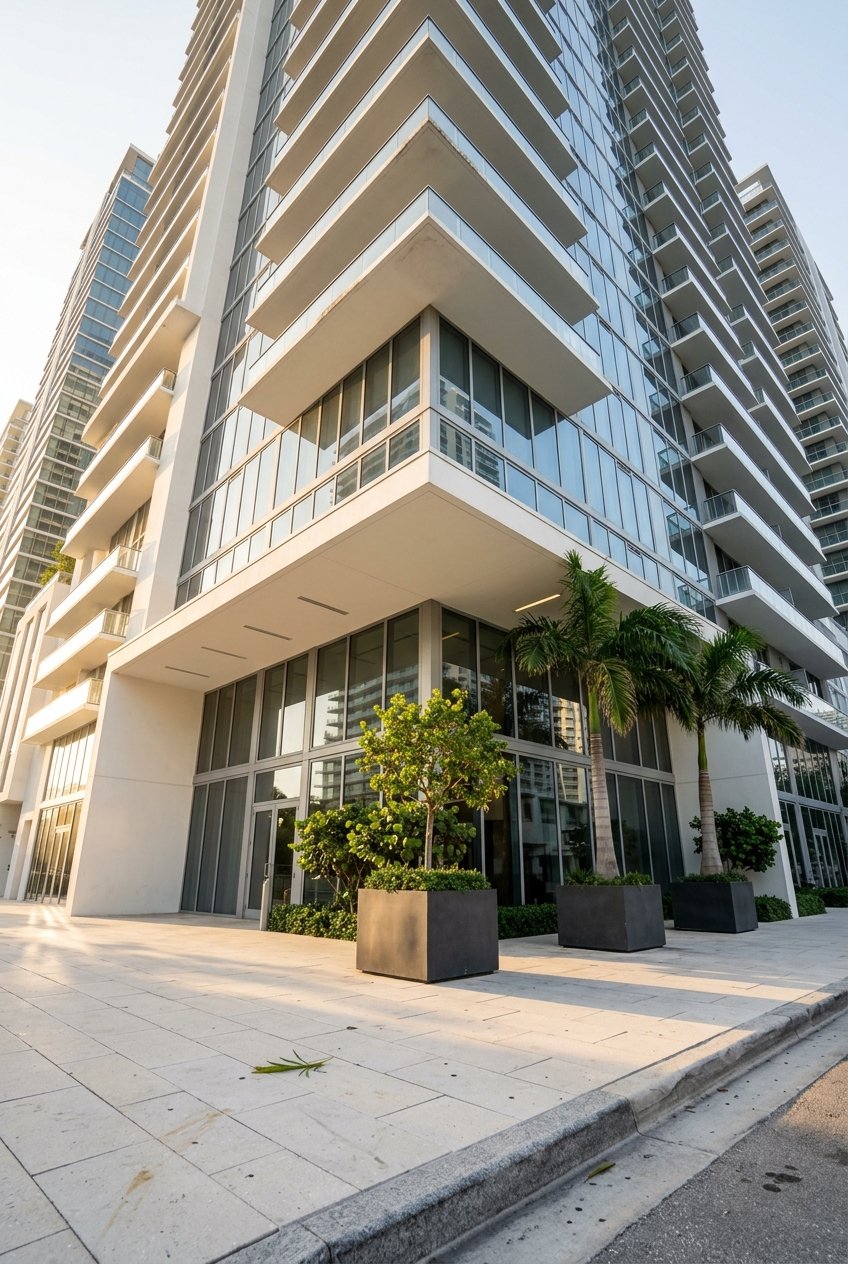
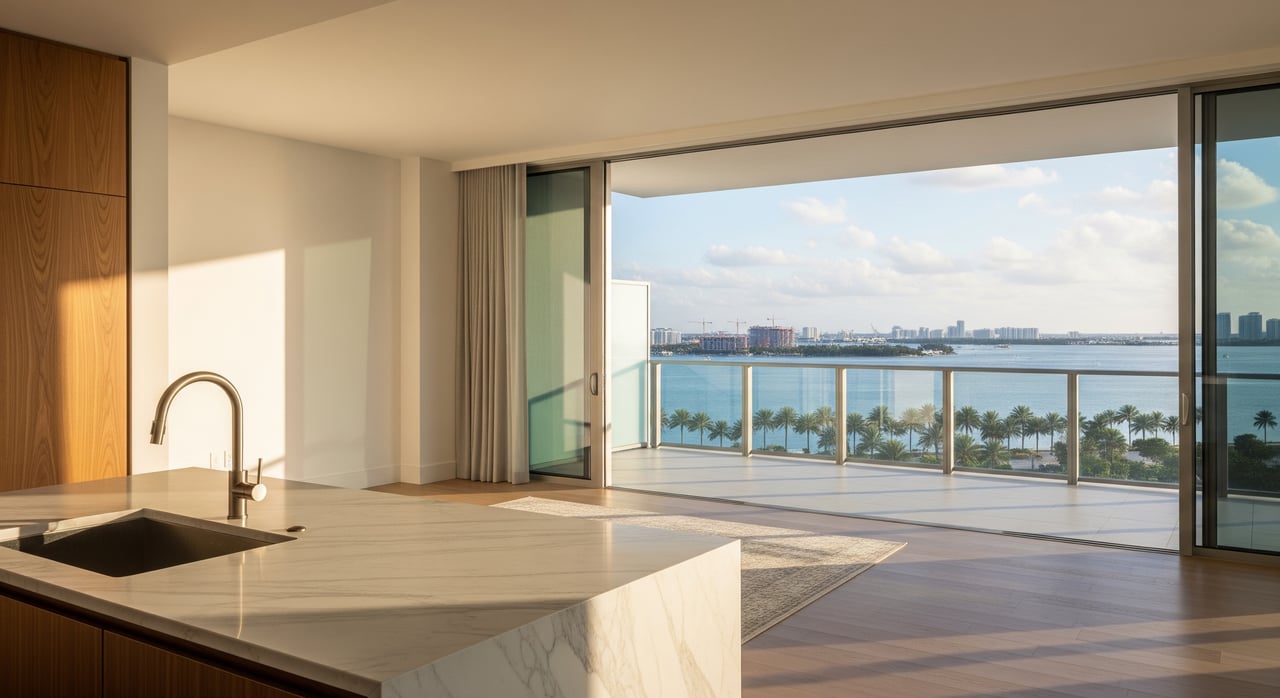
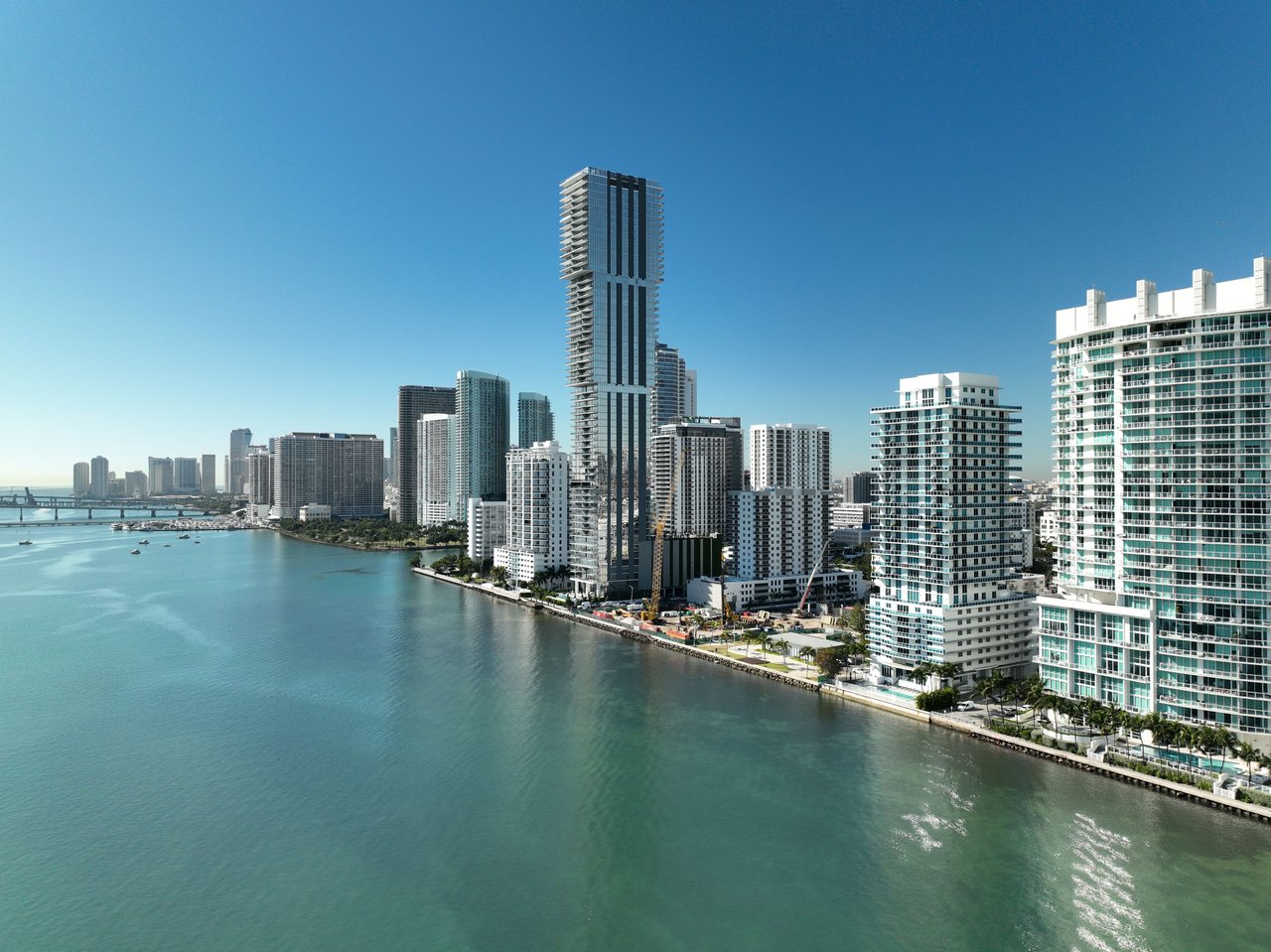
Edgewater sits just north of Downtown Miami and south of the Upper East/Omni area, with long stretches of Biscayne Bay frontage and quick access to Midtown and the Design District. That mix of bay views, central location, and newer building stock keeps developers active here. For investors, it often feels like a middle ground between Downtown’s skyline and the quieter north bay neighborhoods.
As inventory evolves, the pipeline matters because it affects pricing, absorption, and rental demand. When you understand what is in pre‑development, presales, and construction, you can time your move with more confidence.
Micro-locations to watch
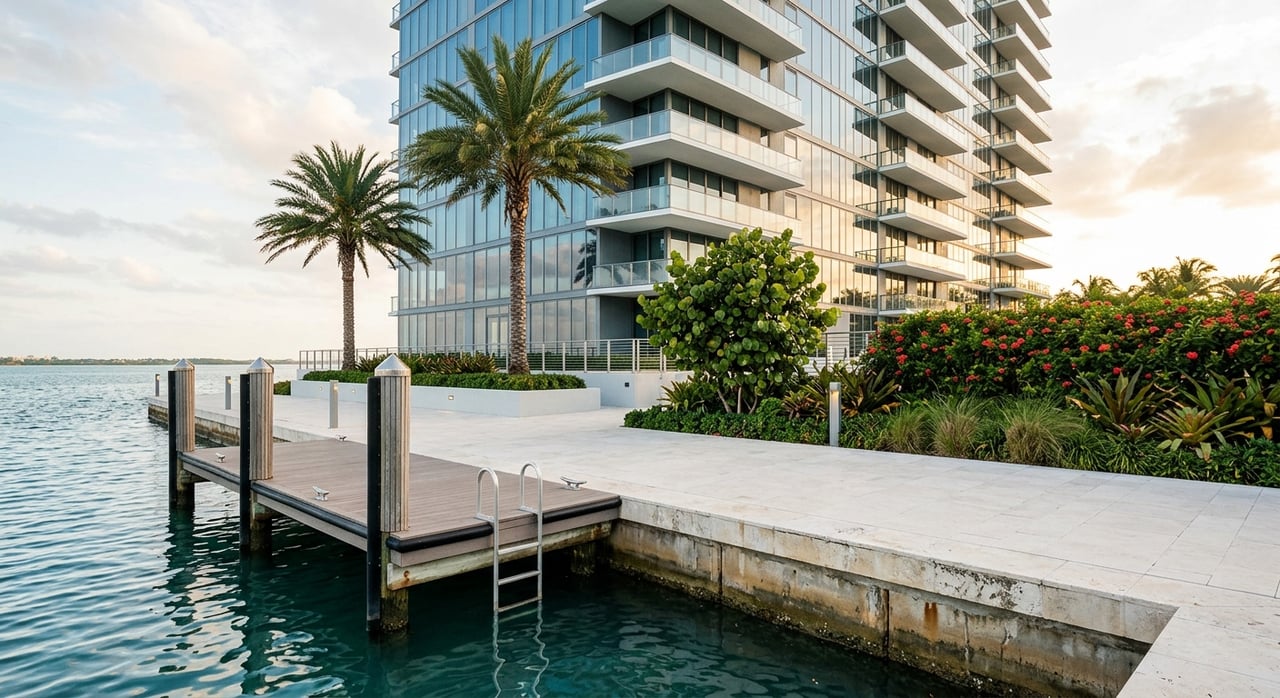
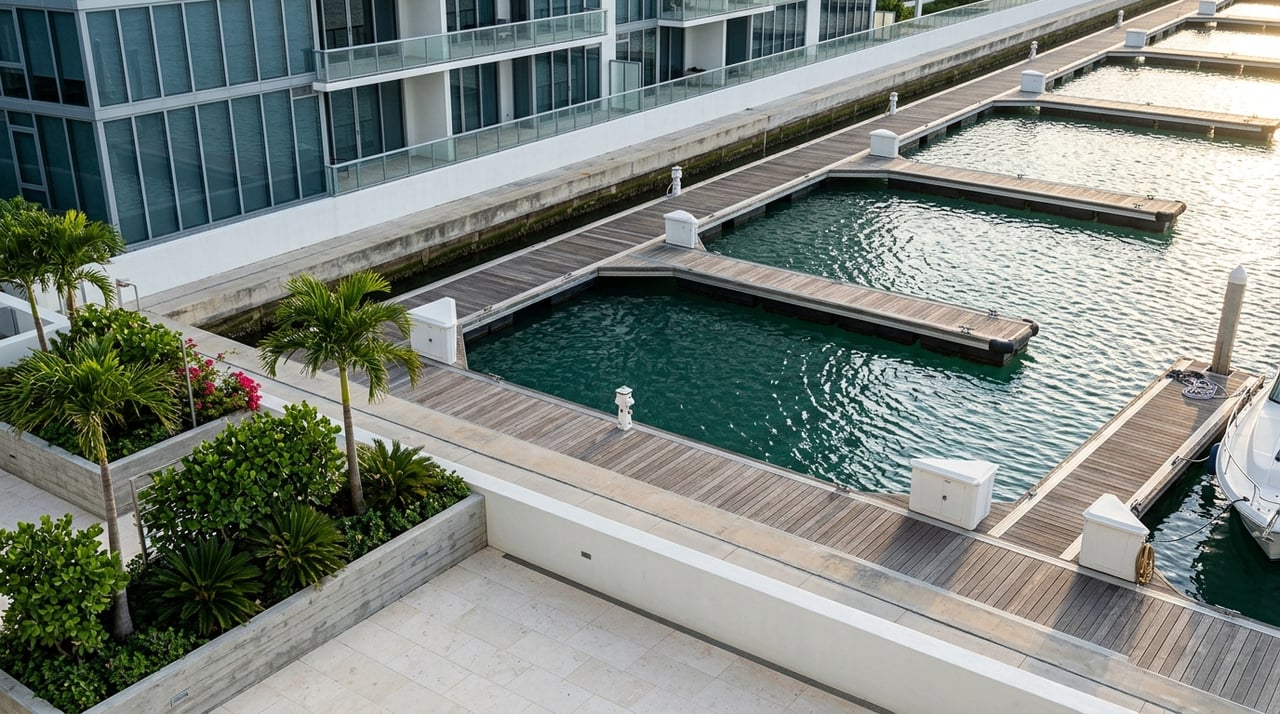
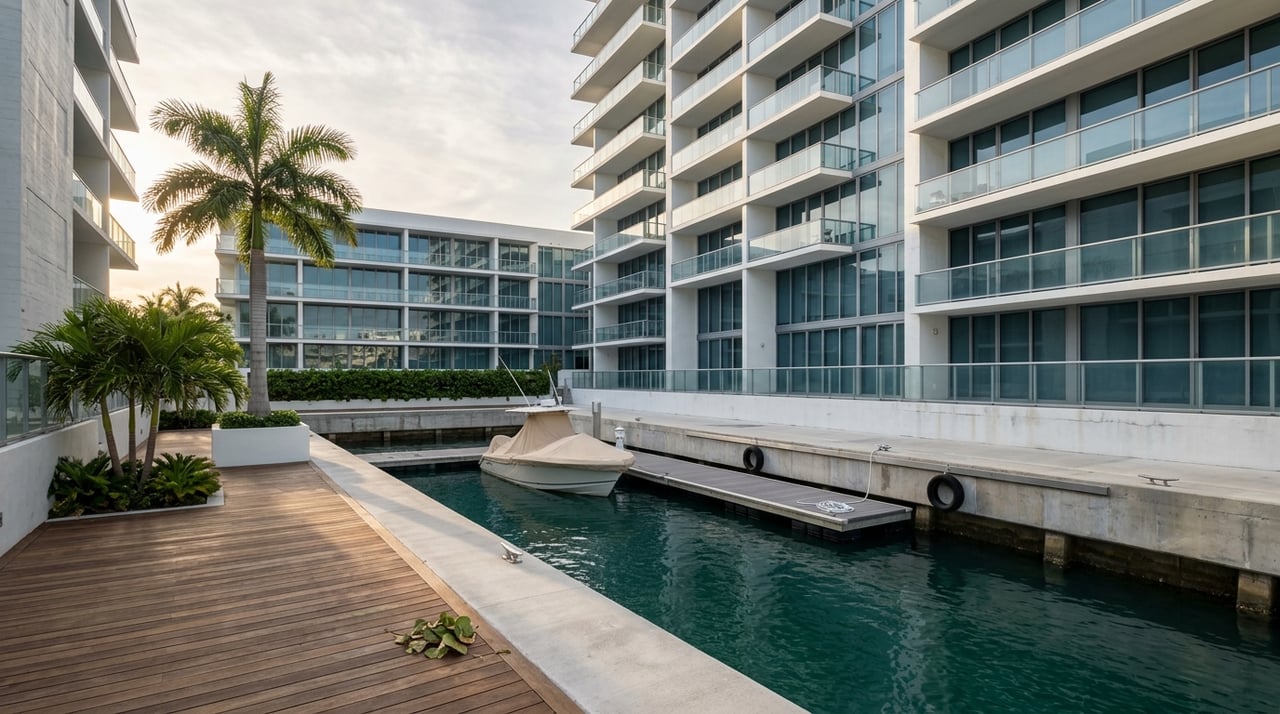
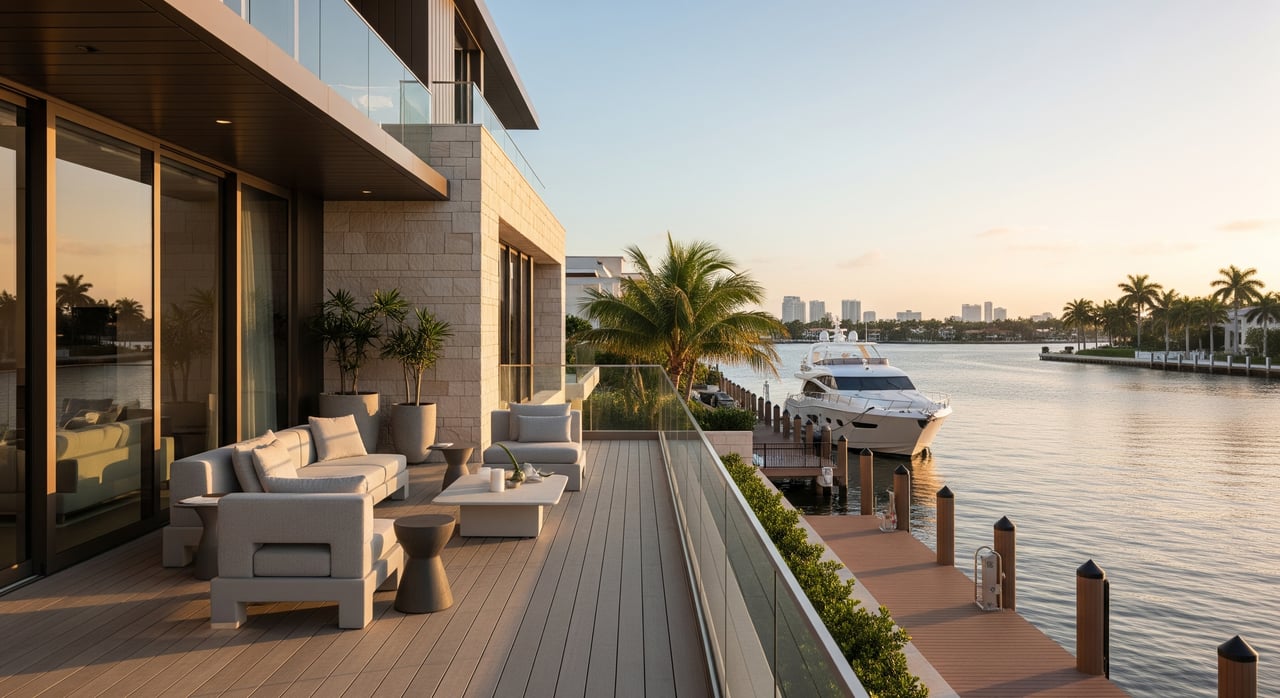
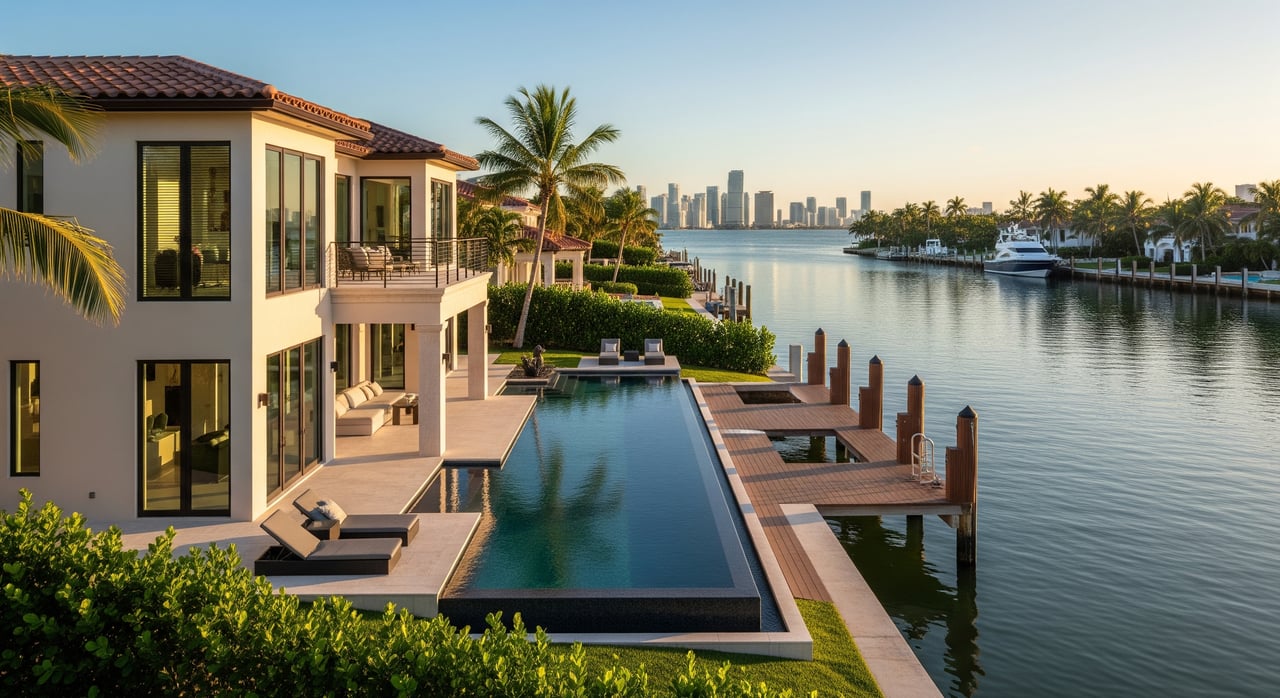
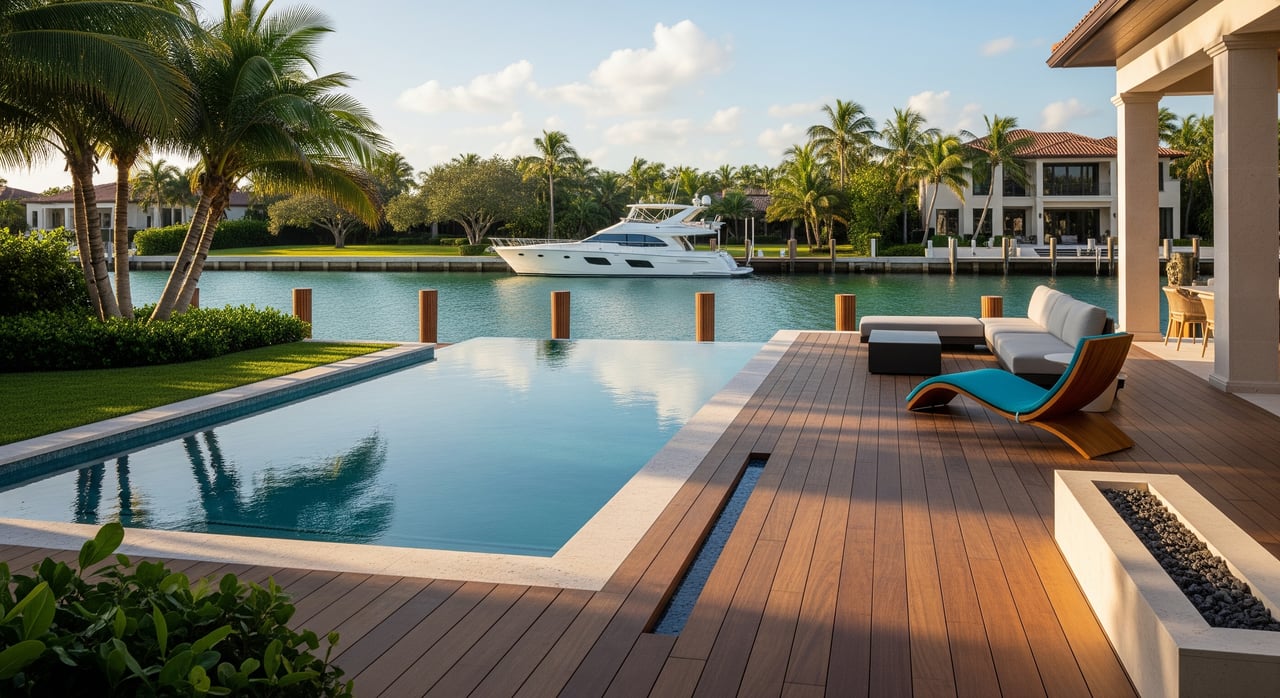
- Waterfront strips on Biscayne Bay. These sites and parcels just off N Bayshore Drive often command premium pricing and feature bay‑oriented amenities like docks and rooftop pools.
- Near Biscayne Boulevard. Proximity to major corridors supports ground‑floor retail and service offerings that appeal to residents and tenants.
- Interior infill between NE 29th–49th Streets. These blocks can deliver a different basis and unit mix. Distance to parks, the Baywalk, and transit routes will influence rents and resale.
Amenity and product trends
Developers are refining programs to match how people live, work, and invest today. Here are the features you’ll see most often in Edgewater’s next cycle:
Waterfront and outdoor living
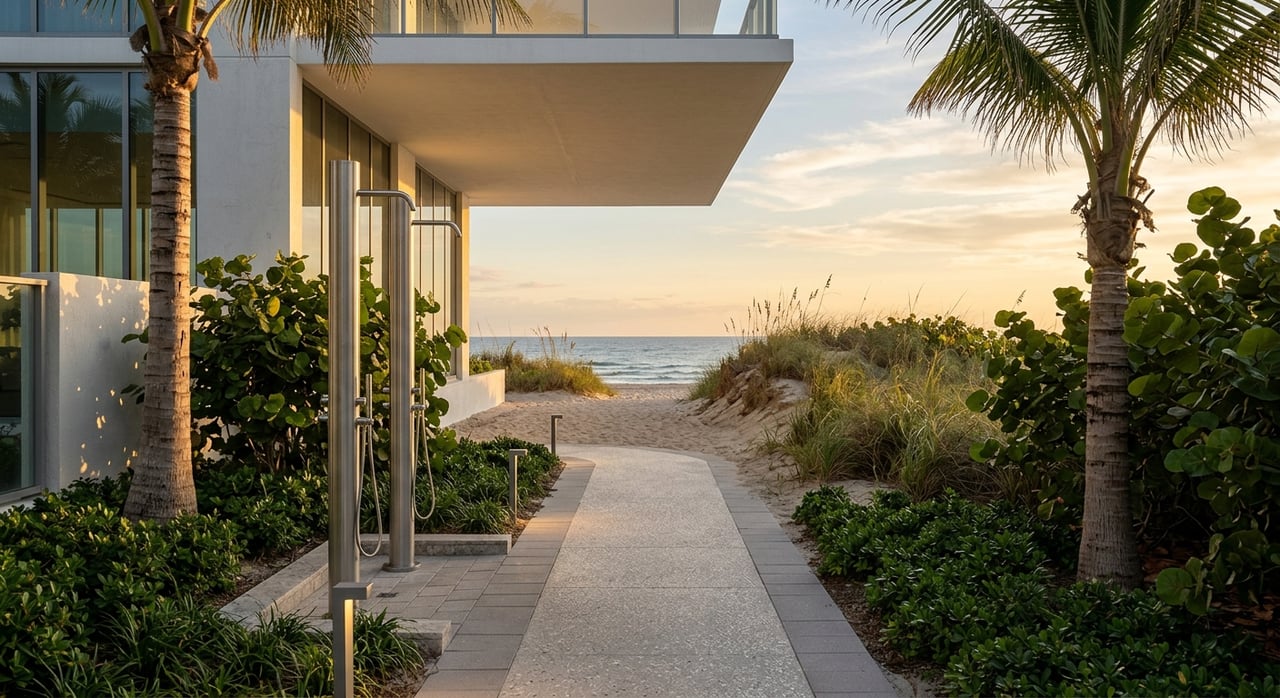
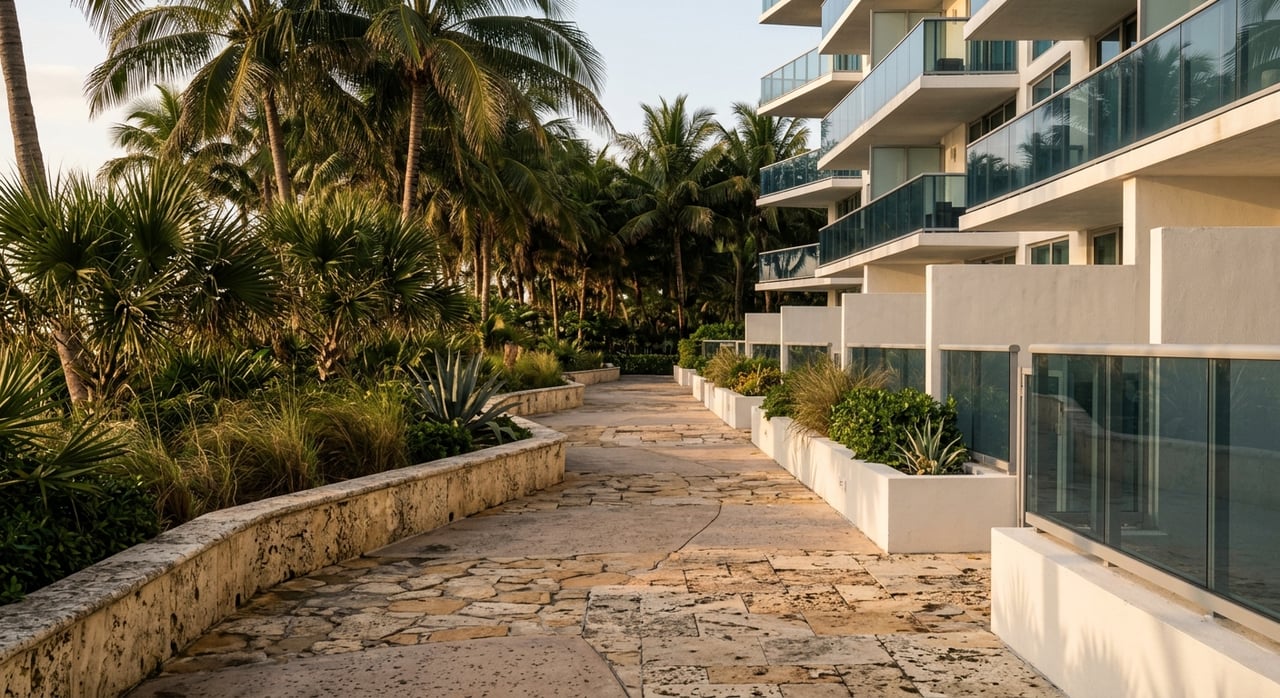
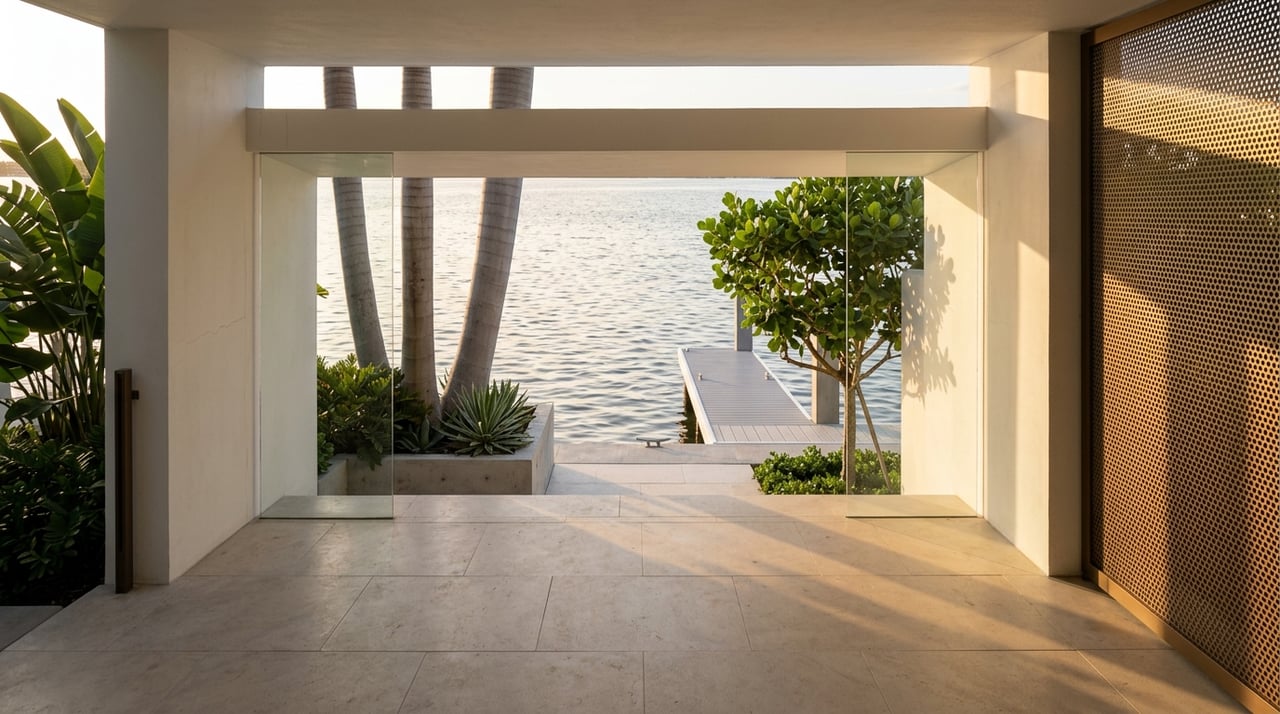
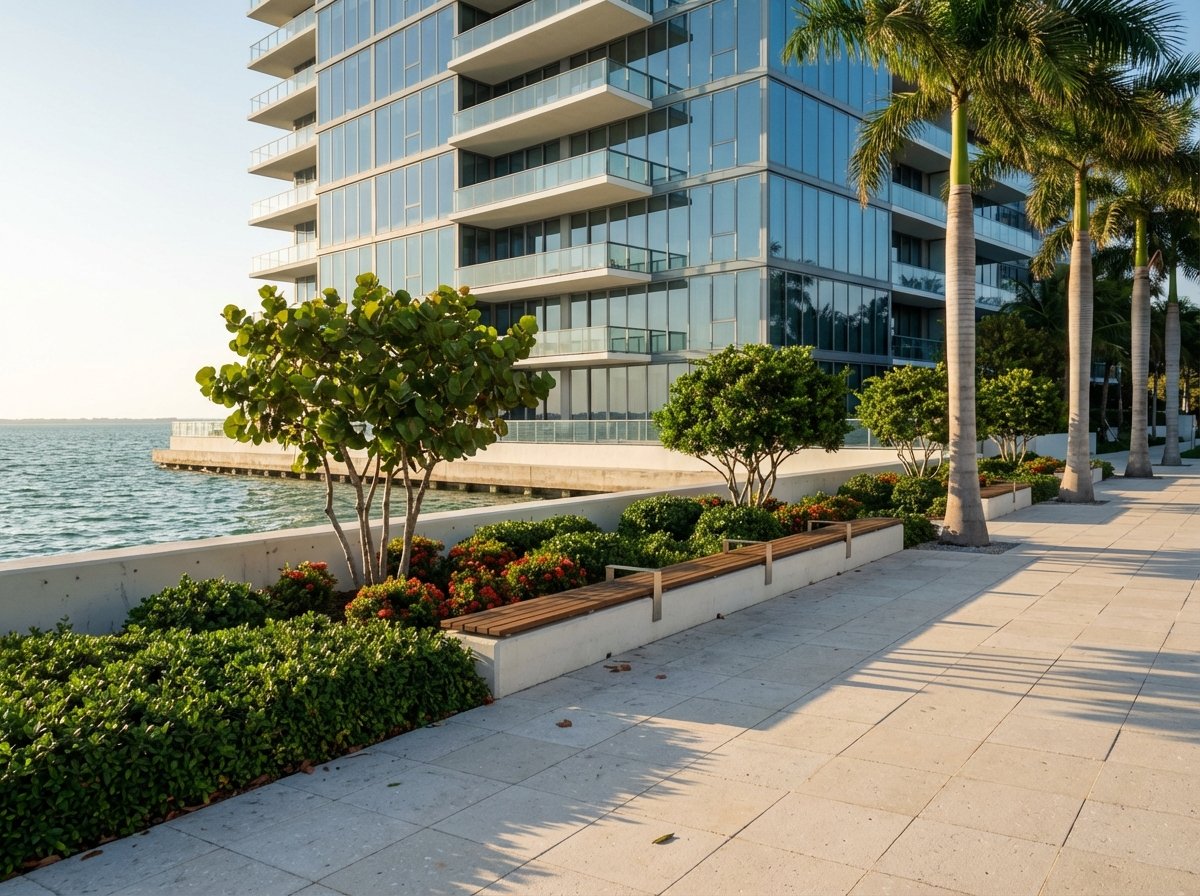
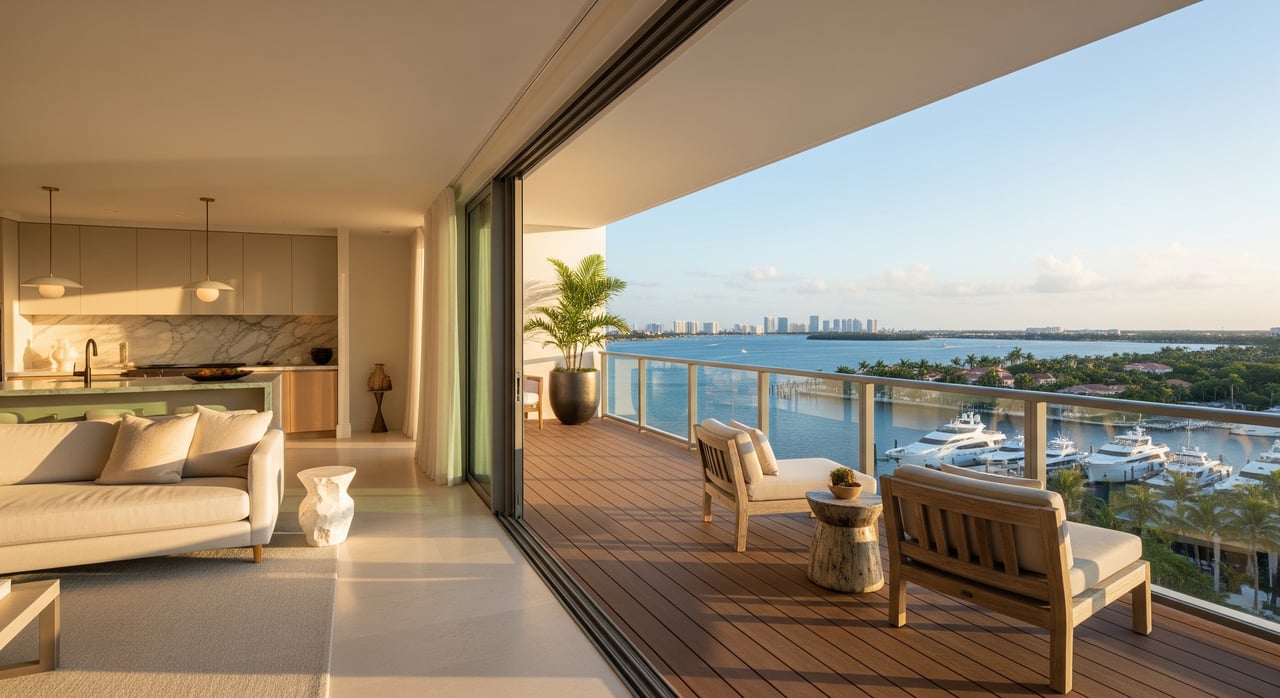
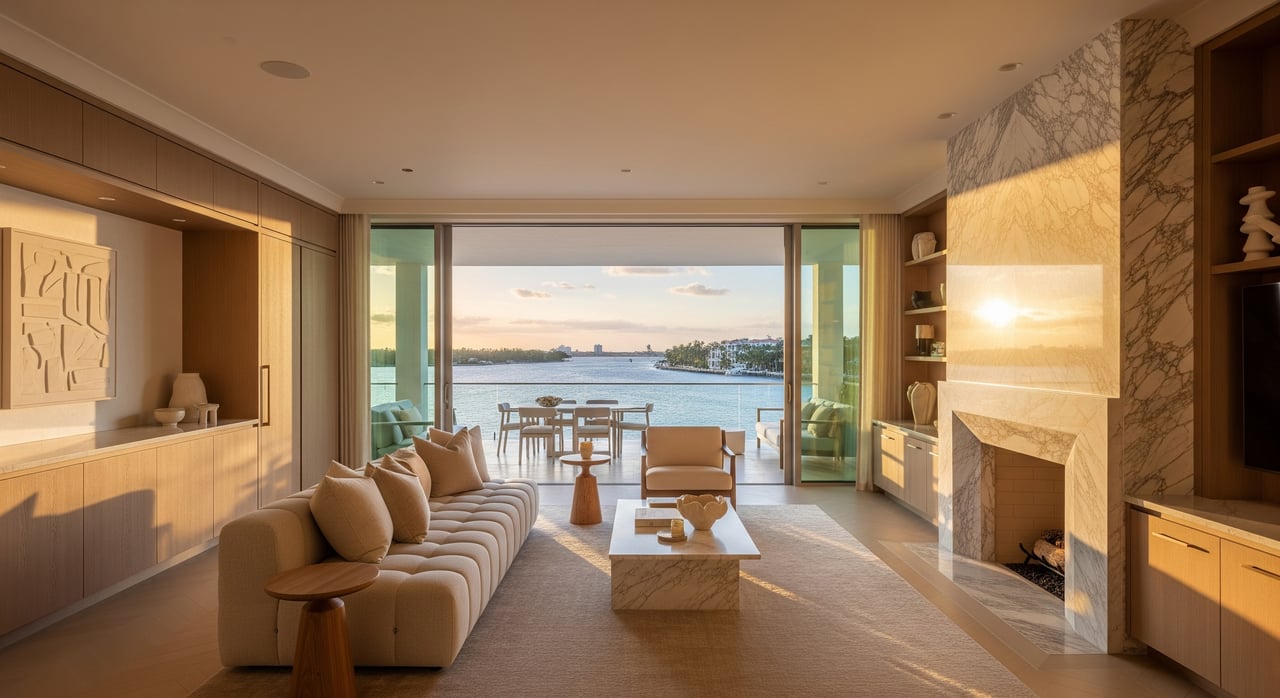
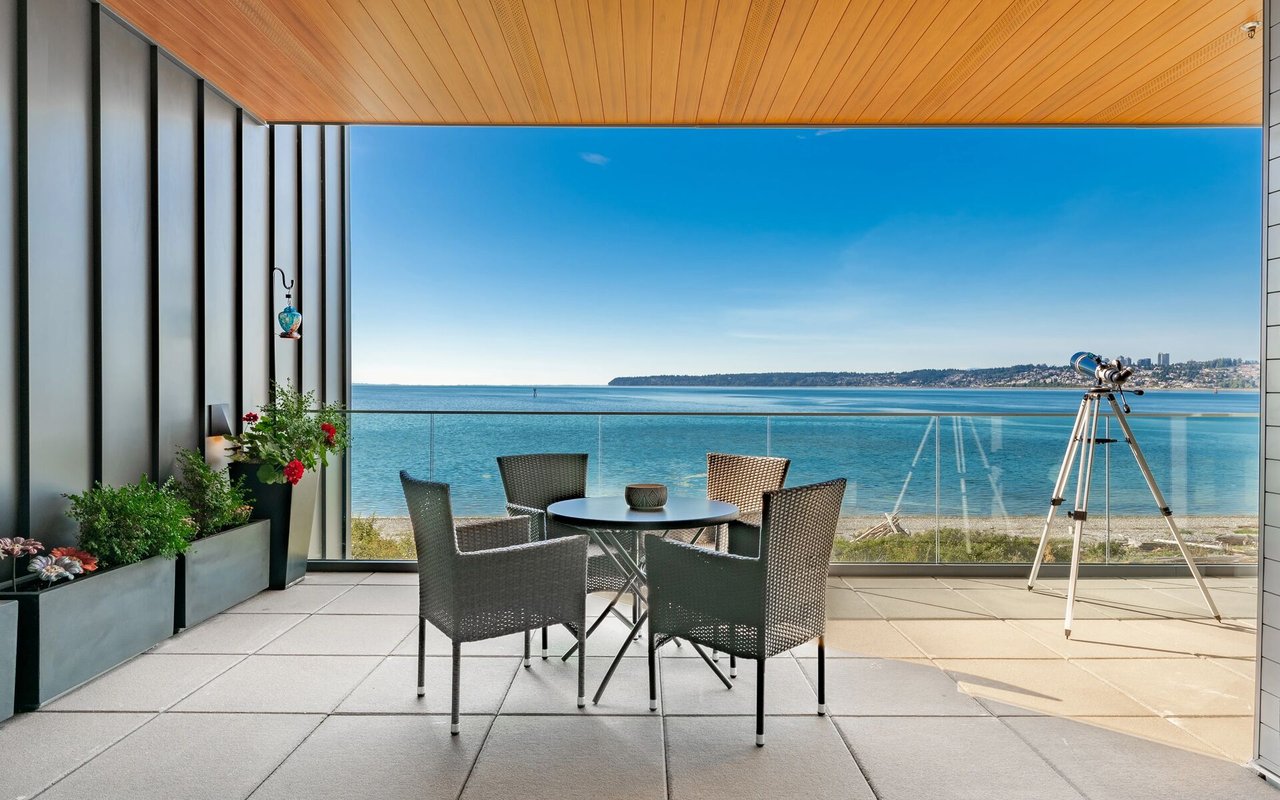
- Baywalk access and landscaped terraces that maximize water views.
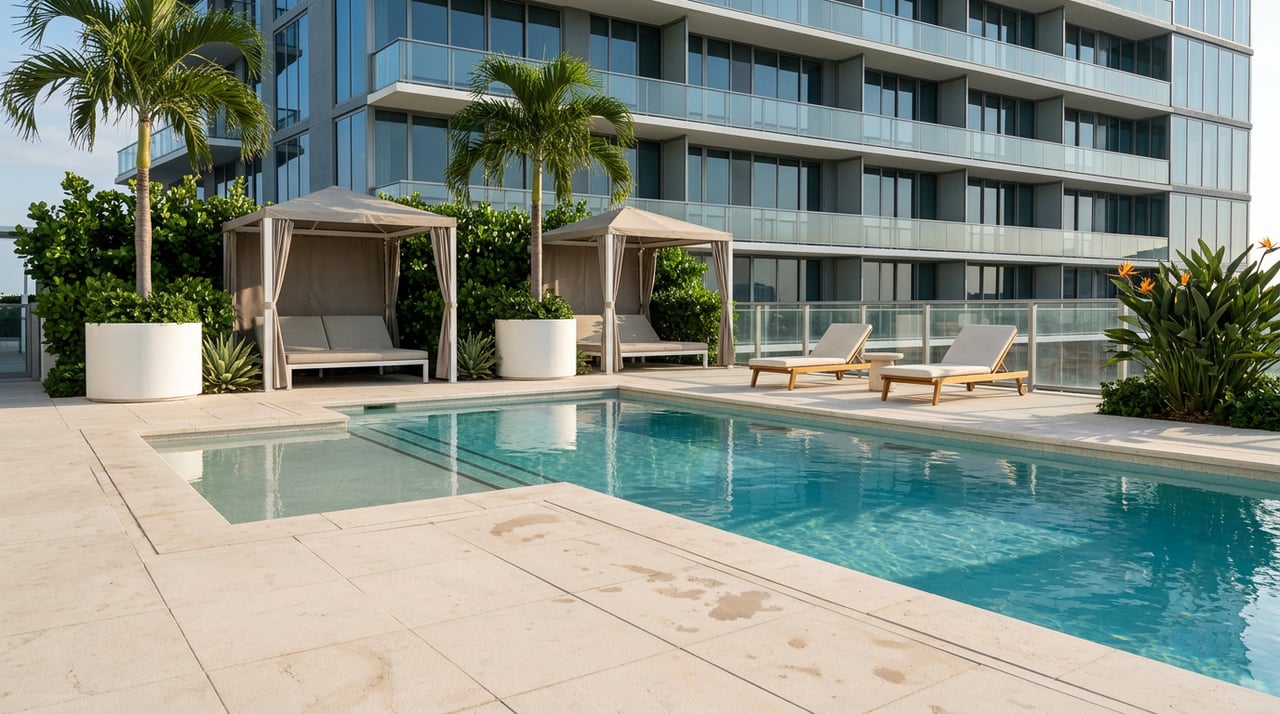
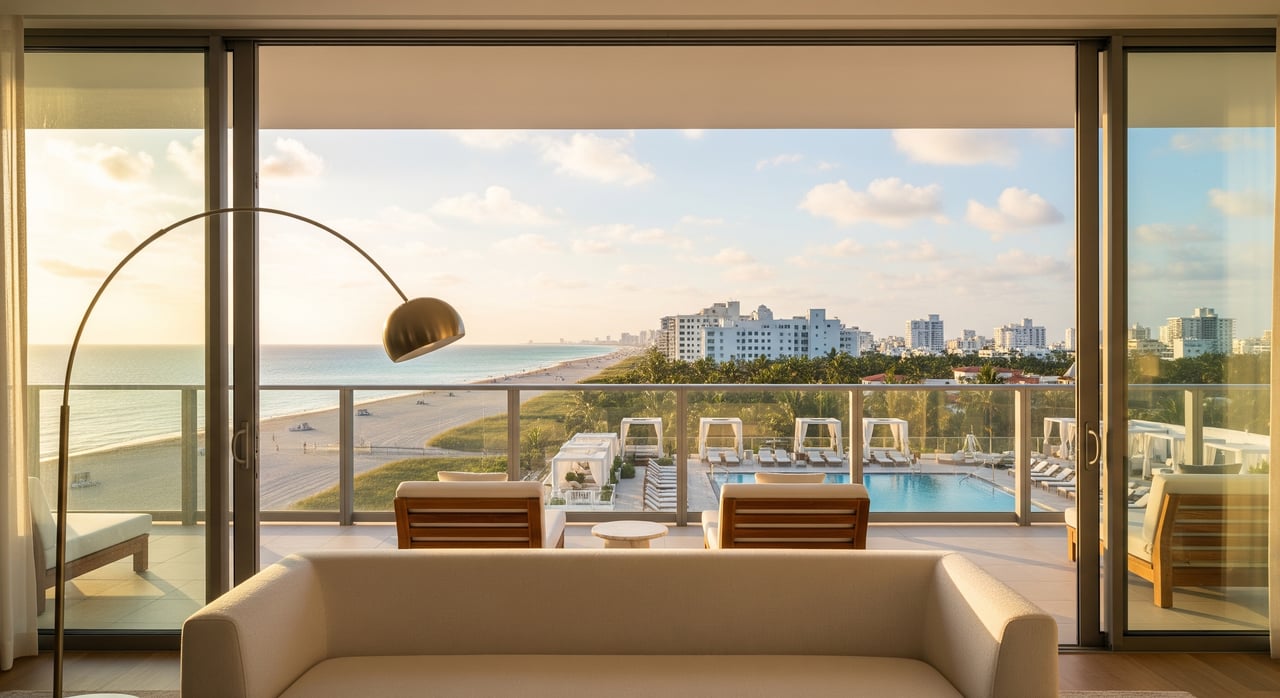
- Rooftop decks and pools oriented to Biscayne Bay sunsets.
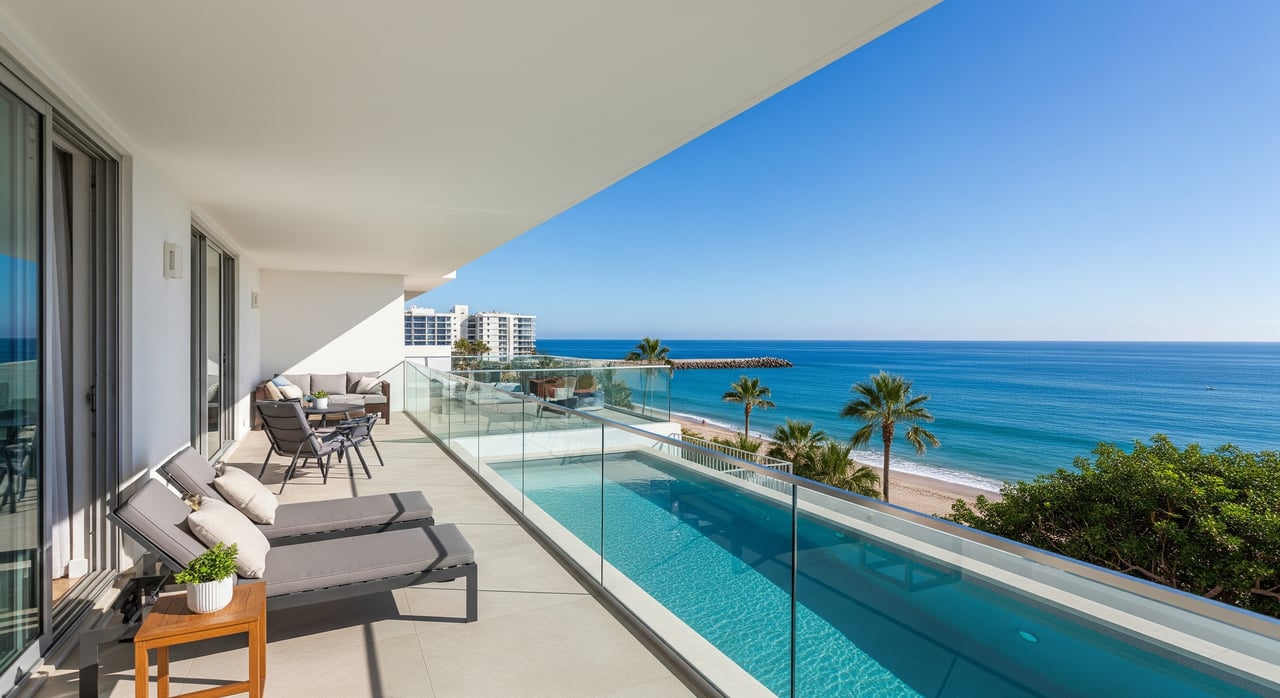
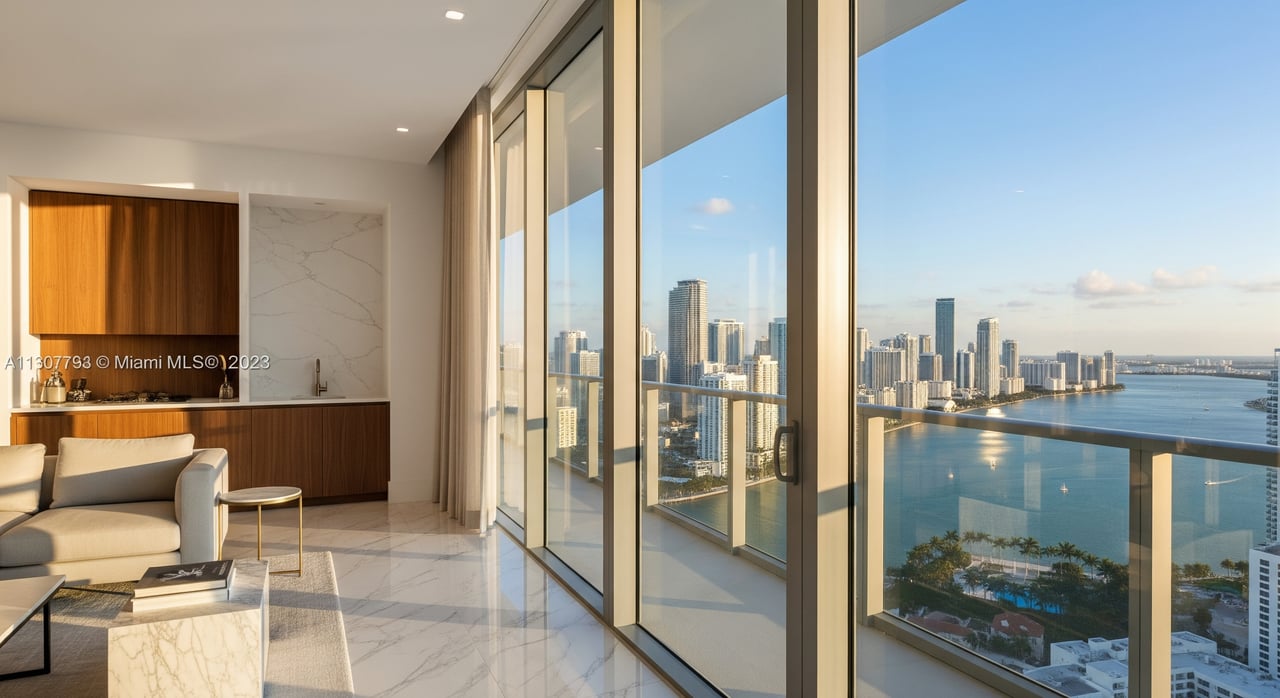
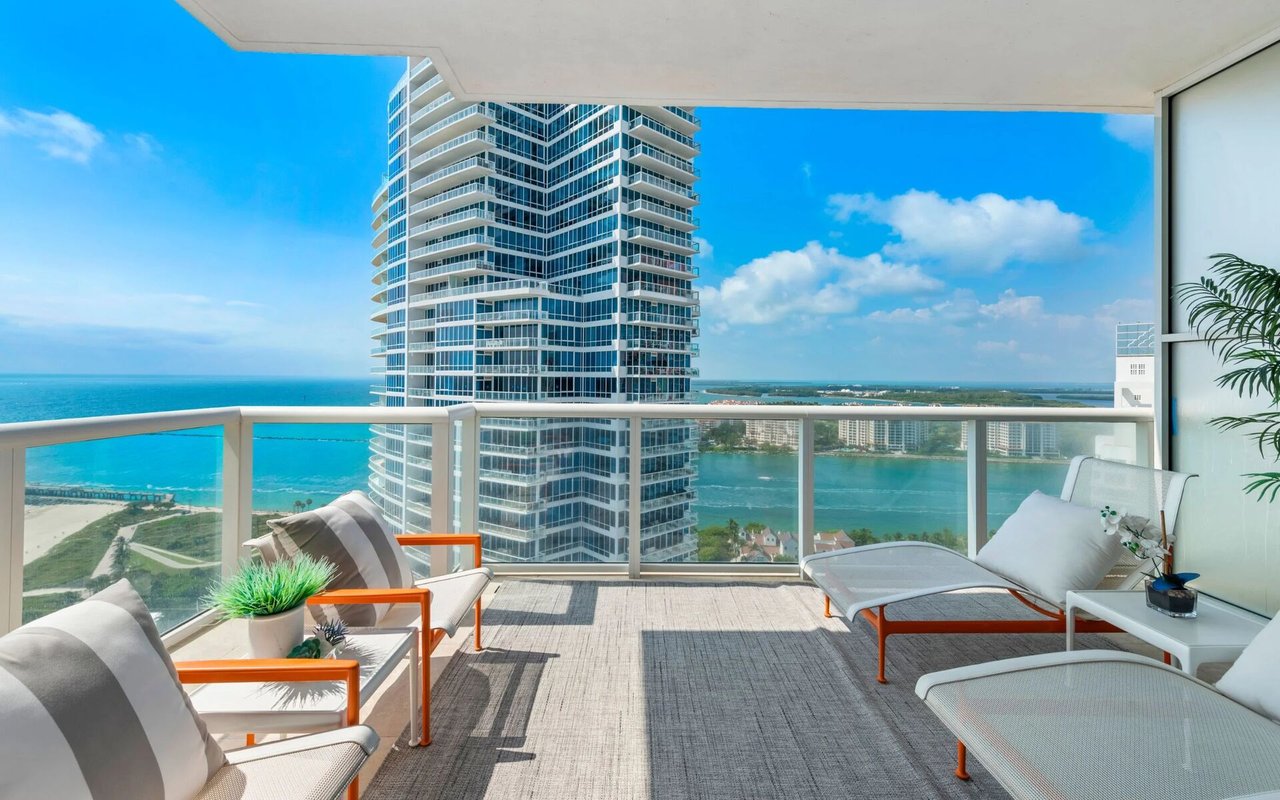
- Larger private balconies and outdoor kitchens that extend the living area.
Wellness and hybrid work
- Curated fitness centers with spa components like sauna and steam rooms.
- Pet‑friendly spaces such as dog runs and grooming rooms.
- Co‑working lounges, bookable meeting rooms, and tech‑ready business centers.
Service and hospitality cues
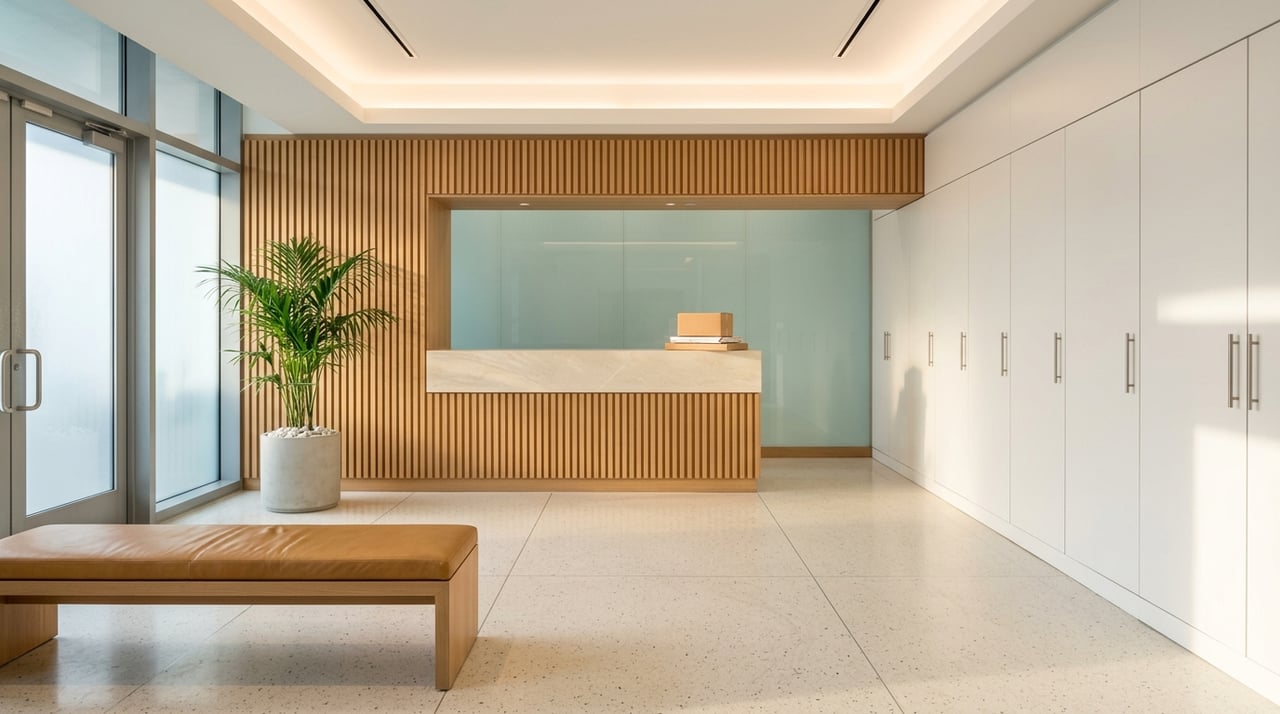
- Concierge, valet, package rooms, and food‑and‑beverage concepts at street level.
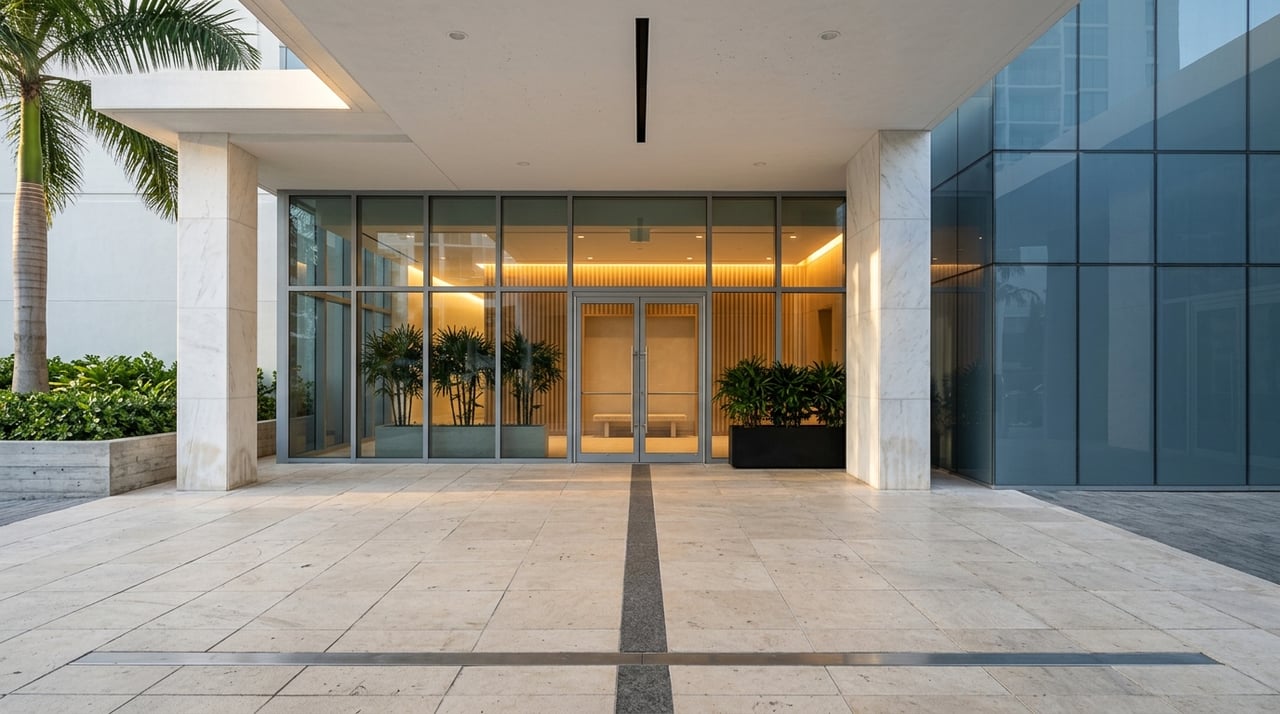
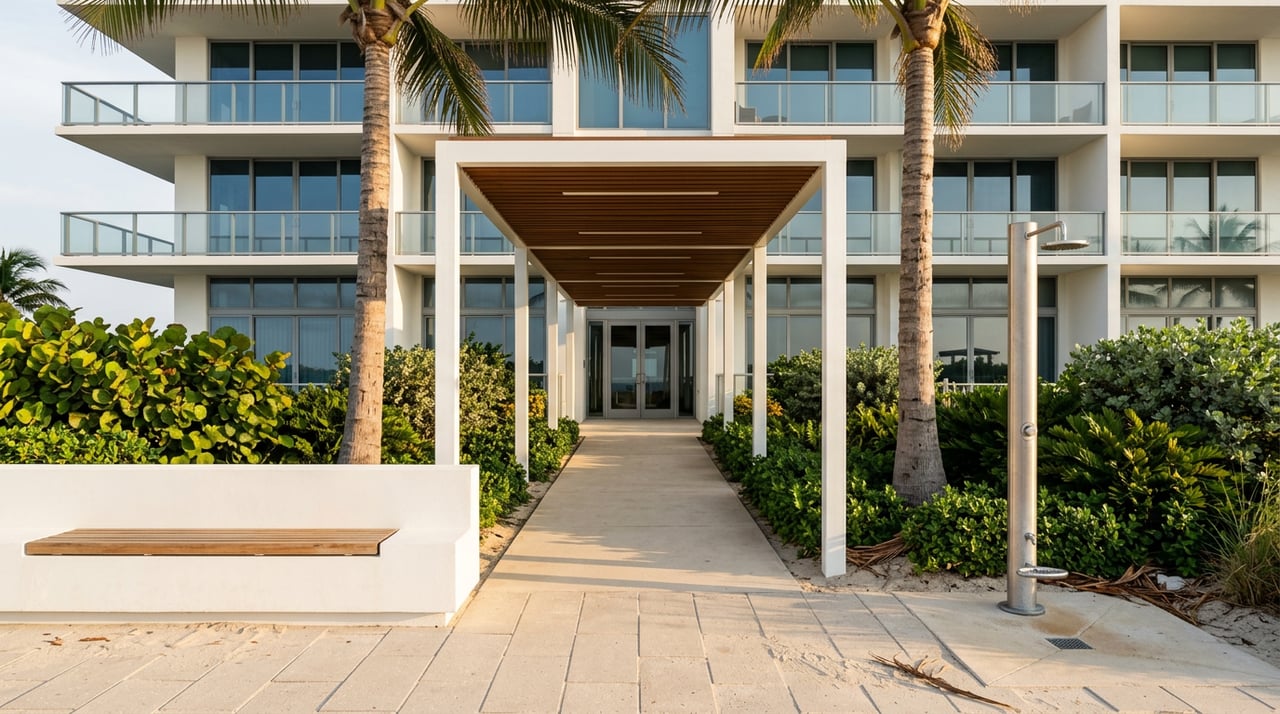
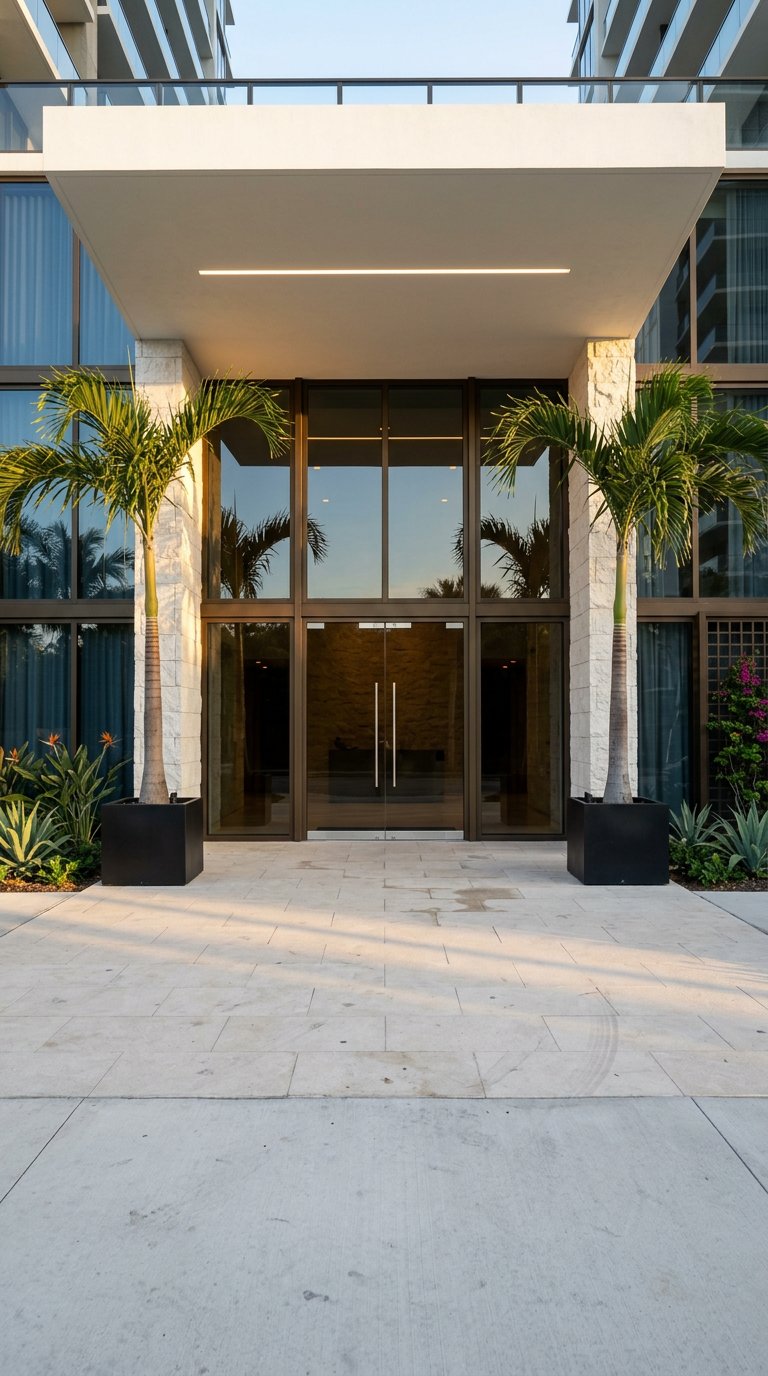
- Thoughtful arrival experiences that support ride‑share and deliveries.
Resilience and sustainability
- Hurricane‑rated glazing and doors, elevated and flood‑protected mechanical rooms, and backup power for key systems.
- EV charging, efficient HVAC and lighting, and green roof or certification considerations.
Unit mix and design direction
- Strong investor interest in 1–2 bedroom layouts for rental flexibility.
- Larger 2–4 bedroom bayside residences aimed at owner‑occupiers and high‑net‑worth buyers.
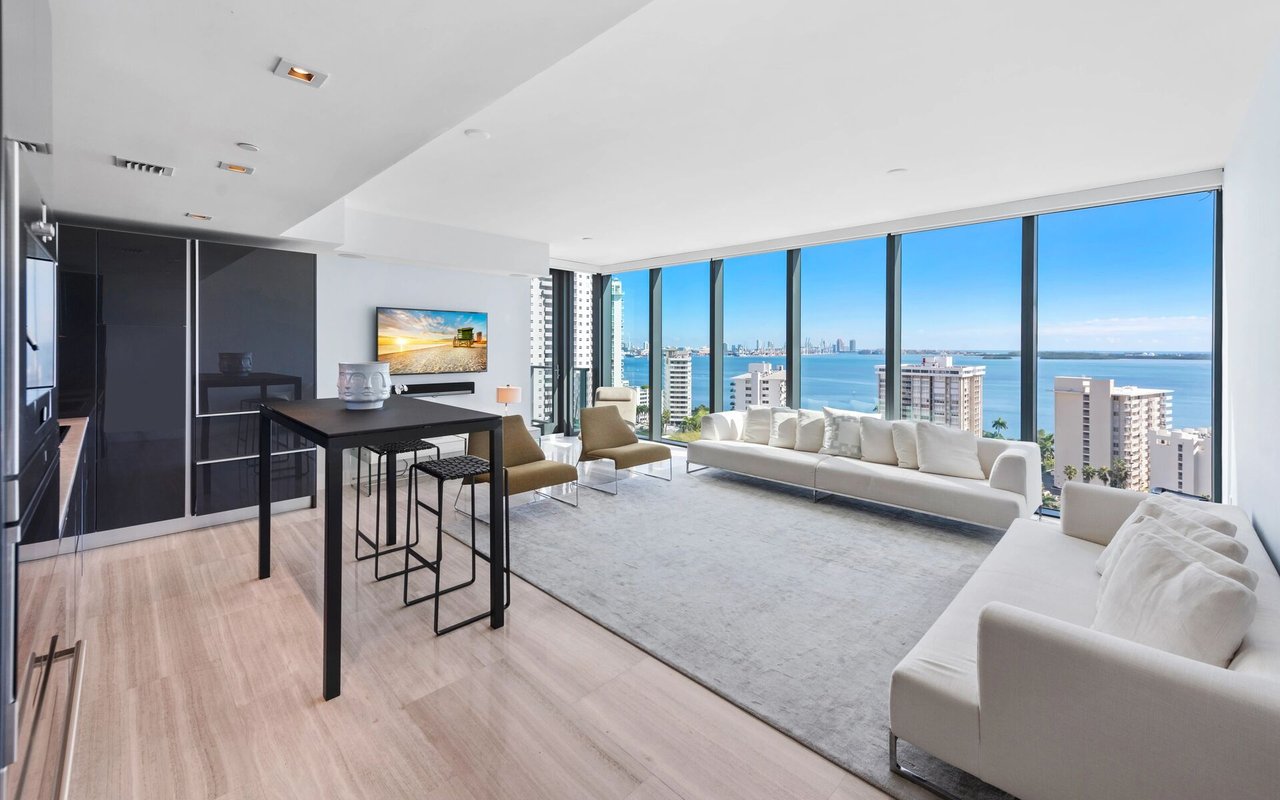
- Flexible plans with smart‑home features and indoor‑outdoor flow that appeal to international buyers.
How amenities affect HOA costs
High‑touch services and resort‑style features can increase monthly assessments. As you model returns, compare maintenance fees per square foot across comps and check reserve plans. Many costs are recurring, so verify the projected HOA budget early and build in conservative scenarios.
Development lifecycle and timing
Every site is unique, but most Miami mid‑ and high‑rise condo projects move through similar phases:
Typical phases
- Site acquisition and due diligence. Assemblages can take months or years.
- Entitlements and permitting. Zoning approvals, community hearings, and permits often run 6–24 months.
- Presales and sales launch. Marketing, gallery openings, and deposit collection usually span 6–24 months. Lenders often require presale thresholds before closing a construction loan.
- Vertical construction. Build‑out for mid/high‑rises commonly takes 18–36+ months.
- Certificate of Occupancy and closings. Expect 3–6 months after substantial completion.
Planning your hold period
- From presale launch to completion, a realistic range is 24–48 months in Miami.
- From major permit filings to topping out, plan on 12–30 months depending on scale.
- Shifts in interest rates, materials, or equity markets can change schedules or trigger redesigns.
How to track presales and verify status
You can monitor project progress with a mix of public records, industry coverage, and on‑the‑ground checks:
- Public permits and approvals. Review applications and statuses via the Miami‑Dade County permitting portal and the City of Miami Planning and Zoning agendas. Look for site plan approvals, variances, and building permits.
- Ownership and entities. Confirm the developer entity on the Florida Division of Corporations (Sunbiz) and match parcels on the Miami‑Dade Property Appraiser.
- Media and trade coverage. Large launches and financing milestones are often reported by outlets like The Real Deal’s Miami coverage and Miami Herald real estate.
- Pipeline data providers. Services like CoStar and Yardi Matrix track under‑construction and planned inventory for deeper analysis.
- Site visits and sales galleries. Visit the location, read construction signage, and sign up for developer email lists to get timely updates.
Investor due diligence checklist
Before you sign a presale contract, walk through these essentials:
- Developer track record. Review past deliveries, litigation history, and financial stability of sponsors and JV partners.
- Legal documents. Examine the condo declaration, bylaws, limited warranty, purchase contract, and any rental or short‑term rental restrictions with local condo counsel.
- Deposit structure and escrow. Understand staged deposits, refund terms, and whether funds sit in escrow or are used for construction.
- Construction financing. Ask whether the construction loan has closed and who the lender is; this can reduce risk.
- Completion protections. Note estimated delivery dates, completion guarantees, and remedies for delays.
- HOA budget and reserves. Verify projected assessments, reserve funding, and how expenses are allocated.
- Specs that matter. Check floor‑to‑floor heights, MEP locations, hurricane glazing specs, and the finished floor elevation relative to base flood elevation.
- Entitlements and permits. Confirm approvals and look for unresolved variances or community opposition that could impact timing.
- Insurance and flood risk. Review coverage availability and expected premiums. Cross‑check the site on the FEMA flood maps.
- Comps and absorption. Use recent Edgewater closings and upcoming deliveries to gauge price per square foot and rental competition in your target window.
Key risks to model upfront
- Construction and cost risk. Labor, materials, and interest costs can change design, push schedules, or stall projects.
- Market and timing risk. A surge of new inventory in a tight window may compress pricing and yields.
- Regulatory risk. Zoning variances, neighborhood feedback, or policy updates around short‑term rentals or building codes can alter use and economics.
- Insurance and environmental risk. Waterfront exposure raises wind and flood considerations; resilient design and higher elevations can help, but premiums still impact NOI.
- Cross‑border and financing complexity. International buyers may face higher down payments or different underwriting standards. Many choose all‑cash or alternative financing structures.
- Rental and resale rules. Confirm leasing restrictions, STR policies, and any hotel‑residential components that affect holding strategy.
Building your Edgewater plan with a trusted partner
Edgewater’s pipeline can be an attractive path to capital appreciation and rental income, but the details determine outcomes. When you combine clear timelines, verified entitlements, and conservative HOA and insurance modeling, you put yourself in control.
If you want a bilingual, end‑to‑end partner to help you source, verify, and manage your Edgewater investment, we are here for you. From presale discovery and legal or tax coordination to property setup and rental management, The Ana Vega Group provides a concierge experience for international and U.S. buyers. Schedule a VIP Consultation and we’ll tailor a step‑by‑step plan for your goals.
FAQs
How do I verify an Edgewater presale is legitimate?
- Check permits on the Miami‑Dade and City of Miami portals, confirm the developer entity on Sunbiz, visit the sales center, and use a local title company to confirm parcel status.
How long from presale purchase to closing in Miami?
- Many mid/high‑rise projects deliver 24–48 months after presale launch, with final closings typically 3–6 months after substantial completion.
Are presale prices in Edgewater lower than resale?
- Developers may offer presale incentives or flexible deposits, but pricing varies by cycle and positioning; compare to recent comps and include HOA and carrying costs in your break‑even.
What amenities support resale value in Edgewater?
- Bay views, sizable private terraces, parking, and resilient construction features are consistent value drivers; weigh these against higher HOA costs from larger amenity packages.
Can international buyers finance a Miami presale?
- Some lenders offer foreign‑buyer loans with higher down payments and stricter underwriting; many international buyers use cash or cross‑collateralized financing.
How do I assess flood exposure for a waterfront condo?
- Review the building’s finished floor elevation versus base flood elevation, resilience features, and expected premiums, then verify the site on FEMA flood maps and model long‑term costs.