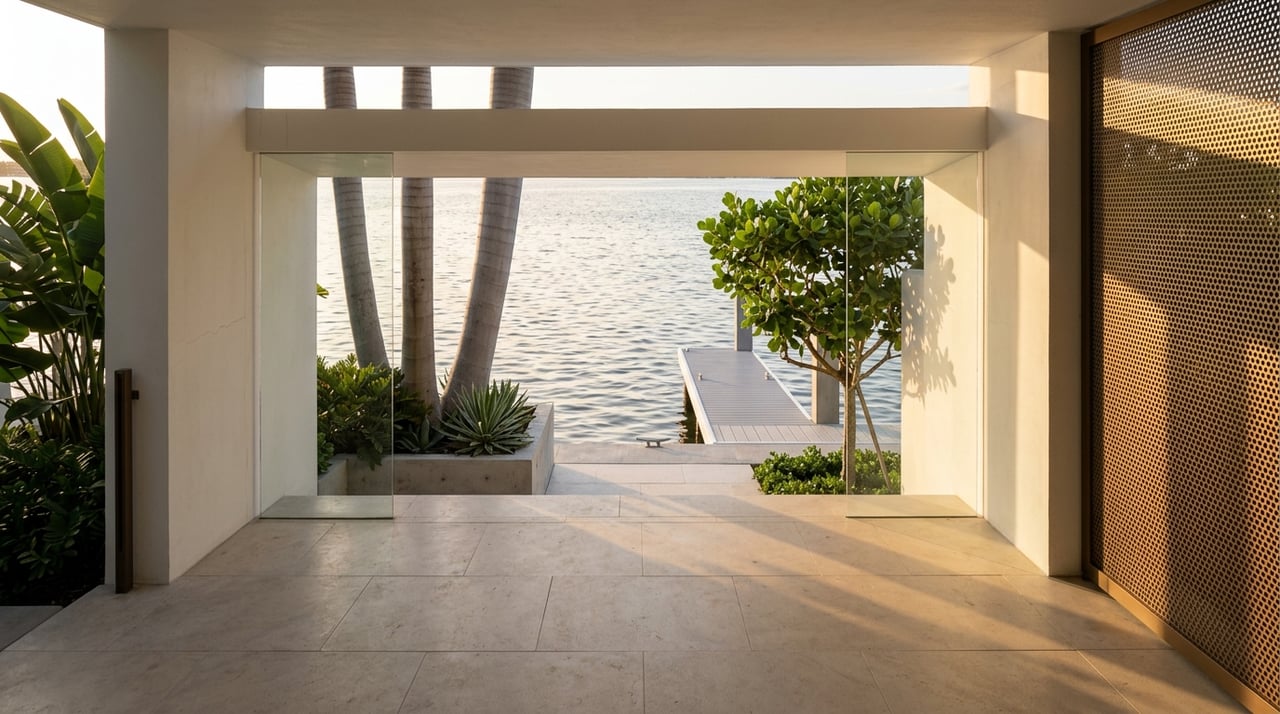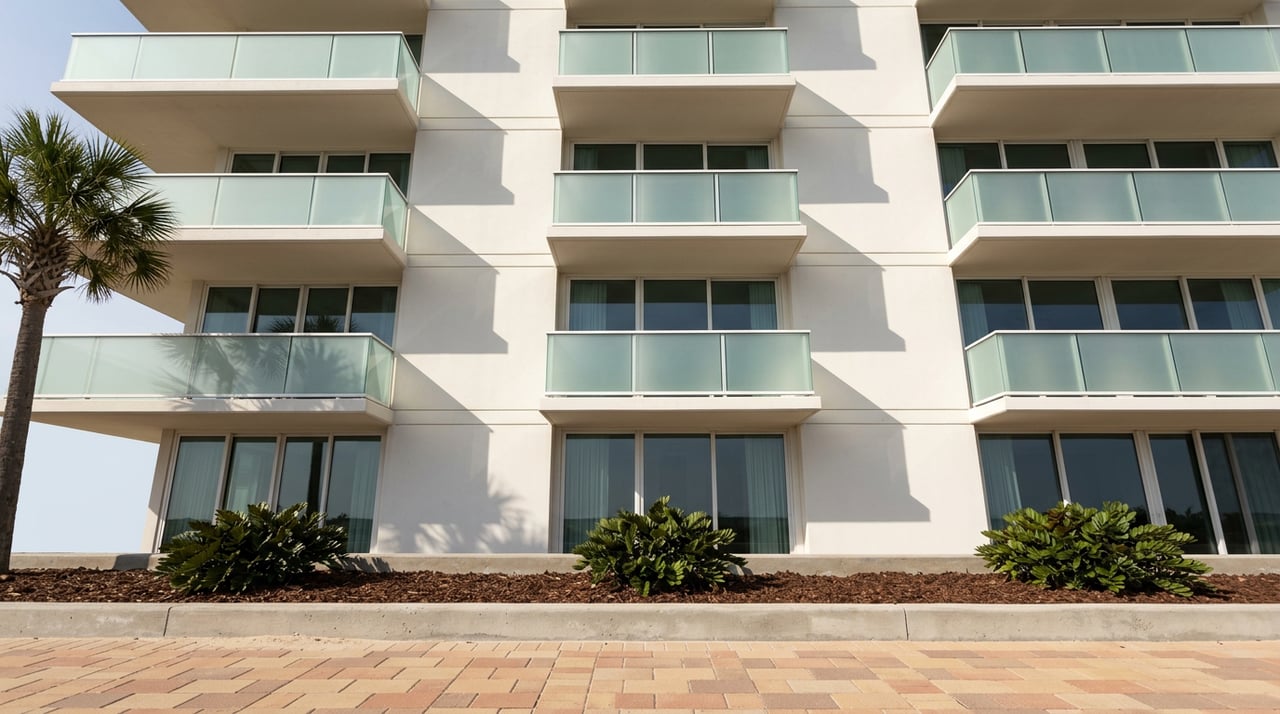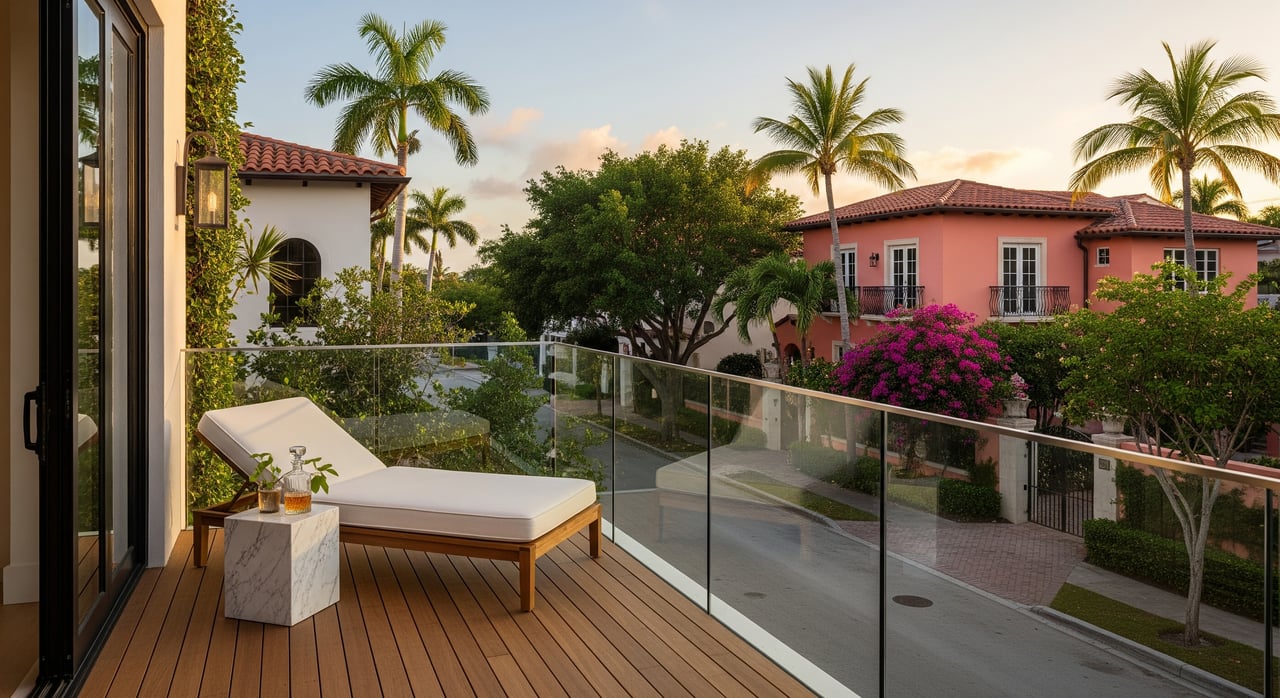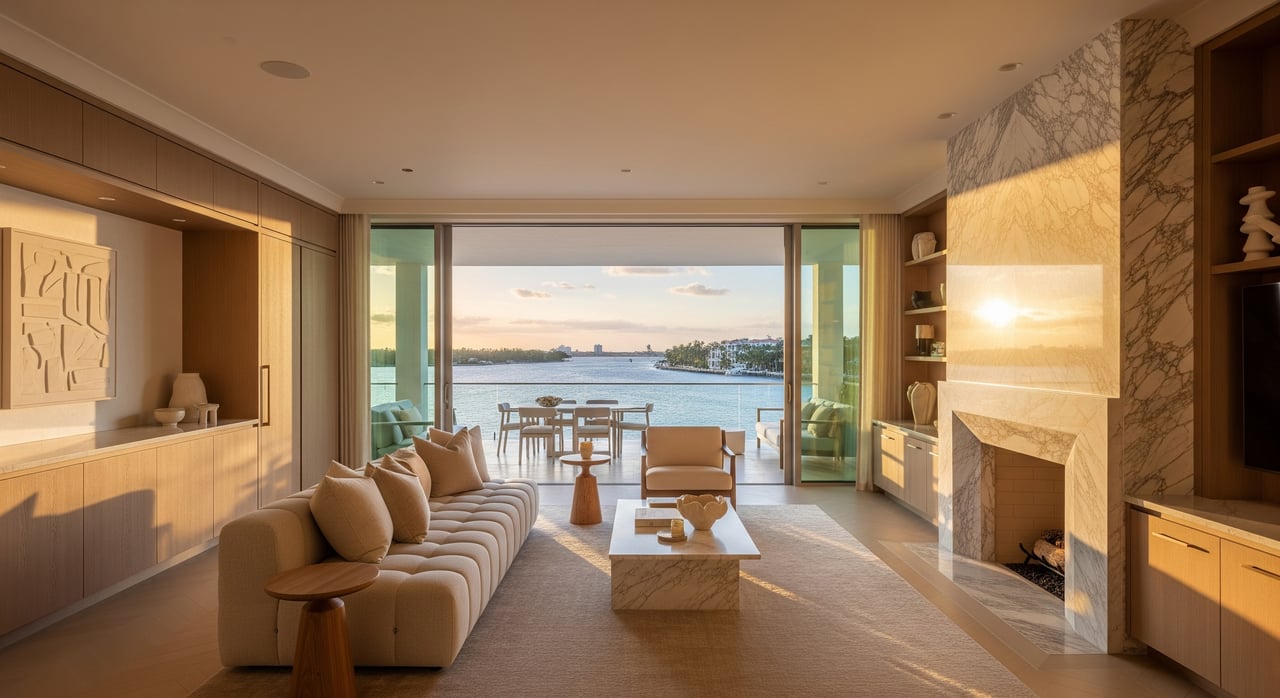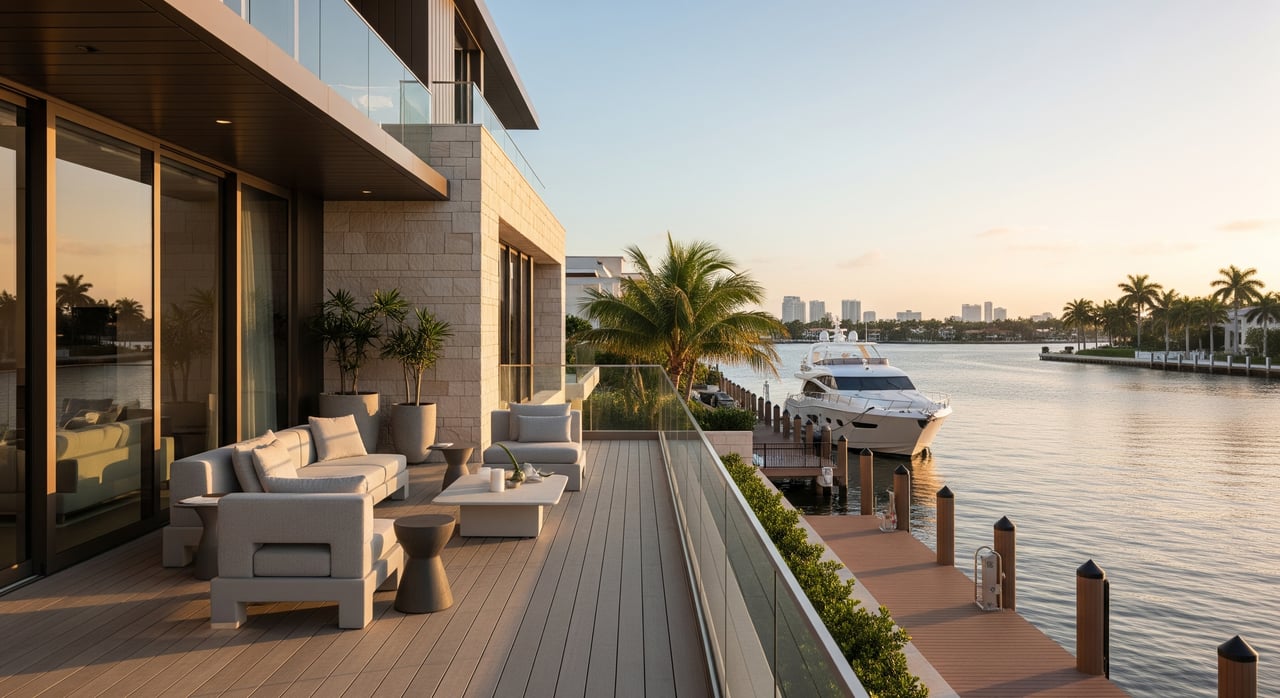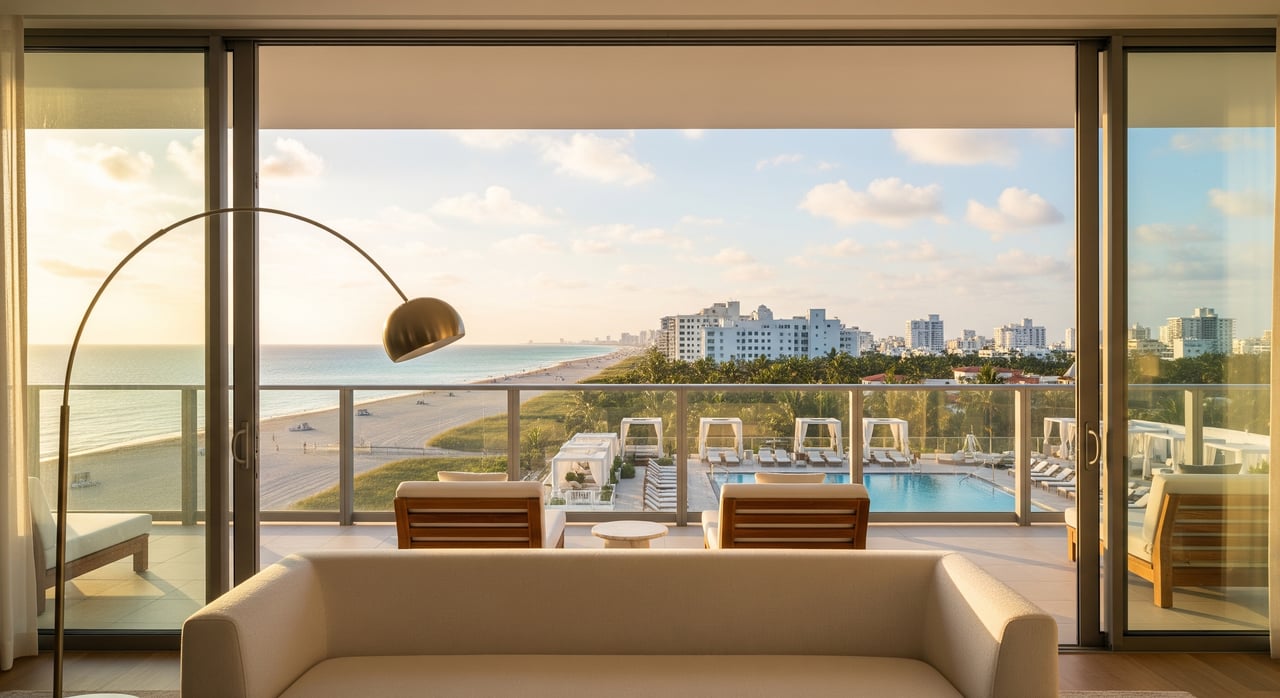
If you are shopping for a waterfront condo in Fort Lauderdale, one question can shape your whole search: do you want the beach, the Intracoastal, or the river? While all three offer water views and a South Florida lifestyle, they do not live the same way day to day. Understanding the difference can help you choose a property that fits how you want to spend your time, how you plan to use the home, and what kind of rental or ownership strategy makes sense. Let’s dive in.
Why Fort Lauderdale Waterfront Is Not One Category
Fort Lauderdale is one of the most water-connected cities in South Florida. The city notes that it has 165 miles of scenic inland waterways, and Greater Fort Lauderdale promotes more than 300 miles of navigable waterways and over 100 marinas. That scale matters because it creates distinct waterfront condo experiences, not just a single “waterfront” market.
For condo buyers, the three main choices usually come down to Central Beach, the Intracoastal corridor, and the New River area near downtown. Each setting has a different rhythm, different surroundings, and different practical considerations. The best fit depends less on what looks good in photos and more on how you want to live.
Beach Condos: Best for Sand Access
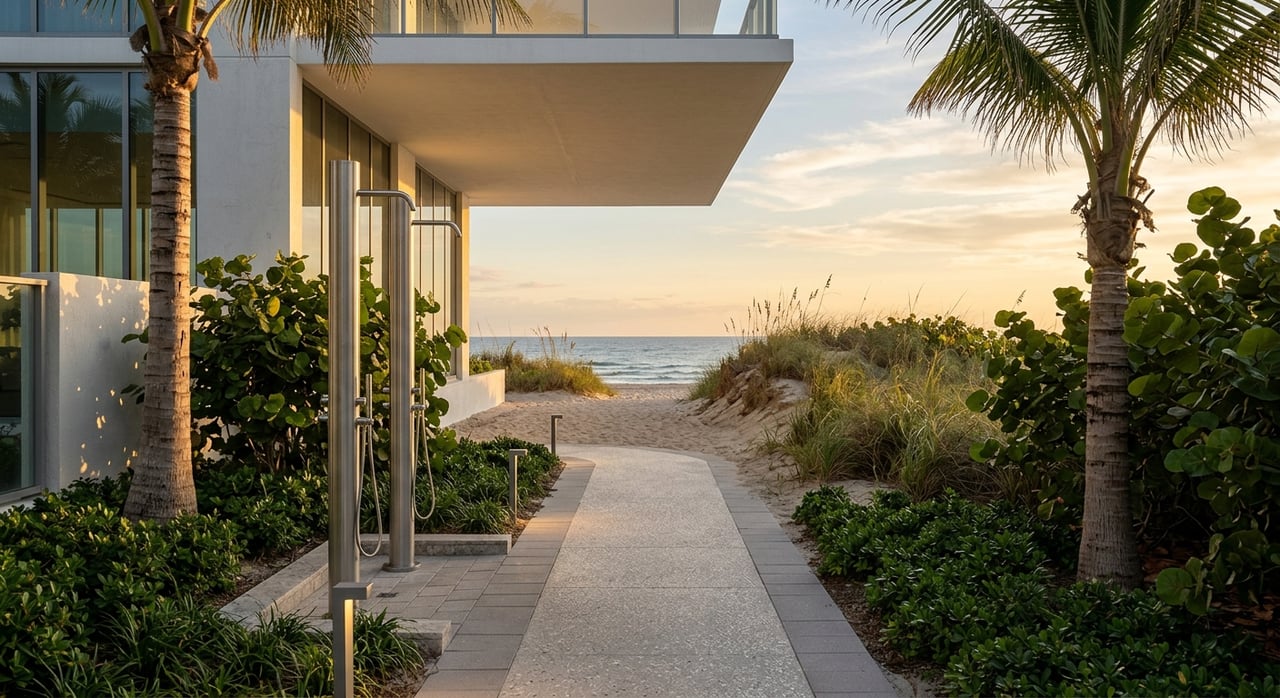
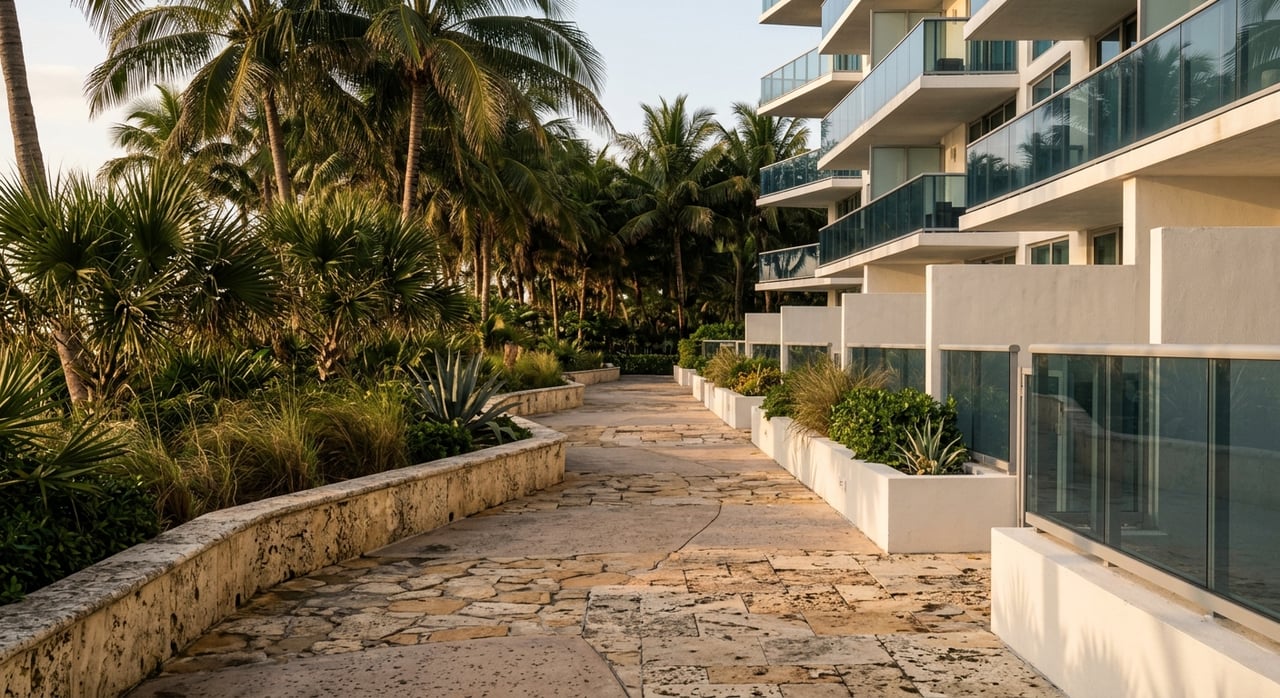
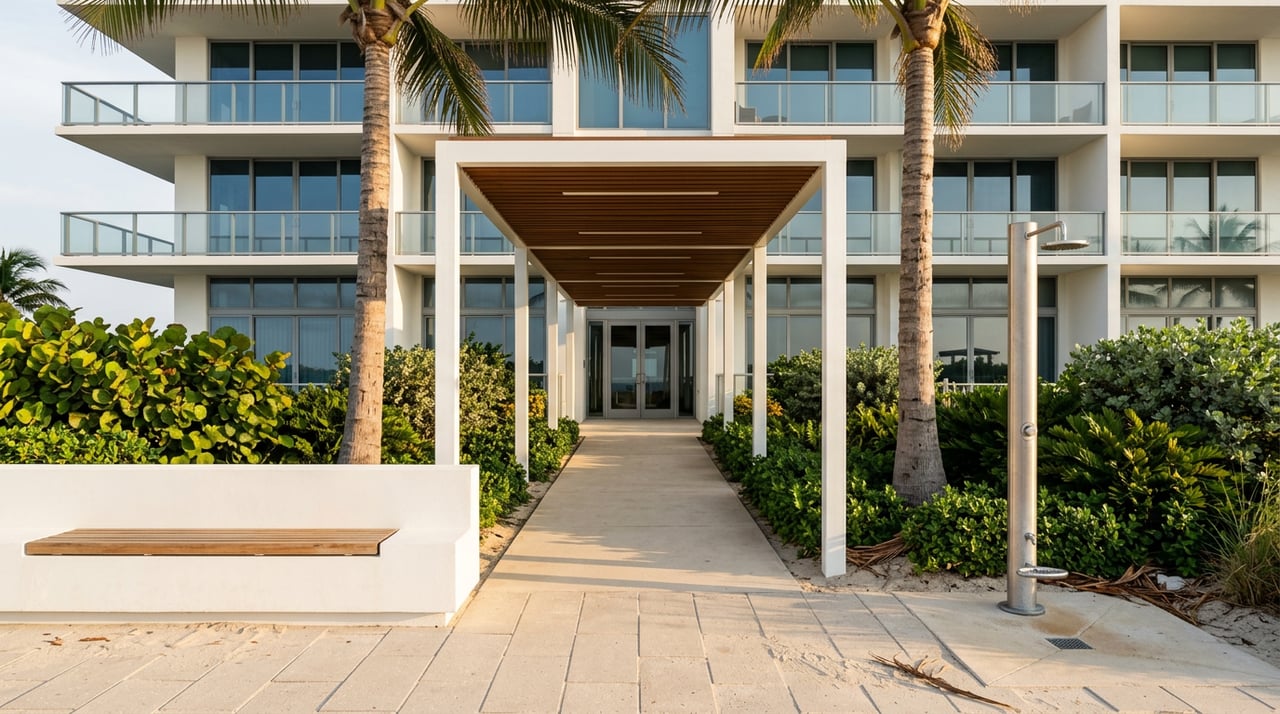
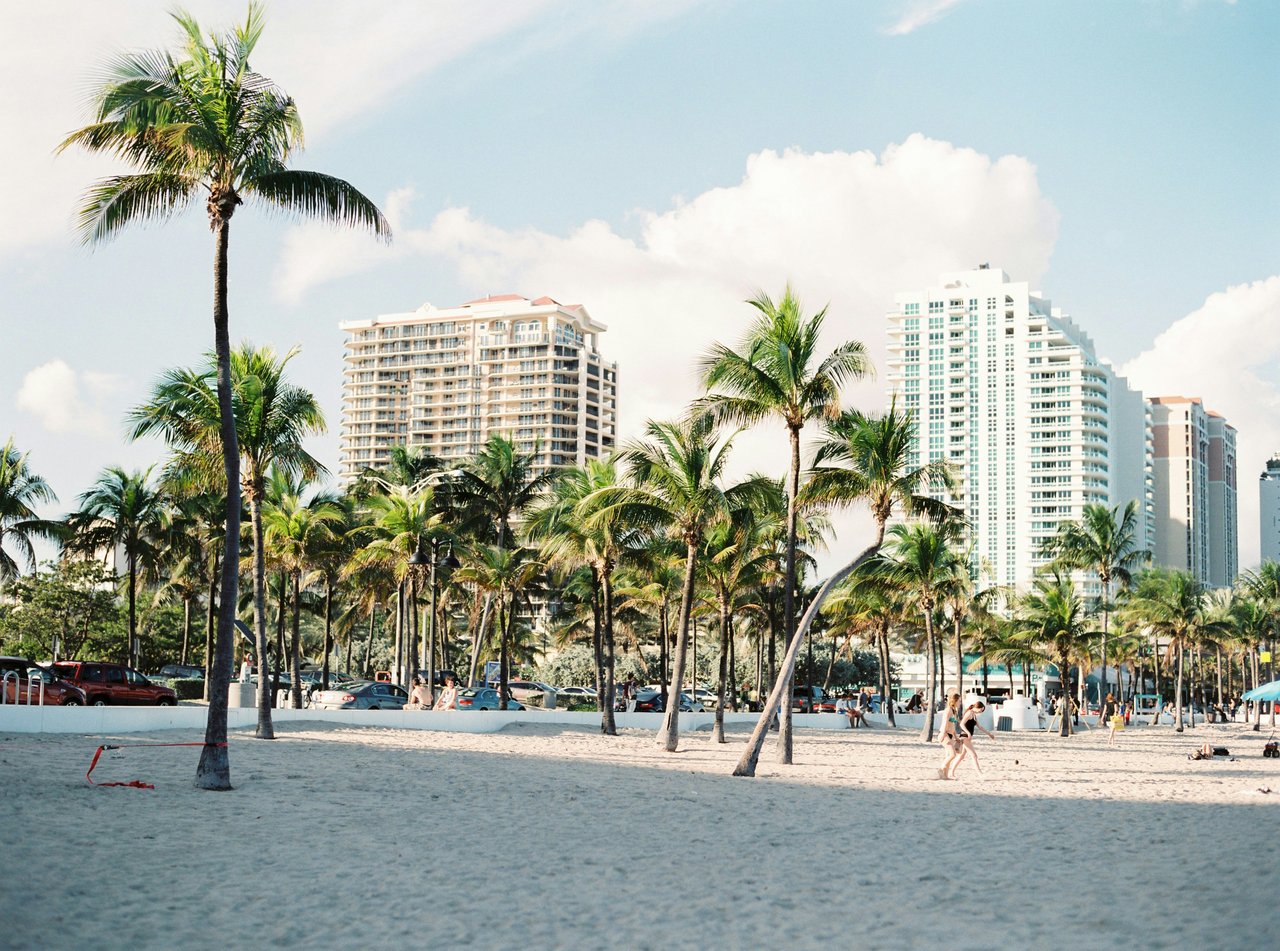
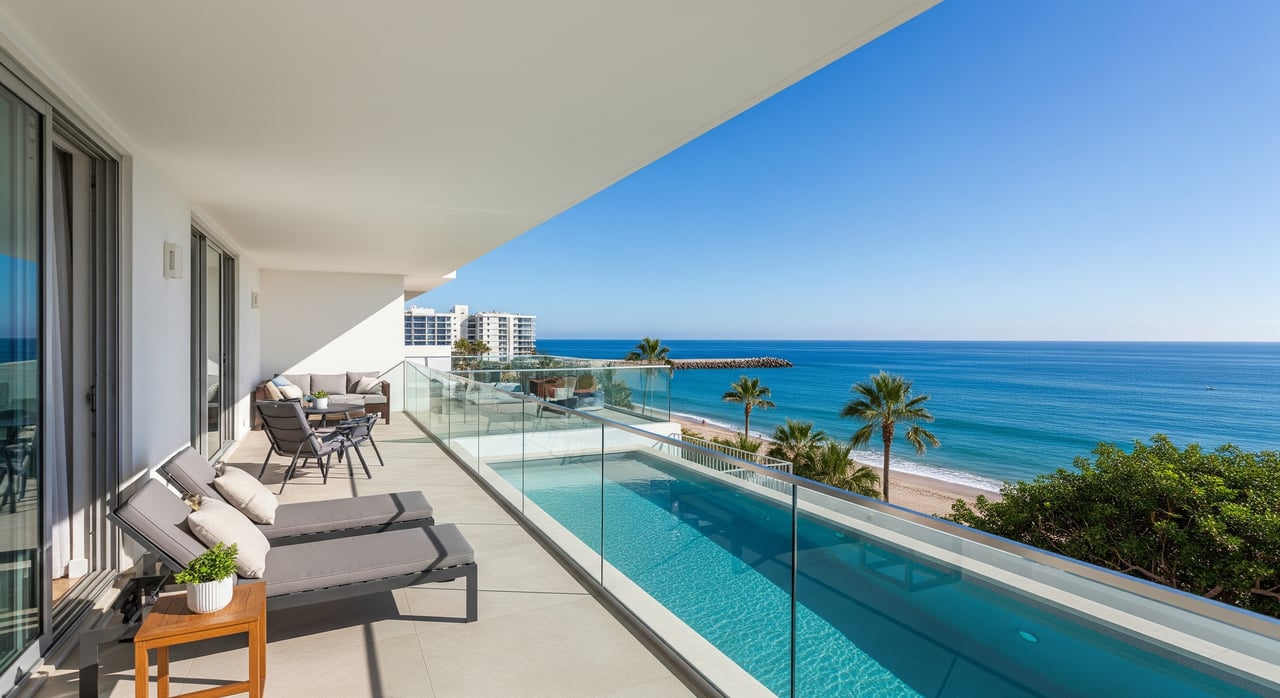
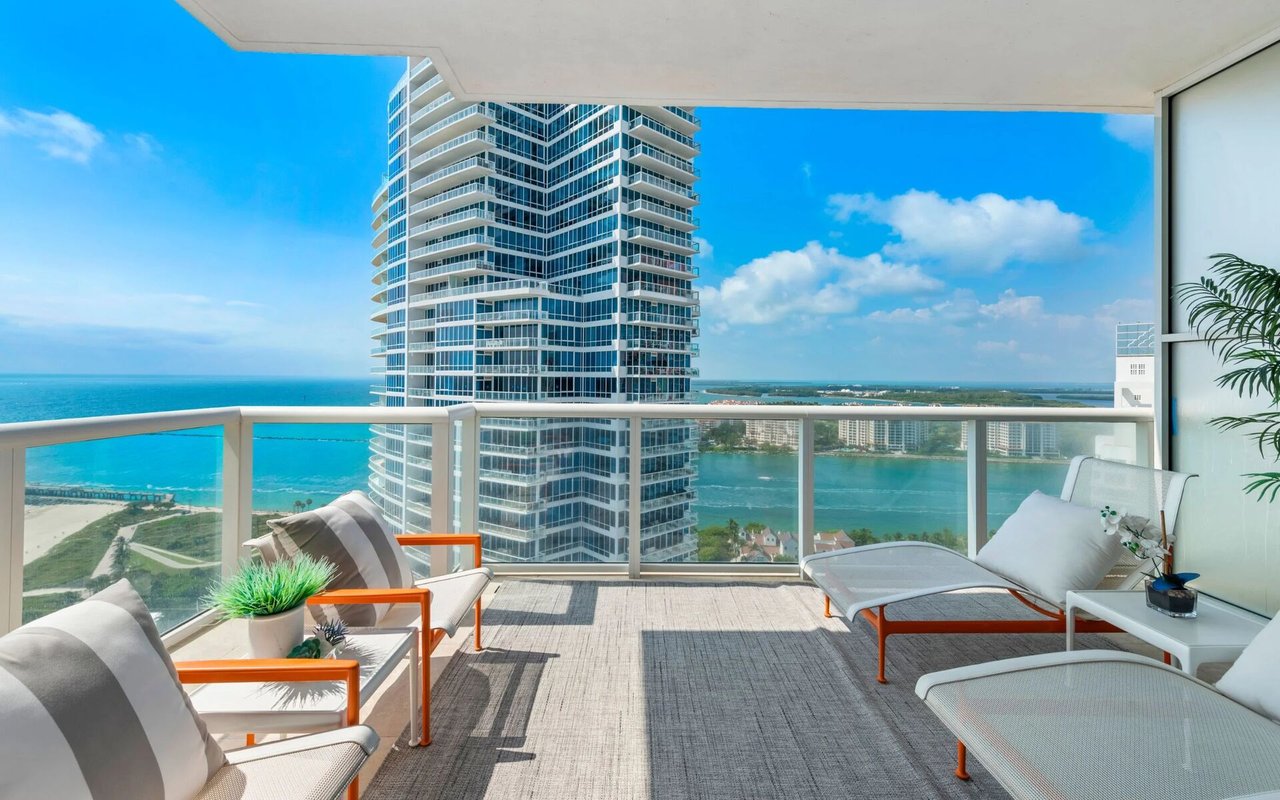
If your priority is stepping out close to the sand, the beach corridor is usually the most natural fit. In Fort Lauderdale, the Central Beach area is planned around an active pedestrian environment, open space, and streetscape design that supports a lively coastal setting. This creates a more resort-urban feel than the inland waterfront options.
Fort Lauderdale Beach is also promoted as a major visitor destination along A1A. That means this area often feels more tied to the beach lifestyle first, with public improvements and a setting built around the shoreline experience. If you picture morning walks near the ocean, easy beach days, and a vibrant coastal atmosphere, this corridor tends to deliver that best.
What the beach lifestyle feels like
Beach condos usually appeal to buyers who want the water experience to start with the ocean itself. The setting is often more about direct access to the shoreline and a visually open, coastal environment than about docking a boat or being close to downtown culture.
This can be a strong match if you are looking for:
- Immediate or near-immediate beach access
- A resort-style atmosphere
- A pedestrian-oriented coastal corridor
- A home that feels tied to the oceanfront experience
Who may prefer beach condos
You may lean toward the beach if your ideal Fort Lauderdale condo is more lifestyle-driven than boat-driven. It can also suit second-home buyers who want a recognizable coastal setting with a strong vacation feel.
That said, “waterfront” here often means your daily life revolves around the beach corridor, not the boating infrastructure that defines other parts of the city. If you want to spend more time on docks, at marinas, or moving by boat, another corridor may fit better.
Intracoastal Condos: Best for Boating Access
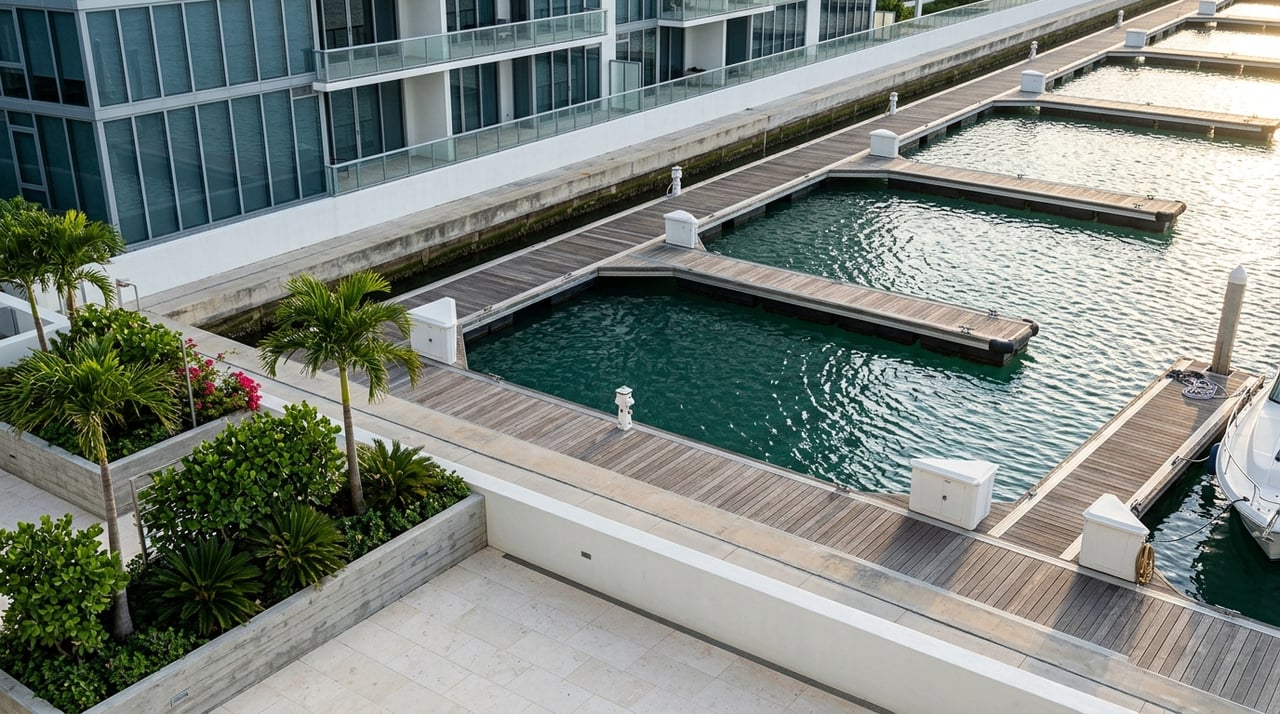
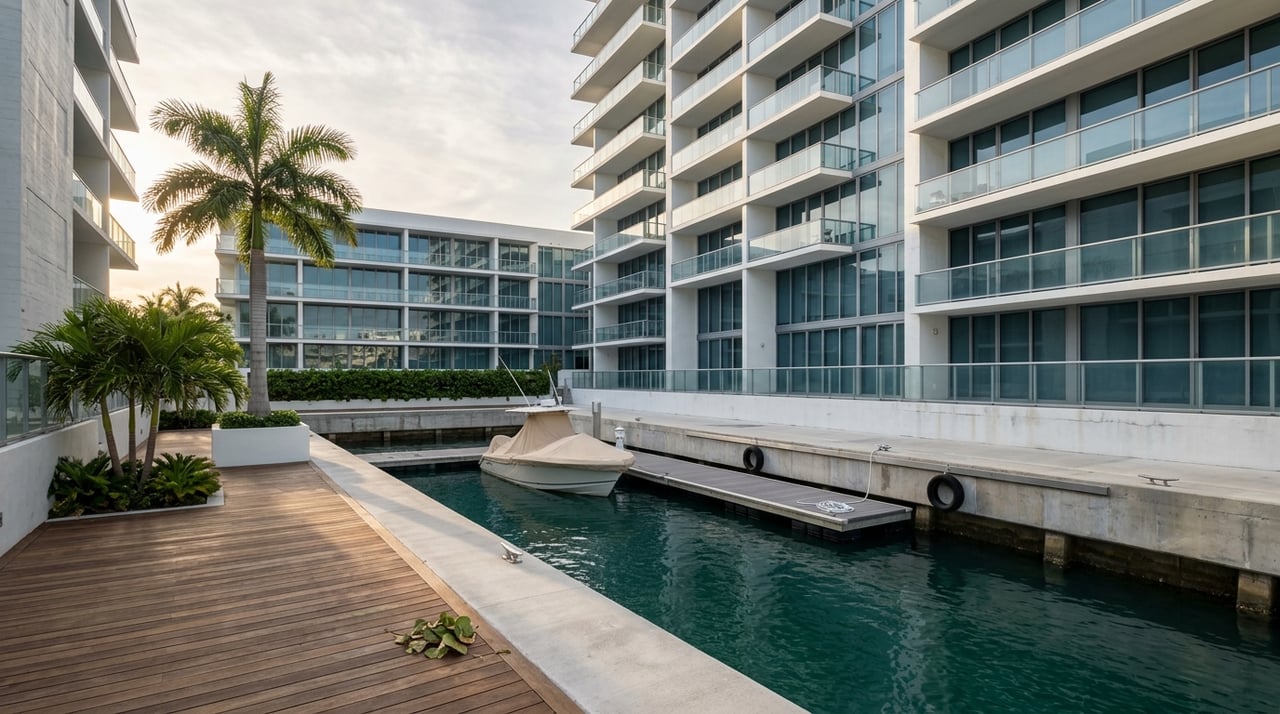
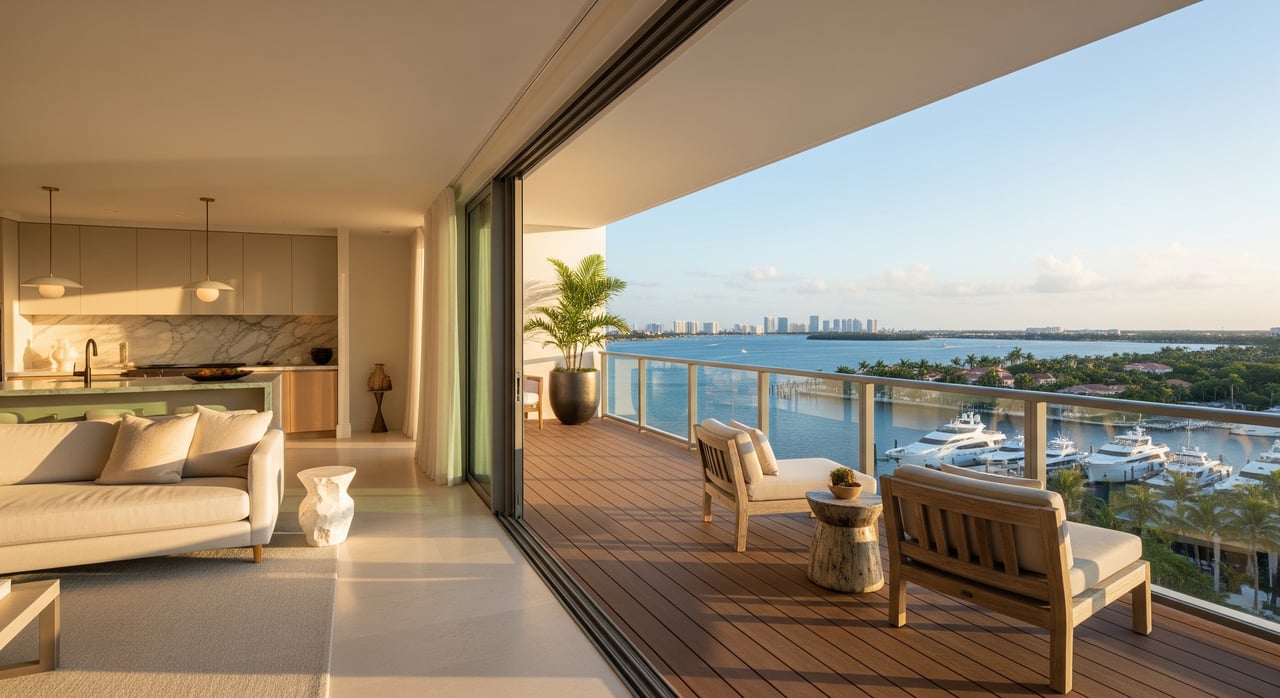
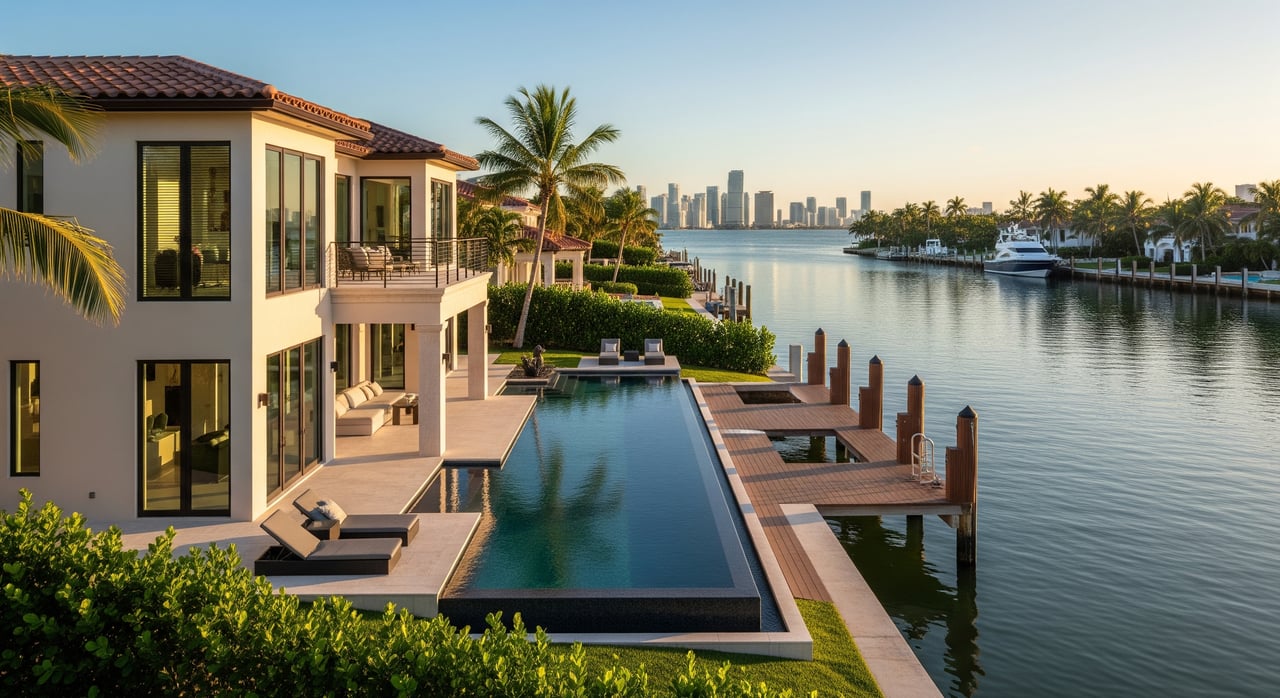
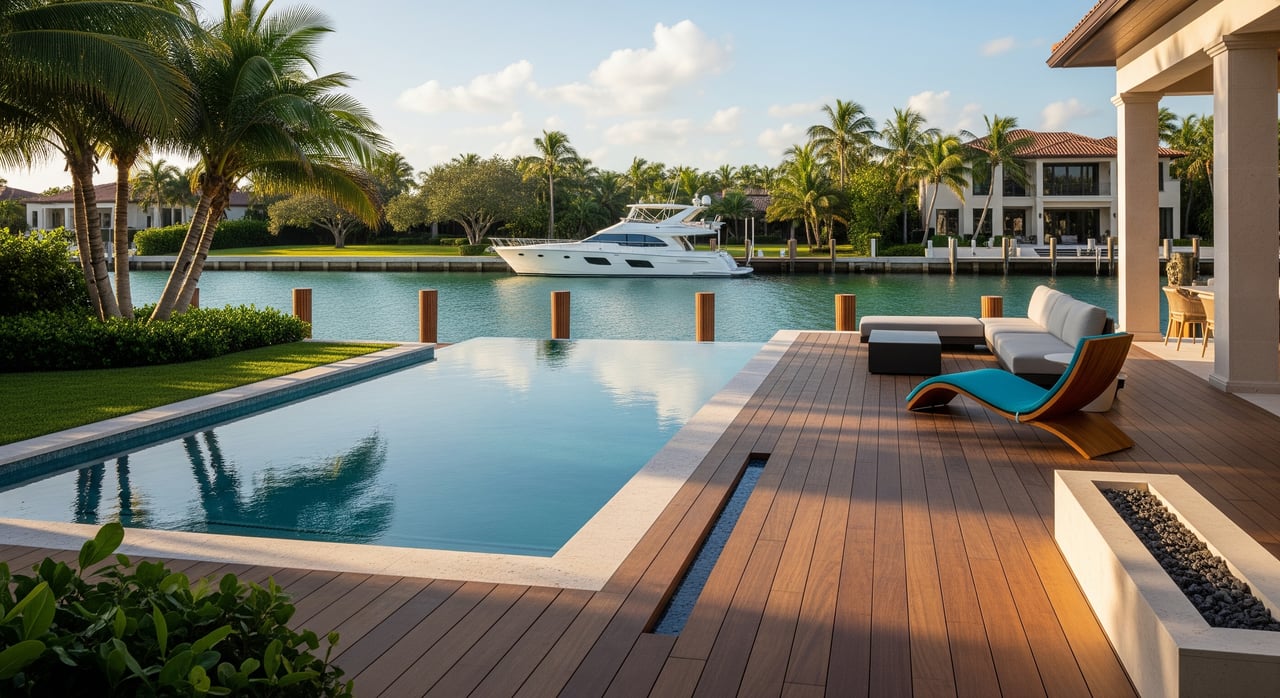
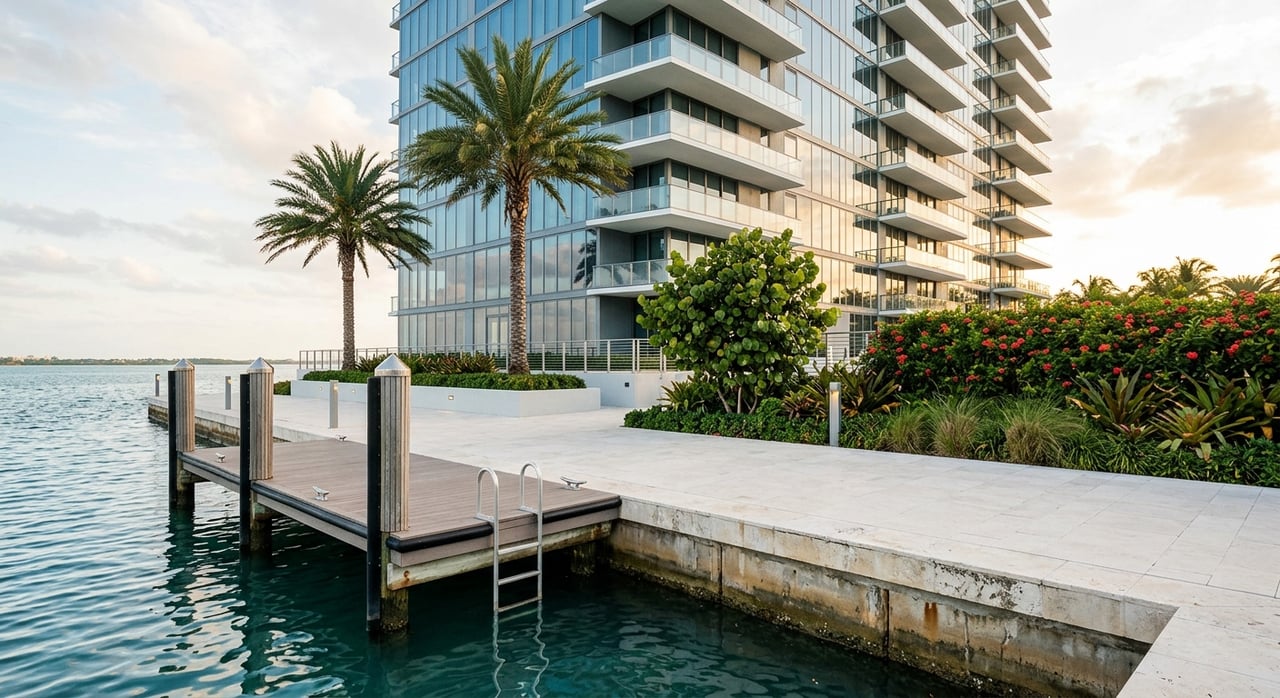
If your vision of waterfront living includes marinas, boat traffic, dock-and-dine outings, and watching vessels move through the city, the Intracoastal stands out. Visit Lauderdale describes this corridor as lined with marinas, waterfront restaurants, and nightspots, with boat-watching near major bridge areas such as Las Olas, Commercial Boulevard, and Hillsboro Boulevard.
This corridor tends to be the most boating-oriented of the three. It is also where many buyers focus when dock access or proximity to boating activity is high on the list.
What makes the Intracoastal different
The Intracoastal offers a waterfront experience that feels active and connected to marine use. Water Taxi service, dock-and-dine culture, and visible marina activity all help shape the atmosphere. For some buyers, this is the classic South Florida water lifestyle.
The city has also highlighted boating infrastructure in the broader area, including New River Downtown Docks and Cooley’s Landing, which together offer 149 slips and four boat launch ramps. In addition, a slow-speed, minimum-wake zone has been highlighted on a busy stretch of the Intracoastal between Oakland Park Boulevard and Sunrise Boulevard, showing how active and managed this waterway can be.
Who may prefer Intracoastal condos
This option can make the most sense if you are comparing lifestyle through a boating lens. You may prefer the Intracoastal if you want:
- A marina-centered environment
- Stronger connection to boating activity
- Access to dock-and-dine culture
- A waterfront setting that feels social and marine-oriented
For buyers who want the water to be more than a view, the Intracoastal often becomes the strongest contender. It is less about beach immediacy and more about living along a working, active waterfront corridor.
New River Condos: Best for Downtown Living
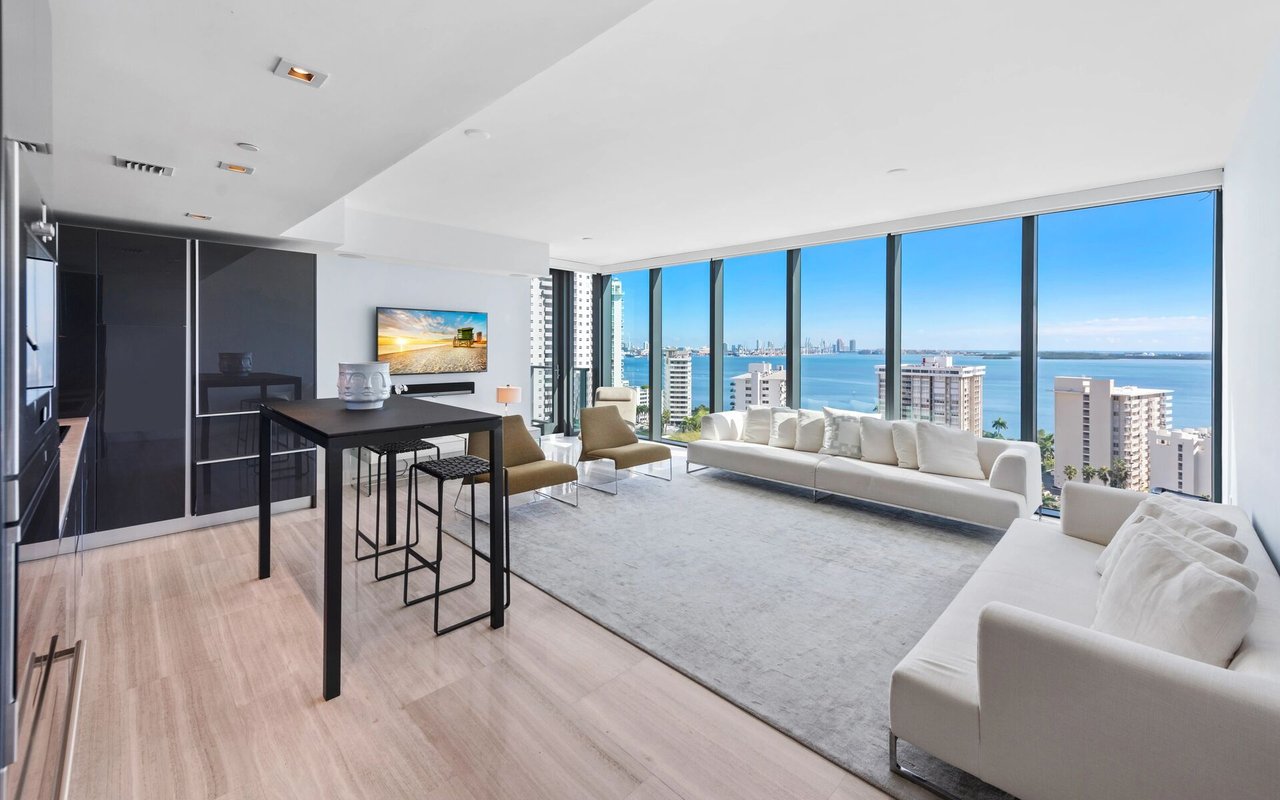
If you want your waterfront condo to feel tied to city life, dining, culture, and walkability, the New River corridor deserves close attention. The Downtown New River Master Plan says the river should function as a center, not a barrier, and balances boating and maritime uses with housing, recreation, entertainment, commerce, and culture.
That planning vision shapes a very different condo experience from the beach or the Intracoastal. Here, waterfront living tends to feel more urban and integrated with downtown Fort Lauderdale.
What riverfront living feels like
The Riverwalk District is framed as a cosmopolitan urban center. The city also notes that Riverwalk anchors the arts, science, cultural, and historic district, while Las Olas serves as a center for dining and entertainment.
In practical terms, this means a New River condo may appeal to you less for a resort vibe and more for a connected city lifestyle. Visit Lauderdale also notes that the Riverwalk Water Trolley crosses the New River, and paddling routes can extend from Fort Lauderdale Beach across the Intracoastal and up into the downtown business and arts district.
Who may prefer New River condos
You may prefer the riverfront if you want your condo search to focus on convenience, activity, and an urban waterfront setting. This corridor is often a better fit for buyers who value:
- Downtown walkability
- Close access to dining and entertainment
- A cultural and urban environment
- Waterfront living that feels city-centered
If the beach feels too tourist-facing and the Intracoastal feels too boating-specific, the New River can offer a middle ground with a more metropolitan identity.
How to Choose the Right Waterfront Fit
The best Fort Lauderdale waterfront condo is usually the one that matches your daily priorities. A beautiful view matters, but your long-term satisfaction often comes down to how the area functions when you are actually living there.
A simple way to frame it is this:
- Choose Central Beach if immediate sand access and a resort-style setting are your top priorities.
- Choose the Intracoastal if boating, marinas, and dock-oriented living matter most.
- Choose the New River if you want urban waterfront living with downtown energy.
This kind of clarity can save time, especially if you are comparing luxury resales, new-construction opportunities, or second-home options across multiple parts of Fort Lauderdale.
Important Due Diligence for Buyers and Investors
No matter which waterfront corridor you prefer, smart condo shopping in Fort Lauderdale should include more than lifestyle comparisons. Two issues deserve special attention: rental rules and flood risk. These can directly affect how you use the property and how you budget for ownership.
Review rental rules carefully
If you are thinking about rental income, do not assume any waterfront location automatically allows short-term use. Fort Lauderdale requires vacation rentals, including condominiums advertised for 30 days or less to transient occupants, to be licensed with the state and county first and then registered with the city.
The city also states that, since September 19, 2023, vacation rentals must use noise-level detection devices and that some penalties were increased. On top of that, Florida condo law requires the prospectus or offering circular to disclose unit-use restrictions, including leasing restrictions. In other words, rental flexibility depends on both the condo documents and the city program.
Make flood diligence a core step
Flood risk should be treated as a central part of any waterfront condo purchase in Fort Lauderdale. The city says a majority of residents live in or close to a Special Flood Hazard Area, and buyers can check flood zones through city GIS and FIRM tools or request a Flood Risk Information Letter.
The city also notes that homeowner and renter policies usually do not cover flood damage, and flood insurance is required by law for most federally secured mortgages in a Special Flood Hazard Area. For buyers, this means flood zone status and insurance cost should be part of the decision early, not after you are already deep into a deal.
A Smarter Way to Compare Waterfront Condos
When you narrow your search, try comparing each property through three lenses: lifestyle, use, and ownership costs. That helps move the decision beyond “Which view do I like most?” and toward “Which condo works best for the way I plan to own it?”
Ask yourself:
- Do you want beach access, boating access, or downtown access most?
- Will the condo be a primary home, second home, or investment property?
- Have you verified the building’s leasing rules?
- Have you reviewed flood zone and insurance implications?
Those questions can quickly reveal whether a beach, Intracoastal, or riverfront condo is really the right match for your goals.
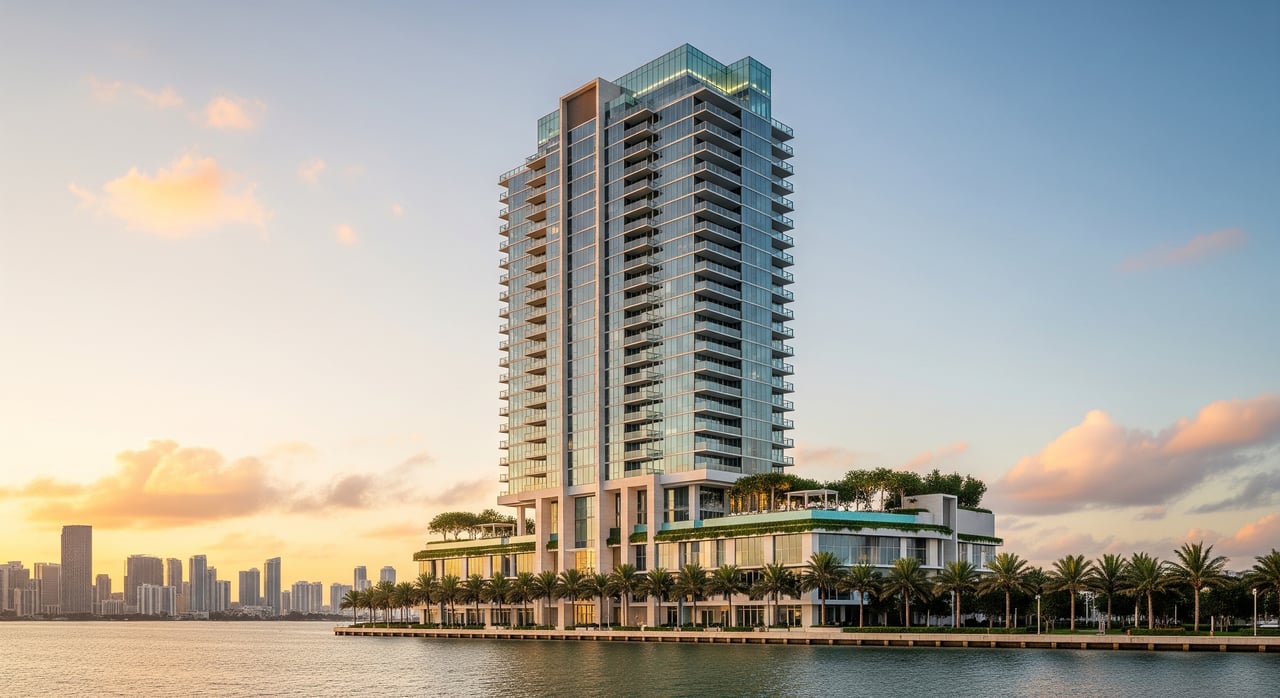
Fort Lauderdale offers one of the most varied waterfront condo markets in South Florida. If you're evaluating investment potential across South Florida, including luxury waterfront condos and developments like The Rider Residences, connect with The Ana Vega Group for expert guidance and a VIP consultation.
FAQs
What is the best Fort Lauderdale waterfront condo area for beach access?
- Central Beach is usually the best fit if your top priority is immediate sand access and a resort-style coastal setting.
What is the best Fort Lauderdale waterfront condo area for boating?
- The Intracoastal is typically the most boating-oriented choice, with marinas, dock-and-dine activity, and strong connection to marine access.
What is the best Fort Lauderdale waterfront condo area for downtown living?
- The New River corridor is generally the strongest option if you want downtown walkability, dining, entertainment, and a more urban waterfront lifestyle.
Can you use any Fort Lauderdale waterfront condo as a short-term rental?
- No. Short-term rental use depends on the condo’s governing documents and Fort Lauderdale’s vacation rental licensing and registration requirements.
Why does flood risk matter when buying a Fort Lauderdale waterfront condo?
- Flood zone status can affect insurance needs, financing requirements, and ownership costs, so it should be reviewed early in your condo search.