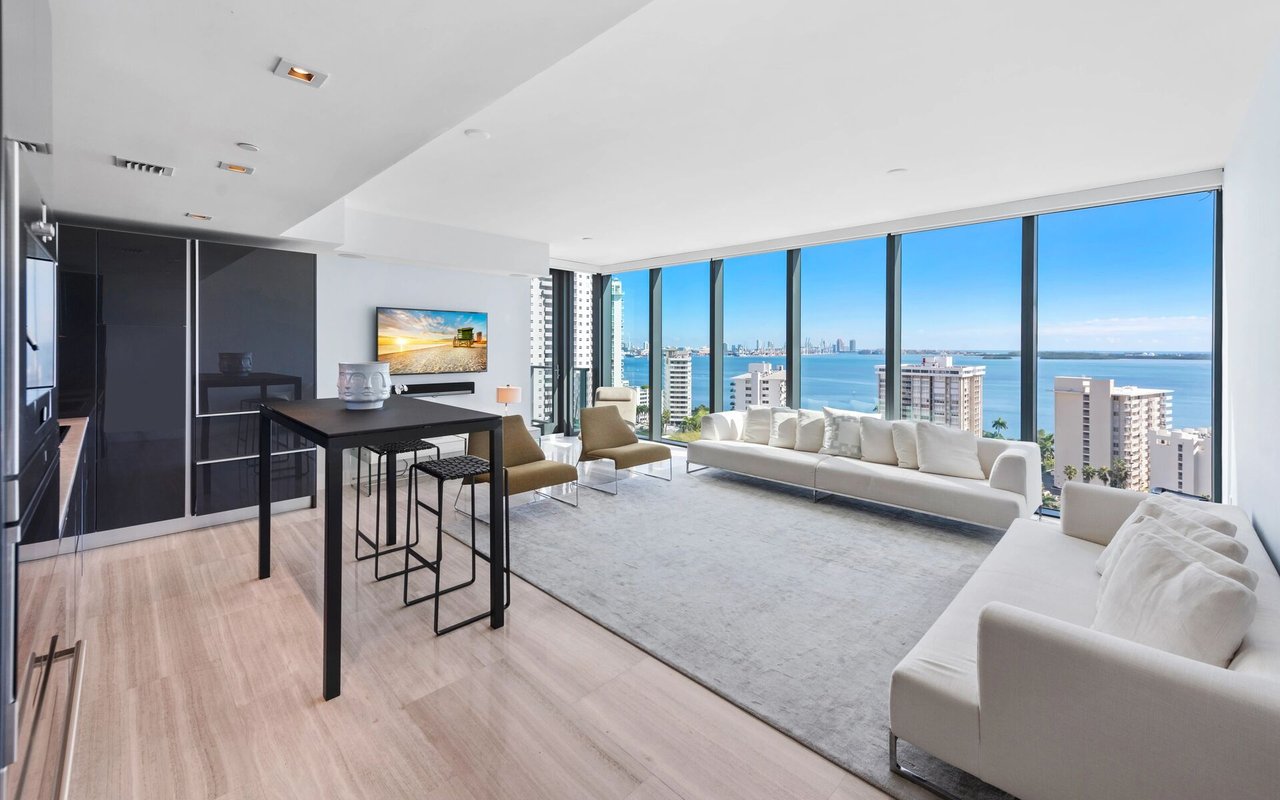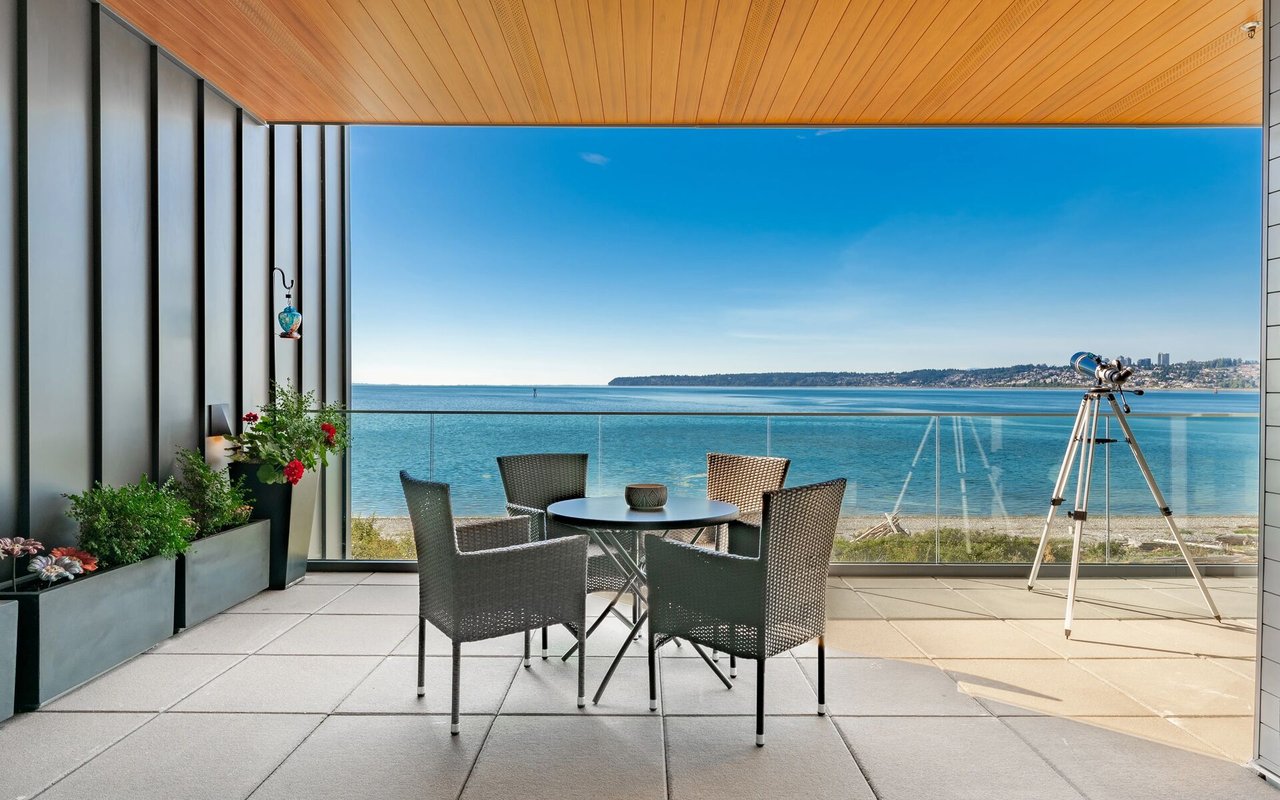
If you are deciding between Downtown Miami and Brickell for your next condo investment, you are asking the right question. Both areas sit in the heart of Miami’s urban core, both offer strong visibility with buyers and renters, and both have meaningful development activity that can shape future returns. The key is understanding how pricing, rental demand, supply, and building rules line up with your strategy. Let’s dive in.
Downtown vs Brickell at a Glance
For many investors, Brickell and Downtown Miami both check the same big-picture boxes: vertical living, walkability, transit access, and a steady flow of local and international interest. But they do not behave exactly the same in the market.
According to the Miami Downtown Development Authority’s 2025 residential analysis, Greater Downtown Miami has more than 39,000 condo units and nearly 15,000 apartment units, with more inventory under construction and proposed. The same report projects 24.0% growth between 2025 and 2030, which helps support long-term housing demand across the area.
In simple terms, Brickell tends to appeal to investors looking for a more established luxury market, while Downtown’s CBD can appeal to investors who want a slightly lower entry point with strong transit and urban-access advantages. Your best fit depends on whether you prioritize prestige, rent stability, entry price, or flexibility.
Brickell Condo Investing Profile
Brickell is the larger and more mature condo submarket. It also carries a higher average entry point, which often matters for investors comparing risk, branding, and resale positioning.
The DDA reports that Brickell has 19,021 existing condo units, 3,838 under construction, and 1,304 proposed. As of Q2 2025, the average sale price per unit was $939,000, with 2024 sales volume of $917.7 million across 951 units, and average days on market of 150.
That combination suggests a market with depth, visibility, and stronger transaction activity. For many buyers, Brickell reads as the more established luxury address, which can support long-term appeal for owner-users, seasonal buyers, and higher-budget renters.
Downtown Condo Investing Profile
Downtown Miami’s CBD is smaller than Brickell in condo inventory, but it is still a substantial market with its own investment case. It often attracts attention from buyers who want urban convenience, waterfront access, and connectivity without paying Brickell’s average pricing.
The DDA reports that the CBD has 8,892 existing condo units, 2,728 under construction, and 989 proposed. As of Q2 2025, the average sale price per unit was $844,000, with 2024 sales volume of $328.9 million across 391 units, and average days on market of 156.
The same DDA report notes the CBD’s advantages in public transit access, waterfront views, and walkability. For investors, that creates a clear positioning story: Downtown can offer a high-end urban condo option at a somewhat lower average cost than Brickell, though with somewhat less liquidity based on transaction volume.
Price Difference Matters
A roughly $95,000 difference in average sale price per unit can influence your strategy from day one. If you are trying to preserve capital for renovations, furnishings, reserves, or multiple acquisitions, Downtown may offer more room in your budget.
If your goal is to buy into the more established luxury submarket, Brickell may justify the higher cost. It can be a stronger fit for investors who value branding, market recognition, and a premium address as part of their long-term hold or resale plan.
Rental Demand: Brickell Looks Tighter
If your investment plan leans toward long-term leasing, occupancy trends and concessions matter just as much as sale prices. This is one area where the current data gives Brickell a meaningful edge.
The DDA reports that Brickell has 2,739 existing rental units, 1,479 under construction, and 5,170 proposed, with 95% occupancy, 4% concessions, and average rent of $3,159 per unit. That points to a tighter rental market with less softness today.
By comparison, the CBD has 4,285 existing rental units, 2,406 under construction, and 9,389 proposed, with 74% occupancy, 9% concessions, and average rent of $3,444 per unit. While the average rent is higher, the lower occupancy and higher concessions suggest more supply pressure at this stage of the cycle.
For condo investors, that does not automatically make Downtown a poor choice. It does mean you should underwrite more carefully and pay close attention to how competing inventory may affect lease-up timing, pricing power, and tenant incentives.
Office Market Still Supports Demand
In urban condo markets, office activity can still shape the long-term renter pool. Professionals who want to live near work, transit, and daily conveniences can support demand in both Brickell and Downtown.
Cushman & Wakefield’s Q4 2025 Miami office report shows Brickell Avenue asking rents at $90.15 per square foot with 15.4% vacancy, while Downtown Miami posted $66.97 per square foot with 20.4% vacancy. The report also notes nearly 191,000 square feet of positive annual net absorption for Miami in 2025.
That data supports a practical takeaway: Brickell’s office corridor remains especially strong, while Downtown still benefits from central employment activity but with somewhat more softness. For investors who want a condo tied to executive and professional renter demand, Brickell may have the stronger story today.
Transit and Walkability Help Both Areas
One reason both submarkets remain attractive is mobility. Easy movement matters to residents, renters, and part-time owners who want a lower-friction city lifestyle.
Miami-Dade Transit reports that the Metromover is free and operates seven days a week through Downtown Miami, Omni, and Brickell. Stations connect riders to destinations such as Bayside Marketplace, Miami Dade College, Kaseya Center, and transfer points at Government Center for Brightline, Metrorail, and Tri-Rail.
The DDA also notes expanded Freebee service connecting Brickell, the CBD, and the Arts and Entertainment District. For investors, that transit network supports renter appeal in both locations, especially for residents who value convenience and car-light living.
Supply Pipeline: Watch the Direction
New supply can create opportunity, but it can also pressure rents and resale competition in the near term. That is why pipeline data should be part of every condo investment decision.
Brickell has the larger condo pipeline, with 3,838 units under construction and 1,304 proposed. The CBD has 2,728 units under construction and 989 proposed. On the rental side, however, the CBD pipeline is much larger, with 2,406 units under construction and 9,389 proposed, compared with Brickell’s 1,479 under construction and 5,170 proposed.
That difference matters. If you are buying a condo to hold as a long-term rental, Downtown’s larger apartment pipeline could create more competition for tenants. If you are buying based on long-term urban growth and believe in the area’s transit-driven appeal, Downtown may still make sense, but you should go in with realistic lease assumptions.
If you want to track future competition more closely, the Miami DDA’s interactive 3D development map covers Brickell, the CBD, and the Arts and Entertainment District and is updated quarterly.
Short-Term Rental Rules Are Critical
Many investors assume the Downtown versus Brickell choice determines whether short-term rentals will work. In reality, the larger issue is whether the building and local rules allow that use.
Miami-Dade County defines a short-term vacation rental as a stay of less than 30 days and requires state licensing, tax registration, and a Certificate of Use. The county also notes that municipal properties must follow city rules.
The same county guidance explains that the City of Miami requires zoning verification and an operational management plan signed by the condo association or HOA. It also states that if more than 25% of units in a building are used as transient lodging, the entire building must comply with R-1 standards.
The DDA reports that short-term rentals are popular in Greater Downtown Miami, with an average daily rate of $331, an average booking lead time of 30 to 40 days, and about $3,500 in average revenue per listing. But those numbers only matter if the building and zoning framework clearly support that strategy.
Which Area Fits Your Investment Style?
The best answer depends on what you want your condo to do for you.
Choose Brickell if you want premium positioning
Brickell may be the better fit if you are looking for:
- A more established luxury condo market
- Higher average occupancy in the surrounding rental market
- Stronger office-market support
- Greater transaction volume and market liquidity
- A premium address for long-term hold or hybrid personal use
For many higher-budget investors, Brickell aligns well with a quality-first strategy.
Choose Downtown if you want a lower entry point
Downtown’s CBD may be the better fit if you are looking for:
- A somewhat lower average condo price
- Strong transit access and walkability
- Urban waterfront appeal
- A condo investment tied to the Downtown core’s long-term growth story
- More flexibility in budget while staying in Miami’s high-end urban market
The tradeoff is that you may face more near-term supply pressure, especially on the rental side.
A Simple Bottom Line
Based on the available data, Brickell usually looks stronger for investors seeking a premium long-term or hybrid owner-use condo in a tighter rental environment. Downtown can make sense for investors who want a somewhat lower acquisition cost and believe in the value of transit-centered urban living, but it may require more caution around incoming supply.
For short-term rental plans, the neighborhood alone is not enough. Building rules, condo documents, zoning, and operational compliance should drive your decision before you go under contract.
If you want help comparing Brickell and Downtown condo opportunities through an investor lens, The Ana Vega Group offers bilingual, concierge-level guidance for acquisition, cross-border coordination, and property and rental management support across South Florida.
FAQs
Is Brickell or Downtown Miami better for long-term condo rental investing?
- Based on current DDA data, Brickell shows tighter rental conditions with 95% occupancy and lower concessions, while Downtown’s CBD shows more supply pressure.
Is Downtown Miami cheaper than Brickell for condo investors?
- On average, yes. The DDA reports an average sale price per unit of $844,000 in the CBD versus $939,000 in Brickell as of Q2 2025.
Are short-term rentals allowed in Brickell and Downtown Miami condos?
- It depends on the building, zoning, and local compliance rules. Miami-Dade says short-term rentals require licensing, tax registration, and a Certificate of Use, and City of Miami rules also apply.
Does transit matter for Downtown and Brickell condo values?
- Transit can support renter and buyer appeal in both areas because the free Metromover connects Brickell, Downtown, and key regional transit hubs.
How can you compare new supply in Brickell and Downtown Miami?
- The Miami DDA’s quarterly updated interactive 3D development map is a useful tool for reviewing existing, under-construction, and planned projects in both submarkets.