Trying to choose between Jupiter and Palm Beach Gardens? On paper, they can look surprisingly similar. Their populations are nearly the same, and their median owner-occupied home values are also very close. But when you look at how each place lives day to day, the differences become much clearer. If you want your next move to match your routine, priorities, and long-term plans, this guide will help you compare both markets with more confidence. Let’s dive in.
Jupiter vs. Palm Beach Gardens at a glance
Jupiter and Palm Beach Gardens are close in population, but they feel different because of how each city is laid out. Jupiter has an estimated population of 62,987, while Palm Beach Gardens is at 63,284. Even with similar population size, Jupiter covers 21.63 square miles and Palm Beach Gardens spans 58.71 square miles.
That difference in land area shapes the experience of living there. Jupiter is much denser at 2,822.6 people per square mile, while Palm Beach Gardens is more spread out at 1,008.0 people per square mile. If you are deciding between the two, this is one of the most important distinctions to keep in mind.
Median owner-occupied home values are also very close. Jupiter sits at $608,600, and Palm Beach Gardens is at $606,100. In other words, your decision will often come down less to a citywide price gap and more to the lifestyle, location, and daily rhythm you want.
Choose Jupiter for a coastal lifestyle
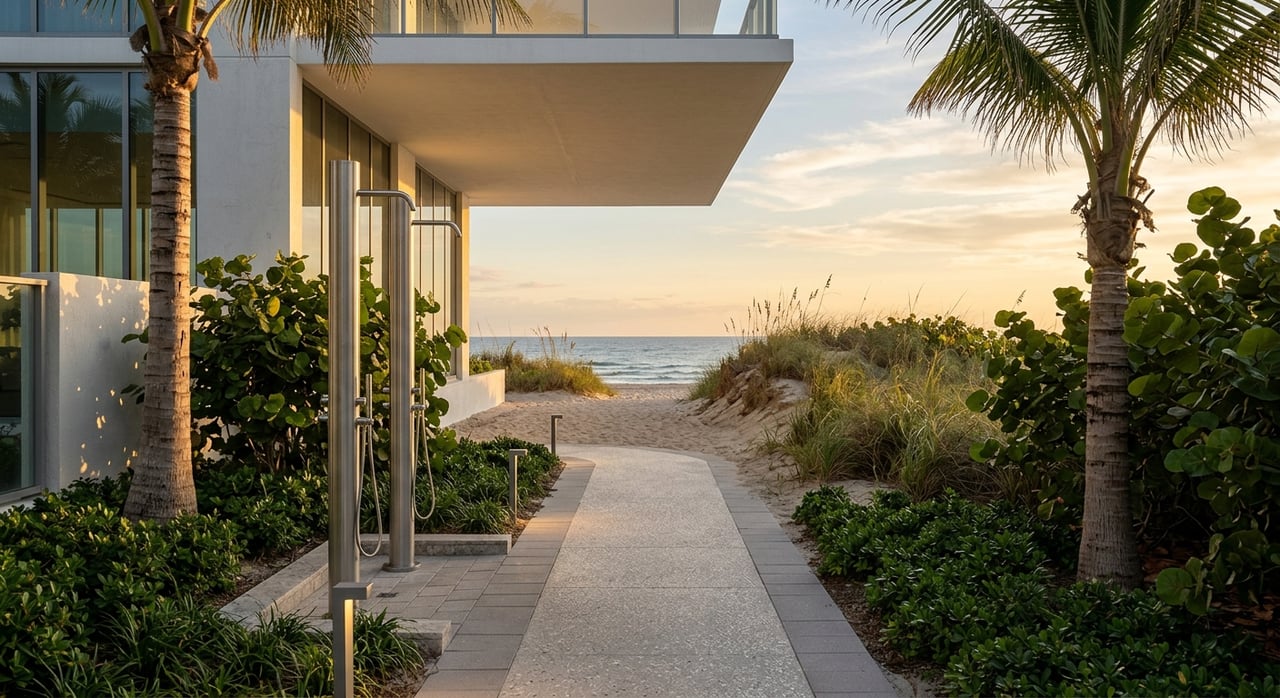
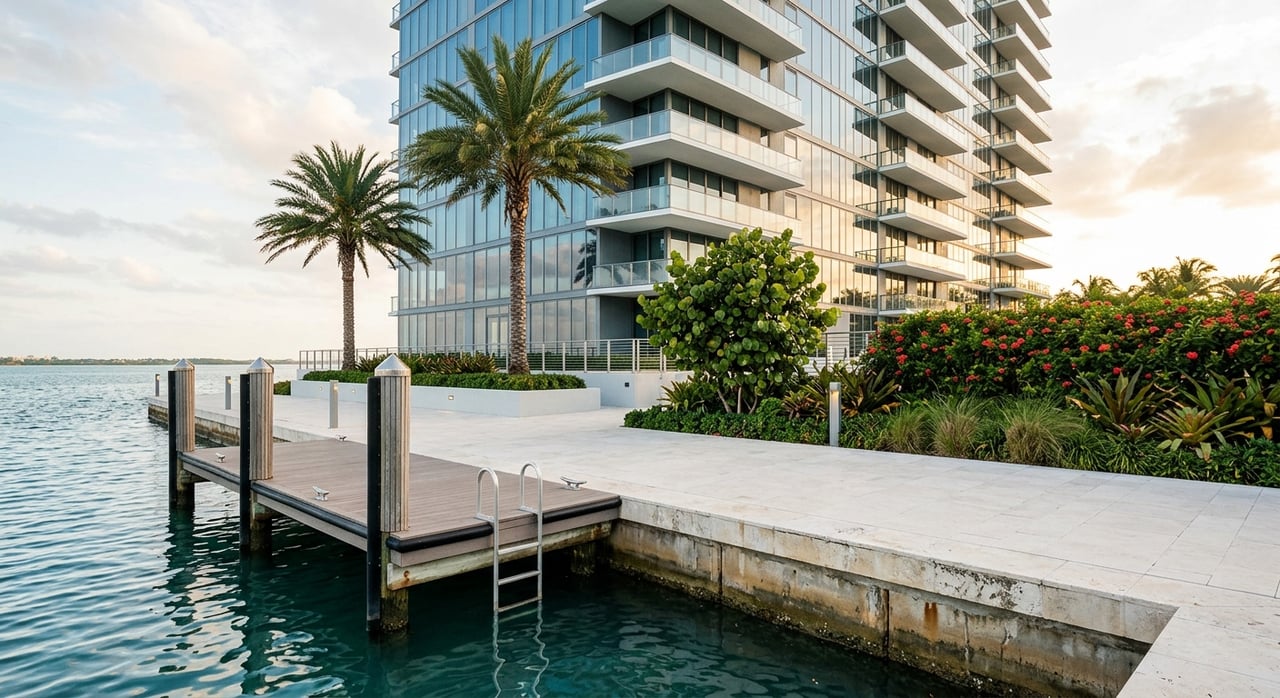
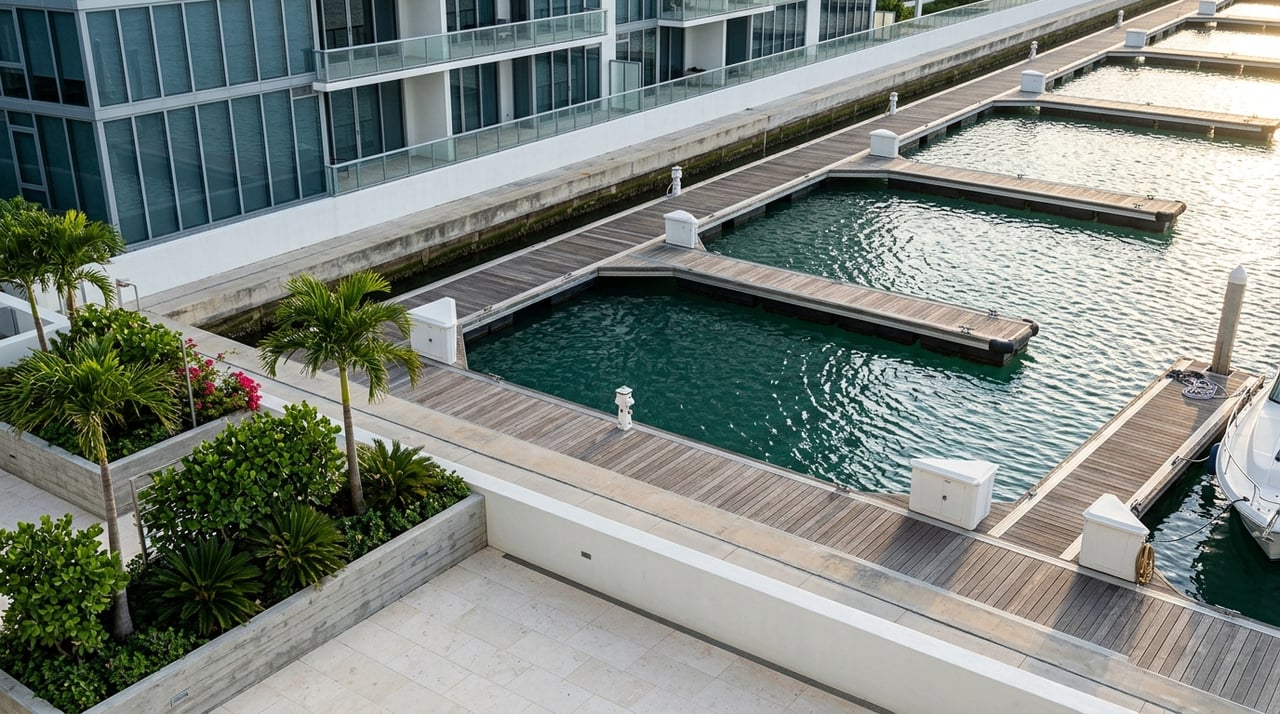
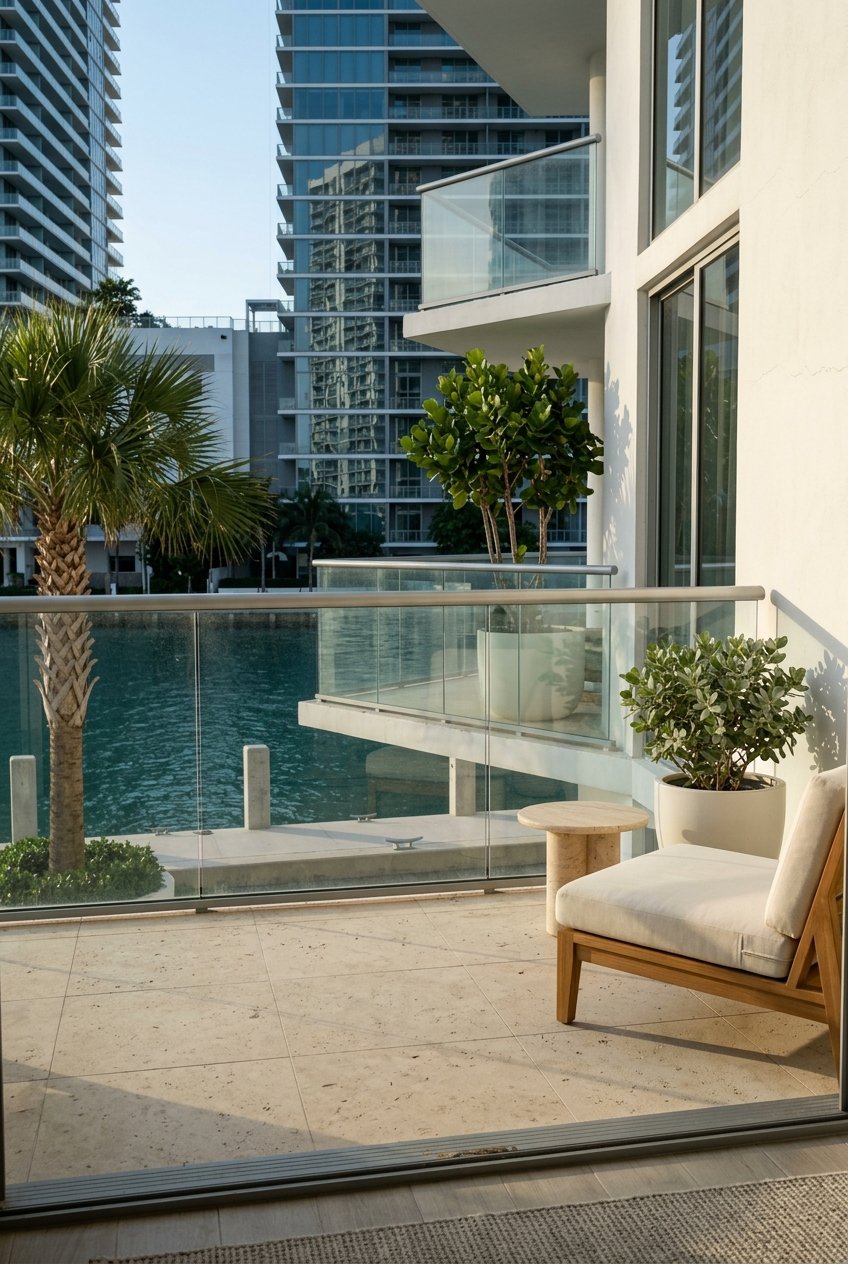
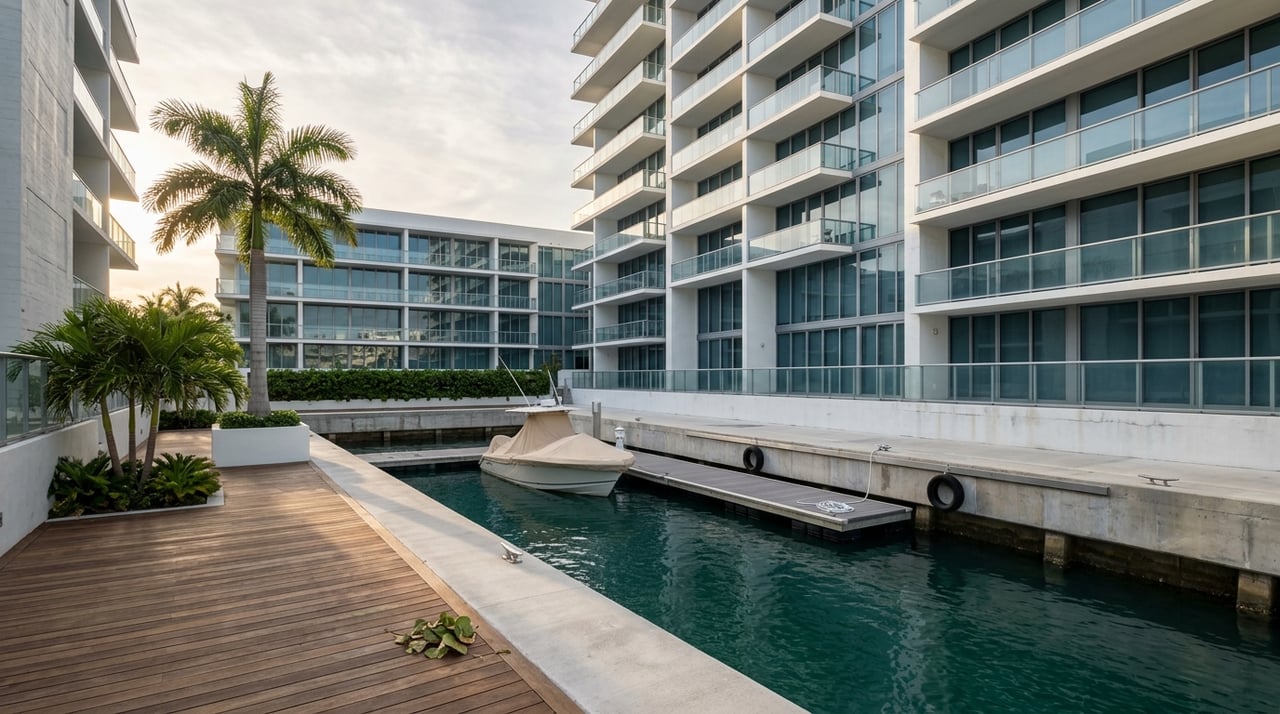
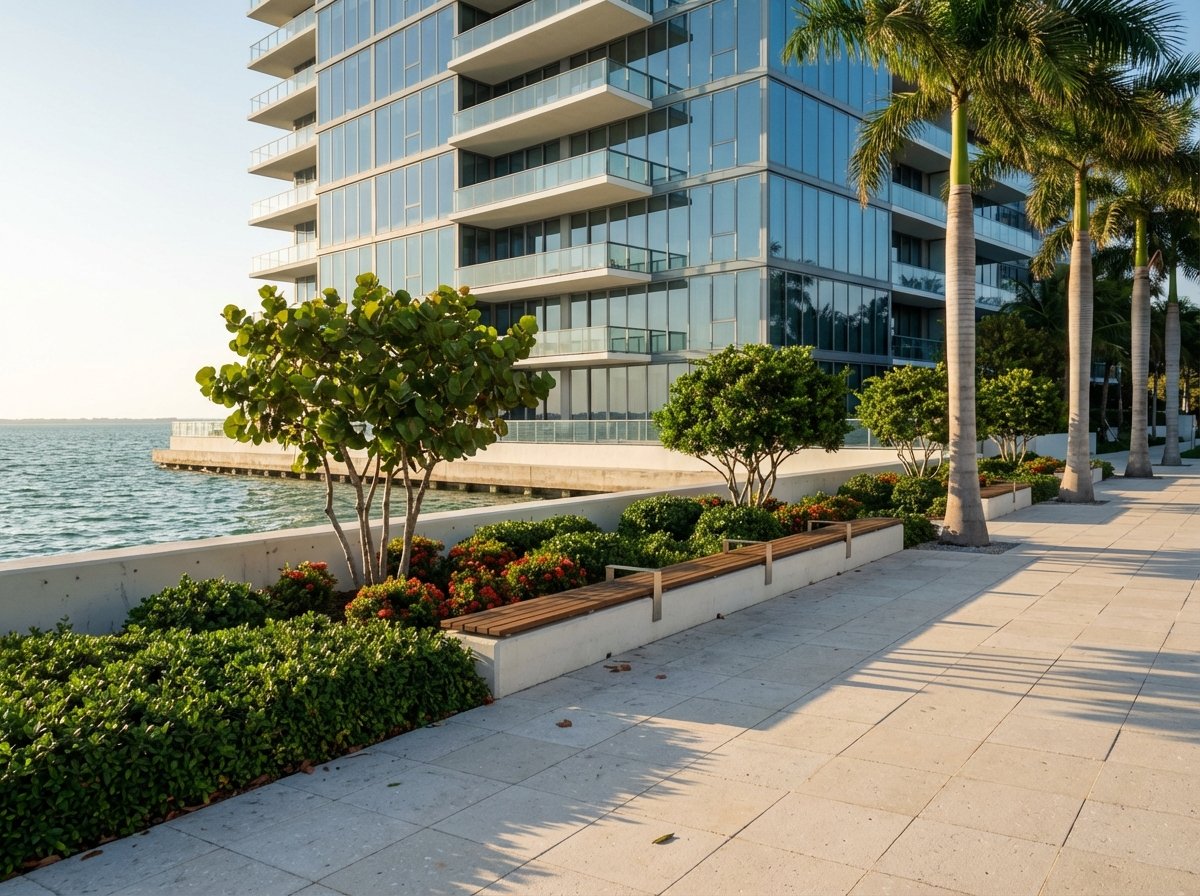
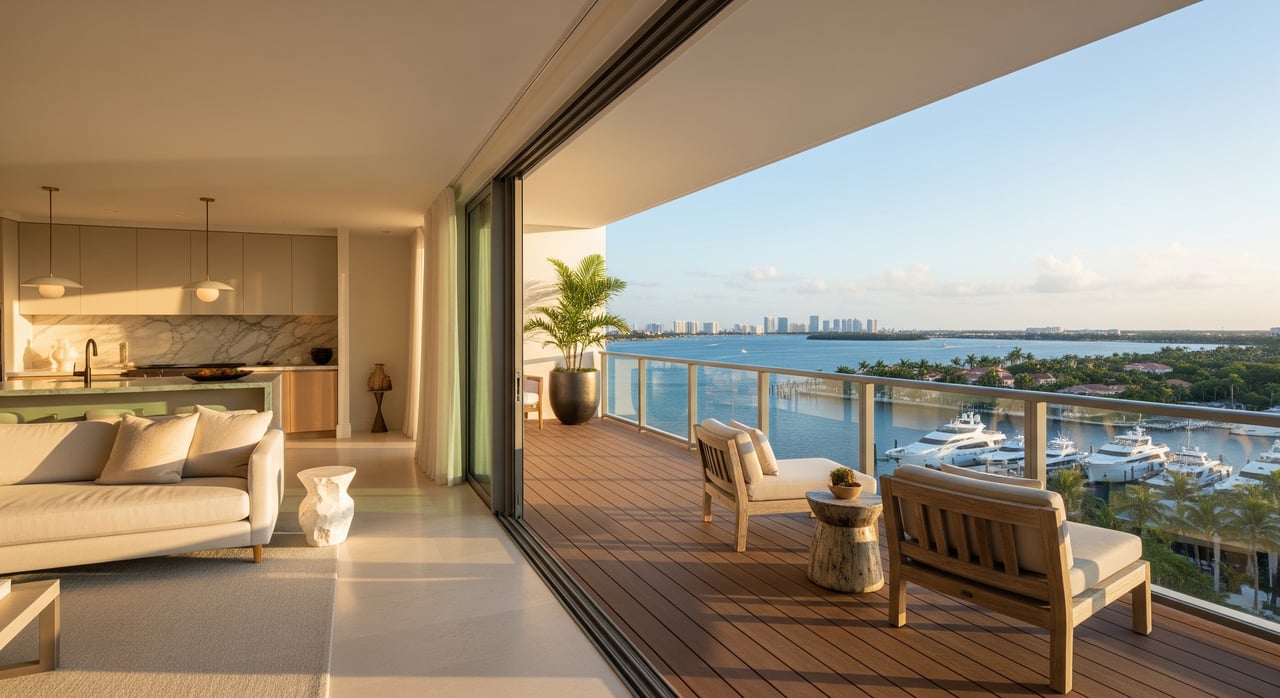
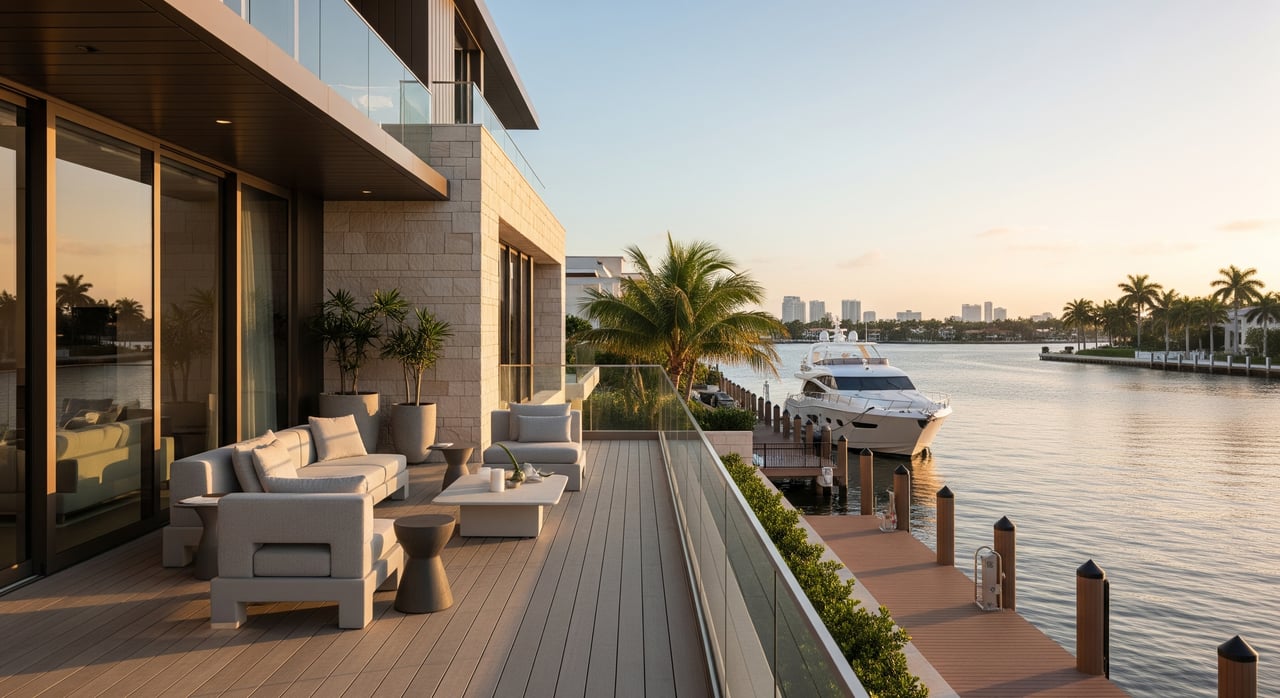
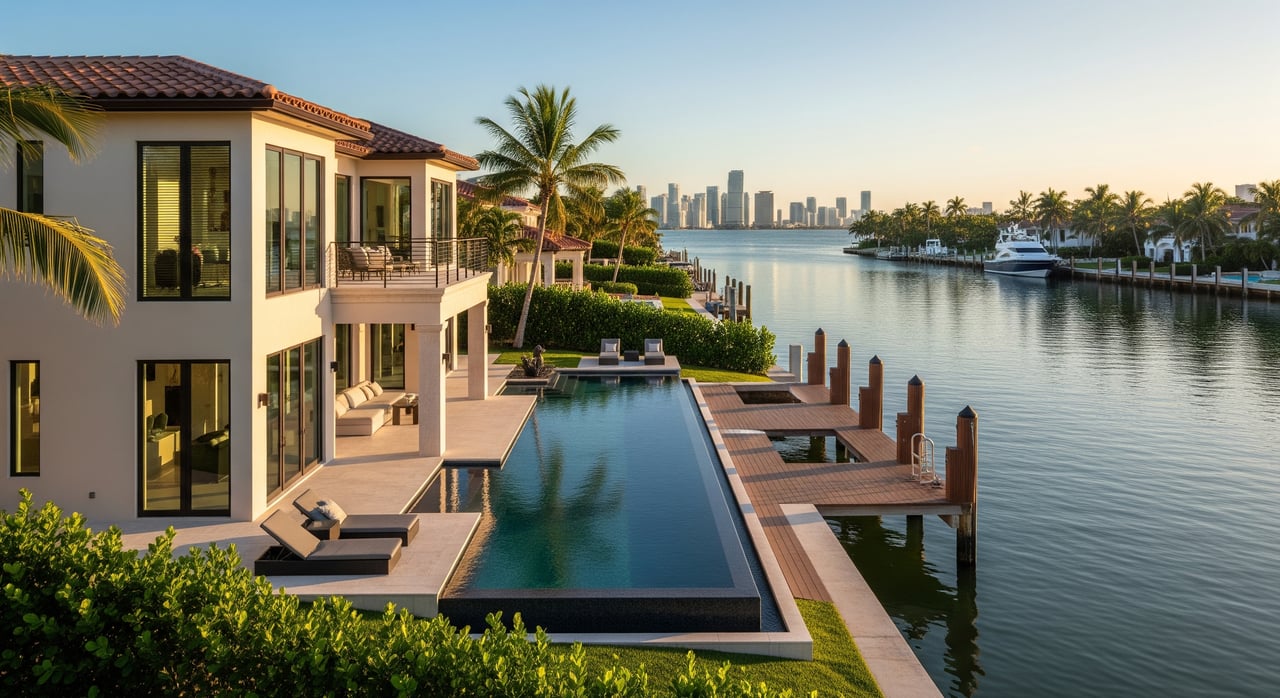
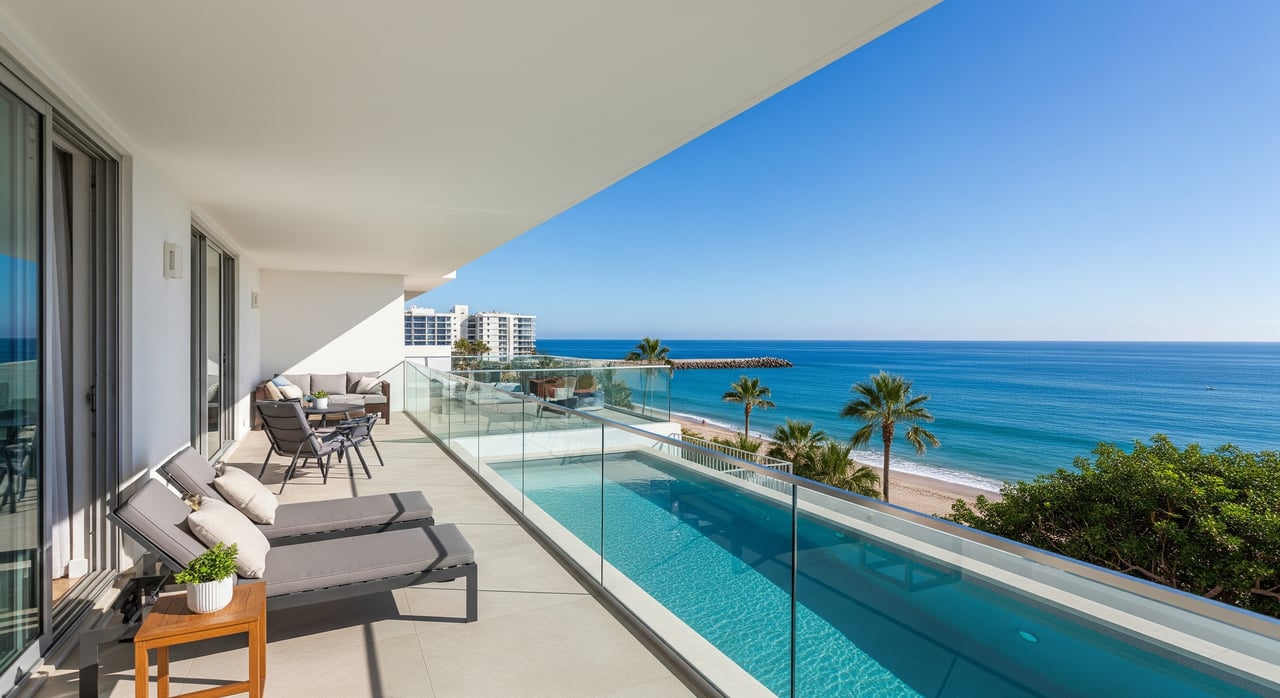
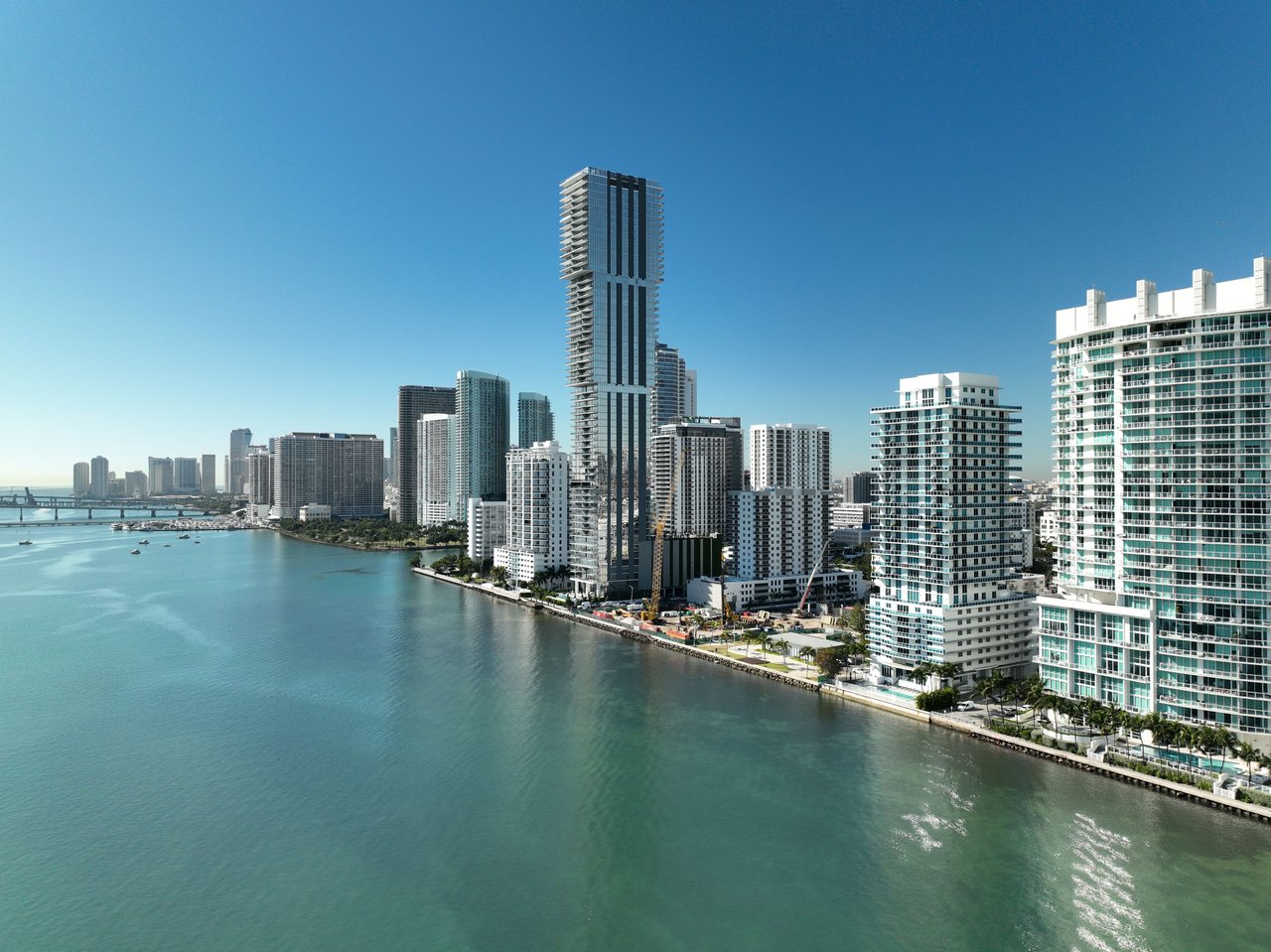
If your ideal home base revolves around the water, Jupiter has the stronger coastal identity. The town highlights about 3.4 miles of beaches, and its Riverwalk follows the Intracoastal Waterway to Jupiter Inlet. Along the way, you will find beach crossovers, marina views, public boat docks, and small retail space near the marina.
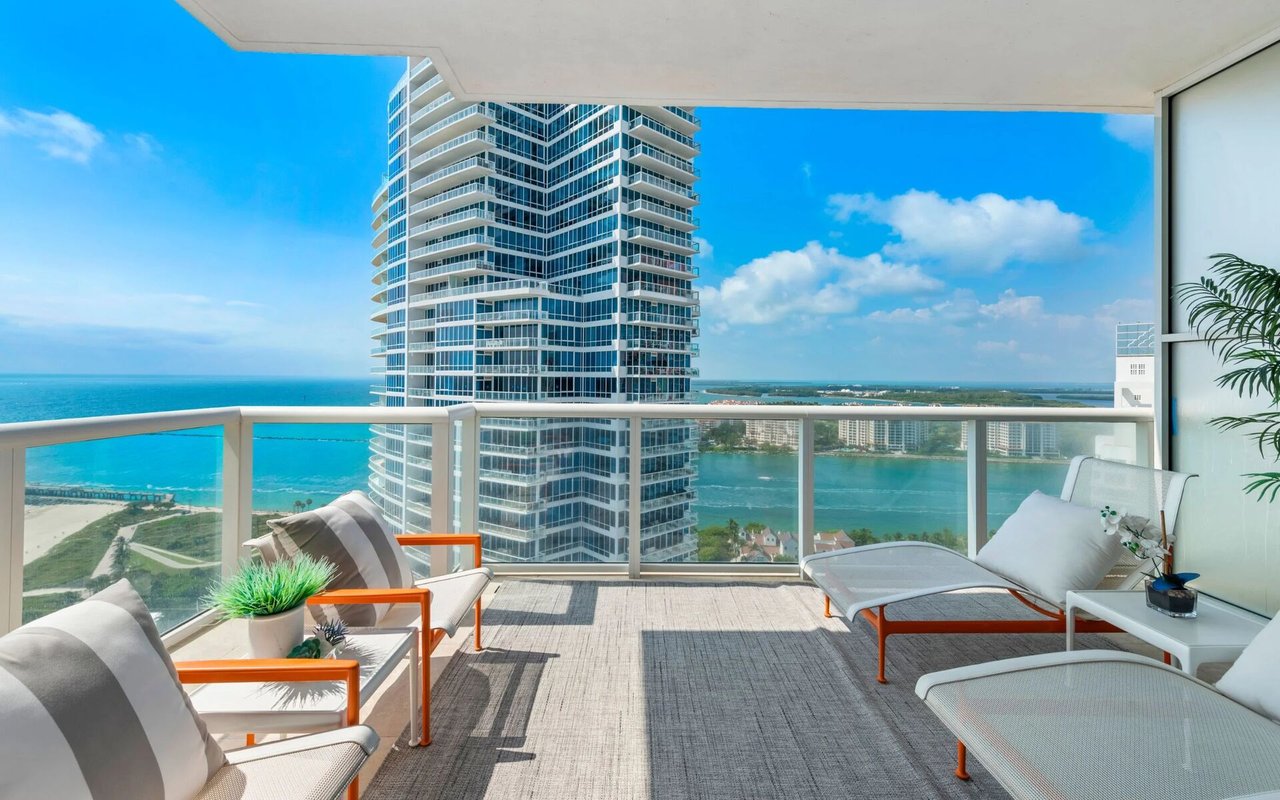
That makes Jupiter a natural fit if you picture your routine including beach mornings, boating access, or waterfront walks. The town’s public spaces support a lifestyle that feels tied to the coast. For many buyers, that everyday connection to the water is the deciding factor.
Jupiter also offers a blend of established coastal areas and planned communities. The town describes Abacoa as a 2,055-acre master-planned mixed-use community built around traditional neighborhood development principles. Combined with the Riverwalk and inlet area, Jupiter can offer a more walkable and waterfront-oriented feel in select parts of town.
Choose Palm Beach Gardens for amenities
Palm Beach Gardens stands out more for inland amenities and a broader suburban footprint. The city highlights golf, tennis, pickleball, parks, trails, community events, and nature-focused projects connected to Avenir. It also notes access to 14 golf courses, along with shopping and dining.
If you want your home base to be centered on recreation, planned amenities, and a more spread-out layout, Palm Beach Gardens may feel like a better fit. The city’s larger footprint gives it a different pace than Jupiter. It often appeals to buyers who prefer convenience by car and a wider suburban setting.
The city’s ongoing Gardens Nature Park and Trail initiative also reinforces this amenity-centered model. That matters if you are drawn to neighborhoods and communities where outdoor recreation happens through parks, trails, and golf-oriented living rather than beach and marina access.
Shopping and errands feel different
One of the clearest differences between these two markets is retail scale. Palm Beach Gardens has a stronger regional shopping presence, supported by both official city messaging and Census retail data. Retail sales per capita were $42,149 in Palm Beach Gardens compared with $18,956 in Jupiter.
The Gardens Mall also plays a major role in that experience. It is a 1.4 million-square-foot regional center with more than 150 specialty shops and is located one mile east of I-95 on PGA Boulevard. If your routine includes frequent shopping, dining out, and running errands in larger commercial hubs, Palm Beach Gardens has the stronger case.
Jupiter offers a different shopping pattern. The town promotes local businesses through its Shop Small messaging, and the Riverwalk includes smaller retail shops near the marina. That gives Jupiter a more local, boutique feel rather than a regional retail focus.
Commute and daily movement
At the city level, commute times are fairly close. Jupiter’s mean travel time to work is 24.9 minutes, while Palm Beach Gardens comes in at 22.9 minutes. That is not a major difference on its own, but it does support the idea that Palm Beach Gardens may offer a slightly more convenient daily drive for some households.
Still, average commute data only tells part of the story. Your actual experience will depend on your exact neighborhood, work destination, and how often you travel throughout Palm Beach County. In many cases, the better question is whether you want your routine shaped more by coastal access or by inland amenities and shopping corridors.
Neighborhood feel and housing patterns
Jupiter’s higher density and smaller land area create a more compact feel overall. It also has a higher owner-occupied housing rate at 78.5%, compared with 73.0% in Palm Beach Gardens. That can be a useful signal if you are looking for a market with a strong ownership base.
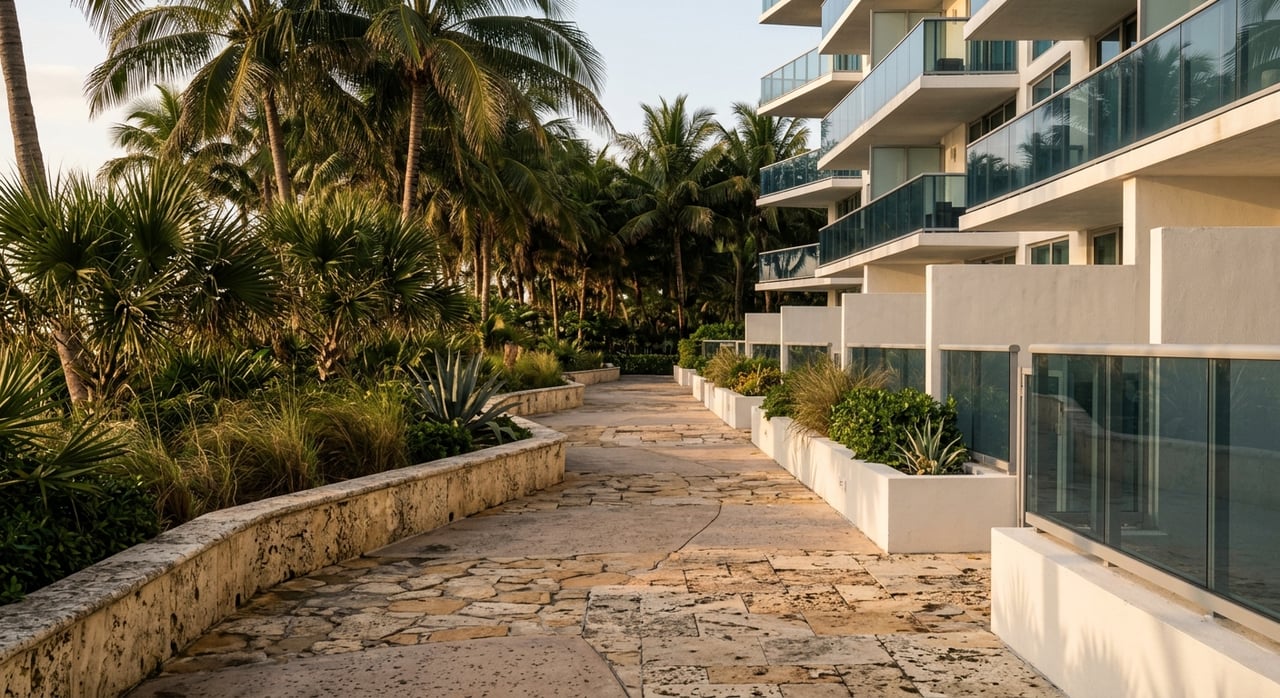
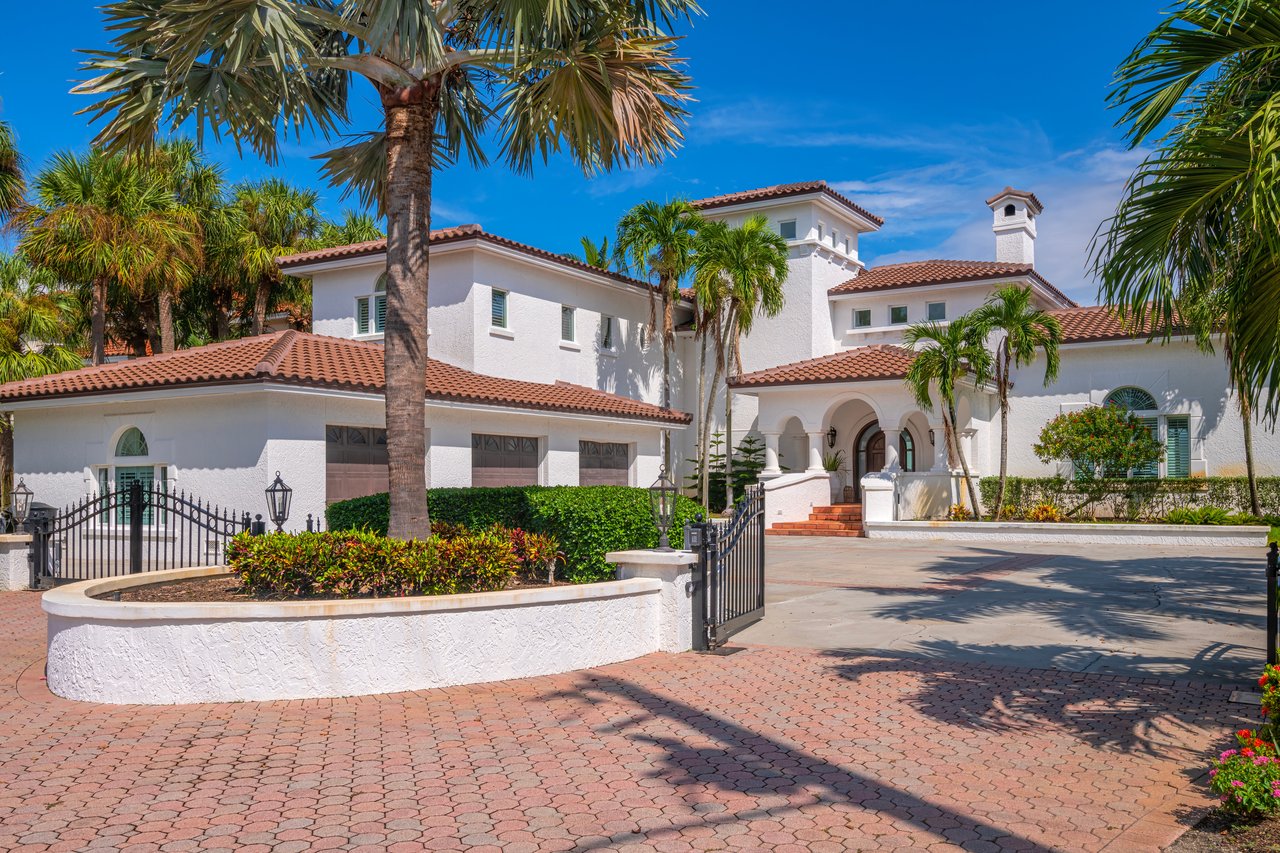
Palm Beach Gardens, by contrast, feels more spread out because of its much larger land area. With similar population but far more space, the city reads more suburban at a broad level. For buyers who want room to spread out and a layout built around planned communities and amenities, that can be a plus.
Citywide demographics also show some variation. In Jupiter, 18.4% of residents are under 18 and 24.4% are age 65 and older. In Palm Beach Gardens, 16.6% are under 18 and 32.5% are age 65 and older. These are broad citywide signals, not rules for any specific neighborhood, but they can help frame your search.
Which city fits your lifestyle best?
For many buyers, the best answer comes down to what you want to experience most often. If you picture beach access, marina views, waterfront activity, and local-scale shopping as part of daily life, Jupiter is usually the clearer fit. Its identity is more closely tied to the coast.
If you picture golf, parks, trails, larger shopping options, and a more spread-out suburban environment, Palm Beach Gardens may be the better match. It offers a different kind of convenience, one that leans more into planned amenities and regional retail.
Because median owner-occupied home values are nearly identical, this is not usually a simple budget decision at the citywide level. It is a home-base decision. The right choice depends on whether you want to organize your life around the water or around inland amenities and broader suburban access.
A smart way to narrow your search
Before you choose one city over the other, try ranking your top priorities. Think about how often you want beach access, whether golf and parks matter to you, how important larger-scale shopping is, and what kind of neighborhood pattern feels most comfortable. Those factors will usually tell you more than headline price numbers.
It also helps to compare specific pockets within each city, not just citywide averages. Jupiter can offer both waterfront character and planned community options. Palm Beach Gardens can offer different amenity mixes depending on where you focus your search.
If you are buying a primary residence, second home, or investment property in northern Palm Beach County, local guidance can make the comparison much easier. The right strategy is often about matching your goals to a micro-location, not just picking a name on a map.
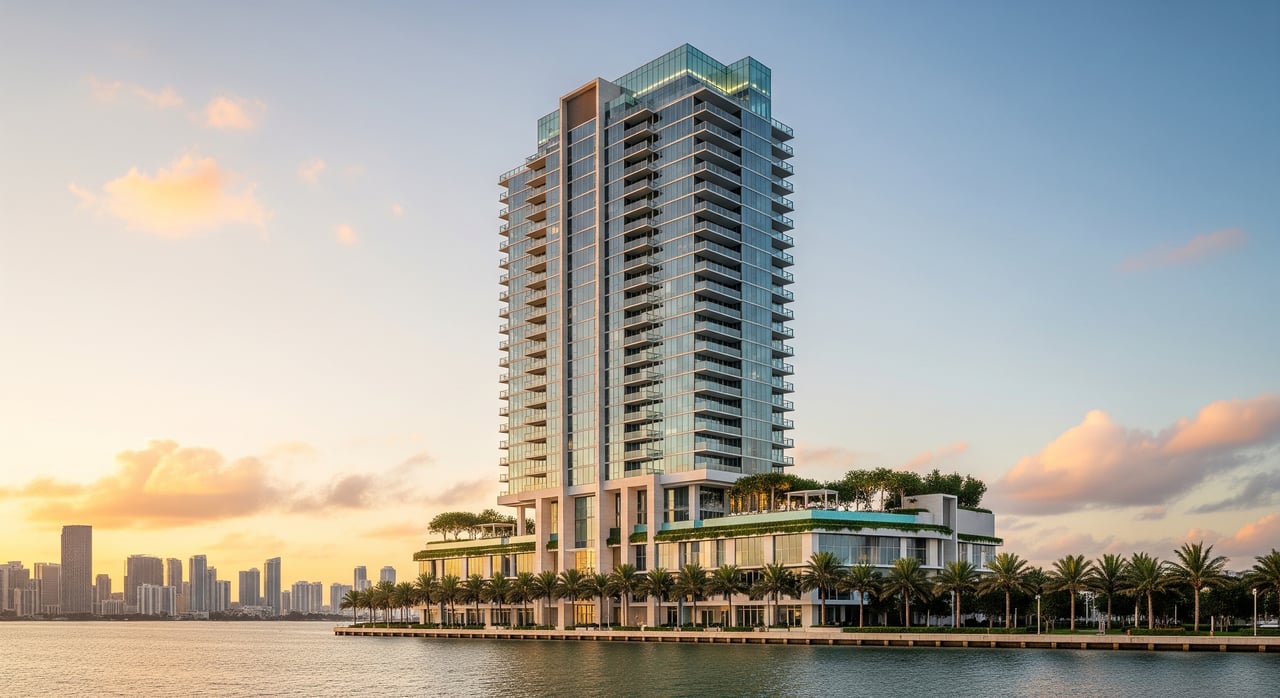
When you are ready to explore Jupiter, Palm Beach Gardens, or both, The Ana Vega Group can help you compare lifestyle fit, property options, and exceptional opportunities ranging from established communities to new developments like The Rider Residences, all with a concierge-level approach.
FAQs
How do Jupiter and Palm Beach Gardens compare on home values?
- Citywide median owner-occupied home values are very close, at $608,600 in Jupiter and $606,100 in Palm Beach Gardens.
Is Jupiter or Palm Beach Gardens better for beach access?
- Jupiter is the stronger fit for beach access, with about 3.4 miles of beaches and a Riverwalk connected to the Intracoastal Waterway and Jupiter Inlet.
Is Palm Beach Gardens or Jupiter better for shopping and dining access?
- Palm Beach Gardens has the more retail-heavy profile, including The Gardens Mall and much higher retail sales per capita than Jupiter.
Does Jupiter or Palm Beach Gardens feel more spread out?
- Palm Beach Gardens feels more spread out because it has a similar population to Jupiter but covers much more land area.
Which city is better for a golf and parks lifestyle in Palm Beach County?
- Palm Beach Gardens is better aligned with a golf-, parks-, and amenity-centered lifestyle, with city materials highlighting golf courses, trails, and recreation.
Which city is better for a coastal daily routine in northern Palm Beach County?
- Jupiter is better suited to a coastal daily routine because its lifestyle is more closely tied to beaches, boating, marina views, and waterfront activity.