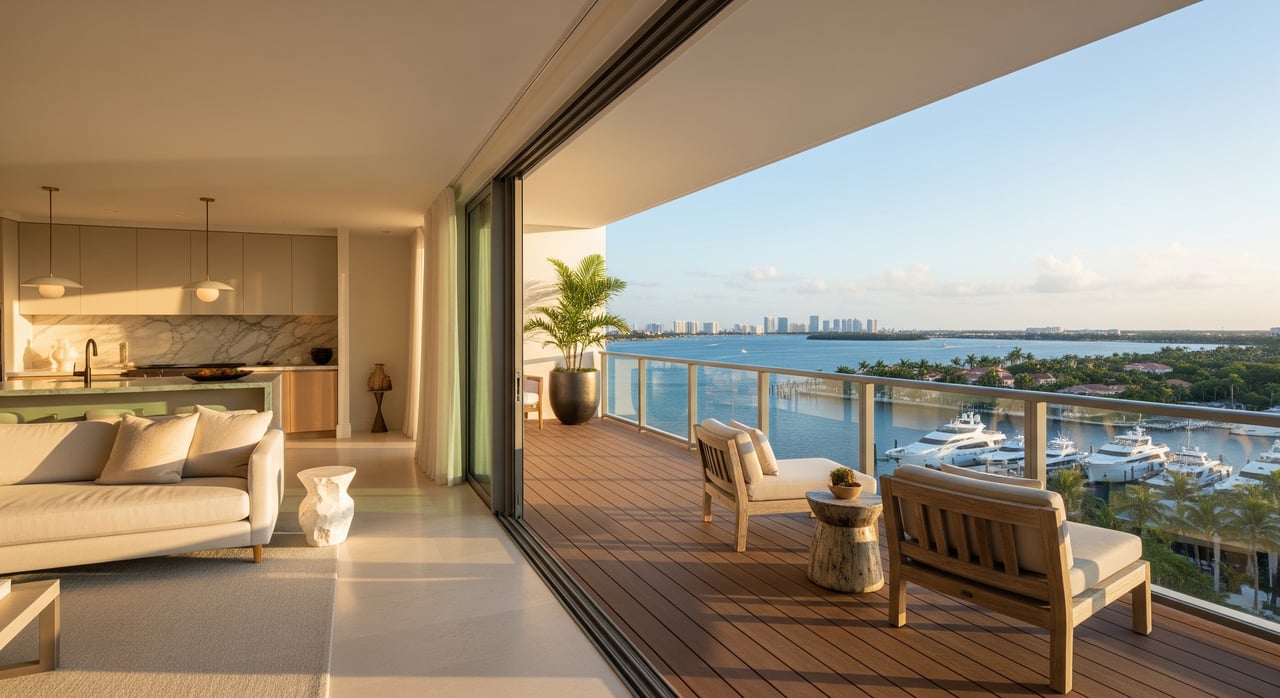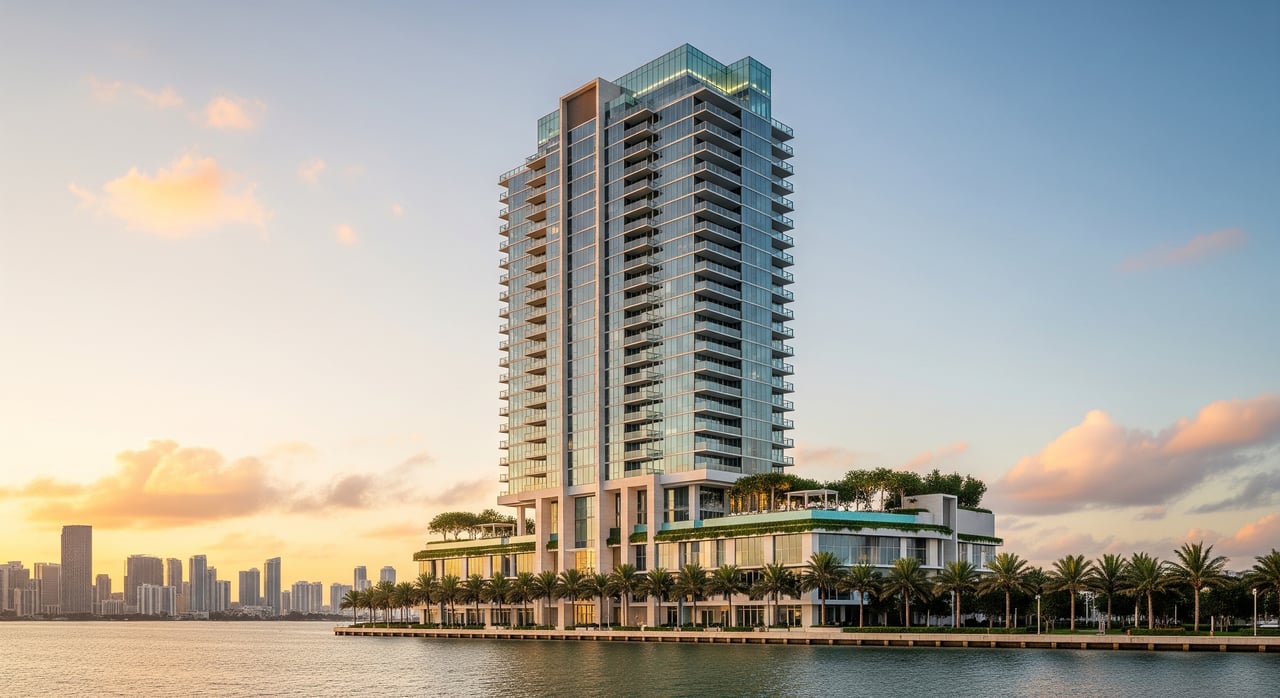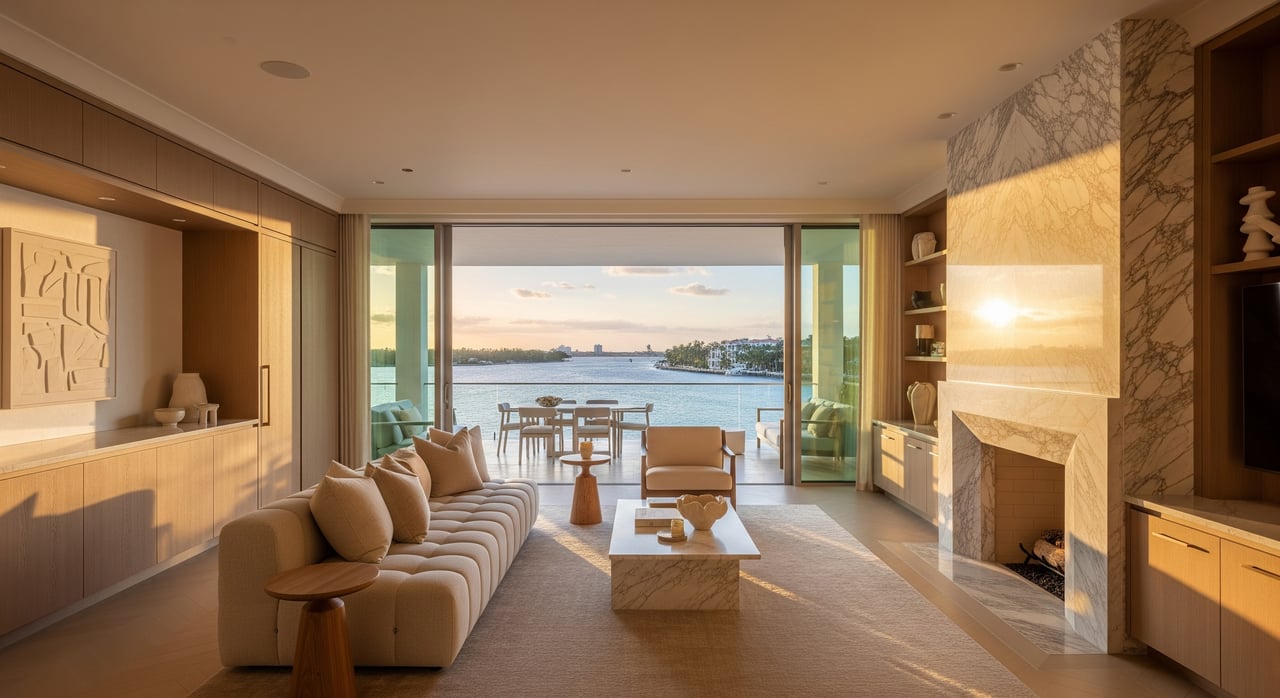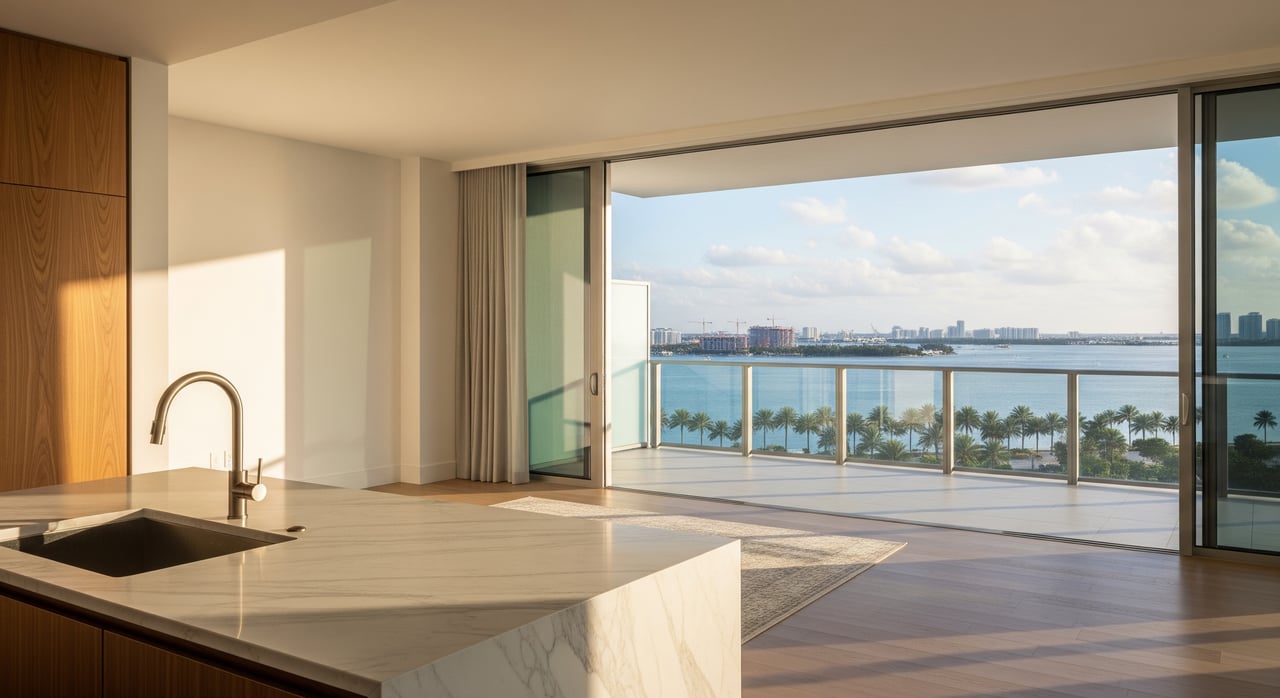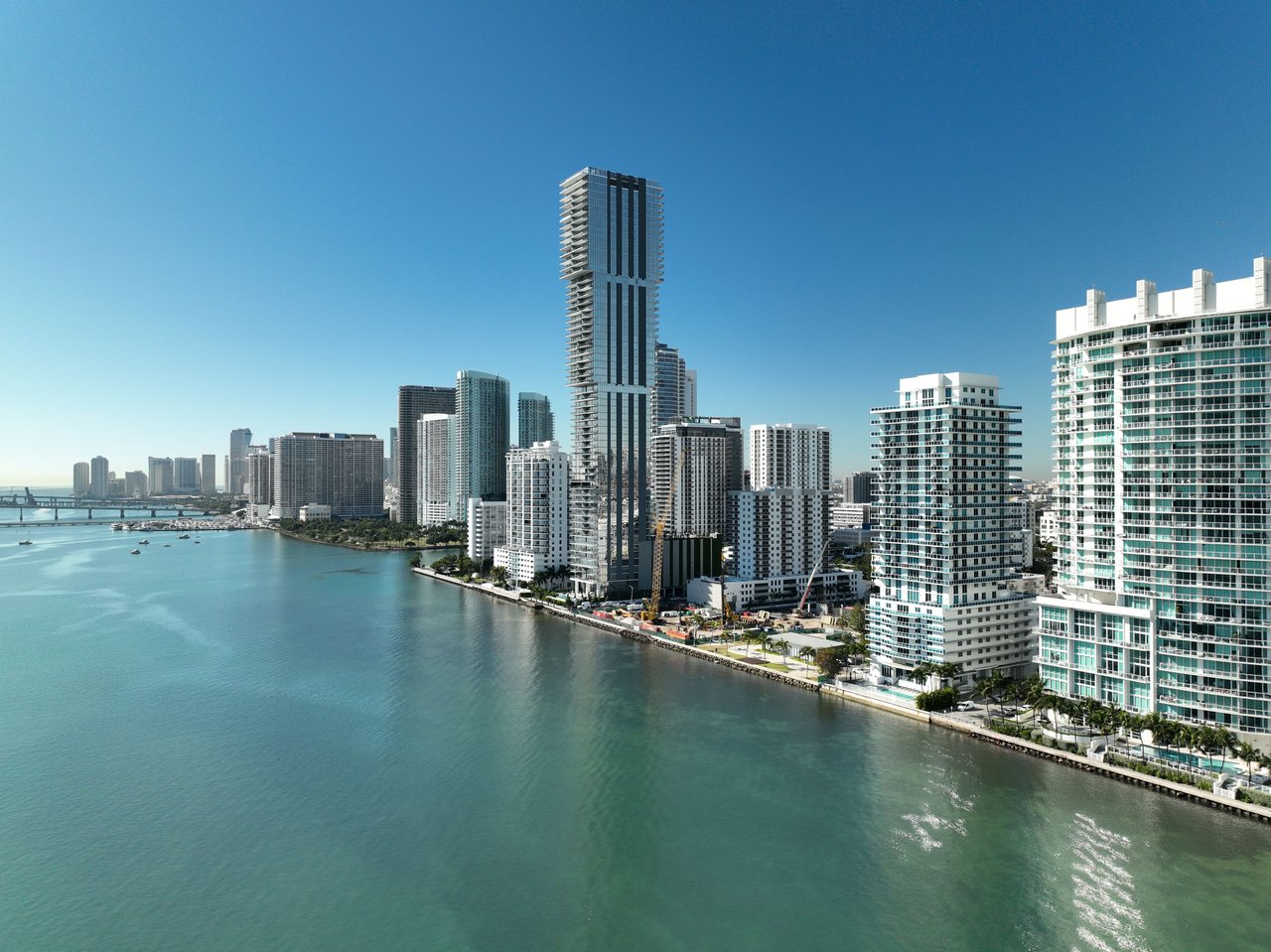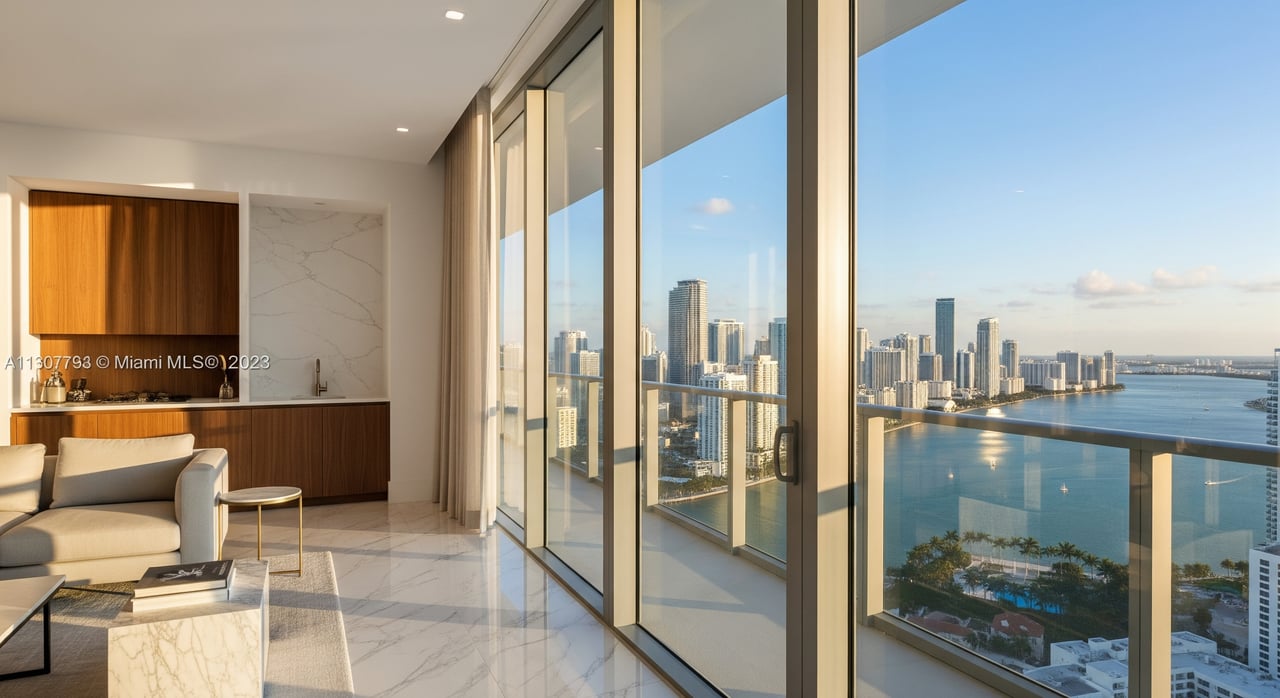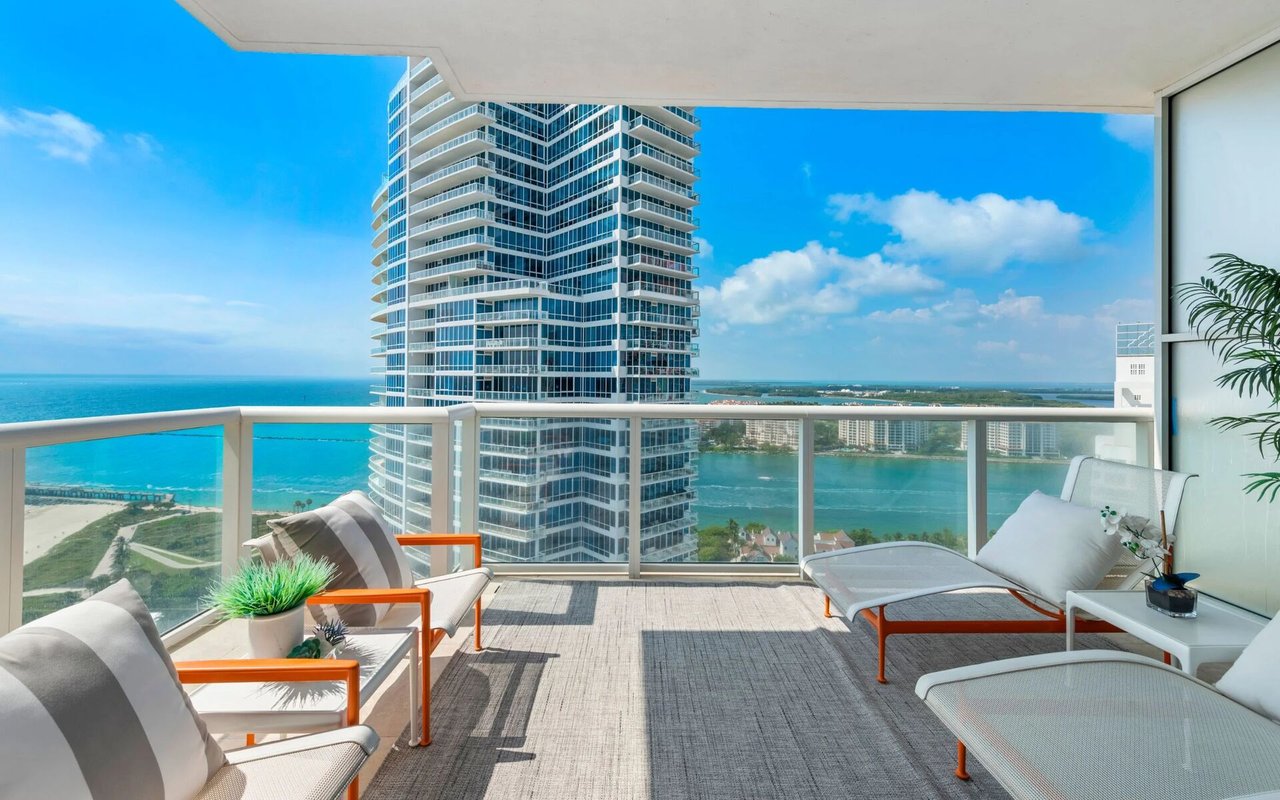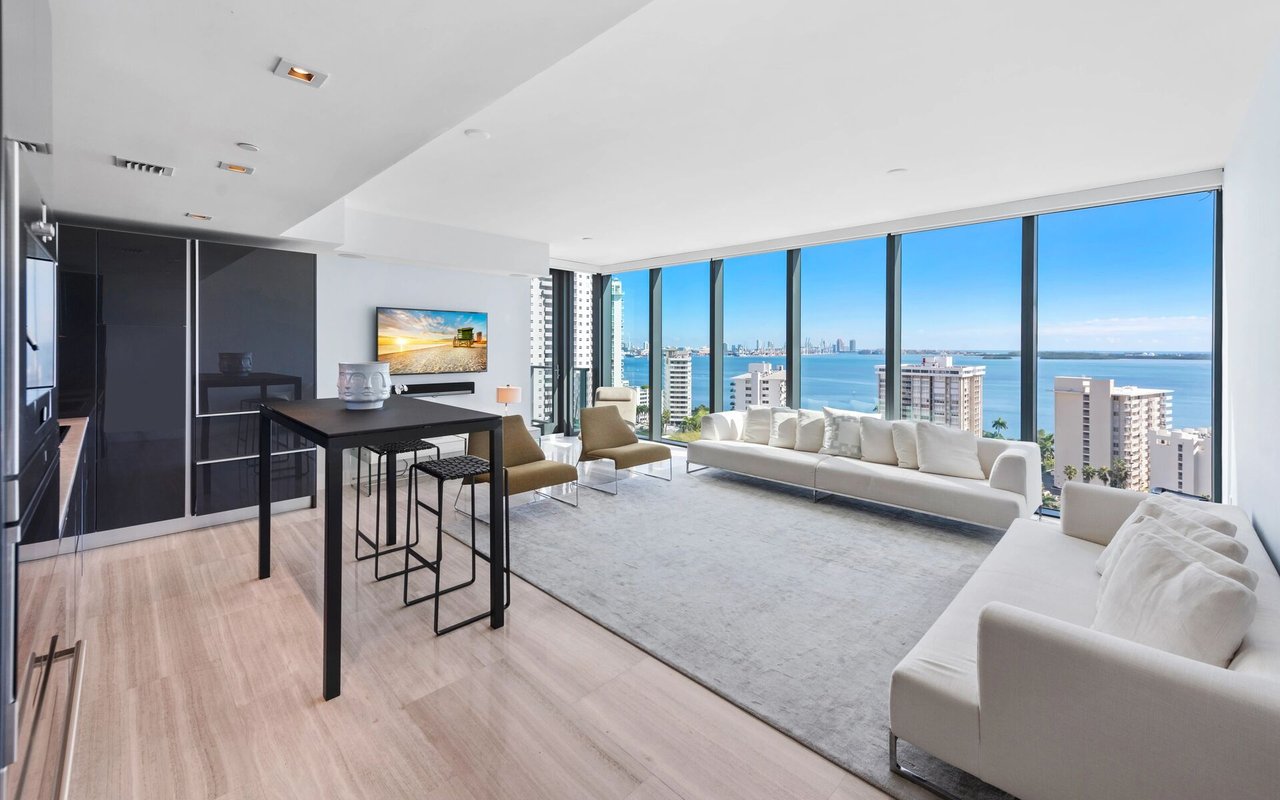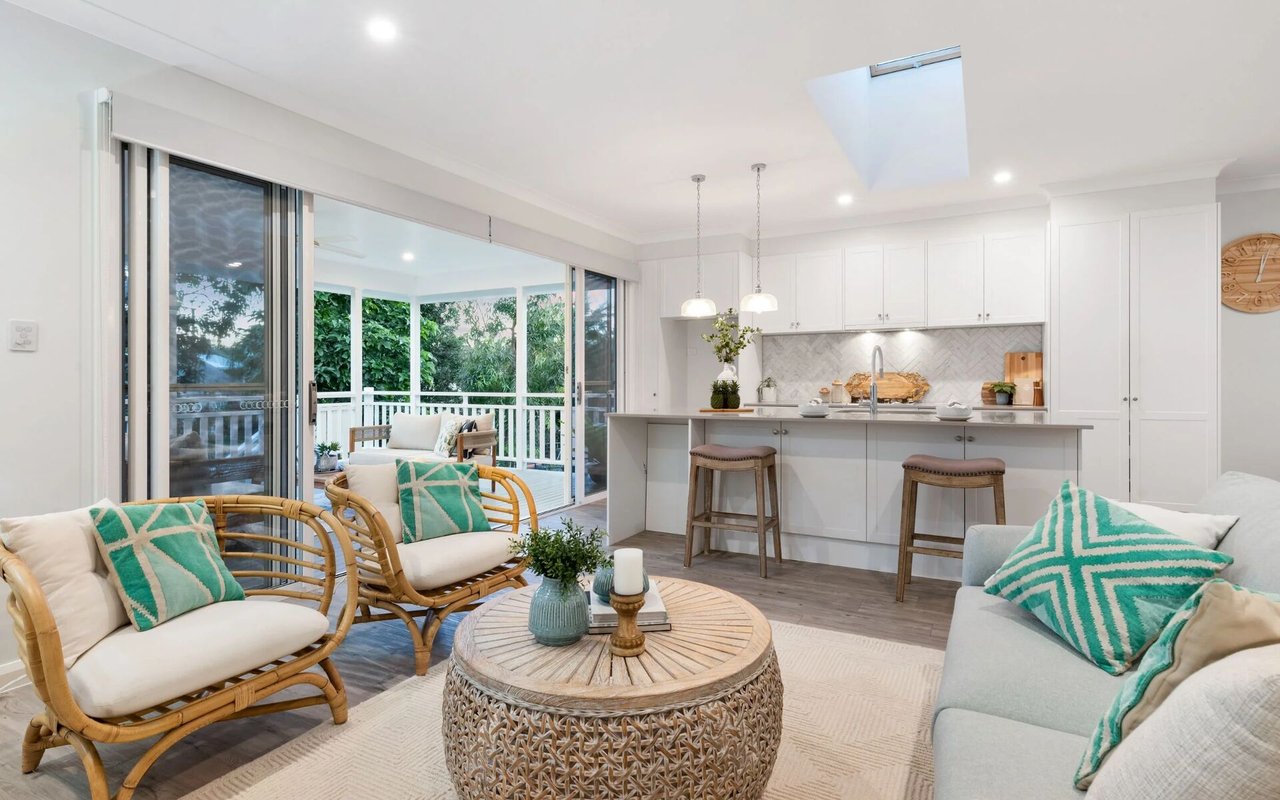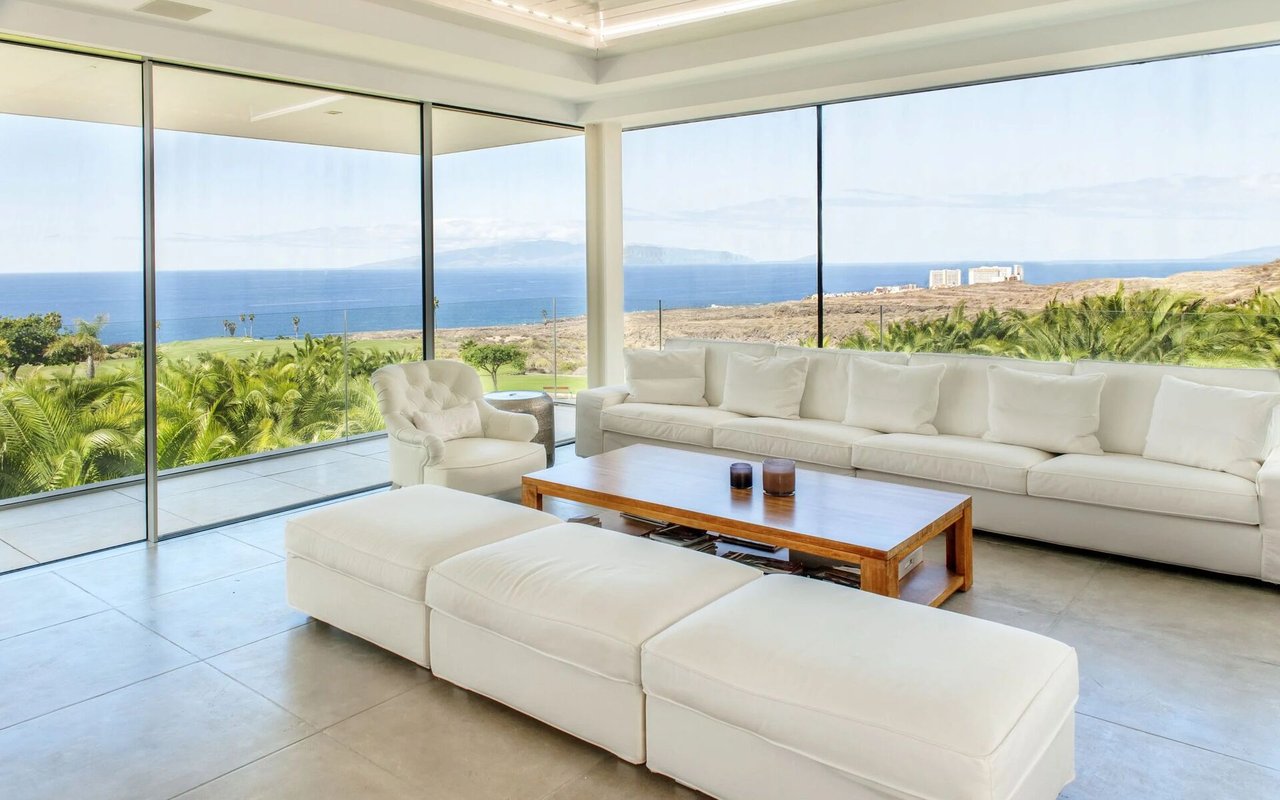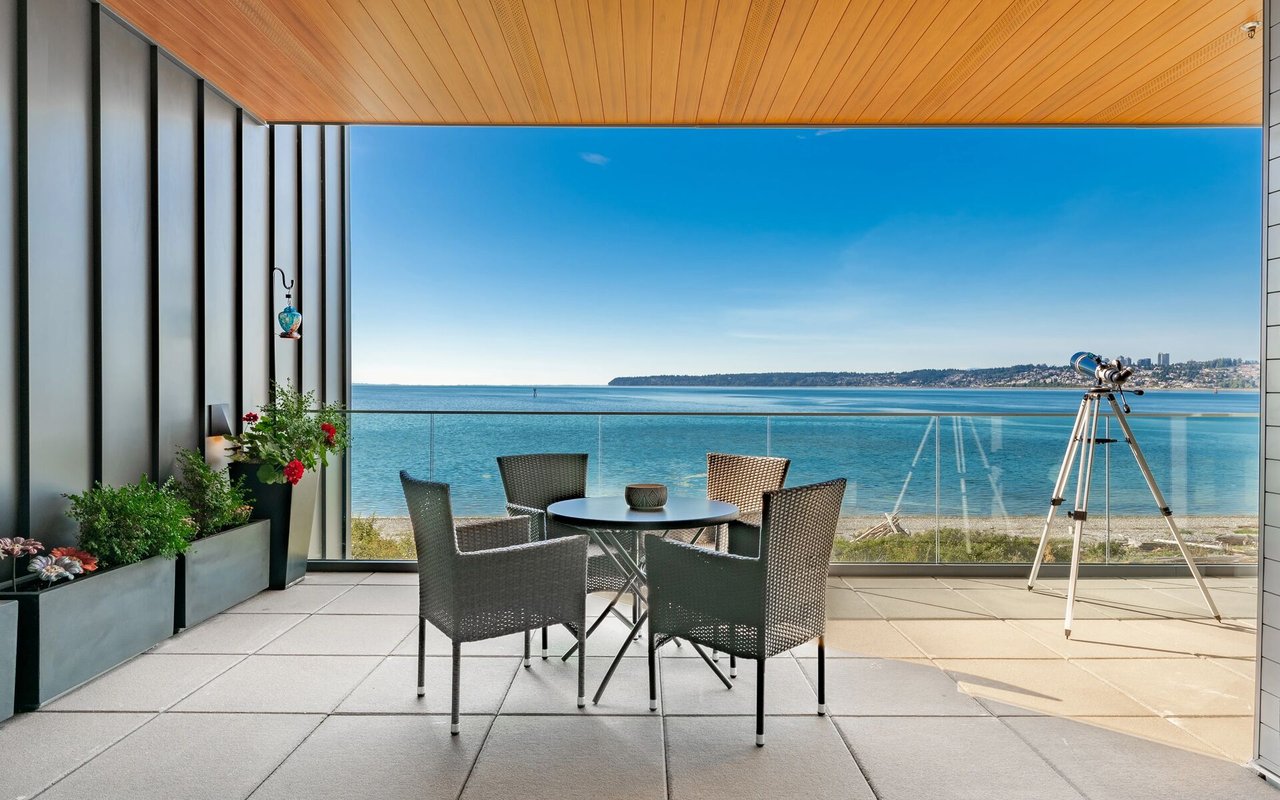
Thinking about a Sunny Isles branded residence you can enjoy part of the year and rent when you are away? You are not alone. This stretch of beach is home to some of South Florida’s most talked‑about luxury towers, and many buyers want both lifestyle and rental flexibility. In this guide, you will learn how to evaluate each building’s brand model, amenities, costs, and leasing rules, plus what licenses you need for short‑term rentals in Sunny Isles. Let’s dive in.
Sunny Isles branded residences at a glance
Branded residences pair a recognized name with premium services and finishes. Global research points to strong growth in this sector and highlights Florida, especially Miami, as a leading hub for branded projects. You can see the trend in Sunny Isles, where names like Porsche Design, Armani/Casa, The Ritz‑Carlton Residences, and Acqualina shape the skyline. For a market overview of why these properties command attention and often price premiums, review the Knight Frank branded residences report. Industry research confirms rapid pipeline growth and strong Florida activity.
Here is the key: no two towers are the same. Some are designer‑licensed condominiums with residential services. Others are tied to hospitality brands that may offer hotel‑style management. You should evaluate each building individually before assuming rental flexibility, service standards, or returns.
Rental rules and licenses in Sunny Isles
If you plan to rent your residence, confirm the legal steps before you advertise.
- City license: Sunny Isles Beach requires a Short‑Term Vacation Rental License for any multifamily unit offered for six months or less. The city’s program outlines application items, safety features, occupancy caps, and fines. You must secure the city license before marketing the unit. Review the city guidance and forms here: Short‑Term Rentals — City of Sunny Isles Beach.
- State license: Florida law defines a “transient public lodging establishment.” If you rent a unit more than three times per year for stays under 30 days, or advertise it that way, you need a DBPR vacation rental license through the Division of Hotels & Restaurants. See the statutory definition in Florida Statutes §509.013 and the DBPR forms and publications you will use.
- Taxes: The city application asks for proof of registration with the Florida Department of Revenue and Miami‑Dade tax authorities for state and local tourist taxes. Confirm current tax rates and filing requirements with those agencies before modeling returns.
Just as important, your condominium’s recorded documents control if and how you may lease. In Sunny Isles, many luxury towers impose minimum lease terms, sometimes six months, and require tenant approvals. Always verify rules in writing.
How to evaluate a branded tower
Brand model and operator
Start by clarifying the brand’s role. Some towers license a designer or luxury name that shapes the interiors and amenity ethos. Others partner with a hospitality brand that delivers hotel‑style services and may operate a rental program. For example, project materials for The Ritz‑Carlton Residences in Sunny Isles describe a residence‑only product with Ritz‑level services rather than a co‑located hotel. Understanding the licensor and day‑to‑day operator helps you gauge guest standards, marketing reach, and potential service fees. You can see context in press coverage of the Ritz‑Carlton Residences opening.
Key questions:
- Who is the licensor and who manages daily operations: the developer, a hotel company, or a third‑party firm?
- Is there an on‑site hotel or rental pool? Is participation optional or mandatory?
Amenities vs HOA costs
Signature amenities are a major draw for owners and guests: private restaurants, spas, multi‑level pool decks, beach service, and concierge teams. These same features tend to raise monthly assessments and long‑term reserve needs. Ask for the current budget, reserve study, and any furniture, fixtures and equipment plan so you can underwrite real carrying costs. The bigger the footprint, the more important it is to stress‑test future fees.
Management programs and fees
If the building offers an owner rental program, study how the revenue split, housekeeping, marketing, and FF&E reserve charges work. In some condo‑hotels, the operator manages a shared rental pool. In residence‑only towers, you may hire third‑party managers instead. Terms and yields vary widely by product and destination, so request historical occupancy and average daily rate data when available. Be cautious with glossy projections; structure matters more than logos.
Leasing rules and approvals
Read the recorded Declaration, Bylaws, and Rules to confirm the minimum lease term, any post‑purchase waiting period, board approval steps, and penalties. Many Sunny Isles luxury buildings require six‑month or longer minimums, which limit short‑term strategies. Ask if rental rules have changed in the last five years and obtain any recorded amendments.
Use patterns and demand drivers
For lifestyle use, verify 24/7 concierge coverage, guest suite policies, private elevator lobbies, in‑residence services, and parking. For rentals, remember South Florida’s seasonality: winter is typically high season, with corporate and family demand important year‑round. Branded status can improve marketability and guest confidence, but results still depend on rules, licenses, furnishings, and marketing support.
Quick Sunny Isles building spotlights
Use these notes as a starting point, then confirm details with the association and management.
Porsche Design Tower
Automotive‑branded with the signature Dezervator car elevator that brings you and your vehicle to a private sky garage. This unique feature is a differentiator for lifestyle and marketing. Verify the building’s leasing policy and any minimums before assuming rental flexibility. Learn more about the tower’s background in the Porsche Design Tower overview.
Residences by Armani/Casa
A designer‑led tower where interiors and amenities reflect the Armani/Casa brand. The emphasis is on design standards and curated residential services. Many Armani/Casa projects are residence‑only, so confirm whether any owner rental program exists and review the recorded lease rules. Explore the brand positioning on the official project site.
The Ritz‑Carlton Residences, Sunny Isles Beach
A residence‑only product delivering Ritz‑style services and a robust amenity suite. Do not assume there is a hotel or rental pool on site. Confirm any permissible rental options directly with management and read the governing documents. For background on the project’s delivery, see press reporting at completion.
Estates at Acqualina and Mansions at Acqualina
Part of a resort‑scale branded complex offering extensive amenities and family‑friendly services. The resort context can be attractive for both personal enjoyment and guest appeal. Confirm any rental program availability and the exact lease minimums for your specific tower. Review the brand’s positioning on the Estates at Acqualina site.
Bentley Residences (planned)
An announced car‑brand collaboration with in‑unit garages and technology lineage connected to the Dezervator concept. Leasing policies for new developments are finalized in recorded documents near delivery, so verify prior to contract if rentals are part of your plan. See early reporting on the planned Bentley Residences.
Due diligence checklist
Gather these documents early. They determine rental flexibility, service standards, and true carrying costs.
- Recorded Declaration, Articles, Bylaws, and amendments: confirm minimum lease term, waiting periods, and any limits on the number of leased units.
- Rules and Regulations plus leasing addenda: review tenant application steps, guest registration, and fines.
- Current operating budget, latest audited financials, reserve study, and any special assessment notices.
- Board meeting minutes for the last 12 to 24 months: look for insurance changes, litigation, reserve shortfalls, or rental rule discussions.
- Copies of any hotel or rental management agreements and brand licensing agreements that impose owner obligations, FF&E standards, or program participation.
- Insurance policies: understand the master policy and owner requirements for liability and loss assessment coverage.
- Standard lease forms and board approval timelines if provided.
- HOA assessment history and any upcoming capital projects that could affect cash flow.
Targeted questions to ask:
- Has the association amended leasing rules in the last five years? If yes, obtain the recorded amendment.
- Is rental program participation mandatory or optional? How are operator fees, housekeeping, marketing, and FF&E reserves handled, and what is the owner net share?
- Are there restrictions on short guest stays using amenities or caps on transient occupancy?
- Are there open insurance or engineering issues that could lead to future assessments?
If you plan short‑term rentals, also confirm that building policy allows city and DBPR inspections and a 24‑hour responsible party contact, as required under the city’s STR program and DBPR rules.
Model the numbers conservatively
Branded residences can sell at premiums to comparable non‑branded luxury homes, and many buyers hope rentals will offset carrying costs. Returns, however, depend on structure and compliance. Build a conservative model that includes:
- HOA assessments, master insurance allocations, and reserves.
- Any required FF&E package and future FF&E reserves for brand standards.
- Operator or management fees, housekeeping, and marketing costs if you use a rental program.
- City licensing costs, state DBPR fees, and administrative time for compliance.
- State and local tourist taxes and filing needs.
- Seasonality assumptions for occupancy and average daily rates in South Florida.
- Furnishing and utility costs suitable for short‑term guests.
- Vacancy, wear‑and‑tear, and turnaround time between stays.
The logo on the door helps marketability, but the recorded rules, management terms, and net splits drive outcomes. Treat glossy projections as starting points, not guarantees.
Red flags and negotiation opportunities
Watch for these issues as you compare towers and contracts:
- Recorded rules that forbid rentals or require minimums longer than six months if your strategy needs short‑term flexibility.
- Mandatory rental‑pool participation with unfavorable splits or limited termination rights.
- Recent or recurring special assessments and thin reserves in the study.
- Brand or management agreements that impose open‑ended charges or transfer revenue streams.
- Insurance exclusions or pending engineering items that could trigger future costs.
Next steps
If you want a branded residence that balances lifestyle and income, the right plan matters. Start with building documents, confirm city and state licensing, and pressure‑test your numbers. Our team can help you compare towers, coordinate legal and tax advisors, and set up compliant rental operations that fit your goals. To explore curated Sunny Isles options and align on a strategy, connect with The Ana Vega Group for a VIP Consultation.
FAQs
What is a branded residence in Sunny Isles?
- A branded residence is a condominium tied to a recognized luxury name, often with elevated services and design; some are designer‑licensed residences without hotels, and others use hospitality operators that may offer rental programs.
Can you Airbnb a Sunny Isles branded condo legally?
- You can only advertise and host short‑term stays after confirming your condo allows it and obtaining a City of Sunny Isles Beach Short‑Term Vacation Rental License plus any required DBPR license and state and county tax registrations.
What lease minimums are common in Sunny Isles luxury towers?
- Many buildings require six‑month or longer minimums, but policies vary by tower, so you must read the recorded Declaration, Bylaws, and Rules to know exactly what is allowed.
Do The Ritz‑Carlton Residences in Sunny Isles have a hotel rental pool?
- Project materials describe a residence‑only product with Ritz‑level services rather than a co‑located hotel, so verify with management whether any rental program is available and what the rules require.
What fees should I expect if I join a rental program?
- Expect an operator or manager split, housekeeping and marketing charges, and sometimes an FF&E reserve; the net owner share depends on the program’s fee structure and your furnishing standards.