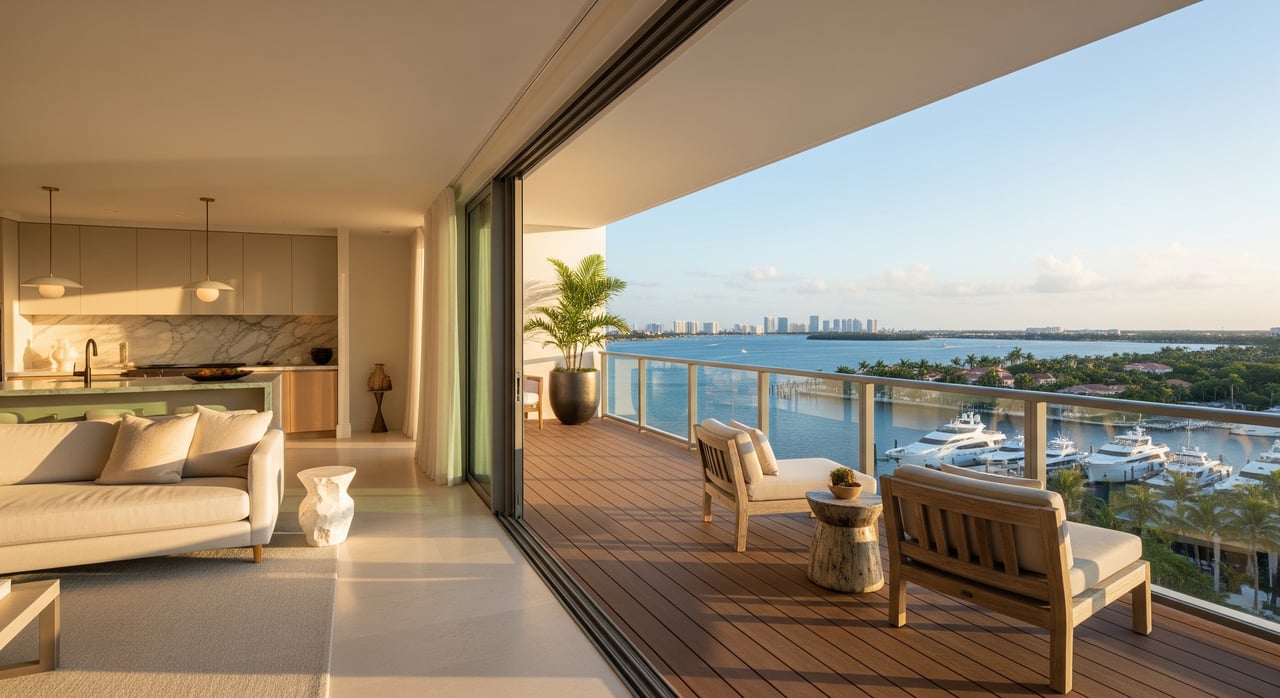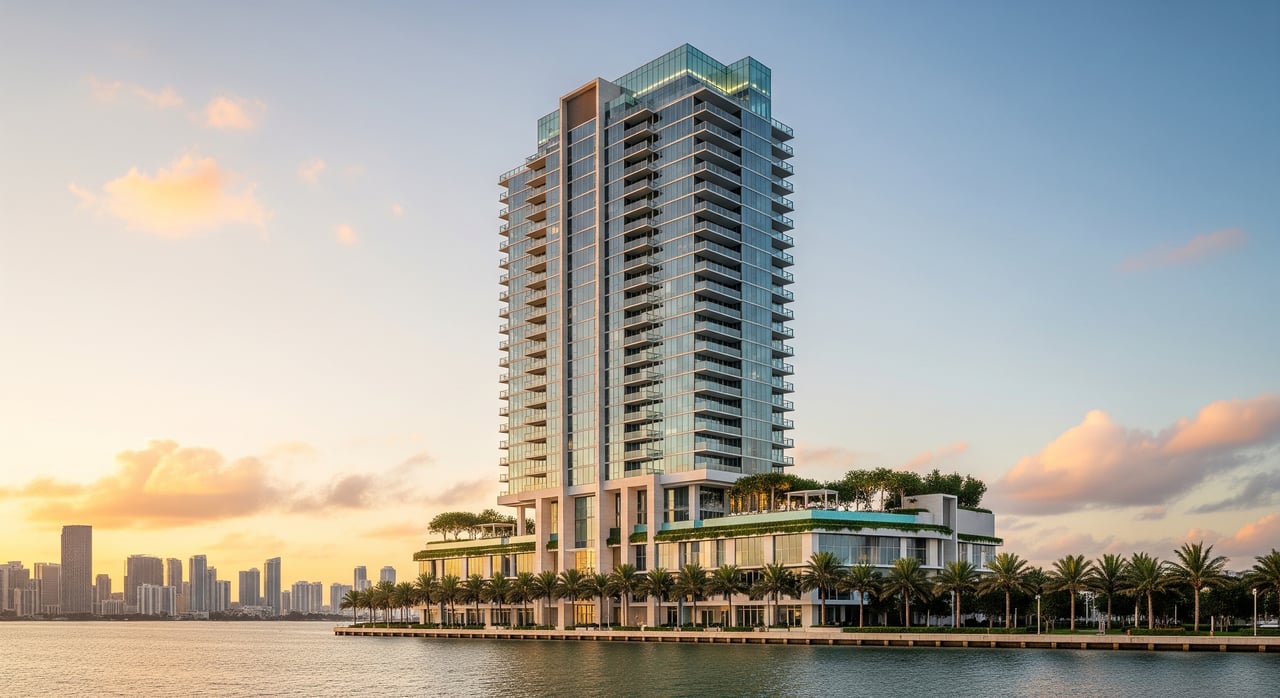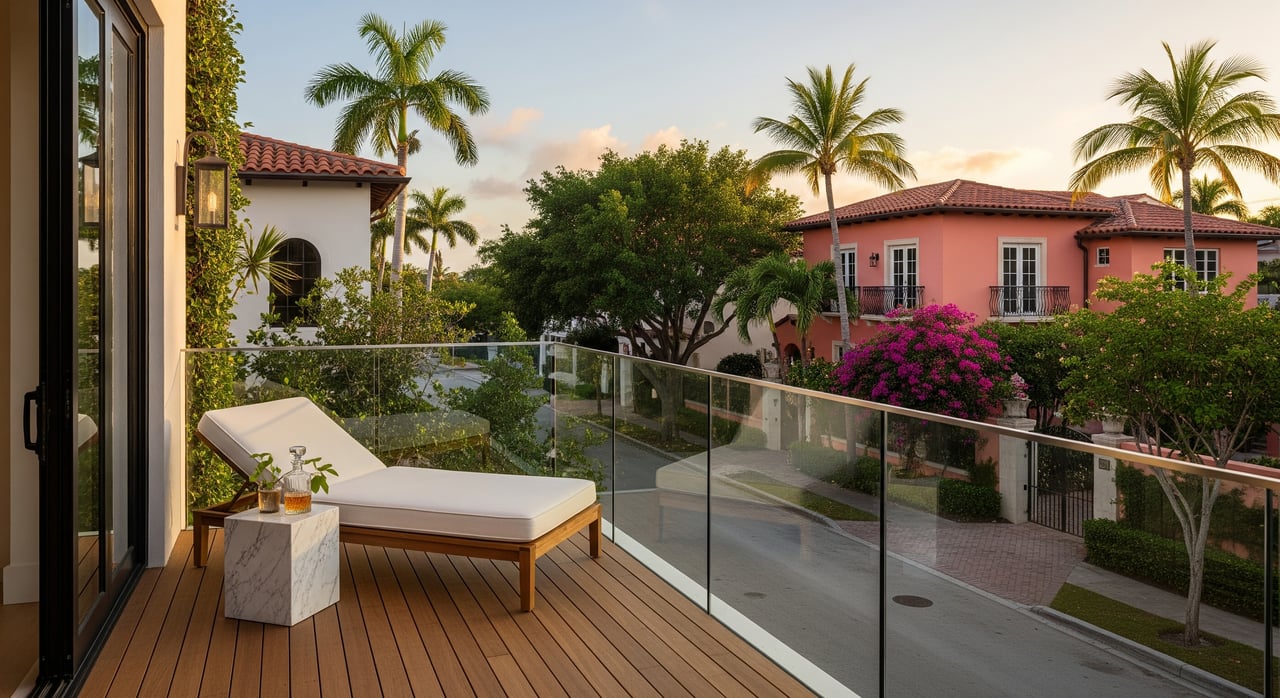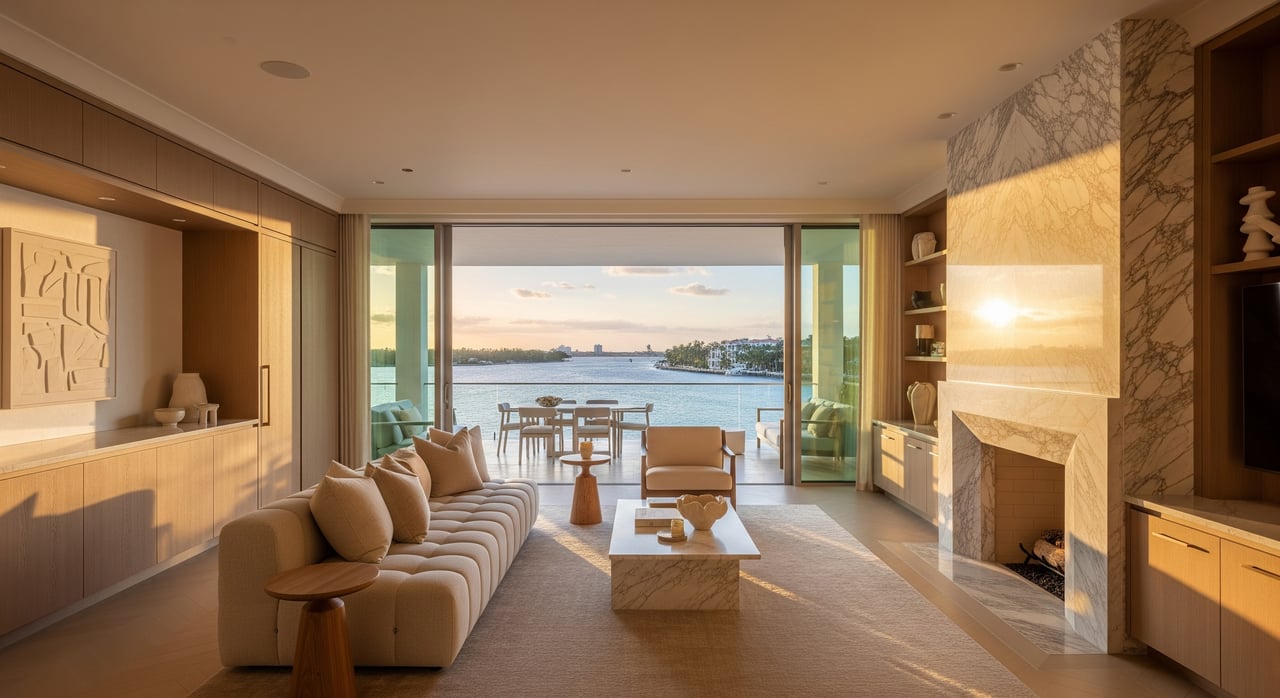
Curious why certain Sunny Isles Beach condos carry names like luxury hotels or iconic design houses? If you have seen the buzz around these towers, you are not alone. Branded residences blend private ownership with a recognizable brand and hotel-level service, which can be a smart move for lifestyle and convenience if you know what you are buying. In this guide, you will learn what branded residences are, how they are priced, what fees to expect, and how to compare options in Sunny Isles Beach. Let’s dive in.
Branded residences explained
Branded residences are privately owned condos that carry a commercial brand. The brand might be a luxury hotel, an automotive or design house, or a fashion label. The developer licenses the brand and follows brand standards for design and service.
Common ownership models
- Standard branded condominium: You own a condo like any other, but the building carries a brand and often includes elevated services and design standards.
- Condo-hotel or hotel-managed residence: You can place your unit in an optional or mandatory rental program managed by the brand or operator. Revenue-sharing and guest services apply.
- Fractional or residence clubs: You buy partial ownership or usage rights on a schedule. This is less common at the very top end in Sunny Isles.
What sets them apart
- Prominent brand identity and global marketing reach
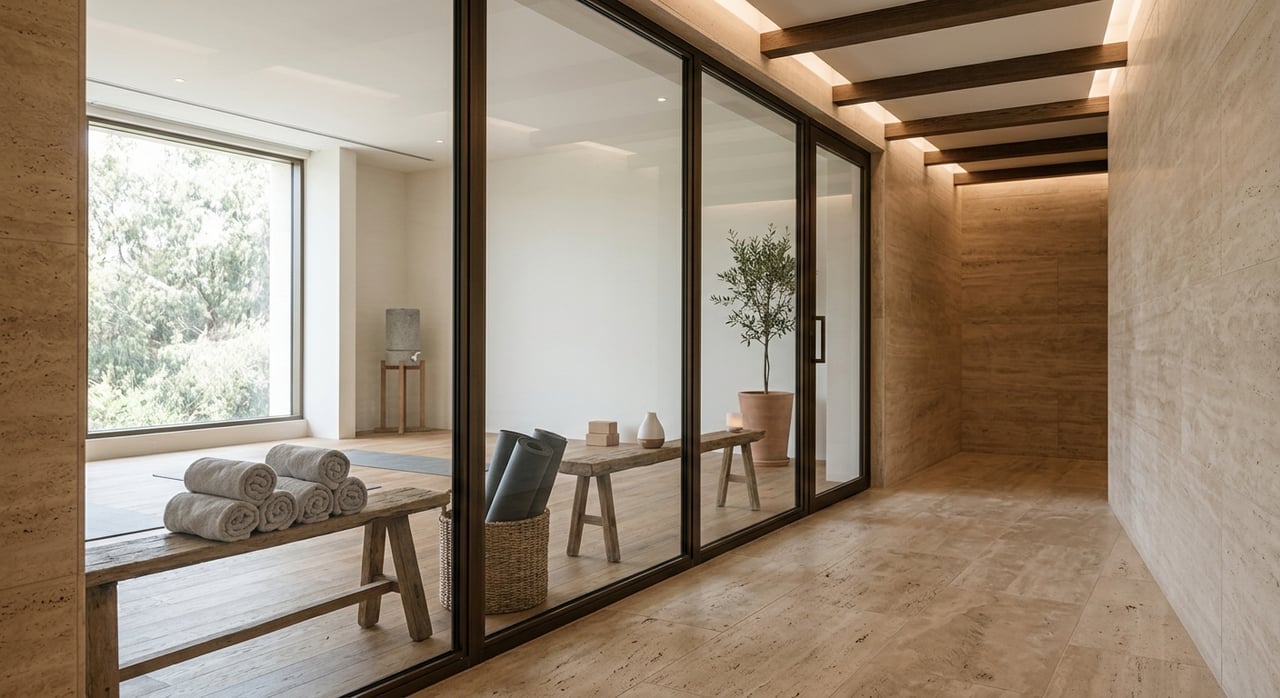
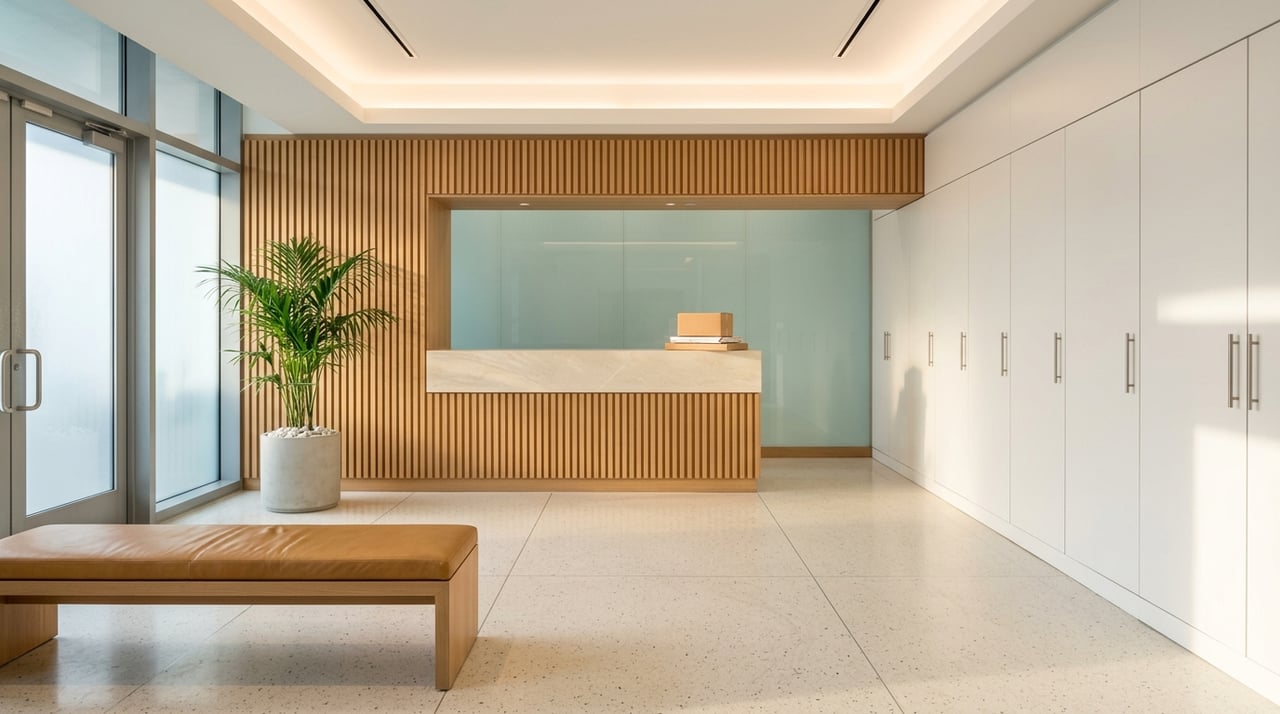
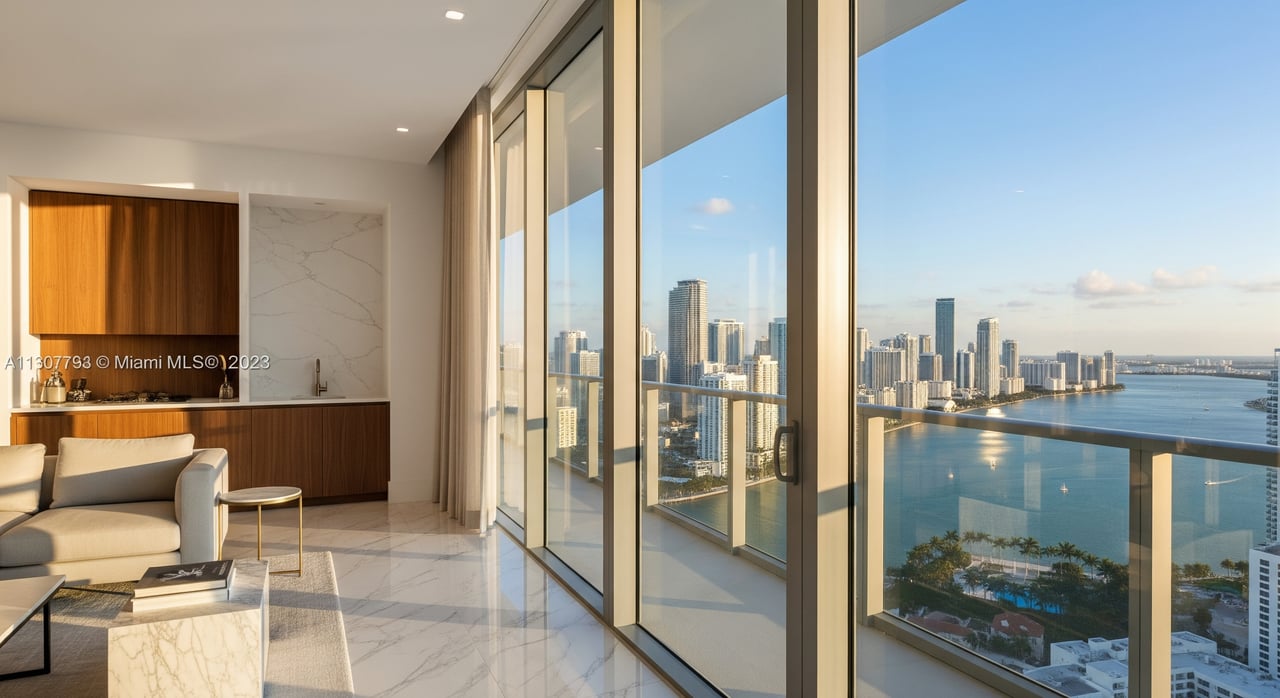
- Hotel-like services such as concierge, valet, housekeeping, and dining
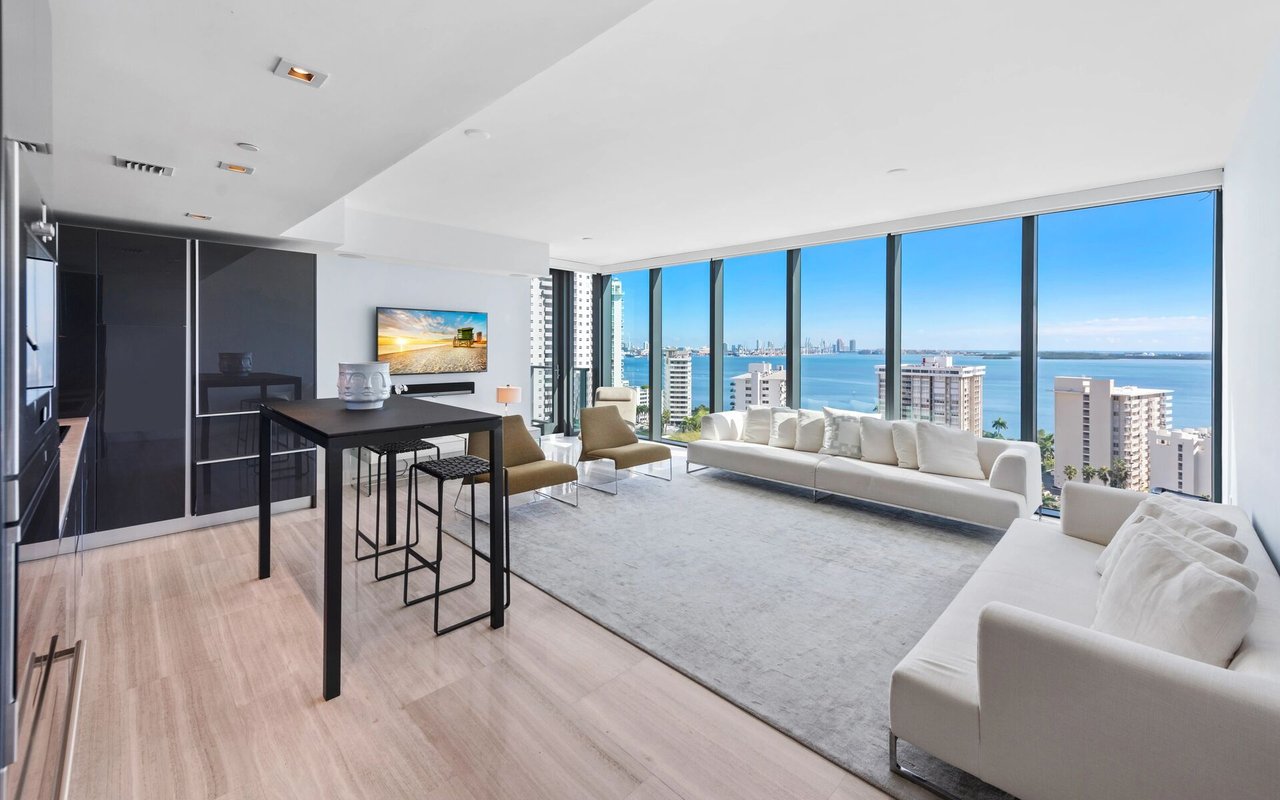
- Interior design and finishes approved by the brand
- Sometimes, access to brand loyalty or membership benefits
Why Sunny Isles Beach stands out
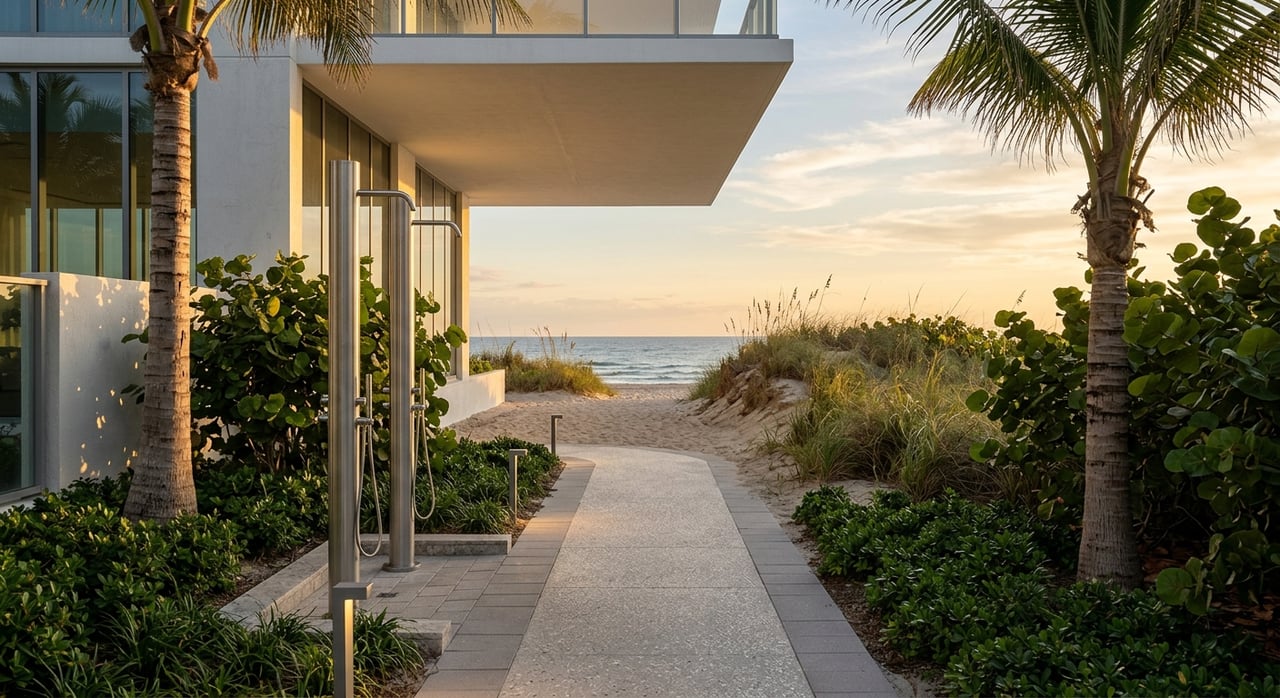
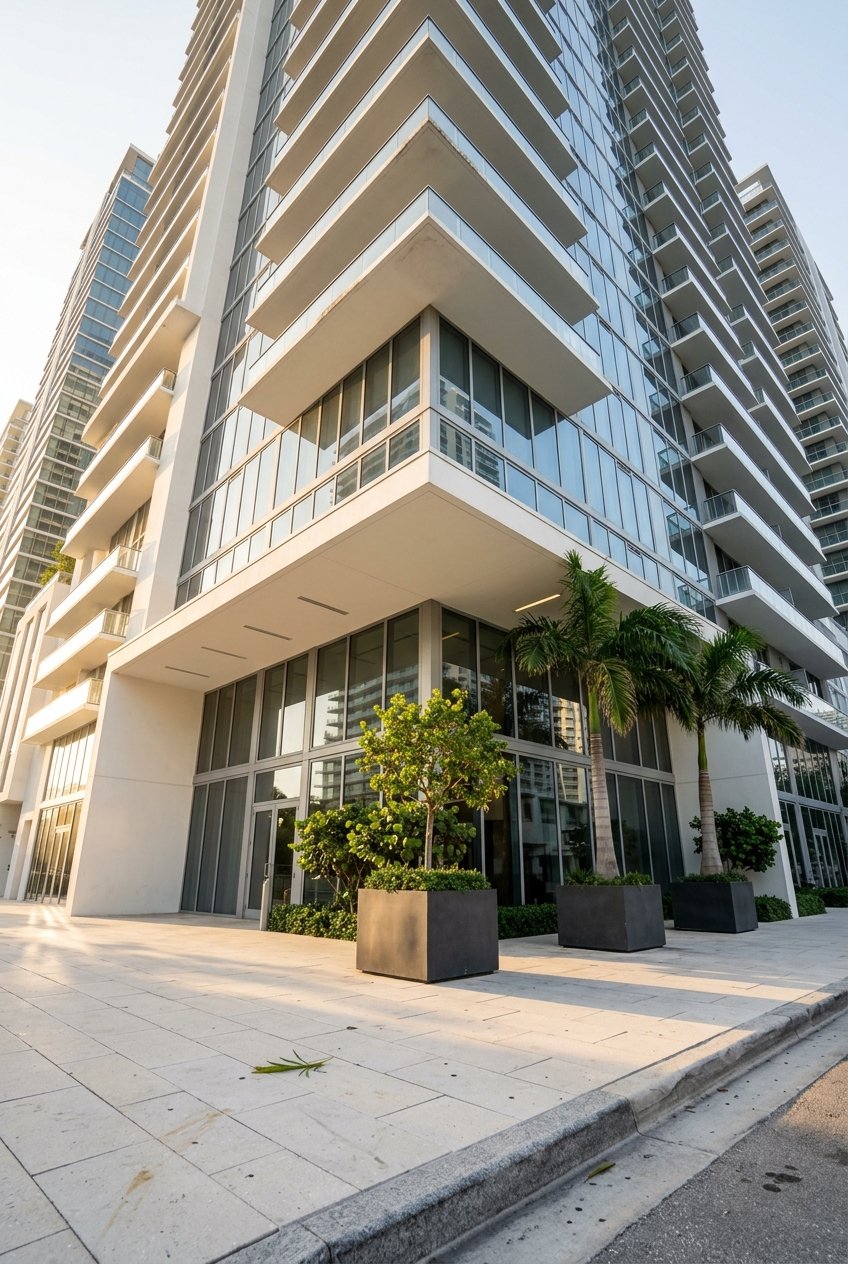
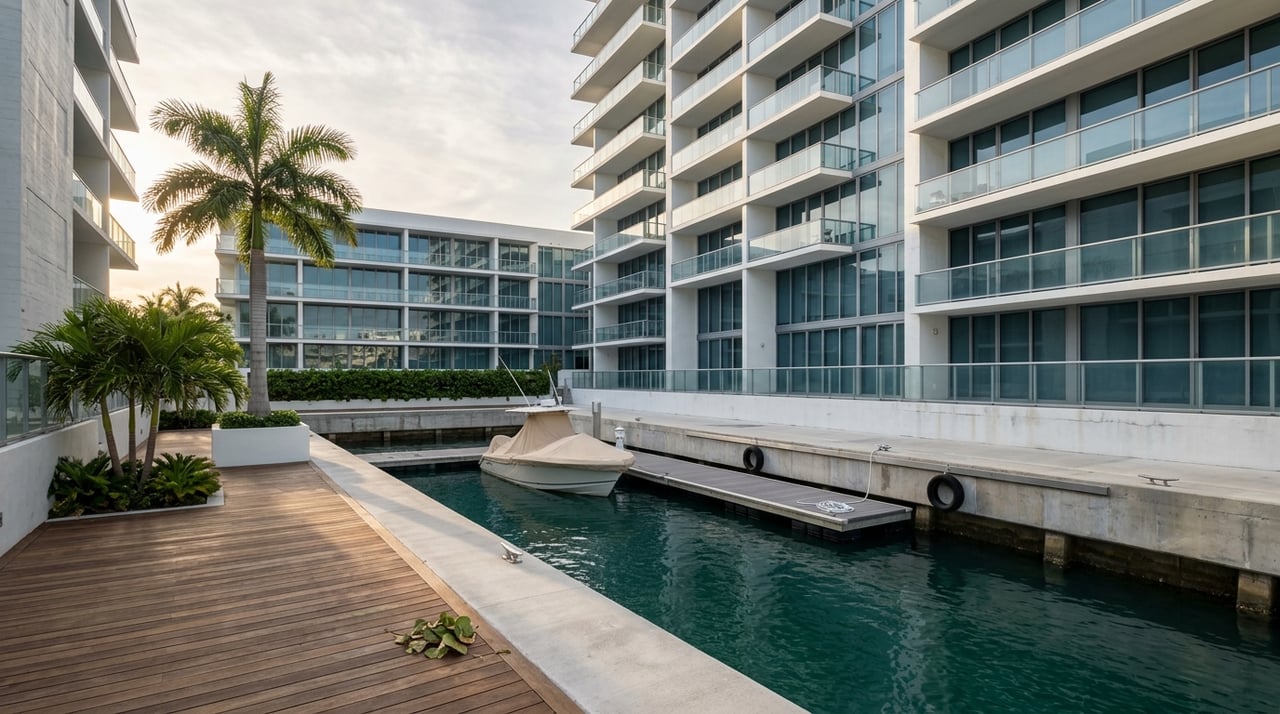
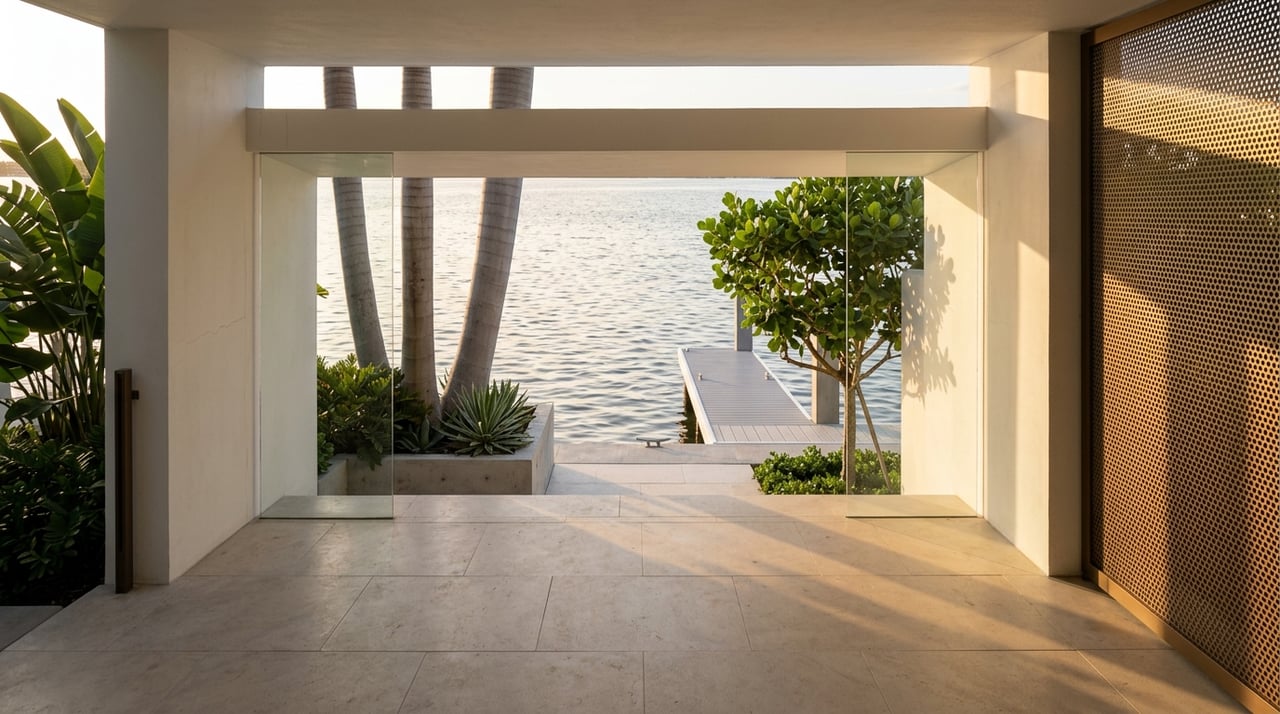
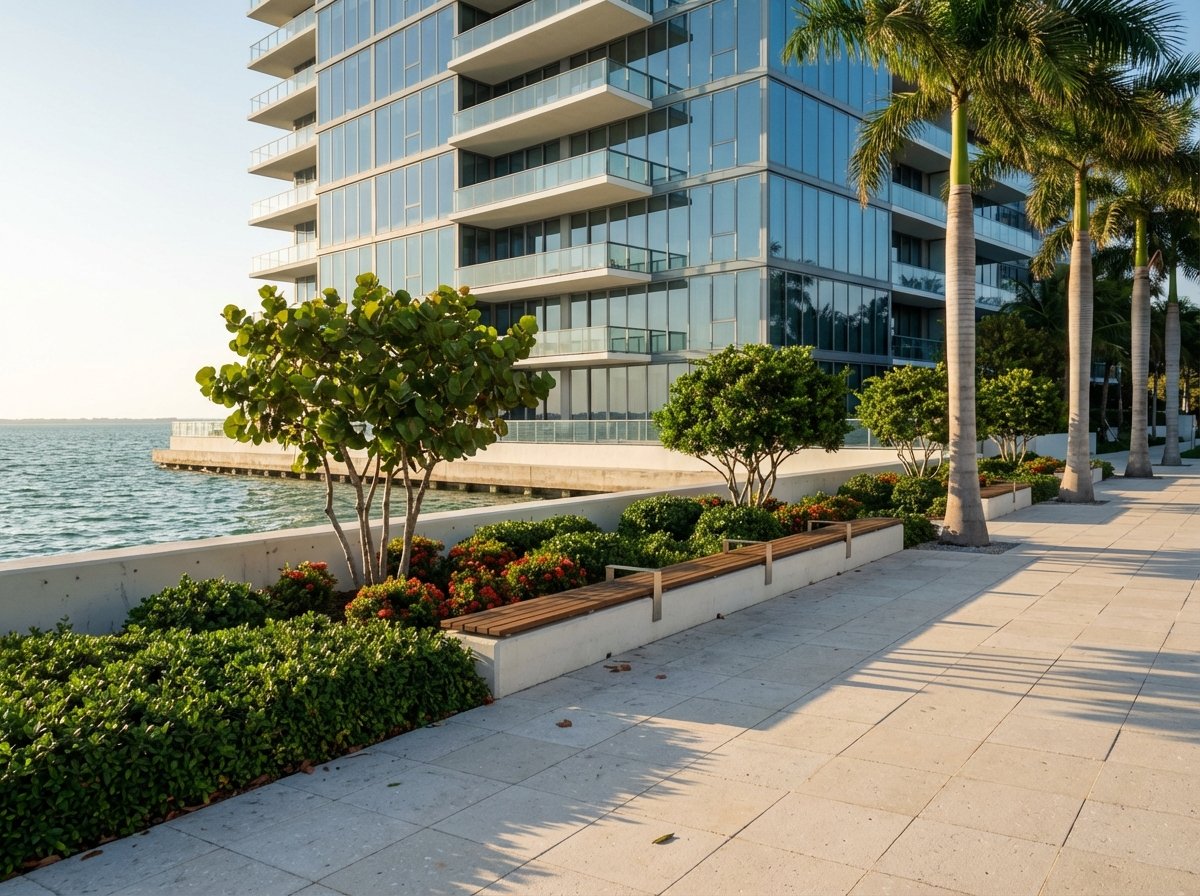
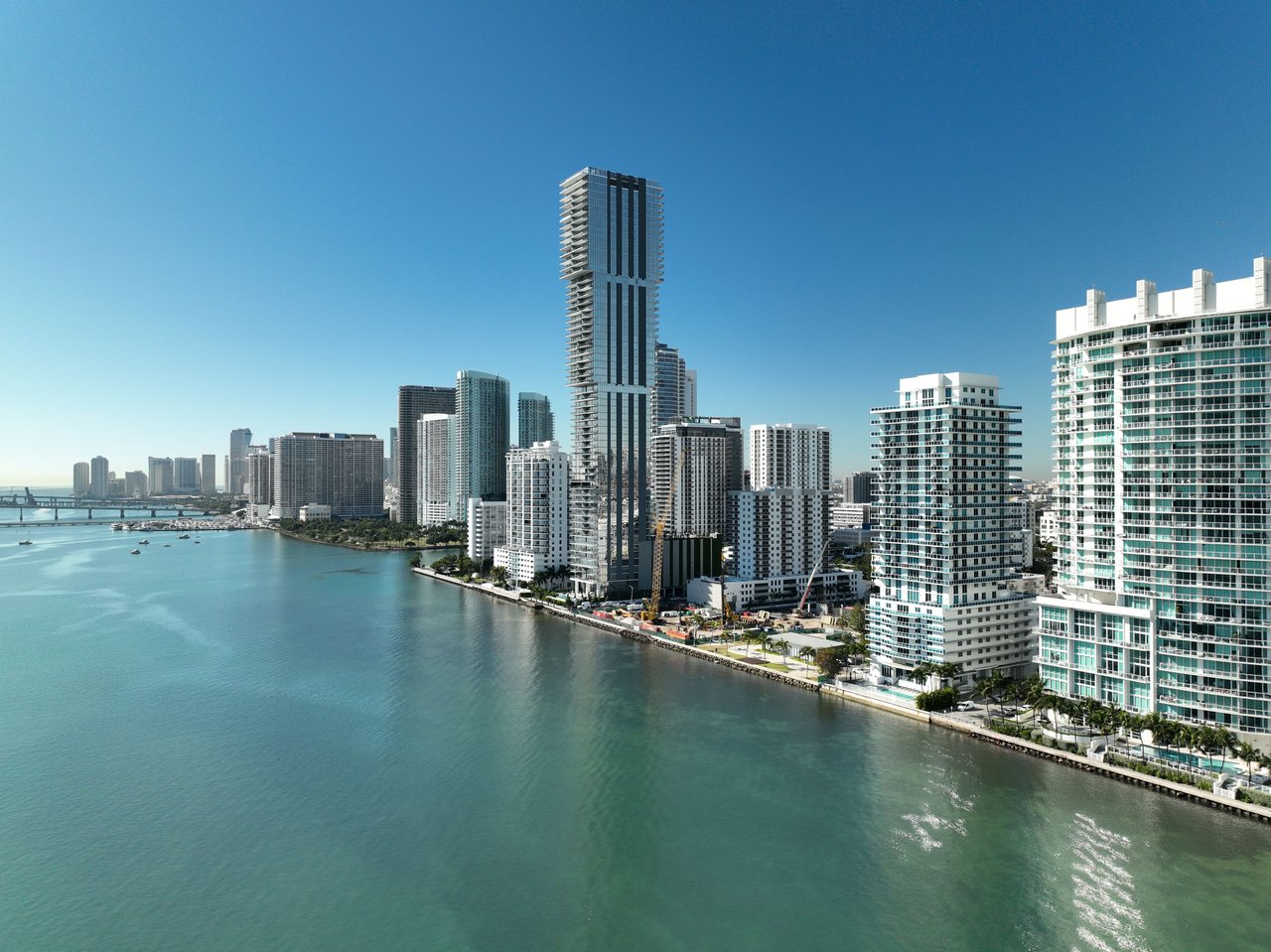
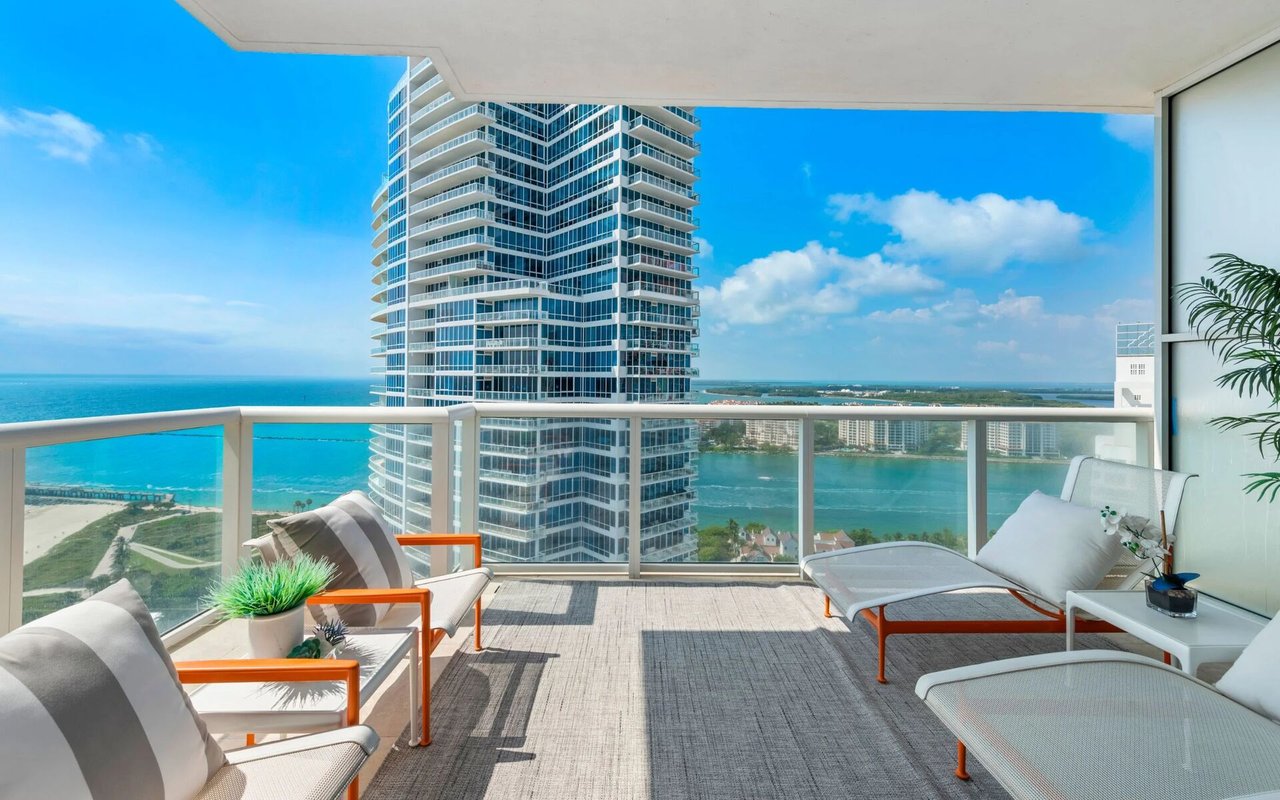
Sunny Isles Beach is a focused stretch of luxury oceanfront towers in northeast Miami-Dade County. Many buildings collaborate with global brands or design partners and achieve some of the highest price per square foot in the region. The buyer pool is diverse, including U.S. and international clients who value privacy, service, and turnkey ownership.
Local examples include automotive and design-affiliated towers that highlight unique amenities and a strong brand statement. Hotel-branded concepts also appear in the broader Miami-Dade luxury market, where food and beverage, spa, and membership programs are central to the experience.
How brand impacts price and value
Brand equity often commands a premium over comparable non-branded luxury condos. Market commentary commonly cites premiums in the range of about 10 to 30 percent, depending on brand strength, scarcity, and location. In Sunny Isles, where demand for trophy oceanfront is strong, a top-tier brand can help attract global buyers and support resale visibility.
That said, the premium is not guaranteed. Resale values depend on overall market cycles, building condition, service consistency, and the brand’s ongoing reputation.
Services and your monthly costs
Branded residences deliver hotel-level amenities, which increase operating costs. You should expect materially higher HOA or maintenance fees than a similar luxury building without hotel-like services. Typical cost drivers include:
- 24/7 staffing for concierge, valet, and security
- In-residence services such as housekeeping and dining
- Elevated spa, fitness, and food and beverage operations
- Reserve contributions for furniture, fixtures, and equipment
- Possible brand or marketing fees tied to standards and promotions
If a rental program is available, you may also see operator fees and service charges associated with guest operations.
Management structure and your control
Centralized management can be a plus if you want a passive, turnkey experience, but it can reduce your control over certain decisions.
- Optional programs: You can choose whether to rent and under what terms, subject to association rules.
- Mandatory programs: You must follow the operator’s rules, rates, and calendars. Expect a revenue split and recognize that occupancy patterns will affect your net income.
- Alterations and standards: Some branded buildings restrict changes to maintain design consistency.
Investment or vacation home?
Both use cases can work, but the math and expectations differ.
- Vacation-home owners often value service, easy ownership, and the prestige of the brand. The tradeoff is higher ongoing fees.
- Investors focus on income potential and resale liquidity. Net yields can be lower after operator and service costs, so it is smart to stress test assumptions and review actual statements when available.
Sunny Isles example: Bentley Residences
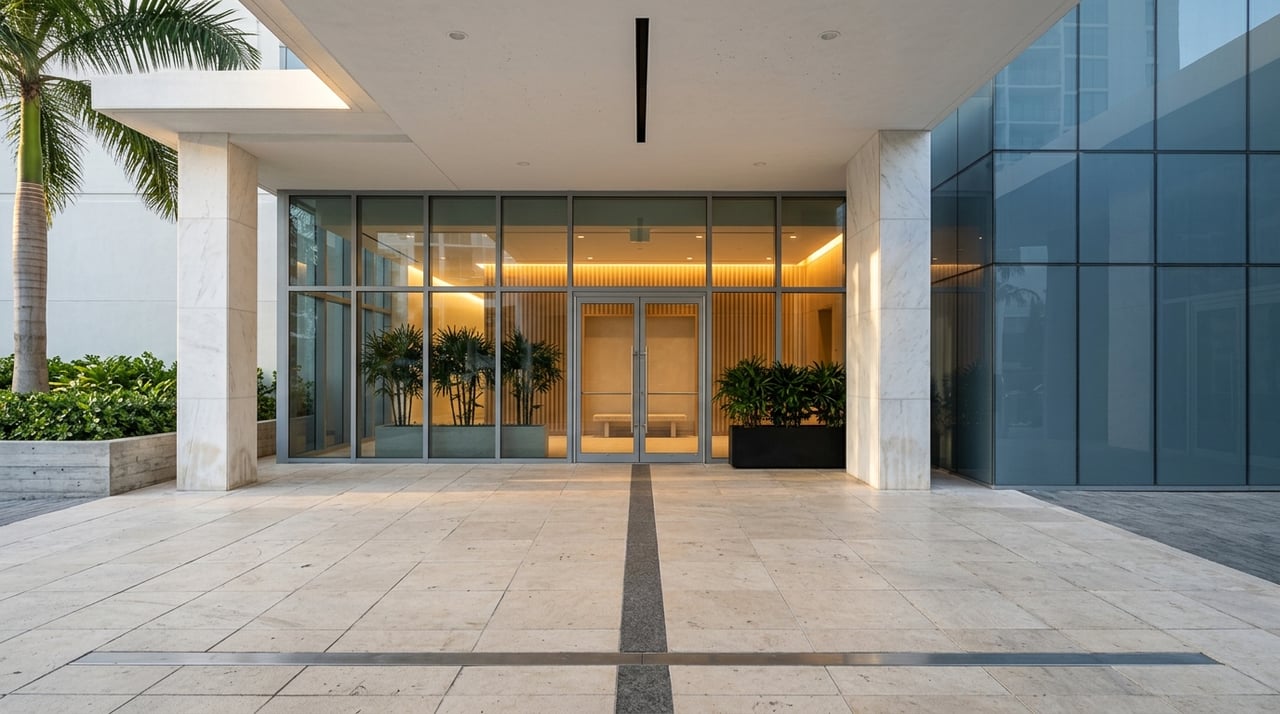
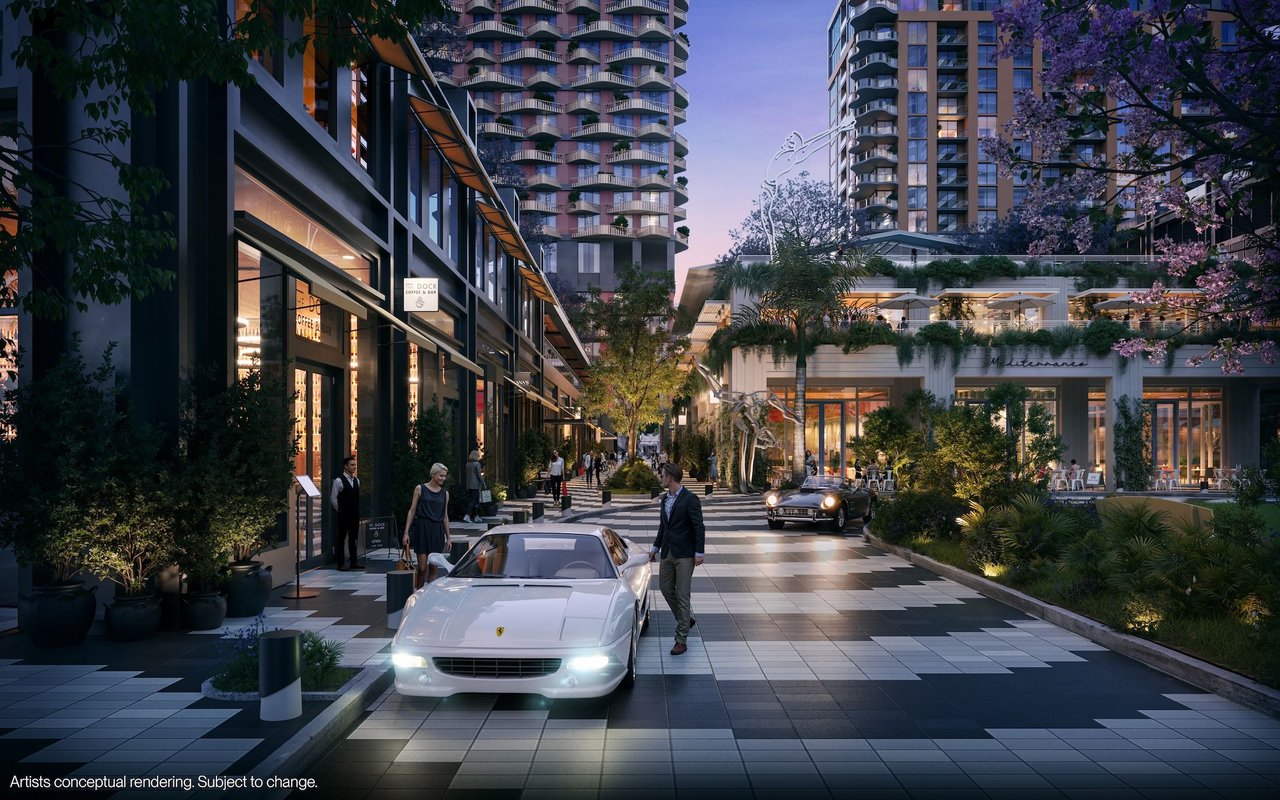
Bentley Residences in Sunny Isles Beach illustrates how a brand shapes design and lifestyle. The project pairs an automotive luxury brand with an established South Florida developer, emphasizing ultra-luxury finishes, bespoke design, and concierge-level services that align with the brand’s identity. The typical buyer profile includes high-net-worth individuals looking for a statement second home, a strong lifestyle experience, and the cachet that comes with a globally recognized name.
The key takeaway is not just the logo on the front door. It is the integrated design standards, service model, and marketing reach that can influence pricing, demand, and long-term desirability.
Comparing options: a practical checklist
Use this bite-sized list when you visit a sales gallery or tour resales. Ask for documents and numbers to back up the pitch.
Legal and contractual items
- Request the offering plan or public offering statement, condo declaration and bylaws, and any summaries of the brand license and management agreements.
- Confirm if the brand license is transferable and how renewals or terminations work.
- Ask about alteration restrictions or design standards that apply to your unit.
Financials and fees
- Review the HOA budget and recent history. Ask for a line-item breakdown for staffing, service delivery, reserves, and brand or marketing fees.
- Clarify what services are included in dues versus fee-for-service.
- If rentals are allowed, confirm whether the rental program is mandatory or optional, the revenue split, and any historical occupancy or rate data available.
- Check for planned capital improvements and potential special assessments.
Services and operations
- Confirm staffing levels for concierge, valet, and security.
- Ask who operates spa or food and beverage outlets and how owner access works.
- Understand any loyalty or membership benefits available to owners through the brand.
Resale, rental, and use rules
- Ask about minimum rental stays, owner-use windows, and screening policies.
- Confirm whether you can self-manage rentals or must use the building operator.
Insurance and hurricane preparedness
- Review insurance requirements for your unit and the association policy for the building.
- Ask about hurricane plans, reserves for major repairs, and seawall or envelope strategies if applicable.
Financing and taxes
- Identify which lenders are actively financing the building, such as local boutique banks or private-banking groups.
- Discuss second-home versus primary residence status. The Florida homestead exemption applies only to primary residences, and many branded units are second homes.
- International buyers should plan for FIRPTA considerations, U.S. tax reporting on rental income, and estate planning with qualified advisors.
Brand and operator stability
- Ask for the operator’s track record in similar projects.
- Understand what happens if the brand or operator changes and whether re-branding would alter services or fees.
Pricing and valuation talk
When you compare options, focus on both absolute price per square foot and the relative brand premium versus non-branded product. Look at:
- Sales comps in Sunny Isles for branded and non-branded towers
- HOA dues comparisons and what is included
- New supply coming online that targets the same buyer segment
- Your likely holding period and exit plan in different market scenarios
A strong brand can boost initial demand, but long-term performance depends on execution, building upkeep, and market cycles.
Florida costs: taxes, insurance, and risk
Florida’s lack of a state income tax is a draw for many buyers. Property taxes and insurance, especially wind and hurricane coverage, are significant cost components. In a service-rich tower, replacement and insurance costs can be higher because of amenity value. Build these into your budget and ask for realistic ranges during due diligence.
Risks to weigh before you buy
Every investment carries risk. With branded residences, consider:
- Brand continuity risk if a license is not renewed or the operator changes
- Higher ongoing fees and the possibility of special assessments
- Supply risk if multiple branded projects launch for the same buyer pool
- Sensitivity to international demand, currency moves, and visa trends
- Financing conditions, especially in higher-rate environments
Branded vs. non-branded: quick view
- Branded strengths: global marketing, service consistency, design standards, potential resale visibility.
- Branded tradeoffs: higher dues and fees, potential limits on alterations, and possible mandatory rental rules.
- Non-branded strengths: lower operating costs and more flexibility in some buildings.
- Non-branded tradeoffs: fewer hotel-like services and less signal value to out-of-market buyers.
Your next step in Sunny Isles
If you want turnkey living with a strong brand statement, a branded residence in Sunny Isles can be a great fit. The key is to match the brand and service model to your lifestyle, budget, and exit plan. Our team helps you compare projects side by side, request the right documents, coordinate legal and tax advisors, and set up property and rental management for a smooth experience.
Ready for clarity? Schedule a VIP Consultation with The Ana Vega Group to review brand-by-brand options in Sunny Isles Beach and build your custom acquisition plan.
FAQs
What is a branded residence in Sunny Isles Beach?
- It is a privately owned condo that carries a commercial brand and typically includes hotel-level services, brand-approved design, and professional management.
How much more do branded residences cost vs. non-branded?
- Market commentary often cites a premium of about 10 to 30 percent, but the exact difference varies by brand strength, building quality, and timing.
What monthly fees should I expect in a branded tower?
- Expect materially higher HOA dues than non-branded peers due to 24/7 staffing, hotel-style services, amenity upkeep, reserves, and possible brand or marketing fees.
How do mandatory rental programs affect personal use?
- Mandatory programs set rules for rates, calendars, and revenue splits, which can limit your personal-use windows and reduce flexibility compared with optional programs.
What happens if the brand or operator changes?
- Agreements usually outline renewal, termination, and re-branding scenarios; services and fees can change, so review the license and management terms during due diligence.
Are branded residences better for investment or for lifestyle?
- They are often best for lifestyle buyers who value service and convenience; investors should account for higher carrying costs and operator fees when modeling returns.
How can I compare projects fairly?
- Use a side-by-side checklist that covers HOA budgets, services included, rental rules, brand license terms, and resale comps, then align each option with your goals and budget.