If you are shopping for a condo in Downtown Miami, one question can shape almost every part of your decision: should you buy new construction or resale? It is an important choice because these are not just two price points in the same market. They often work like two overlapping markets with different timelines, risks, negotiation dynamics, and building information. This guide will help you compare both paths so you can decide which one fits your goals in Downtown Miami. Let’s dive in.
Downtown Miami condo market context
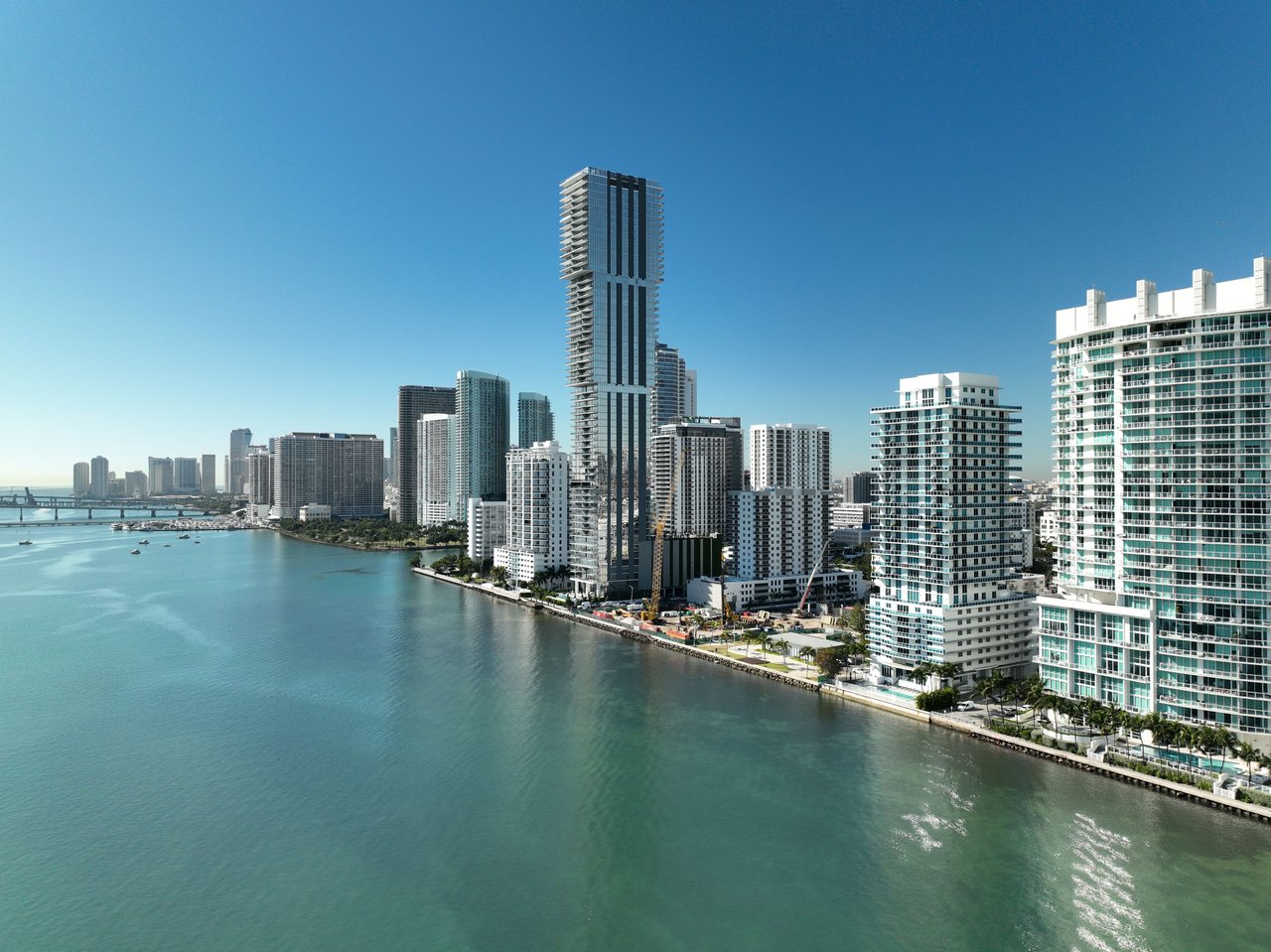
When you look at condo data for Downtown Miami, the most useful lens is often Greater Downtown Miami. Local reporting commonly groups Downtown with nearby urban-core areas such as Brickell, Edgewater, the CBD, Midtown, Wynwood, and the Arts & Entertainment District. That broader view helps buyers understand supply, pricing, and demand in the high-rise market more clearly.
The Miami Downtown Development Authority reports that Greater Downtown has more than 39,000 condo units, with about 10,000 more under construction. Its 2025 analysis also found that the average condo sale price per unit was 97.4% above the 2019 level. The same report projects 24% population growth in Greater Downtown from 2025 to 2030, which helps explain why both new development and existing condo inventory remain central to the area’s housing story.
Brickell and Edgewater carry much of the condo activity in this broader market. Brickell holds 48.3% of condo inventory and averaged about $939,000 per unit as of Q2 2025, while Edgewater averaged more than $1 million per unit. For you as a buyer, that means condo decisions in Downtown Miami are influenced not only by one tower, but by a larger urban-core pipeline and buyer pool.
Why new construction stands apart
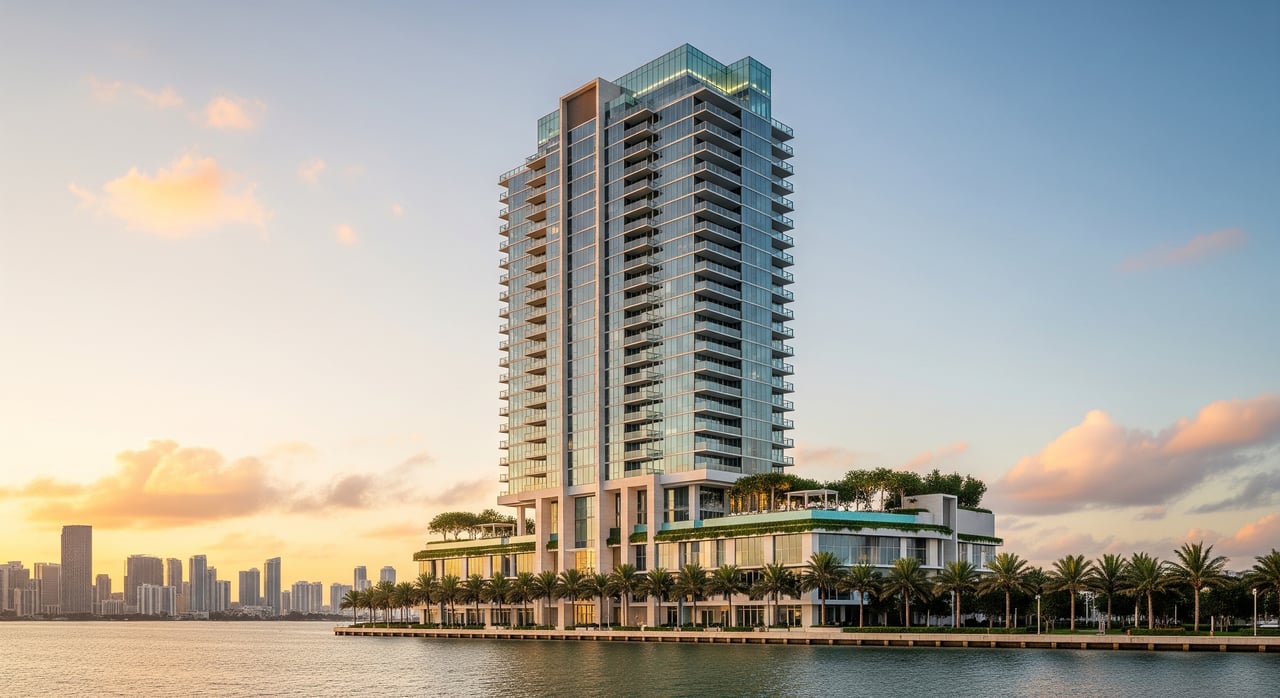
New construction in Downtown Miami is not simply a newer version of resale. It often operates through an off-MLS sales channel, and the buyer pool can be very different from the resale market. MIAMI REALTORS reported 37 new-construction projects and 9,115 units in the Miami market area in July 2025, with Downtown Miami accounting for 3,095 units sold.
The same report found that 49% of South Florida new construction, pre-construction, and condo-conversion sales involved international buyers. In Downtown Miami specifically, 99% of the submarket’s international buyers were Latin American. That global demand can shape pricing, absorption, and the pace of inventory release in ways that feel very different from buying a resale condo in an established building.
What you are really buying with new construction
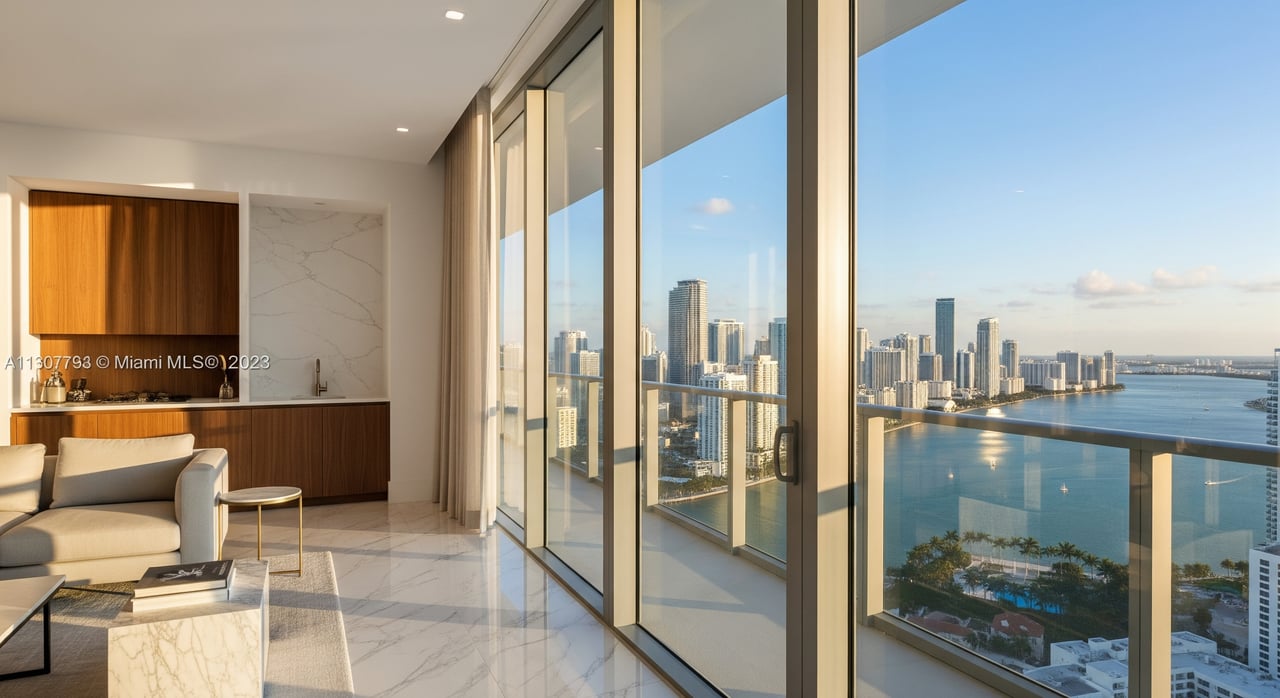
A new-construction condo can be appealing for obvious reasons. You may be drawn to modern finishes, fresh amenity spaces, newer building systems, and the excitement of buying into a launch-stage project. In many cases, buyers also like the idea of entering a building before it is fully complete and becoming part of a new community from day one.
Still, what you are paying for is not just the unit itself. You are also paying for time, projected operations, and a sponsor-led period before the building transitions to owner control. That makes underwriting the full picture especially important.
Under Florida law, developer contracts are voidable for 15 days after execution and receipt of required documents. The statute also makes clear that developer budget figures are estimates only. For you, that means projected association costs and operating assumptions should be treated carefully rather than accepted at face value.
Until turnover, the developer can control the association. Later, the developer must hand over governing records, audited financials, warranties, house rules, contracts, certificates of occupancy, and reserve and turnover materials. In practical terms, that means a new-construction purchase often involves more waiting and more reliance on sponsor projections than a resale purchase would.
When new construction may fit you best
New construction often makes the most sense if your priorities line up with the structure of the product. It can be a strong fit when you want the newest inventory and are comfortable with a longer horizon.
You may lean toward new construction if you:
- Want a newly delivered residence with current design and finishes
- Prefer launch-stage amenity packages and newer building systems
- Can wait through construction, completion, and turnover
- Are comfortable evaluating estimated budgets rather than long operating history
- Want access to presale or developer inventory that may not be widely visible in the resale channel
For many international and cross-border buyers, this path can also feel familiar because presale buying is often part of a broader wealth and lifestyle strategy. In Downtown Miami, that has been a meaningful part of demand.
Why resale offers a different advantage
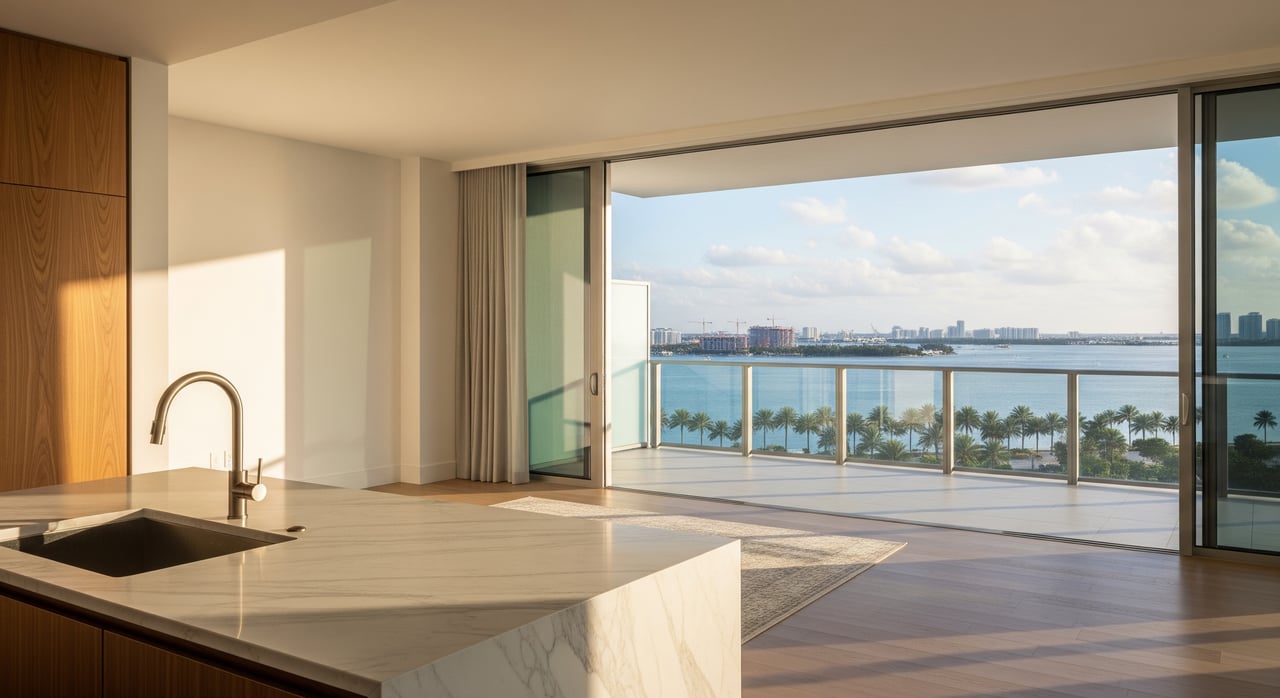
Resale condos appeal to buyers for a different reason: they provide a building that already exists, with real operating history and immediate usability. If you want to move in, rent the unit based on current building rules, or evaluate actual monthly costs now, resale may offer more clarity.
That clarity matters in today’s market. At the Miami-Dade County level, the existing condo market still looks buyer-favored. In April 2026, the median condo sale price was $450,000, the average sale price was $899,192, the median percent of original list price received was 93.4%, and months supply of inventory was 12.9.
Those numbers suggest that many resale buyers may have more room to negotiate than buyers pursuing new construction, especially outside the ultra-luxury all-cash segment. In a market with higher inventory, sellers may be more flexible on pricing, timing, or concessions depending on the building and unit.
What you can review with resale
One of the biggest benefits of resale is visibility. Under current Florida law, resale buyers receive access to important association documents, and they have a 7-day voidability window after receipt of the required documents.
Those materials can include:
- The declaration and bylaws
- Current rules and regulations
- The annual financial statement
- The budget
- Milestone summary information
- Structural integrity reserve study status
- Turnover report materials
This does not mean every resale condo is safer or better. It means you can review real building information before closing, including reserve posture, insurance pressure, and any pending assessments that may affect your carrying costs.
Why older buildings need extra attention
If you are considering an older resale condo in Downtown Miami or the surrounding urban core, building compliance and reserves matter more than ever. Florida’s post-Surfside rules changed how many buyers evaluate older condos, especially in buildings three habitable stories or higher.
Under current Florida law, those buildings must complete milestone inspections at 30 years and every 10 years after that. Owner-controlled associations that existed on or before July 1, 2022 also had to complete a structural integrity reserve study by December 31, 2025. For you, that means an older building should be judged not only by views and finishes, but also by its financial planning and compliance status.
At the same time, older condos are still moving. Miami-Dade market commentary from July 2025 found that condos 30 years and older were selling faster year-to-date than newer condos, at 62 days versus 79 days. That is a useful reminder that buyers are still active in older buildings, but they are likely weighing costs and building condition much more carefully.
Negotiation and leverage: new vs resale
A simple way to compare the two paths is to think about who controls the process. In new construction, the sponsor usually controls pricing, release strategy, timelines, and early operating assumptions. In resale, the seller is working within a broader market where current competition, inventory levels, and building-specific issues can create more room for negotiation.
The broader market supports that idea. In February 2026, Miami had 12,316 existing condo listings and 13.4 months of supply, while 55.2% of existing condo sales were all-cash. In the $1 million-plus condo segment, 82% of 2025 sales were all-cash, which shows that premium buildings can still attract strong, fast-moving demand.
For you, the takeaway is simple. Resale may offer more leverage in many situations, but highly desirable buildings and luxury units can still trade competitively, especially when cash buyers are active.
How to compare amenities and carrying costs
Amenities are part of the appeal in both categories, but you should evaluate them differently. In new construction, amenities are often part of the launch-stage value proposition. They help define the project identity and can support premium pricing.
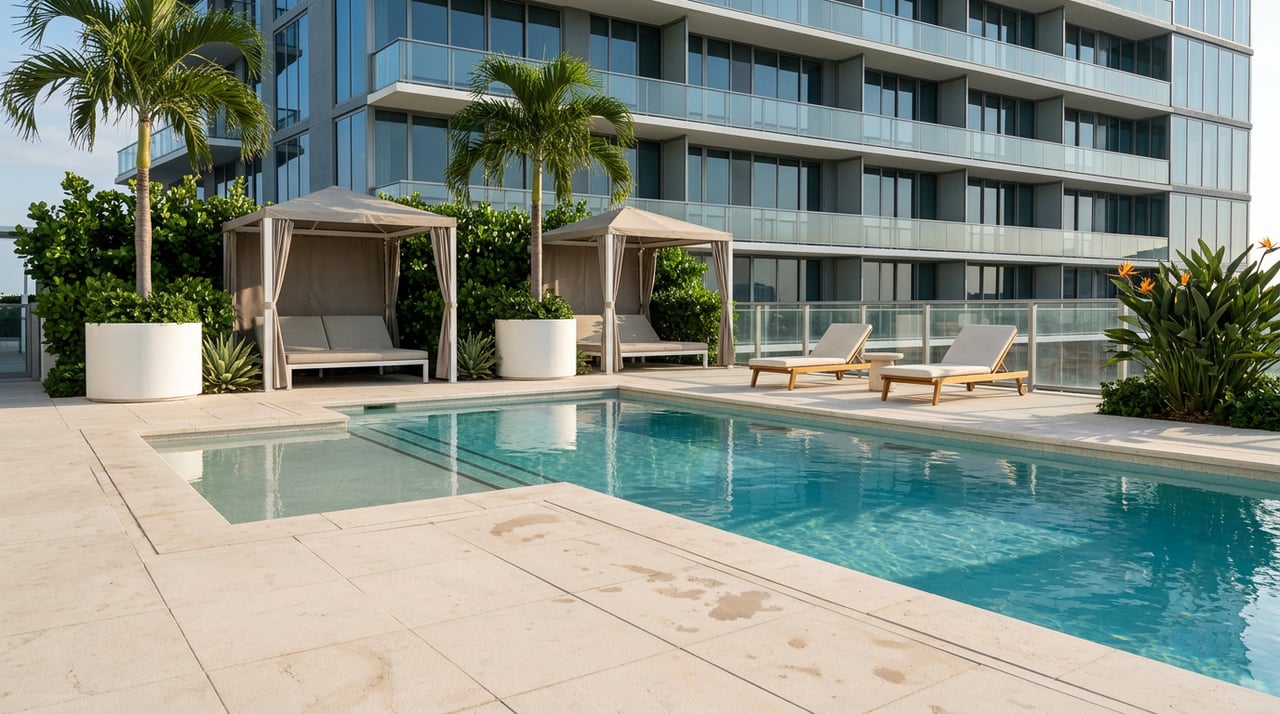
In resale, amenities are already operating, which gives you a more direct way to compare what you pay each month against what you actually receive. That makes it easier to ask practical questions about maintenance, staffing, reserves, rules, and how well the common spaces are being run.
The key is not just asking whether a building has luxury amenities. It is asking whether the monthly carry, reserve planning, and operating reality make sense for your goals.
Rental flexibility depends on the building
For second-home buyers and investors, rental flexibility can be a major factor. Greater Downtown Miami has an active short-term-rental culture, but the governing documents and rules of each building determine what is actually allowed.
That means you should not assume a condo can be rented the way you want simply because of its location or marketing language. Whether you are looking at new construction or resale, the building’s own documents and restrictions are what matter most.
A simple framework for your decision
If you are weighing Downtown Miami condos, it helps to focus on four questions instead of just asking whether newer is better.
Which timeline fits your plans?
If you want immediate use or near-term income, resale often has the edge. If you can wait through construction and turnover, new construction may be a better match.
Which cost structure feels clearer?
Resale lets you review actual budgets, fees, reserve conditions, and building history. New construction may offer a polished package, but some operating costs are still projections early on.
Which risk profile suits you?
With new construction, your risk often centers on timing, sponsor control, and future operating reality. With resale, your risk often centers on current reserves, insurance, assessments, and building compliance.
Which building rules support your goals?
If lifestyle use, seasonal occupancy, or rental plans are part of your strategy, building rules deserve close attention. This is true whether the condo is a presale tower or an established high-rise.
The bottom line on Downtown Miami condos
In Downtown Miami, the smartest comparison is rarely just new construction versus resale. It is really about which building, which rules, which timeline, and which cost structure fit your goals best. That is especially true in a market where official data often reflect the larger Greater Downtown area and where buyer behavior differs sharply between sponsor-led projects and existing buildings.
If you want a modern product and can wait, new construction may offer the right lifestyle and long-term play. If you are also exploring nearby pre-construction opportunities beyond Downtown, developments like The Rider Residences in Wynwood offer a different investment profile with contemporary design, flexible ownership opportunities, and access to one of Miami's fastest-growing neighborhoods. If you want immediate clarity, possible negotiating room, and a building with visible operating history, resale may be the stronger option. The right answer depends on how you plan to use the condo and how you want to balance convenience, transparency, and future upside.
If you want help comparing Downtown Miami condo options with a more tailored, investor-minded lens, The Ana Vega Group offers bilingual guidance for luxury resale, new-construction opportunities, developer presales, and property strategy across South Florida.
FAQs
Should you buy new construction or resale in Downtown Miami?
- The better choice depends on your timeline, risk tolerance, and goals. New construction may suit buyers who want the newest product and can wait, while resale may suit buyers who want immediate use, more transparency, and potential negotiating leverage.
What makes Downtown Miami new-construction condos different from resale condos?
- New construction often sells through a sponsor-led channel with projected budgets, construction timelines, and delayed turnover, while resale gives you access to an existing building’s documents, financials, rules, and current operating history.
Is the Downtown Miami resale condo market favorable for buyers?
- County-level data shows a buyer-favored backdrop for many existing condo purchases, with high inventory and months of supply that can create negotiating opportunities in some resale situations.
What should you review before buying a resale condo in Downtown Miami?
- You should review the association’s declaration, bylaws, rules, annual financial statement, budget, milestone summary information, reserve study status, and any signs of pending assessments or insurance pressure.
Why do older Downtown Miami condos require closer review?
- Older buildings may be more affected by milestone inspection requirements, reserve study obligations, and the possibility of higher carrying costs tied to maintenance, reserves, or compliance work.
Do Downtown Miami condo buildings allow short-term rentals?
- Some may allow rental flexibility, but the rules depend on the specific building’s governing documents, not just the location or marketing of the property.