Thinking about a presale condo in Edgewater but not sure how it really works? You’re not alone. The process is different from a typical resale and it raises smart questions about deposits, timelines, rental rules, and exit options. In this guide, you’ll learn the full journey from reservation to closing, what to expect in Miami’s market, and how to protect your interests. Let’s dive in.
What presale condos mean in Edgewater
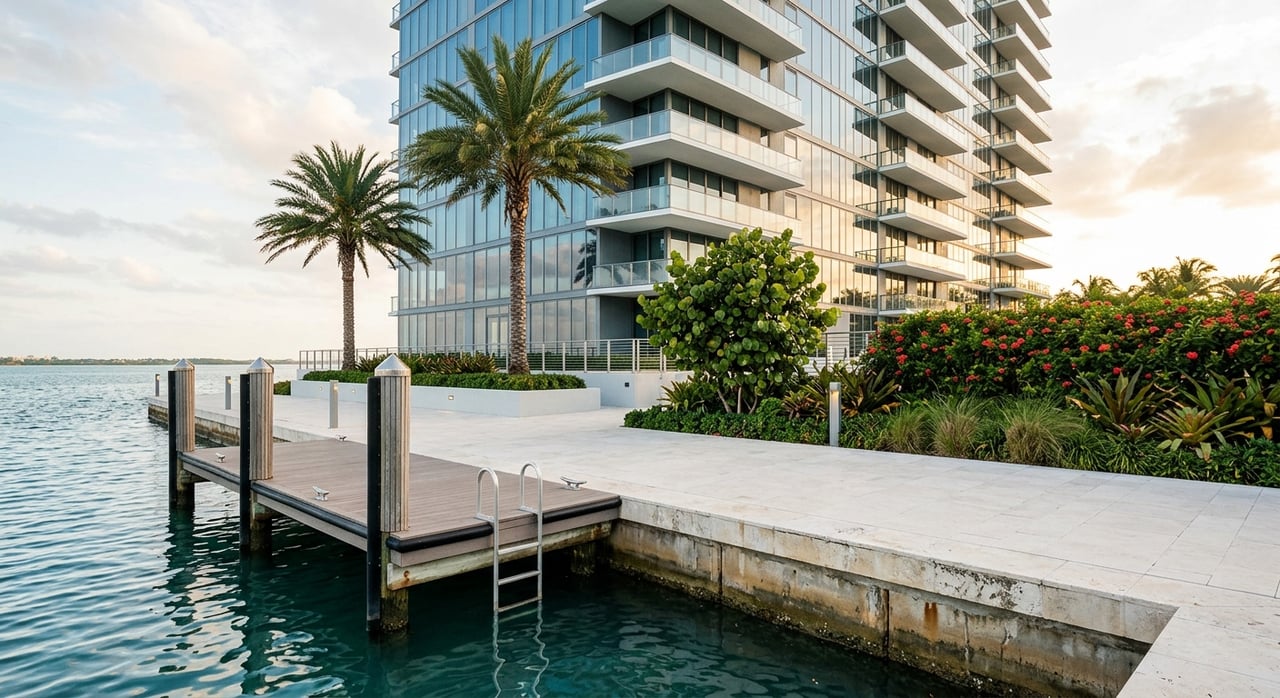
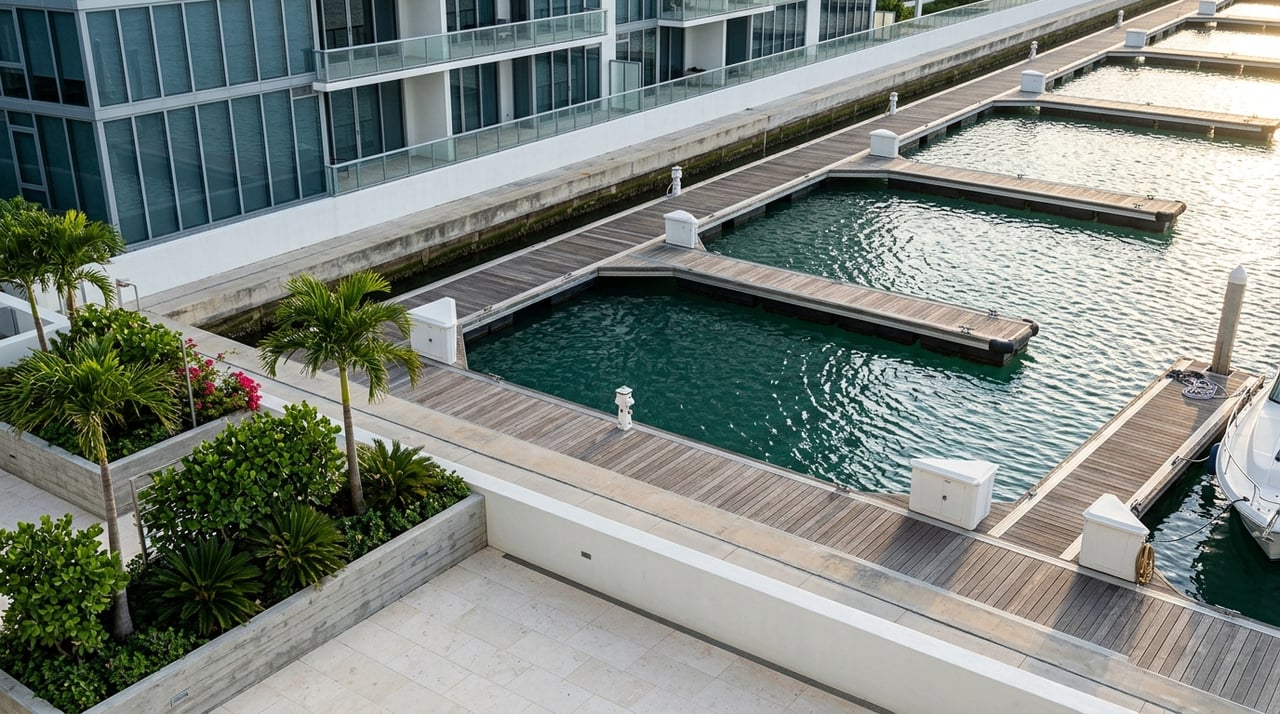
Presales, also called preconstruction, are condos sold before the building is finished. You contract for a specific unit and pay deposits in stages, then close when construction is complete and the condo is recorded. In Edgewater, presales are common because waterfront land and recent rezoning have fueled high-rise development.
The approach works for both sides. Developers use presales to show demand and secure financing, while buyers get early pricing, better unit selection, and potential appreciation. You should also weigh the tradeoffs: construction delays, design changes, market shifts, and the need to secure financing at closing.
How the presale process works
1) Reservation and preliminary deposit
You start by choosing a unit and signing a reservation agreement. This short-form document holds your selection while you review the full purchase contract. Many projects ask for a small, refundable reservation deposit, often in the range of $10,000 to $50,000, though amounts vary by building.
2) Contract and deposit schedule
Next, you sign a binding purchase agreement that sets your deposit schedule and closing terms. In Miami, deposits are commonly staged and total a percentage of the price, often 10 to 30 percent, with the remainder financed at closing. Your deposits are typically held in an escrow or trust account with the developer’s title company or attorney. Confirm in writing where funds are held and under what conditions they’re refundable.
3) Attorney review and protections
You should use any contract review period to have an attorney examine the agreement, disclosures, and the condo documents once available. Florida law provides important condo disclosures, so take time to read them. For legal and governance context, review the Florida Condominium Act (Chapter 718).
4) Construction milestones and updates
Developers send periodic progress updates, design refinements, and timing estimates. Most contracts list target milestones, but few guarantee exact dates. Large buildings may close in phases by tower or floor after a Temporary Certificate of Occupancy. You can track permits and inspections through Miami-Dade County permitting and City of Miami permitting.
5) Closing and costs
Closing happens when construction is substantially complete and the condo association is ready to convey units. You fund the balance, secure financing, and pay closing costs such as title insurance, recording fees, taxes, and association transfer fees. For property and tax records after closing, consult the Miami-Dade Property Appraiser.
Timelines, delays, and your protections
New high-rise projects in Miami often span 24 to 48 months from groundbreaking to certificate of occupancy. It can take additional months between contract signing and groundbreaking if the developer is finalizing presales or financing. Expect variability by project.
Delays can result from permitting, financing conditions, supply chain or labor issues, design changes, or weather events. Most contracts include force majeure clauses that limit developer liability for delays. Some agreements include milestone-related cancellation rights, but this is project-specific. If you plan to finance, understand that most buyers secure the mortgage at closing, and lenders may request updated appraisals and documentation.
Rentals, assignment, and exit strategies
Rental rules and short-term stays
Rental rules come from the condominium declaration and bylaws. Many buildings set a minimum lease term, limit the number of leases per year, or include a rental lockout period for the first one to two years. Short-term rental permissibility depends on the condo rules and also on local regulations. Always read the condo documents carefully, as associations enforce these rules and can levy fines for violations.
Assigning your contract
Some buyers choose to transfer their contract to a new buyer before closing through an assignment. This is a common exit in active presale markets, but developers often require consent, charge an assignment fee, or cap the number of assignments. Profits from an assignment can have tax implications, so consult a qualified tax advisor. For brokerage and escrow rules, review the Florida Division of Real Estate (DBPR).
Resale or rent after closing
You can sell your unit after closing like a typical condo, subject to association requirements such as approval and estoppel certificates. If you decide to rent, weigh carrying costs such as HOA fees, taxes, and financing against market demand and any rental restrictions in the documents. There is no one-size-fits-all path, so your best move depends on your goals and timelines.
Edgewater project snapshot
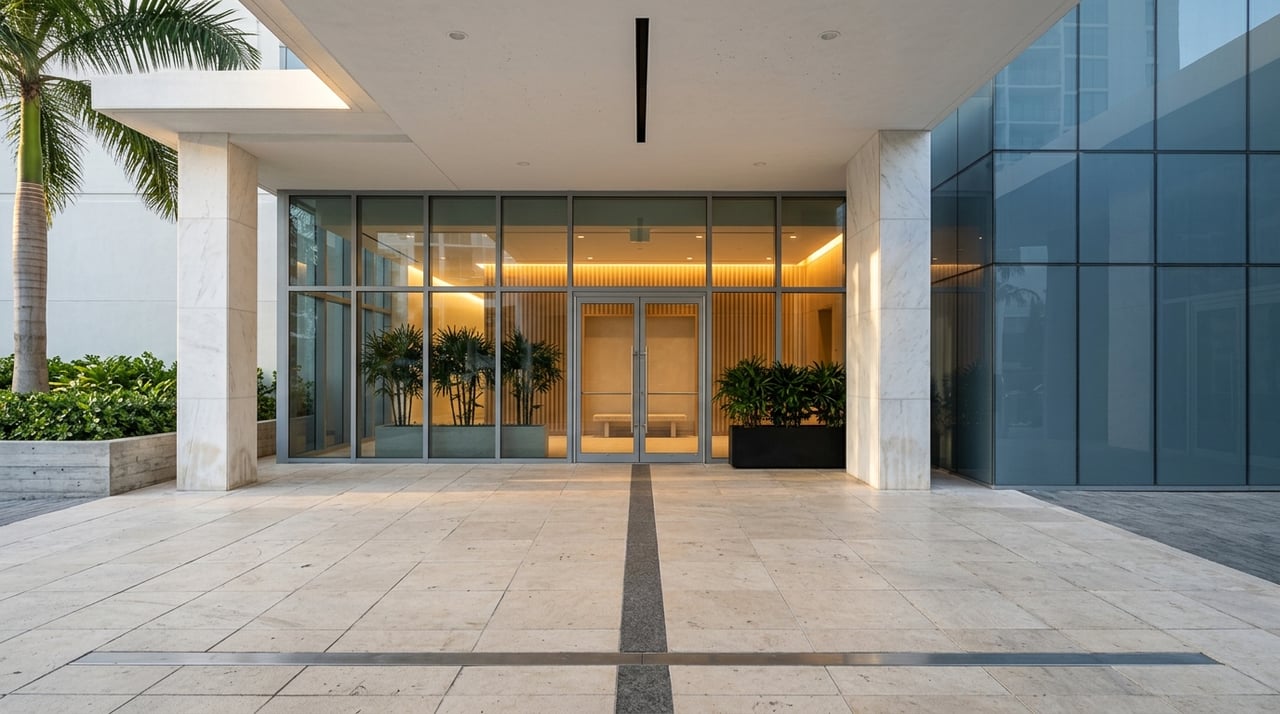
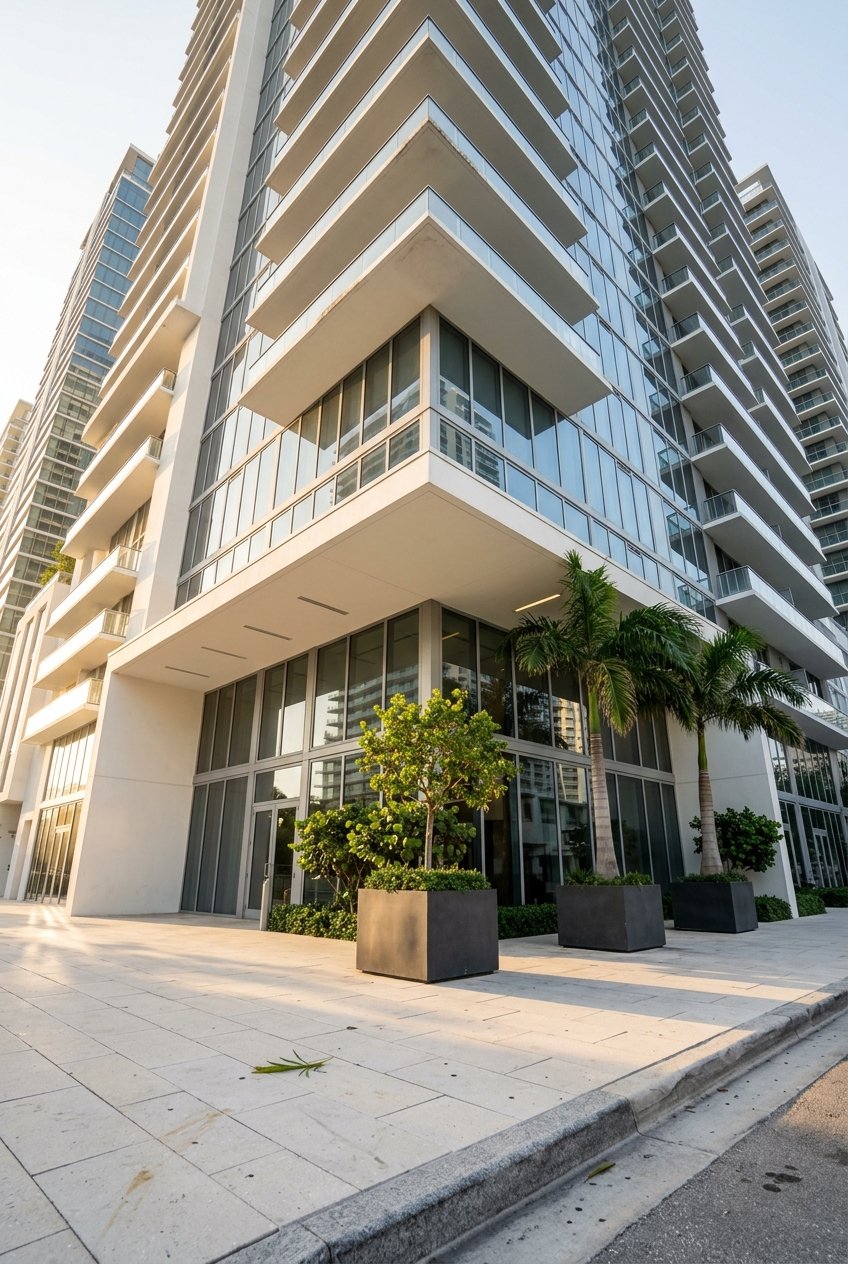
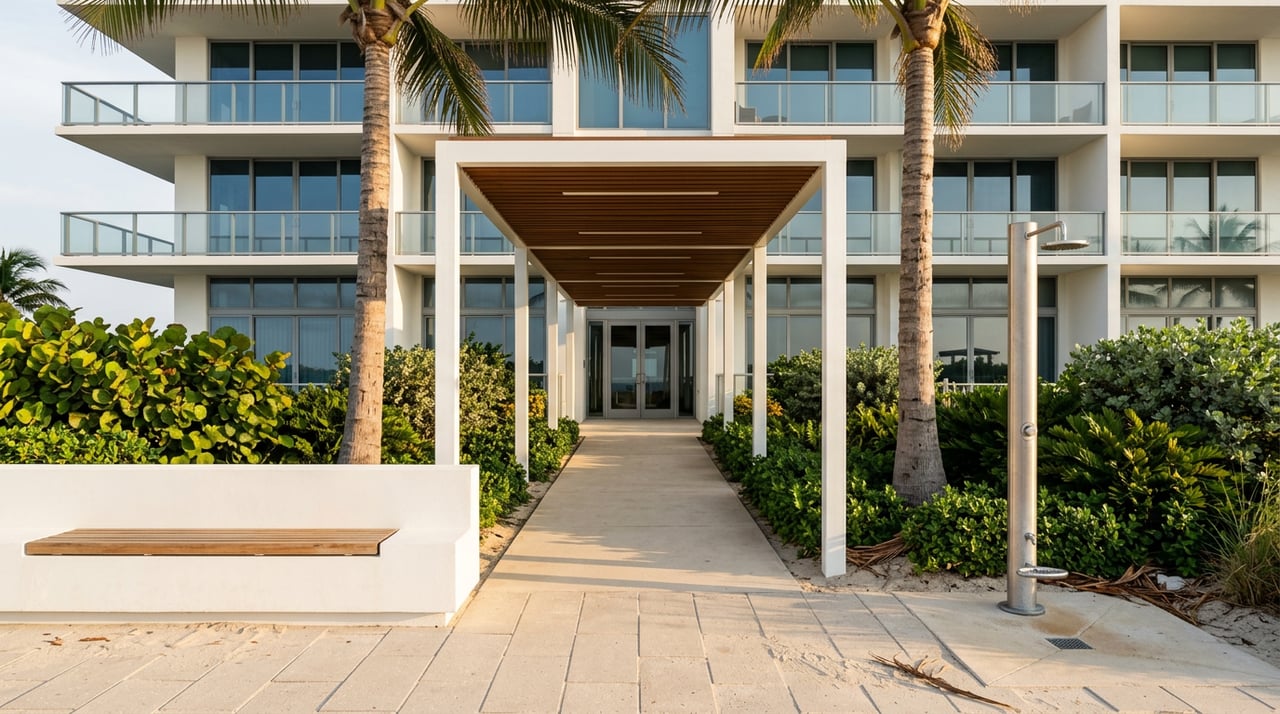
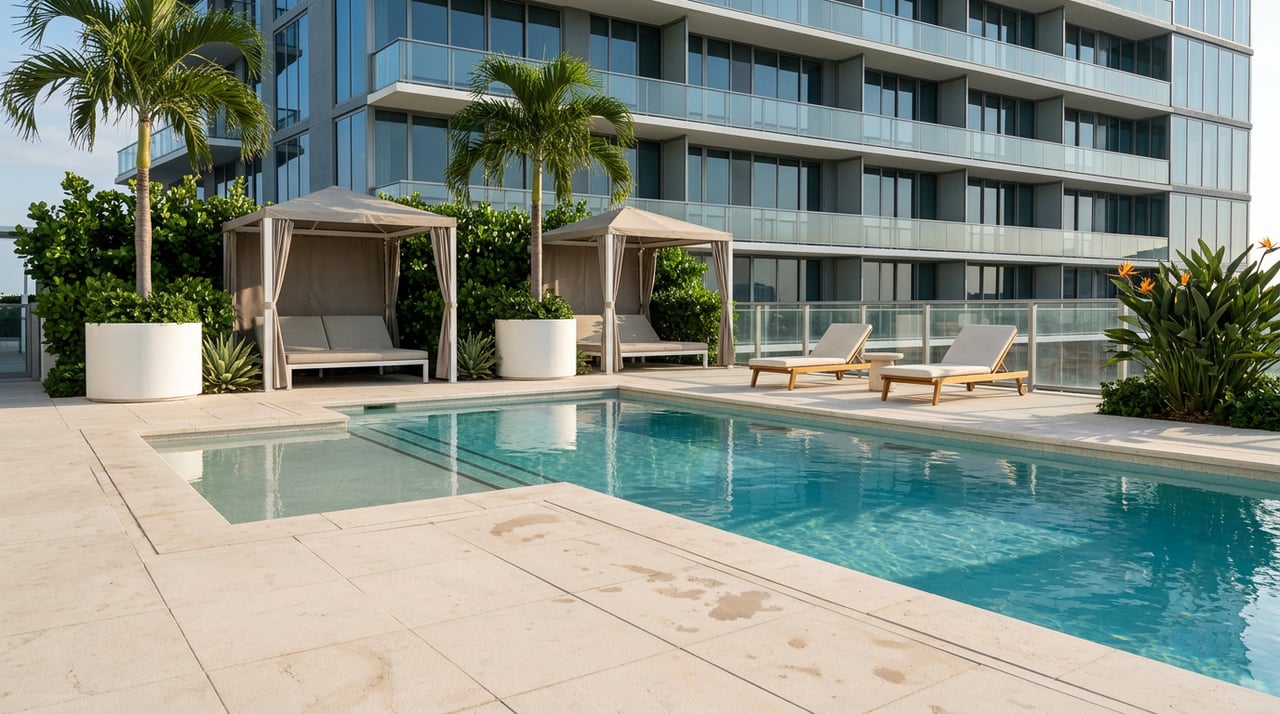
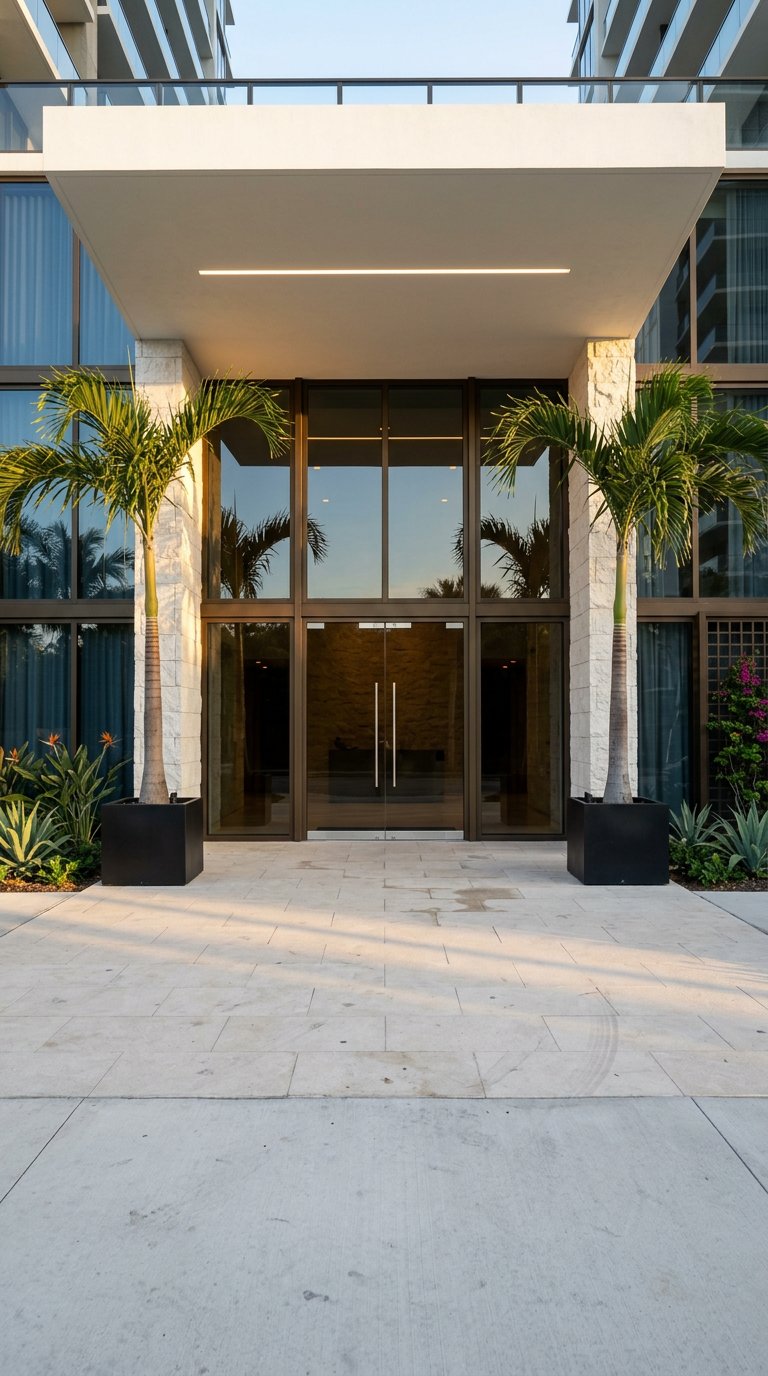
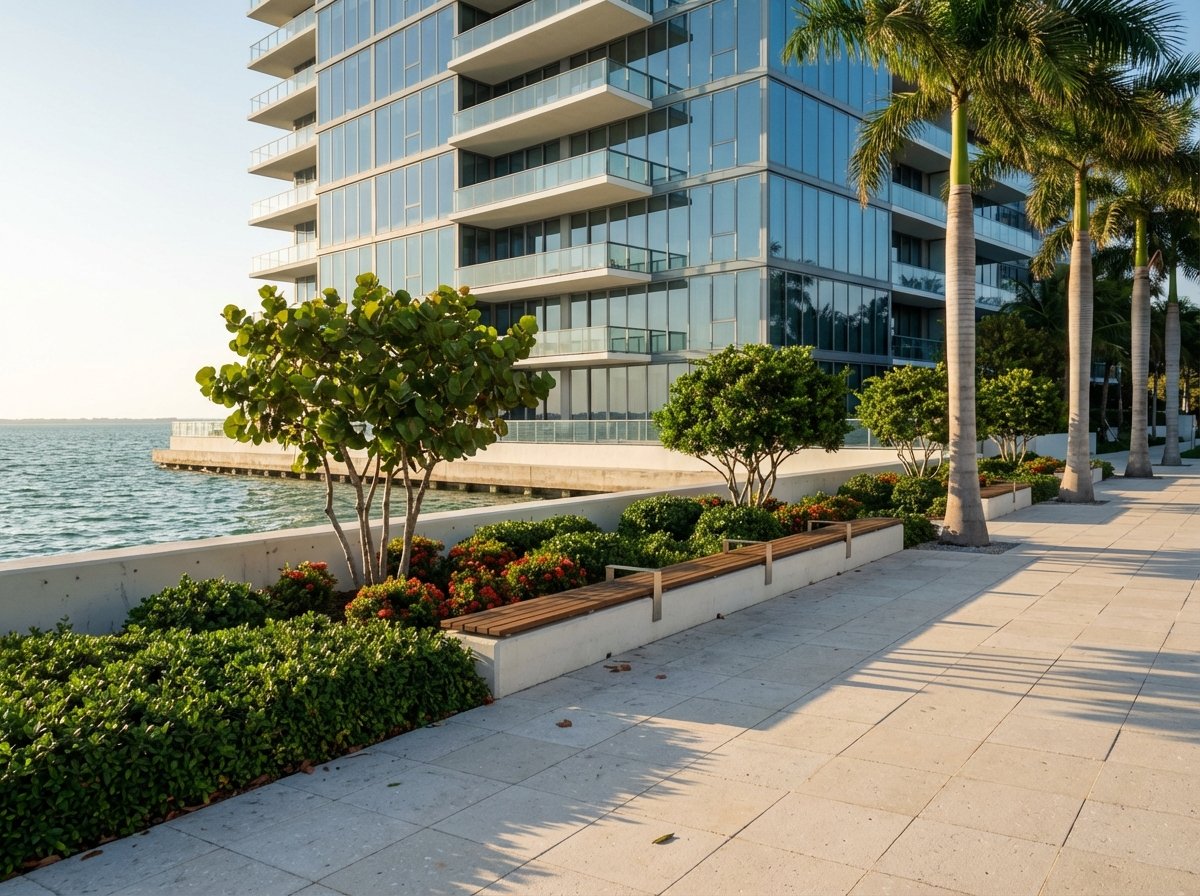
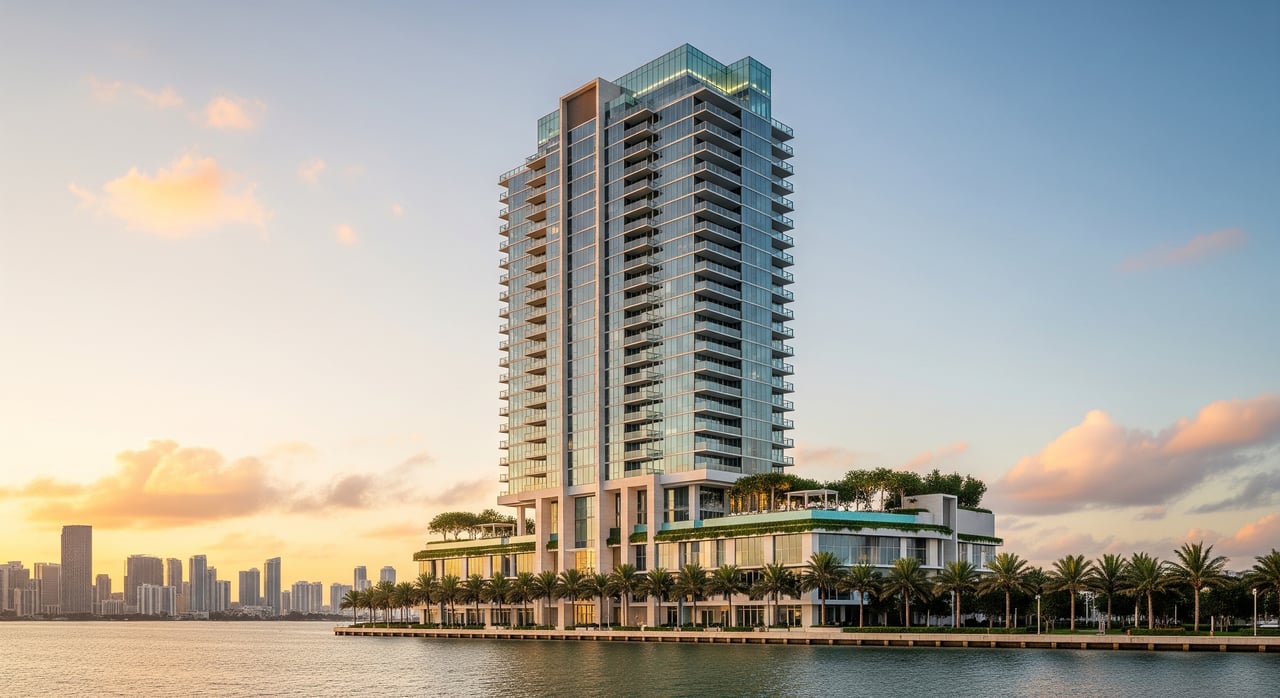
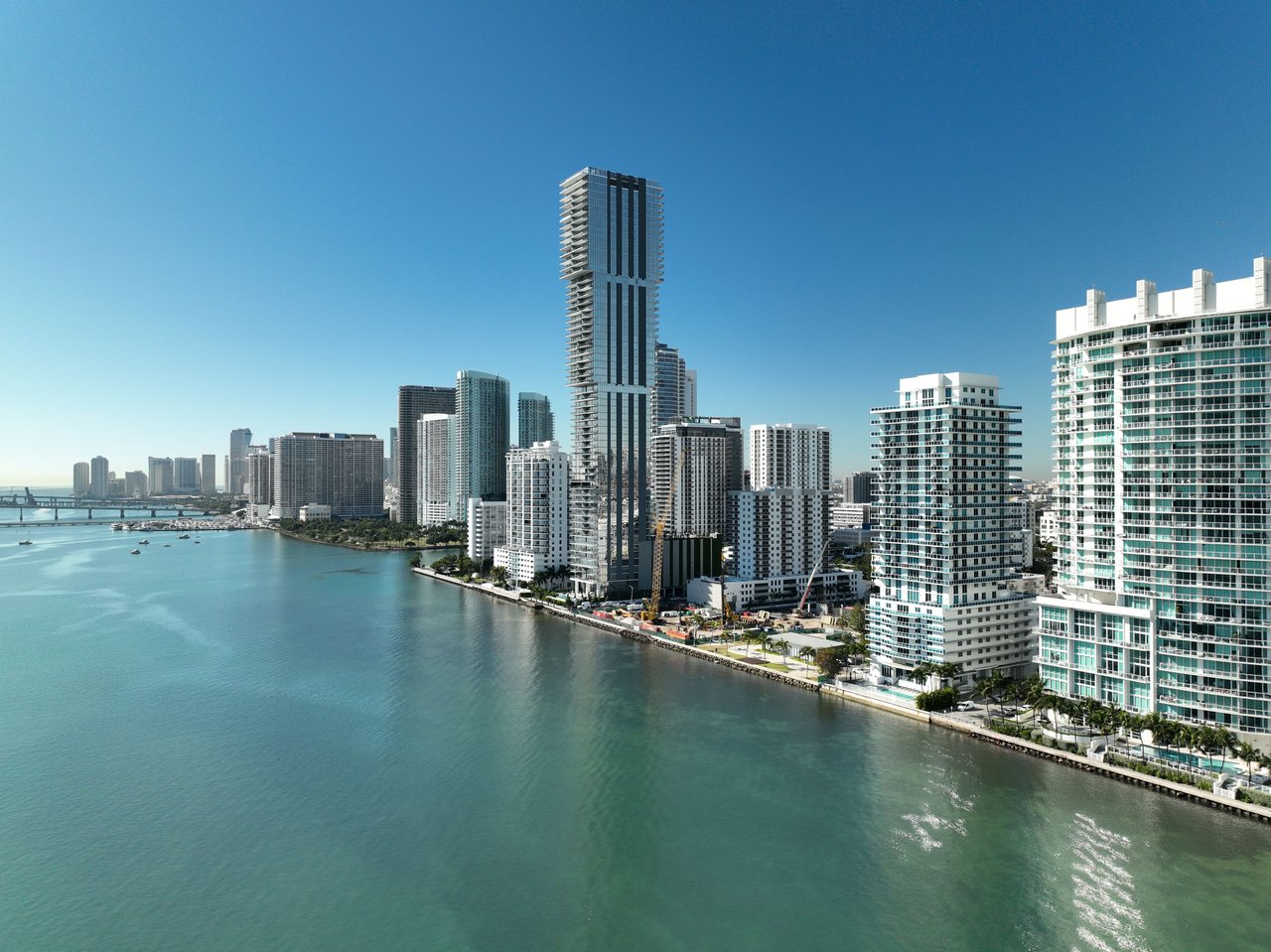
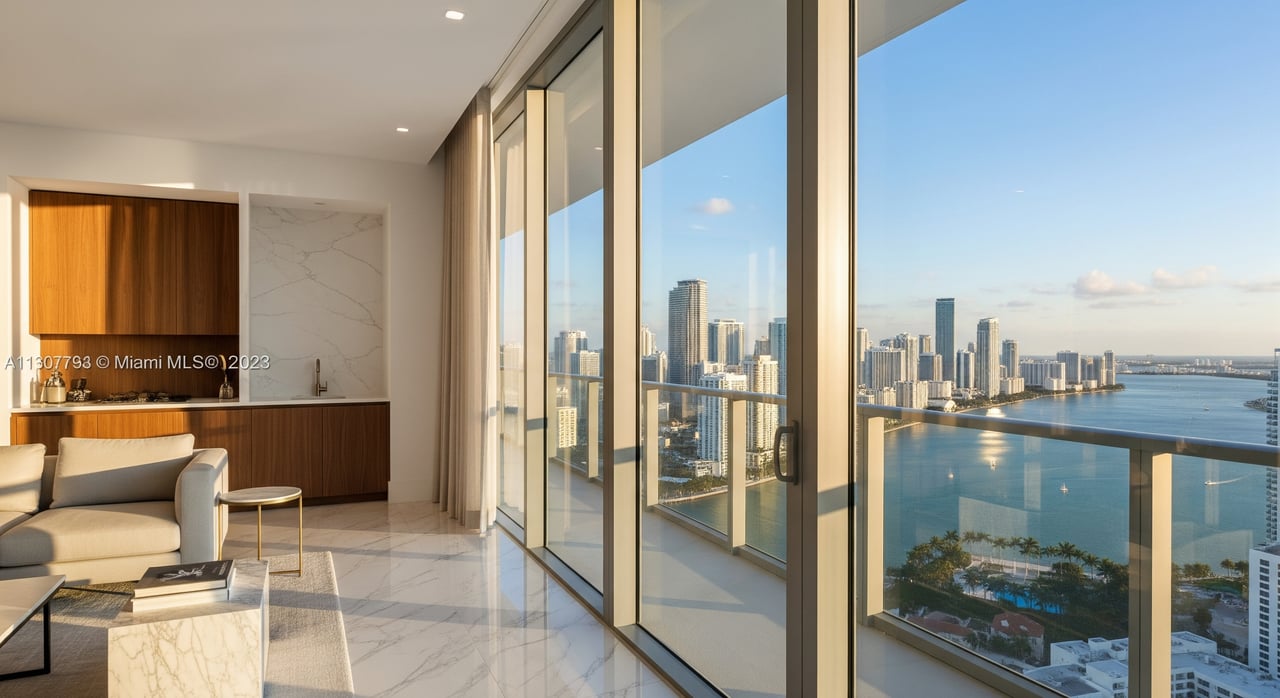
Edgewater’s skyline continues to evolve with luxury towers and branded residences. You will find a range of offerings from projects such as Aria Reserve, Edition Residences, and Vida. Each building has its own deposit schedules, rental policies, assignment rules, and construction timelines. Always verify current terms in the developer’s contract and disclosures before you commit.
Your presale buyer checklist
- Confirm deposit amounts, the full schedule, and written escrow instructions.
- Read the complete purchase agreement and the condo documents during attorney review.
- Ask about assignment rights, any fees, and whether assignments are allowed.
- Verify rental rules, minimum lease terms, and any initial rental lockouts.
- Understand financing expectations at closing and lender requirements for new-build condos.
- Request the construction timeline, milestone targets, and the plan for TCO and phased closings.
- Get estimates for closing costs and likely prorations.
- Review the developer’s reputation, lien history, and current permit status.
How The Ana Vega Group helps
You deserve a clear, organized path to the right Edgewater presale. Our team provides curated presale access, bilingual guidance in English and Spanish, and coordination with local title companies, attorneys, and lenders who work on Miami preconstruction. For investors, we support the full lifecycle with property and rental management and trusted referrals for interior styling and turnkey renovation.
We do not make guarantees about pricing, timelines, or assignment outcomes. We focus on education, diligent process, and the right experts at each step so you can buy with confidence. If you are exploring Edgewater’s pipeline, connect with us to review current inventory, deposit structures, and rental policies tailored to your goals.
Ready to move forward? Schedule your VIP Consultation with The Ana Vega Group and get a clear plan for your Edgewater presale.
FAQs
How do presale condo deposits work in Edgewater?
- Most projects ask for a small reservation deposit, then staged deposits that commonly total 10 to 30 percent of the price before closing, with the balance due at completion.
Where are my deposits held and are they refundable?
- Deposits are typically placed in an escrow or attorney trust account; refundability and release conditions are defined in your contract and escrow instructions.
Can I assign my preconstruction contract before closing?
- Many Edgewater projects allow assignment with developer consent and possible fees; check the purchase agreement for specific conditions and limits.
What rental rules usually apply after closing?
- Rules are set by the condo documents and may include a minimum lease term, rental caps, or an initial rental lockout; always review the recorded declaration and bylaws.
What if construction is delayed?
- Contracts often limit developer liability for delays; remedies depend on your agreement, so review delay clauses and any milestone-related cancellation rights.
Do I need special financing for a presale condo?
- Many lenders finance at closing; they may require updated appraisals and documentation for new-build condos, so engage a lender experienced with preconstruction early.