Trying to decide between Bay Harbor Islands and Miami Beach for your next investment? You are not alone. Both offer strong appeal, but they work very differently when it comes to rental strategy, carrying costs, and risk. In this guide, you will learn how each area fits long-term and short-term goals, where the key costs hide, and how to underwrite deals with confidence. Let’s dive in.
Quick fit: Bay Harbor Islands vs. Miami Beach
- Miami Beach often suits investors targeting higher gross income from legal short-term or seasonal rentals. It is more tourism-driven with greater variability in occupancy and operating costs.
- Bay Harbor Islands leans toward steady, long-term tenants and boutique buildings. You typically see simpler management and fewer moving parts.
- Your choice should match your time horizon, tolerance for volatility, and willingness to handle STR compliance and turnover.
Price per square foot and liquidity
Price per square foot and days on market vary widely by building and micro‑location. Prime Miami Beach submarkets usually command higher prices per square foot, especially in oceanfront and resort settings. Bay Harbor Islands can show premium pricing near the water and in newer boutique buildings, but overall has a smaller, more resident‑oriented buyer pool.
Liquidity also differs. Miami Beach benefits from larger volume and international interest, which can speed up sales in hot cycles but introduce volatility. Bay Harbor Islands trades at lower volume. That can mean fewer comparable sales at any given moment, yet a more stable baseline when markets cool.
How to pull current comps
- Use the Miami Association of Realtors market reports for recent pricing and days on market trends. Their reports are a reliable starting point for submarket direction and volume. You can review current releases on the Miami Association of Realtors market reports page.
- Confirm individual sale prices and tax records on the Miami‑Dade County Property Appraiser site before you set expectations.
- For building‑level nuance, ask for recent MLS sales in your target tower or street and 6–12 nearby comps. Your underwriting is only as accurate as your data set.
HOA fees, reserves, and assessments
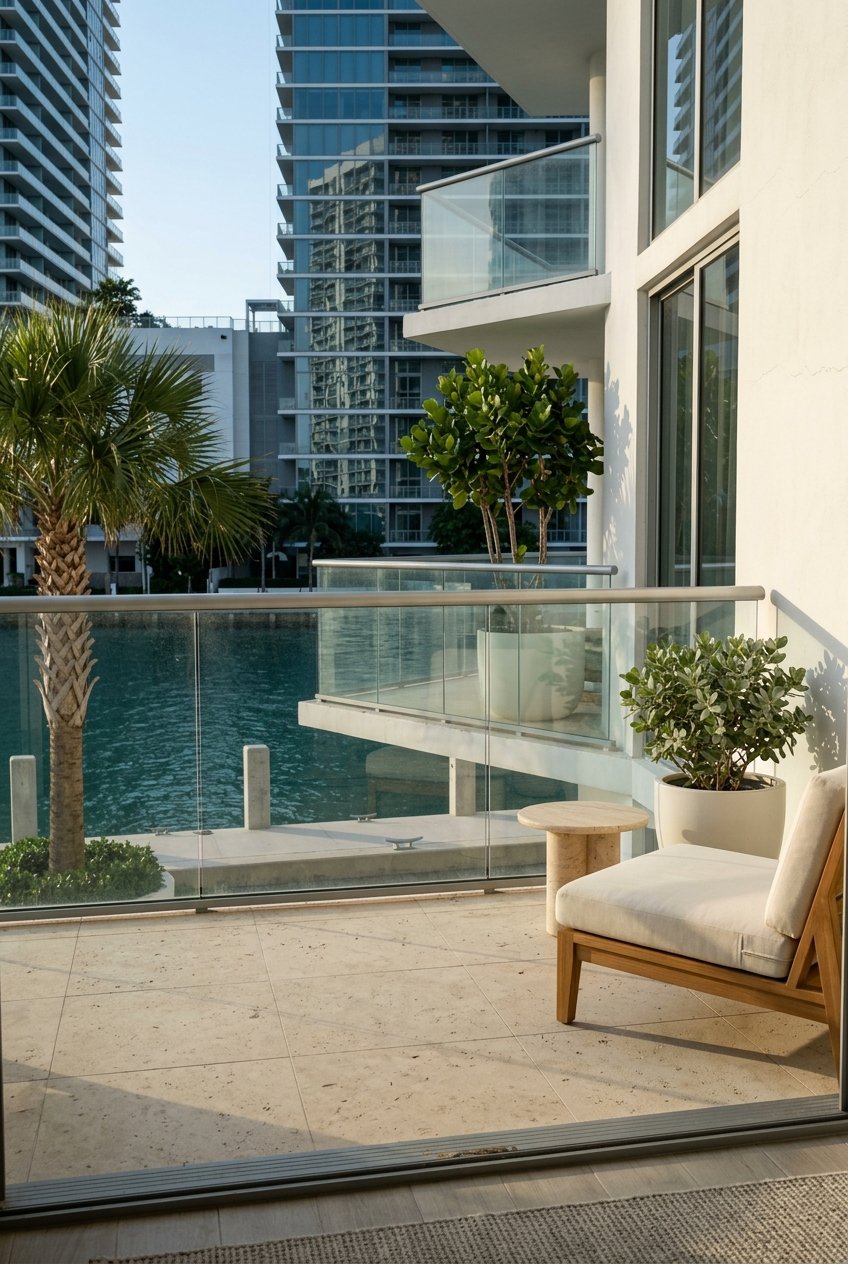
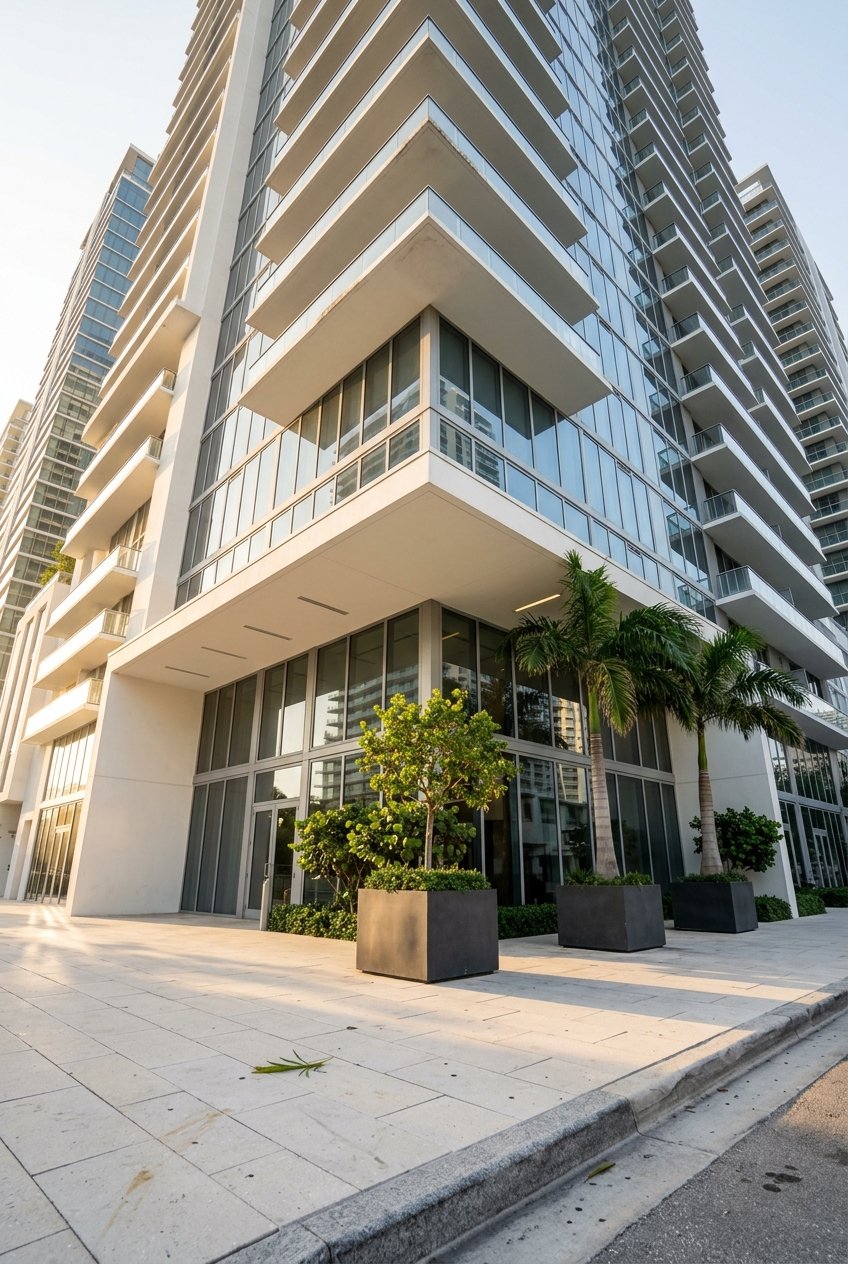
Carrying costs can make or break your return. In Miami Beach, resort‑style towers often include full‑service amenities that push monthly HOA fees higher. Those amenities can support vacation demand but will reduce your net cash flow. In Bay Harbor Islands, many buildings are smaller with fewer amenities, which can keep absolute fees more manageable, though this varies by building.
Reserve health matters as much as the monthly HOA. South Florida buildings must plan for structural upkeep. Older buildings that delayed projects may face special assessments for concrete restoration, roofs, or elevators. Always review association budgets, reserve studies, and meeting minutes before you finalize an offer.
What to request for each condo:
- Audited financials and reserve study summary
- Current monthly HOA and what it covers
- Any approved or pending special assessments
- Percentage of owner‑occupied vs. rented units and any rental caps
Rental rules and flexibility
Short‑term rental potential can drive returns in Miami Beach, but only if you meet legal and building requirements. The city enforces a patchwork of rules by zone, plus licensing. Start with the City of Miami Beach Code of Ordinances and the city’s short‑term rental licensing information to understand where transient rentals are allowed and what permits you need. Then confirm your specific building’s condo declaration. Many associations ban rentals under a set minimum term.
Bay Harbor Islands trends toward longer‑term leasing and a quieter residential setting. Even when an ordinance allows shorter terms in certain zones, a building’s bylaws may set stricter rules. Review the Village of Bay Harbor Islands Code of Ordinances and the condo documents to verify minimum lease terms, rental caps, and enforcement history.
Key steps before you assume STR income:
- Confirm city or village legality and licensing for the address
- Read the building’s condo declaration and house rules for minimum lease terms
- Ask the association and listing agent about prior enforcement and fines
- Model higher vacancy, cleaning, platform fees, and management costs for STR
Neighborhood feel and renter profiles
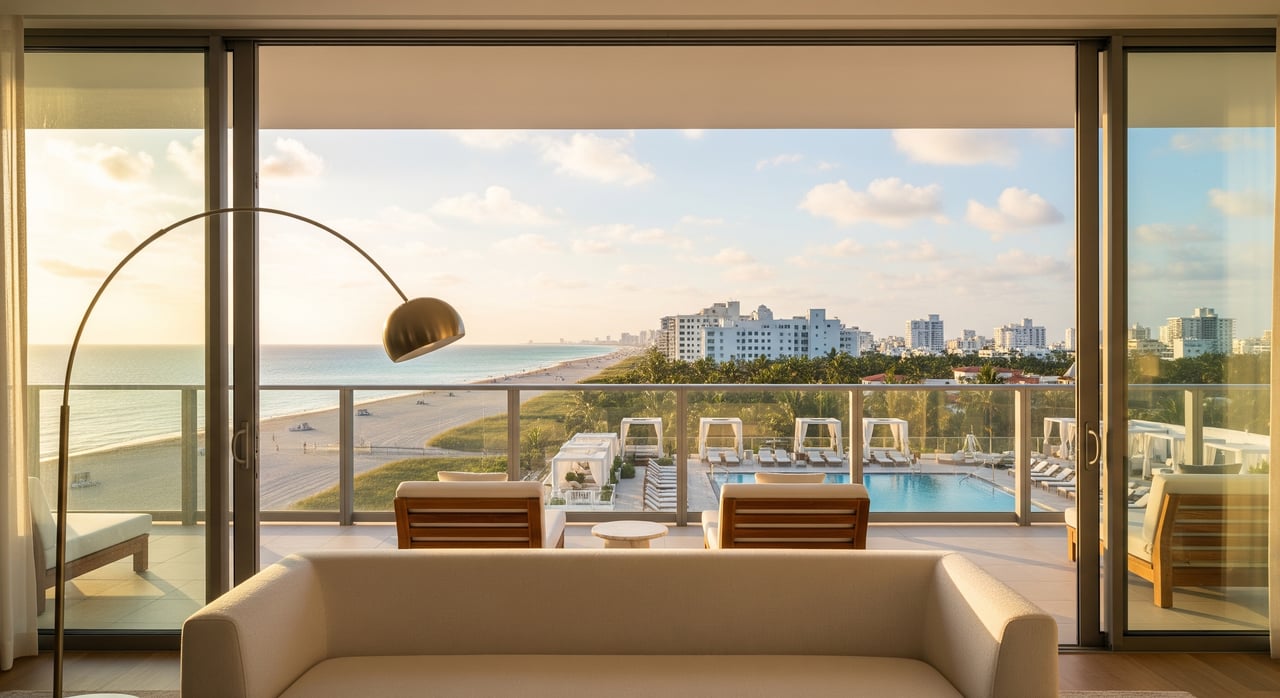
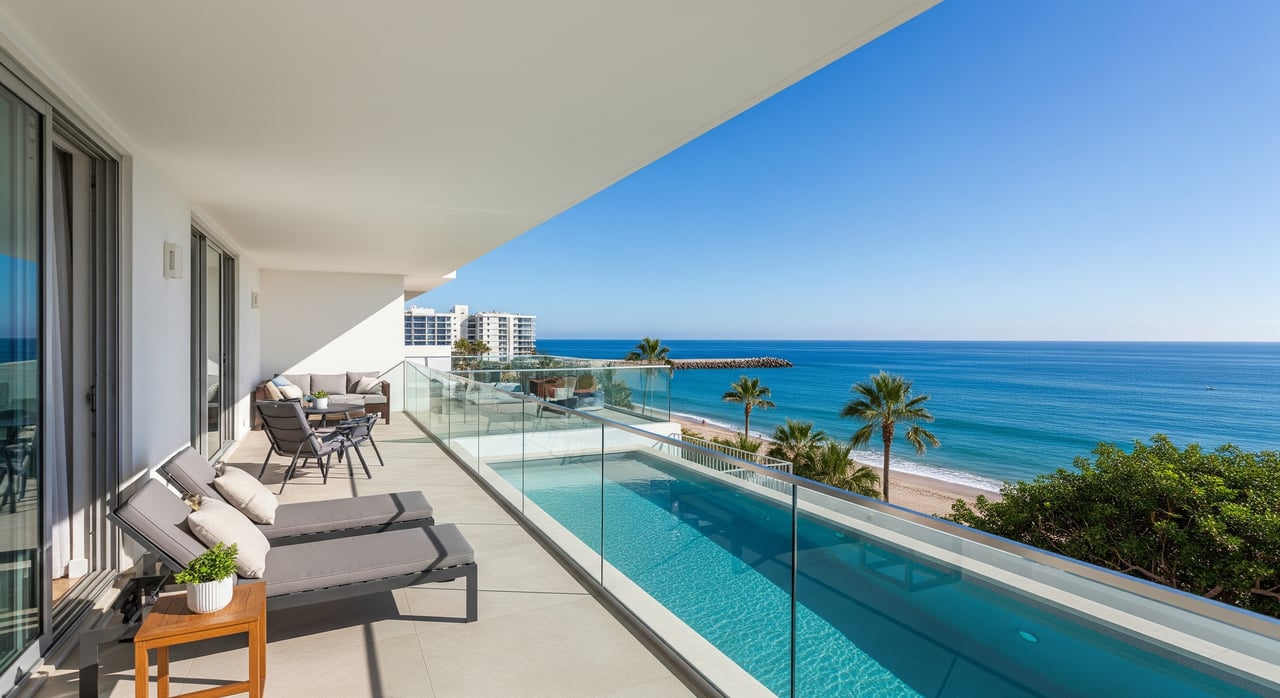
Miami Beach has strong lifestyle appeal, with walkable dining, nightlife, and beaches, especially in core areas. This supports seasonal visitors, young professionals, and second‑home use. Turnover can be higher, and income can vary with season.
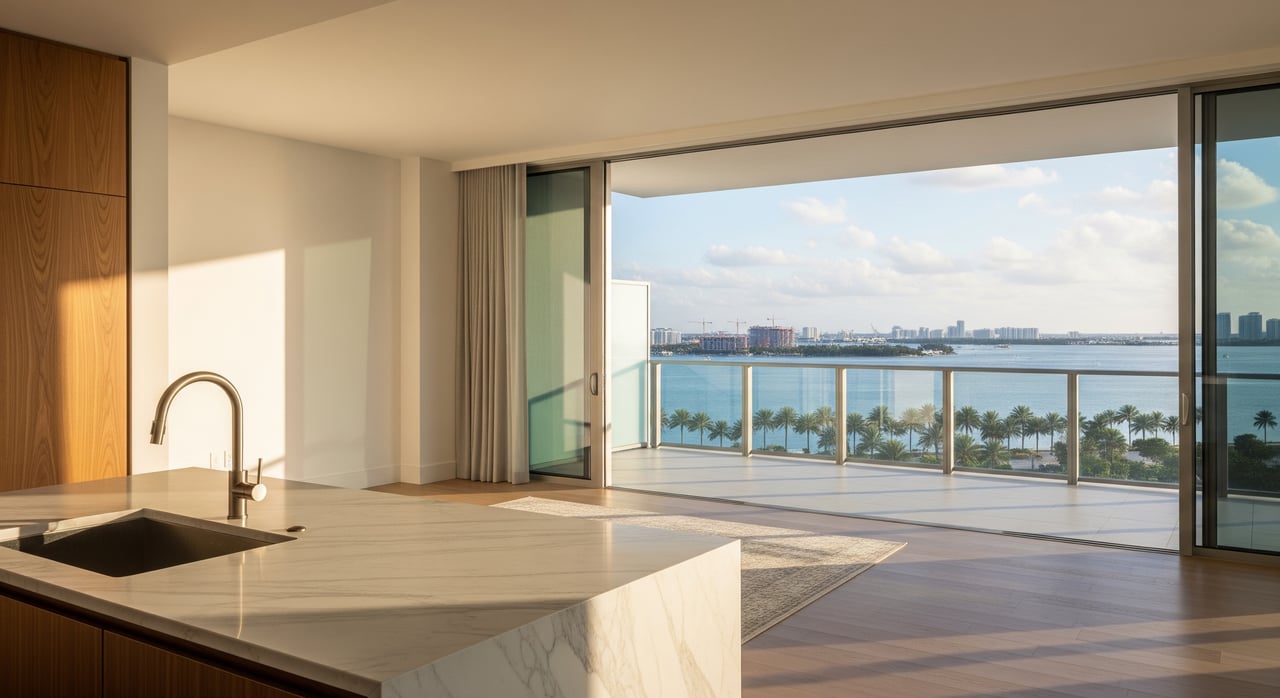
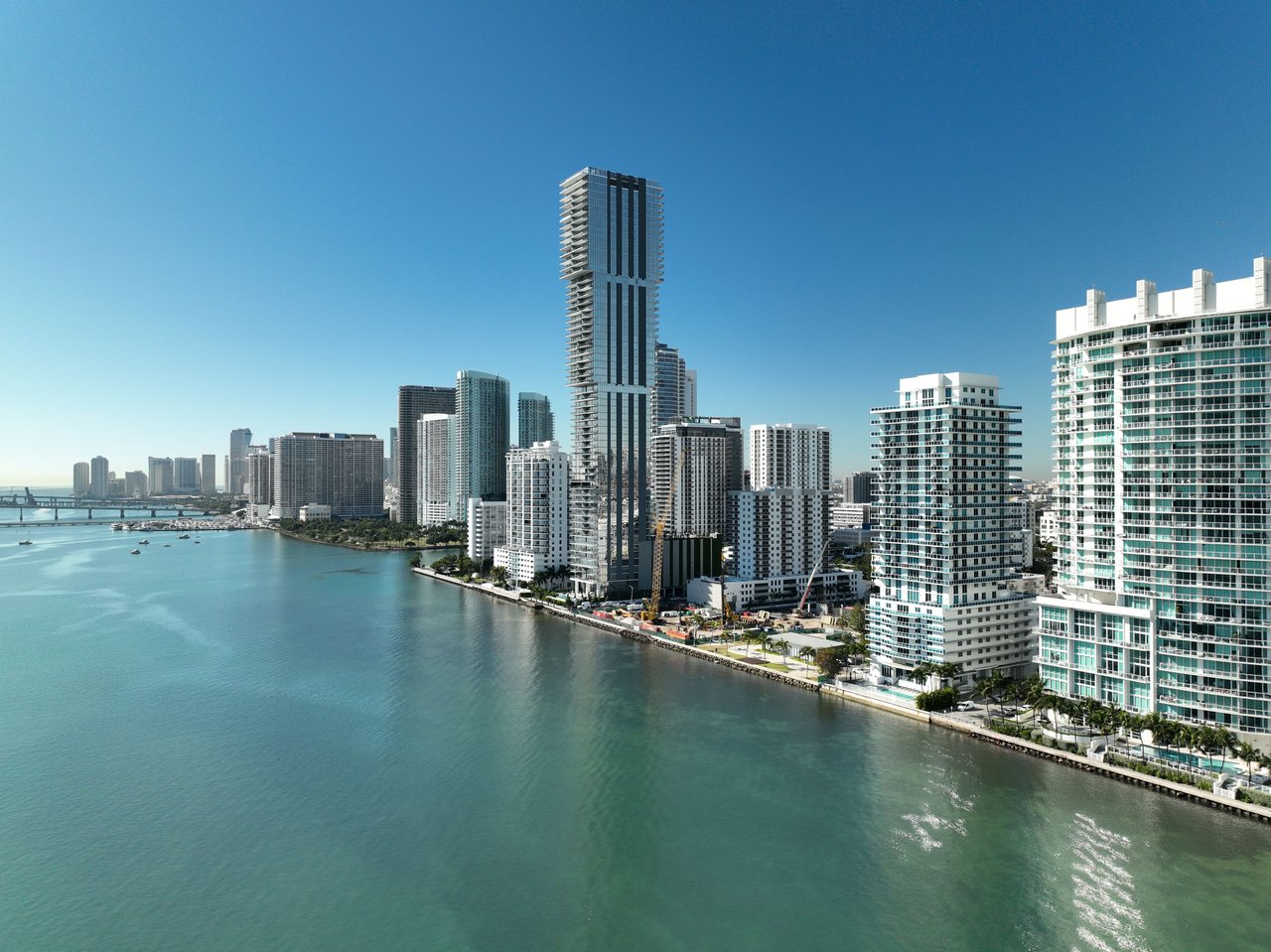
Bay Harbor Islands offers a village setting with boutique condos, townhomes, and single‑family streets near Bal Harbour. Many renters prioritize stability, proximity to shopping and services, and unit layouts suited to longer stays. This supports consistent occupancy with fewer turnovers.
To quantify tenant demand, check:
- Renter share and household size trends via the U.S. Census American Community Survey
- Long‑term rental rates with local property managers and recent MLS rentals
- STR occupancy and rates using third‑party tools such as AirDNA for directional estimates in specific micro‑areas
Financing, insurance, and physical risk
Lender requirements and insurance premiums can differ by building and flood zone. Many condos may have restrictions related to reserves, investor concentration, or litigation, which can affect loan terms. Insurance is a large line item. Coastal properties in Miami‑Dade often need separate wind and flood coverage.
Use FEMA maps to confirm your flood zone and elevation for each address through the FEMA Flood Map Service Center. For insurance market context and carrier availability, monitor updates from the Florida Office of Insurance Regulation. Get quotes early in your underwriting so your pro forma reflects real costs.
Physical risk factors to evaluate:
- Building age and recent structural work
- Impact windows and hurricane hardening upgrades
- Flood zone, base flood elevation, and mitigation features
- Historical and pending special assessments tied to safety or concrete repair
Which strategy fits you?
Scenario A: Long‑term buy‑and‑hold
- Likely fit: Bay Harbor Islands for steady occupancy and simpler management, subject to building rules.
- What to verify: Minimum lease terms, rental caps, historical long‑term rents, tax and insurance trend line, and HOA reserves.
- Modeling tips: Use conservative vacancy of 5 to 8 percent and management at 6 to 8 percent.
Scenario B: Short‑term or seasonal income
- Likely fit: Miami Beach in zones and buildings that permit STR with proper licensing.
- What to verify: City licensing requirements, condo rules, STR occupancy and ADR, turnover costs, transient taxes, and cleaning fees.
- Modeling tips: Build revenue from ADR times occupancy and include platform fees and seasonality.
Scenario C: Value‑add condo play
- Fit: Select opportunities in both areas where cosmetic upgrades can raise rent or resale.
- What to verify: Renovation rules, rental minimums, post‑renovation comps, and any assessments that could erase your upside.
- Modeling tips: Track days off market, renovation capex, and a realistic after‑repair price per square foot.
Scenario D: Luxury or trophy asset
- Fit: Prime Miami Beach oceanfront or top Bay Harbor Islands single‑family.
- What to verify: Financing for high‑value assets, tax planning, and servicing costs.
- Modeling tips: Focus on preservation, not yield. Underwrite with longer hold periods and exit flexibility.
How we build your pro forma
A clear, consistent framework lets you compare these markets apples to apples. Here is the simple stack we use to model cash flow and risk:
- Income inputs: Long‑term rent comps or ADR and occupancy if legal STR
- Fixed costs: Mortgage principal and interest, HOA, property taxes, wind and flood insurance
- Variable costs: Vacancy, management, maintenance, utilities, STR platform and cleaning fees if applicable
- One‑time and capital: Renovation budget, furnishings for STR, expected assessments
Core metrics to calculate:
- Net operating income (NOI) = Gross rent minus operating expenses, including HOA
- Break‑even rent = Mortgage P&I plus HOA, insurance, taxes, vacancy allowance, and management
- Cap rate and cash‑on‑cash using conservative, current quotes
“How we calculated” checklist
- Data period: Pull 12 months of sales and rental comps for the specific building and immediate area.
- Sources: Use MLS market data, confirm sales and taxes on the Miami‑Dade County Property Appraiser, and consult Miami Association of Realtors reports.
- Rules: Verify rental legality and licensing through the City of Miami Beach ordinances, city licensing pages, or the Bay Harbor Islands code, plus condo documents.
- Risk: Confirm flood zone at the FEMA Flood Map Service Center and get binding insurance quotes with wind and flood.
Building examples: what to verify
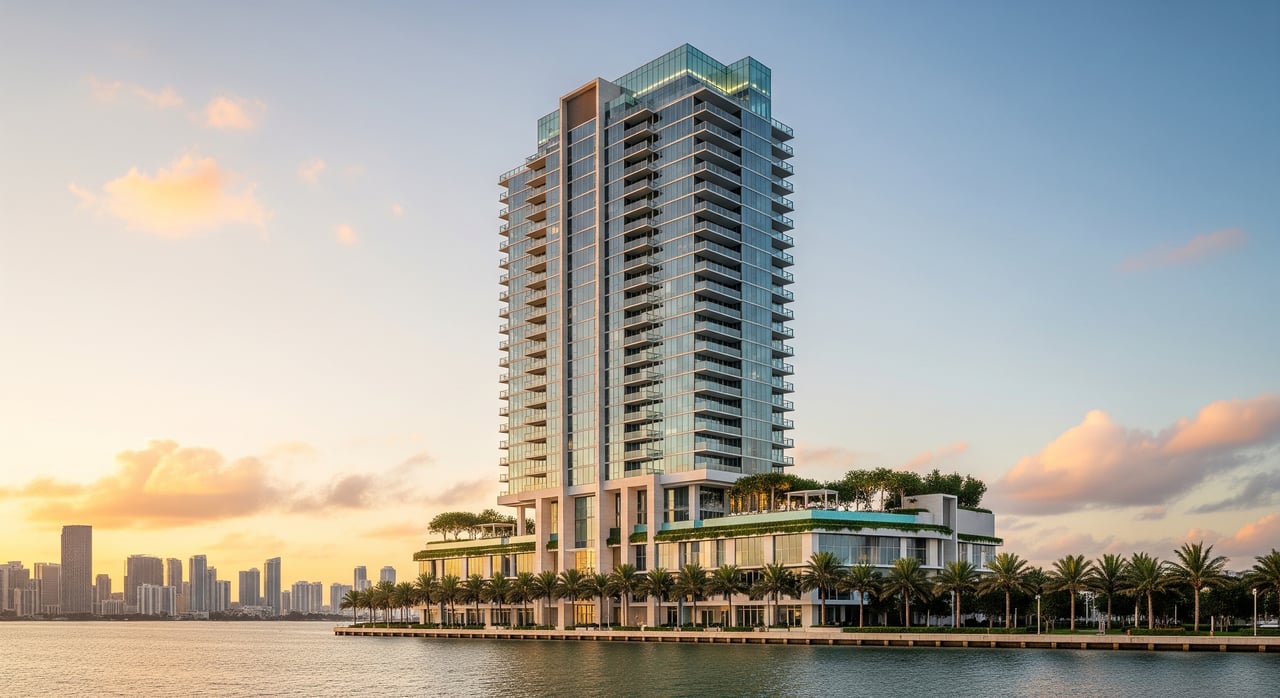
If you are evaluating buildings like The Well or La Baia, request a building info packet before you price your offer. Ask for the condo declaration, rental policy, fee schedule, reserve summary, and any planned capital projects. Then pull the last 6 to 12 months of sales within the building and immediate competition to anchor price per square foot and days on market. For rentals, gather both annual lease comps and, if applicable, legal STR performance indicators.
A simple building research list:
- Year built, unit mix, total unit count, amenities
- Typical HOA range and what it includes
- Minimum lease term, rental cap, and owner‑occupancy requirements
- Recent assessments, litigation disclosures, and reserve study highlights
- Comparable sales and historical rental listings for the same unit type
A simple decision framework
- Define your time horizon and risk tolerance. Decide if you want stable annual leases or if you are comfortable with STR volatility.
- Confirm rental legality for your exact address and building. Do not rely on marketing language.
- Pull 12 months of comps and build a conservative pro forma that includes HOA, insurance, and realistic vacancy.
- Read the condo documents and reserve study. Look for assessments that could change your returns.
- Price insurance and confirm financing terms early. Condo lending and premiums can shift your numbers.
Next steps
If you want help choosing between Bay Harbor Islands and Miami Beach, we can build a side‑by‑side pro forma for your target address. Provide the address, unit number, HOA fee, and your financing terms. We will model cash flow with conservative vacancy, HOA, and insurance assumptions and tailor it to your rental strategy. To start a conversation, schedule your VIP consultation with The Ana Vega Group.
FAQs
What are Miami Beach short‑term rental rules?
- The city uses zoning‑specific rules and licensing; verify your address in the City of Miami Beach Code of Ordinances and confirm any required permits on official city pages before projecting STR income.
Are short‑term rentals allowed in Bay Harbor Islands?
- Some areas may permit shorter terms, but many buildings impose stricter minimums; check the Bay Harbor Islands Code of Ordinances and the building’s condo documents.
How do HOA fees typically compare between the two areas?
- Miami Beach resort‑style towers often carry higher fees for full‑service amenities, while many Bay Harbor Islands buildings are boutique with potentially lower absolute fees, but always verify building by building.
How should I estimate insurance costs in Miami‑Dade coastal zones?
- Get early quotes for wind and flood and confirm flood zone using the FEMA Flood Map Service Center, then incorporate premiums into your pro forma.
How do I estimate cap rate for a condo investment here?
- Use cap rate as NOI divided by purchase price, with NOI calculated after HOA, insurance, taxes, management, vacancy, and realistic maintenance.
Where can I verify sales history and taxes for a specific address?
- Search the Miami‑Dade County Property Appraiser site for recorded sales, assessed values, and tax details before you finalize underwriting.