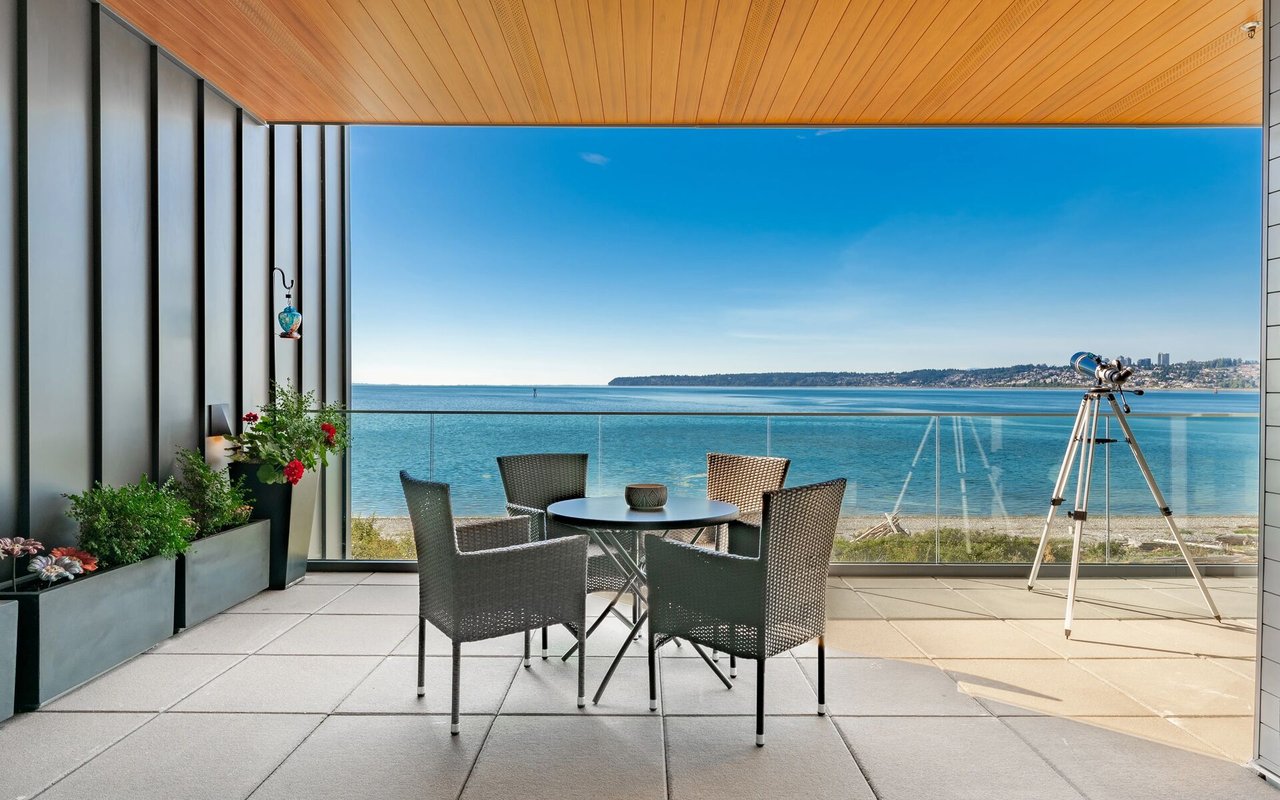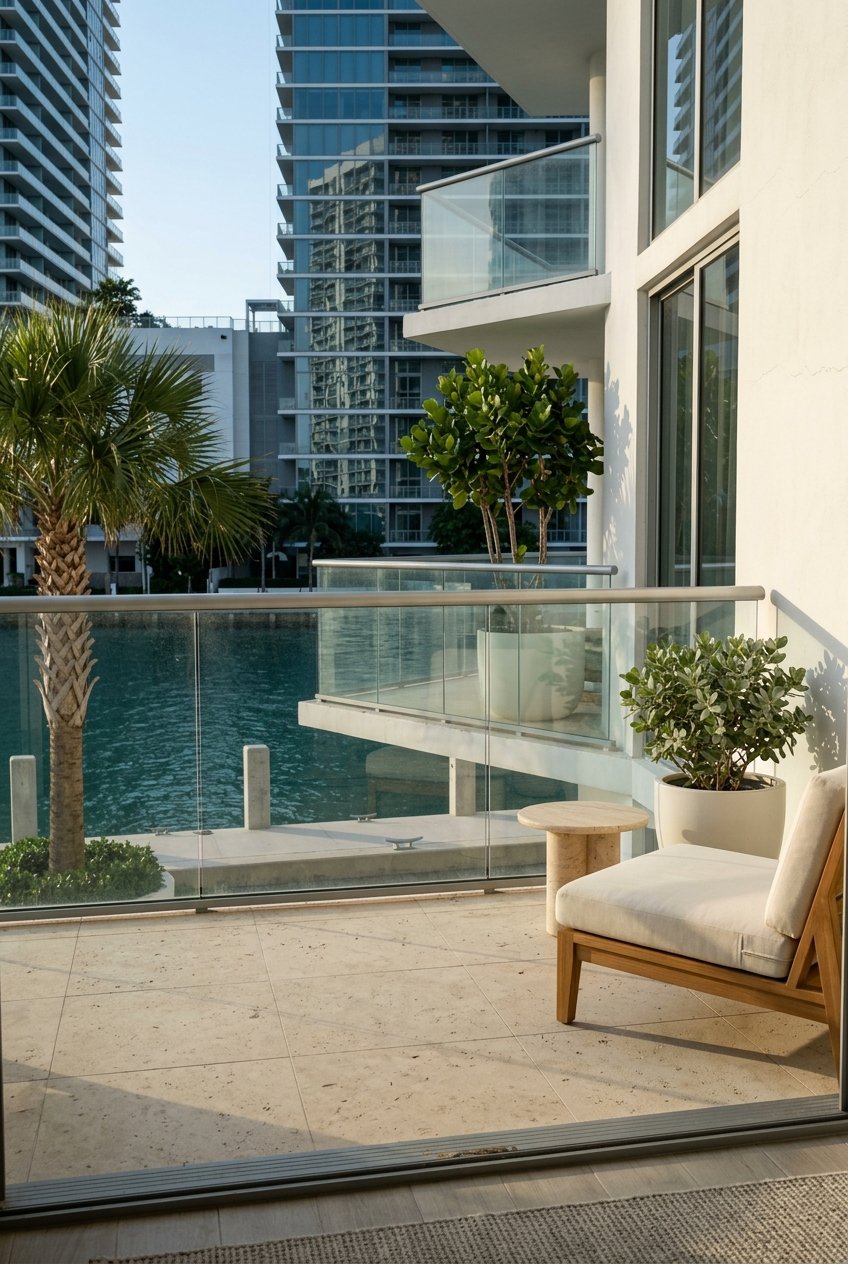
If you are considering a condo in West Palm Beach, a simple map can be misleading. A building on the waterfront and one just a few blocks inland may both be downtown, but they can offer very different daily routines, costs, and priorities. This guide will help you understand how waterfront condo living compares with the inland downtown core so you can choose the setting that fits your lifestyle and plans. Let’s dive in.
Waterfront West Palm Beach at a Glance
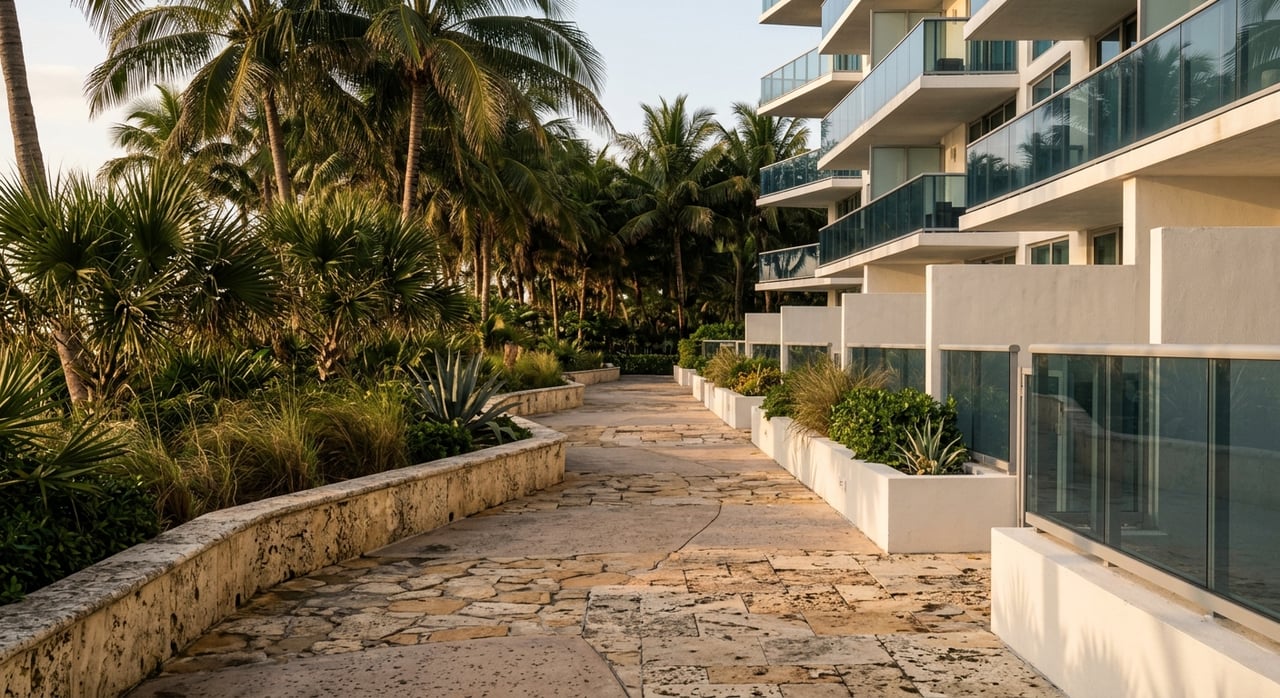
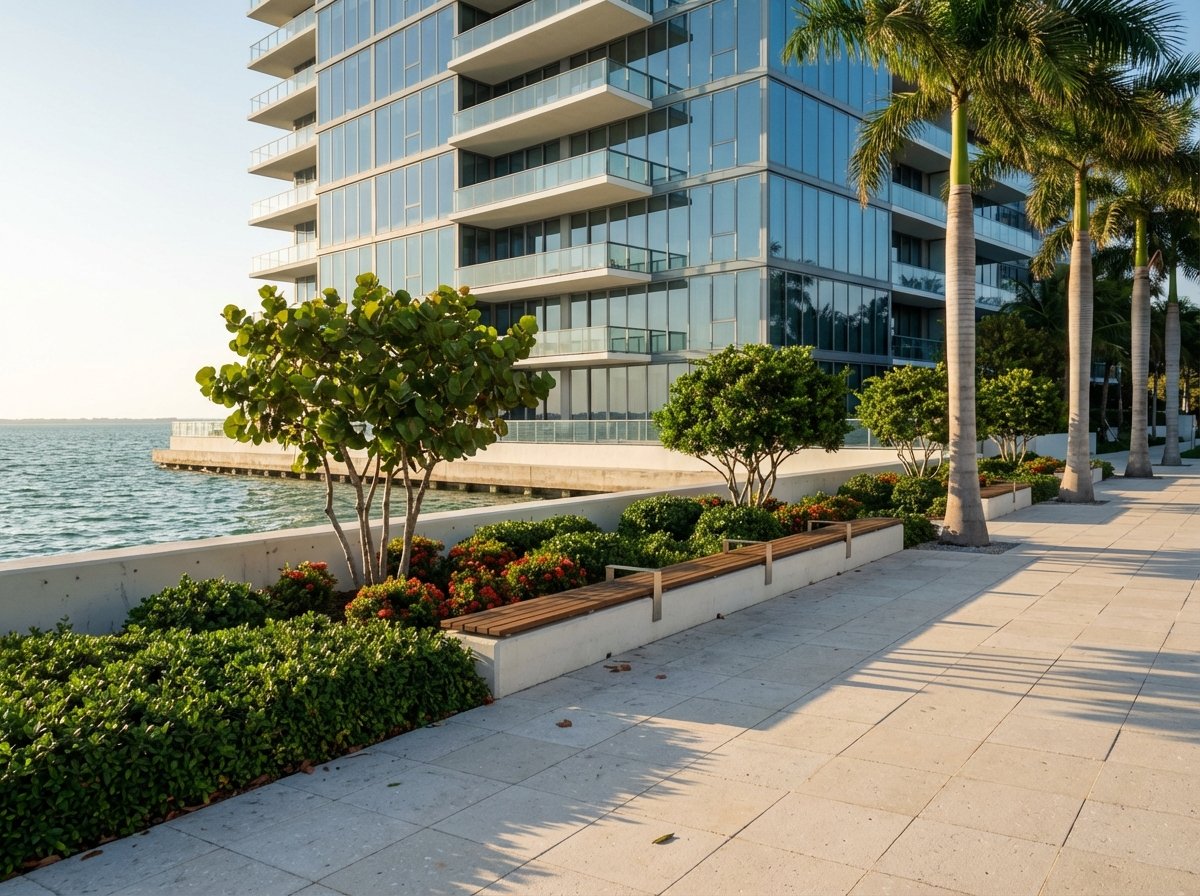
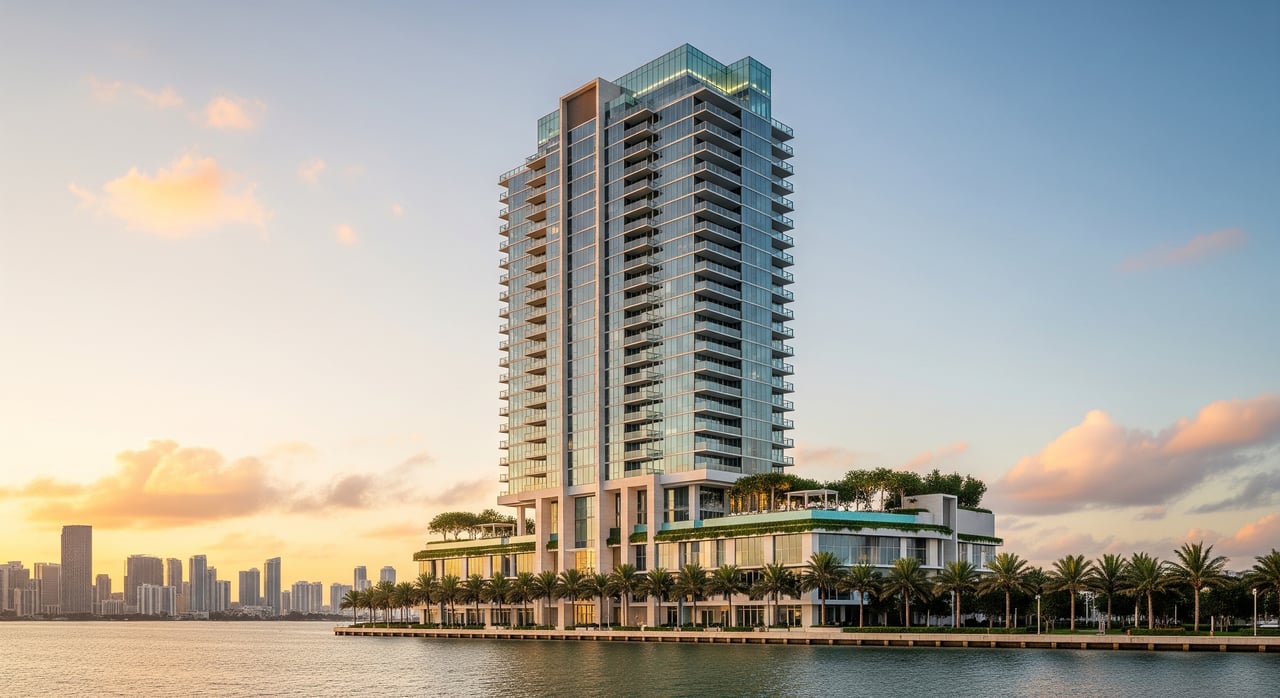
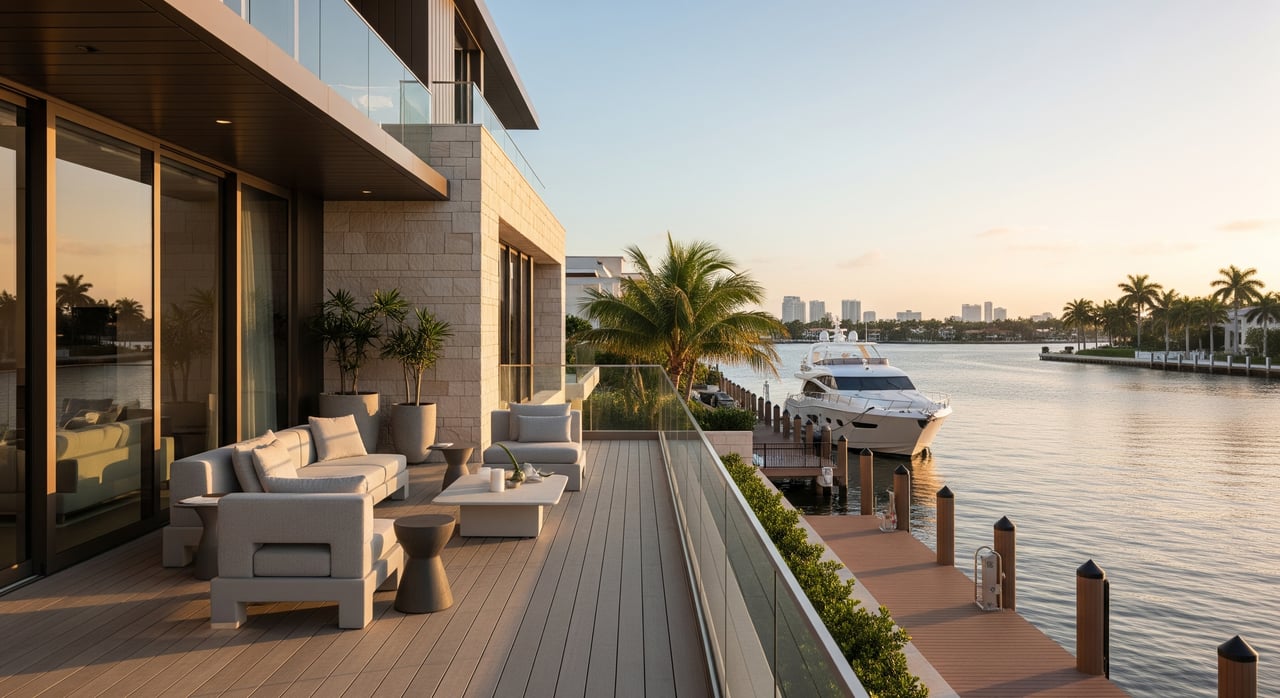
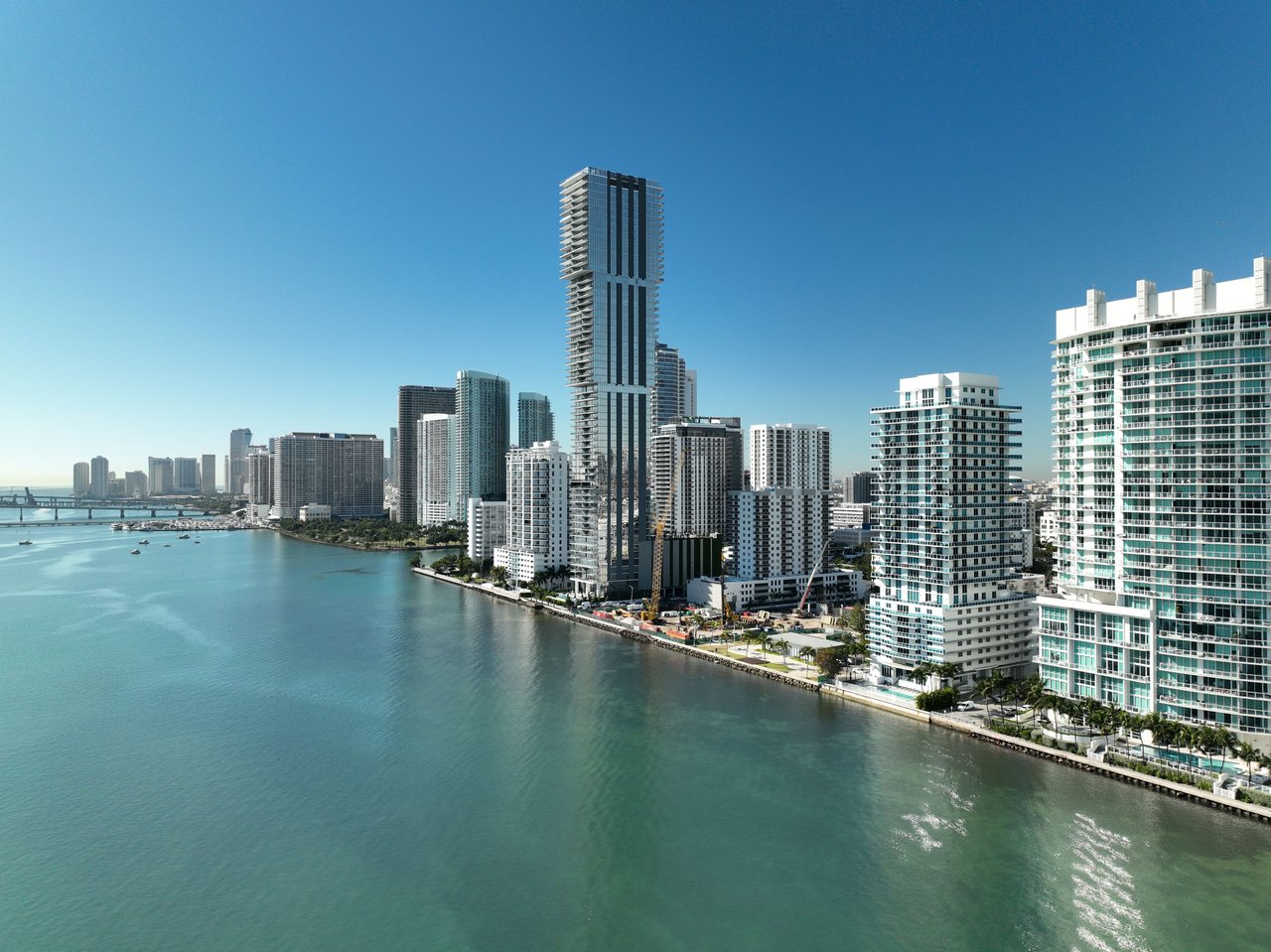
West Palm Beach’s downtown waterfront centers on the Flagler Waterfront along Flagler Drive. The city describes this area as a scenic Intracoastal waterfront corridor with green open spaces, high-rise condominium buildings, and office towers.
That matters because the waterfront is not just a row of buildings with good views. It is a distinct district shaped by the Intracoastal, public open space, and pedestrian access to the water. If you picture your day starting with a walk by the promenade or ending near the docks, this setting is designed around that experience.
What defines the Flagler Waterfront
The city’s planning documents frame the Flagler Waterfront as a place where the public realm and the skyline meet. New development is expected to support pedestrian connectivity to the waterfront, which reinforces the idea that the water is part of everyday life here.
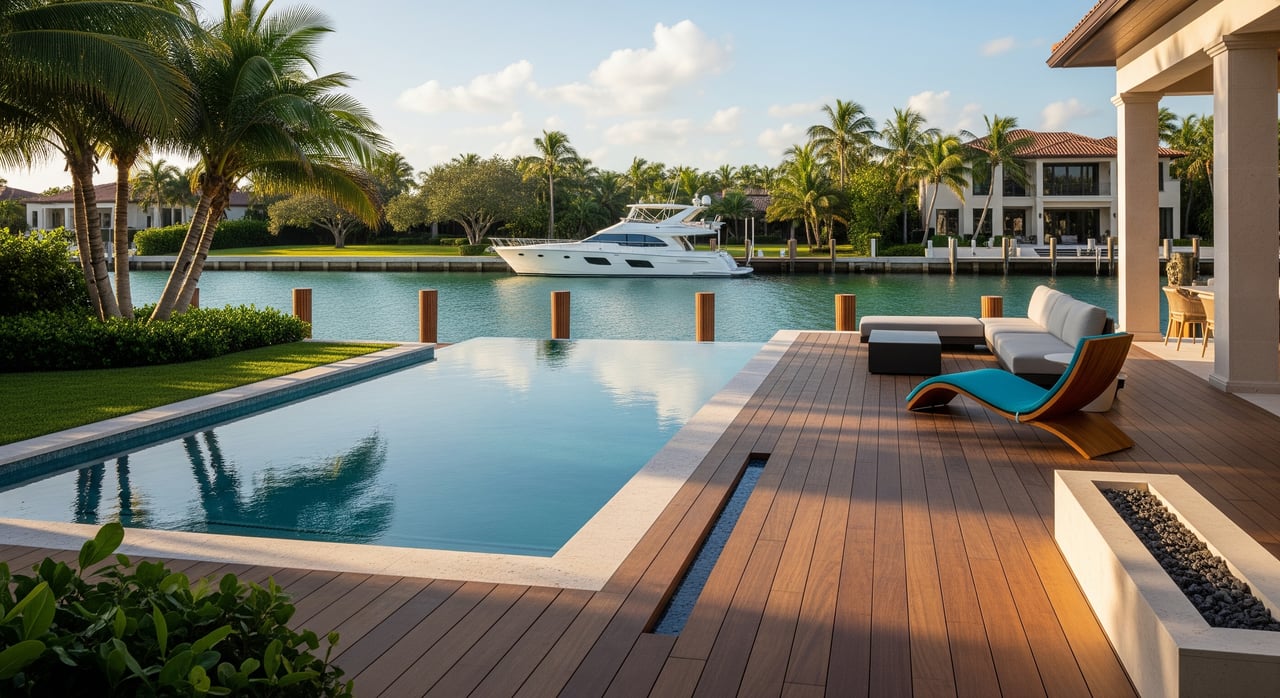
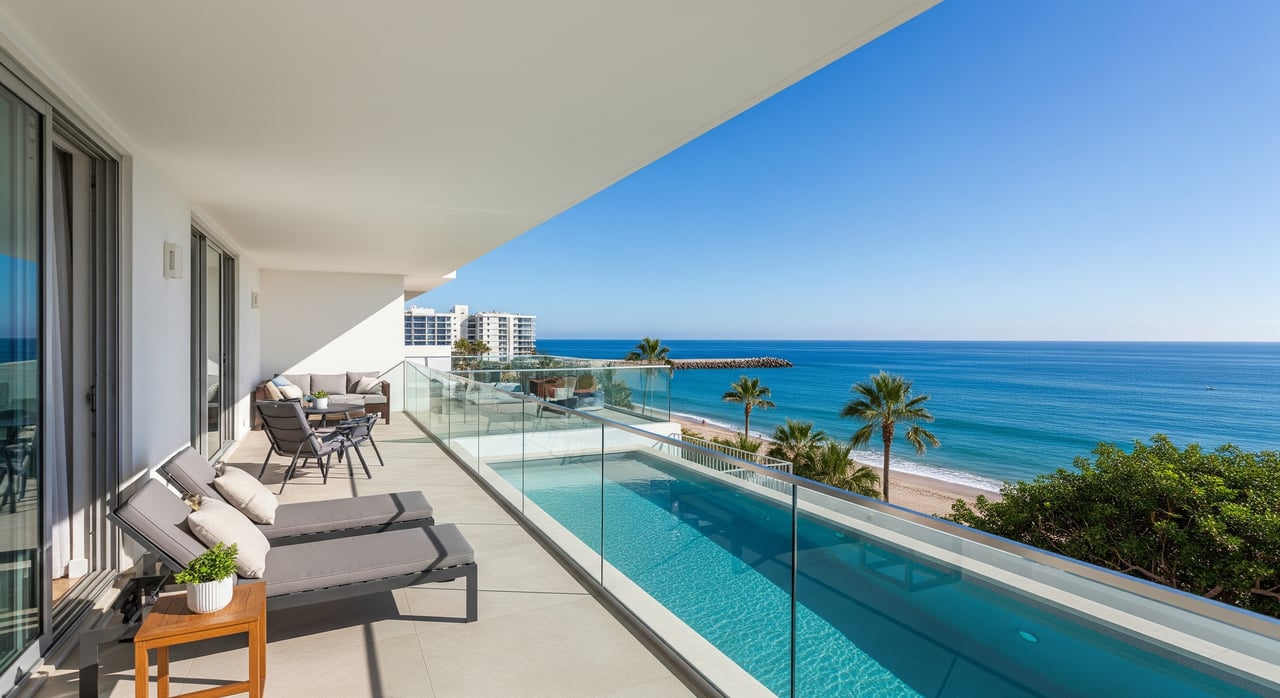
In practical terms, you are buying into both a residence and a waterfront environment. The appeal often comes from the combination of views, open space, and direct proximity to the Intracoastal Waterway.
How Waterfront Condo Living Feels
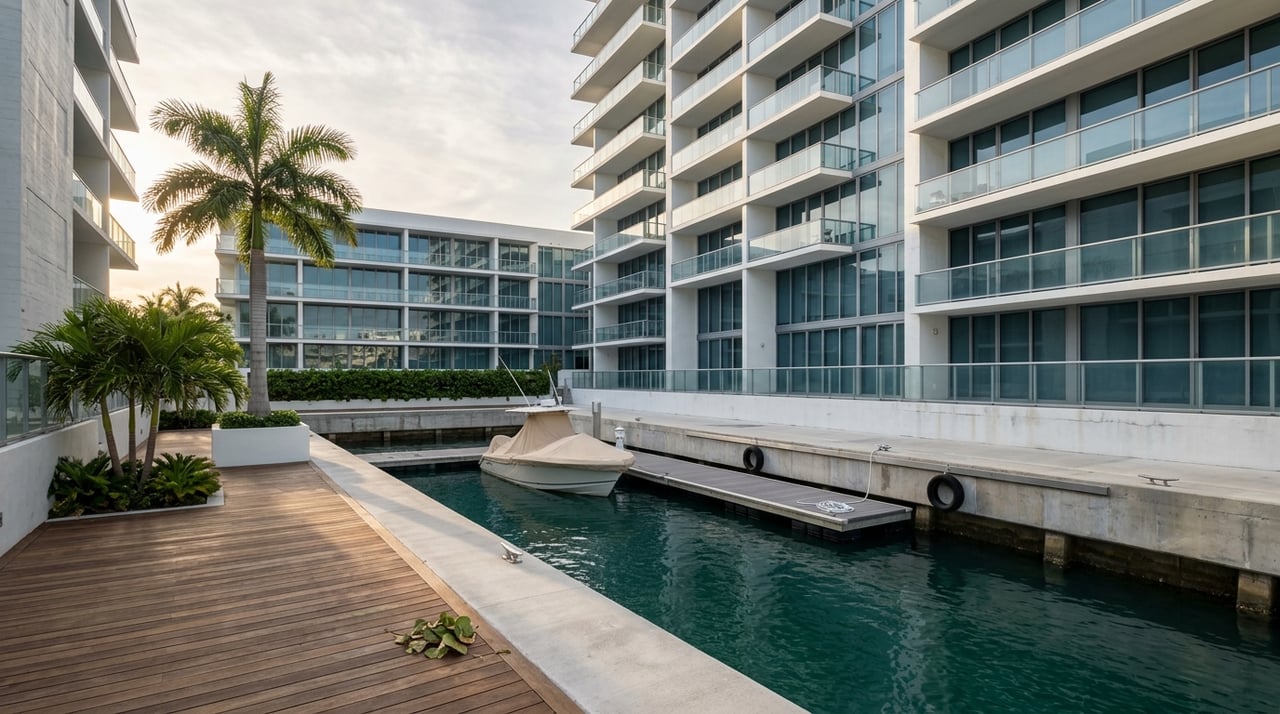
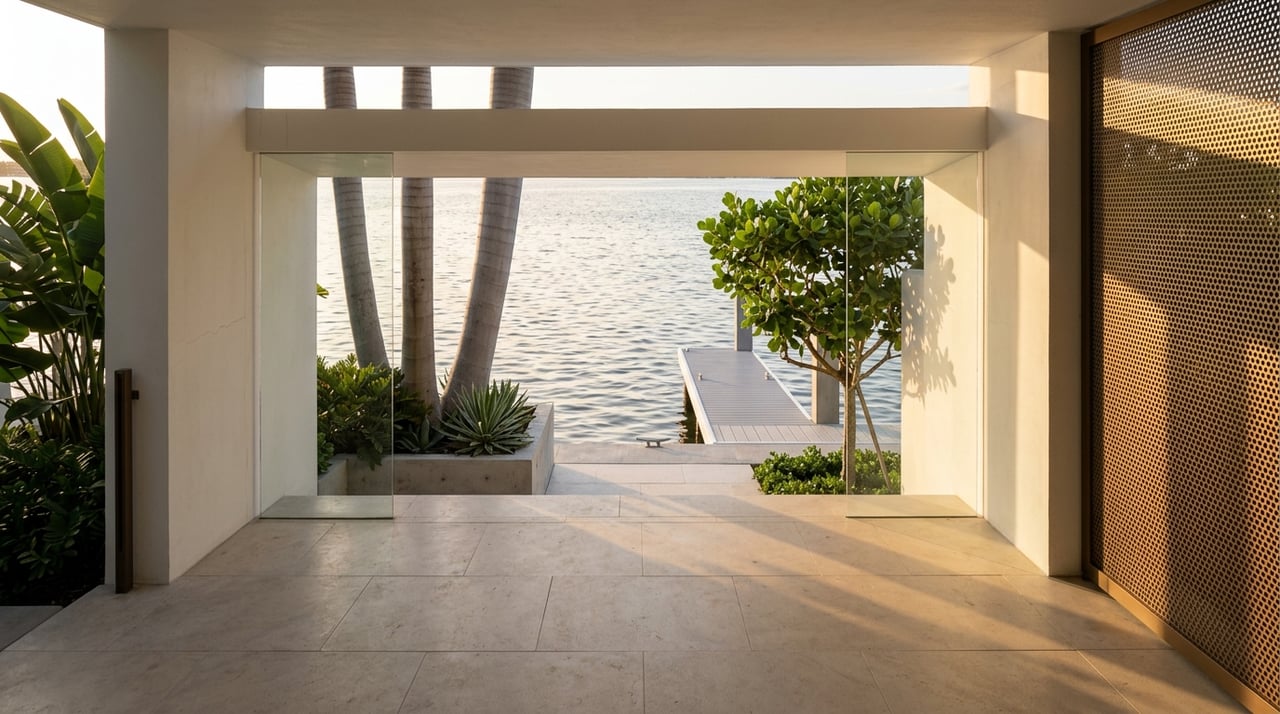
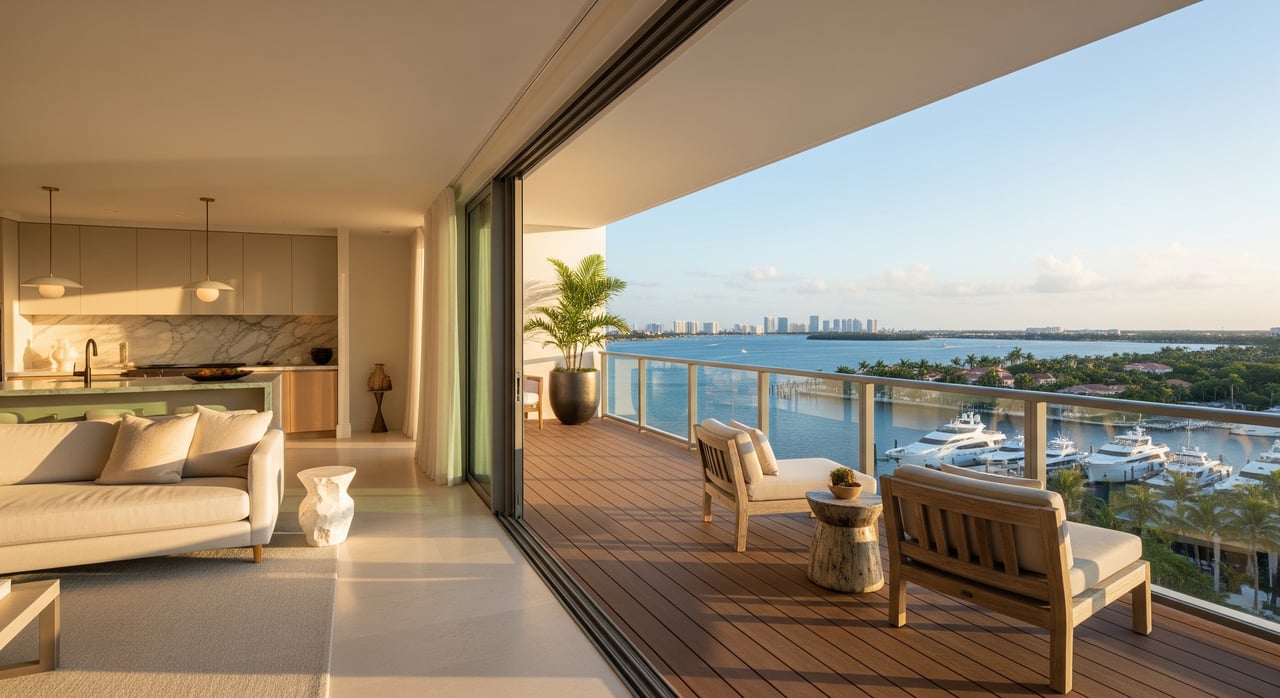
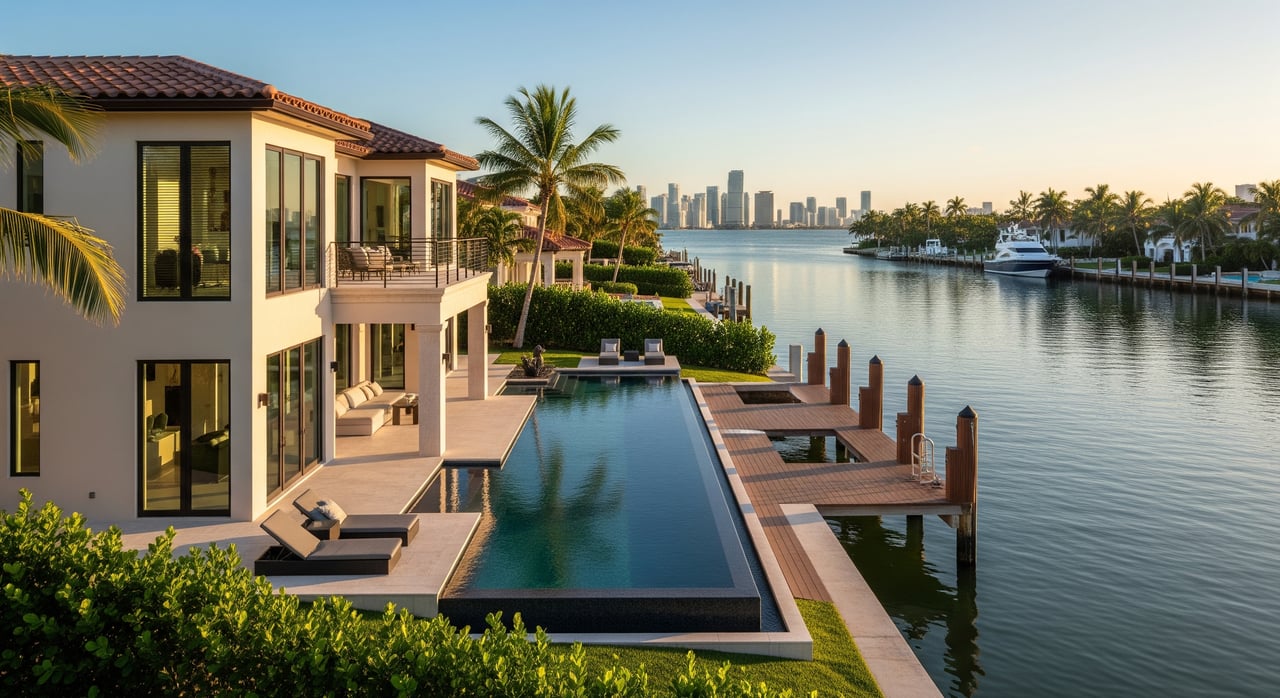
A waterfront condo lifestyle in West Palm Beach tends to be more water-centered than building-centered. The downtown waterfront provides access to the Intracoastal Waterway, and the waterfront itself stretches along the city with an epicenter at 100 N. Clematis Street.
That gives the area a different rhythm from inland downtown. Your routine may feel tied to the promenade, nearby docks, and outdoor public spaces as much as to your building’s amenities.
The public waterfront is part of daily life
The city’s Waterfront Commons adds a strong park element to waterfront living. It includes paved walking trails, picnic tables, shade areas, toilets, and water fountains.
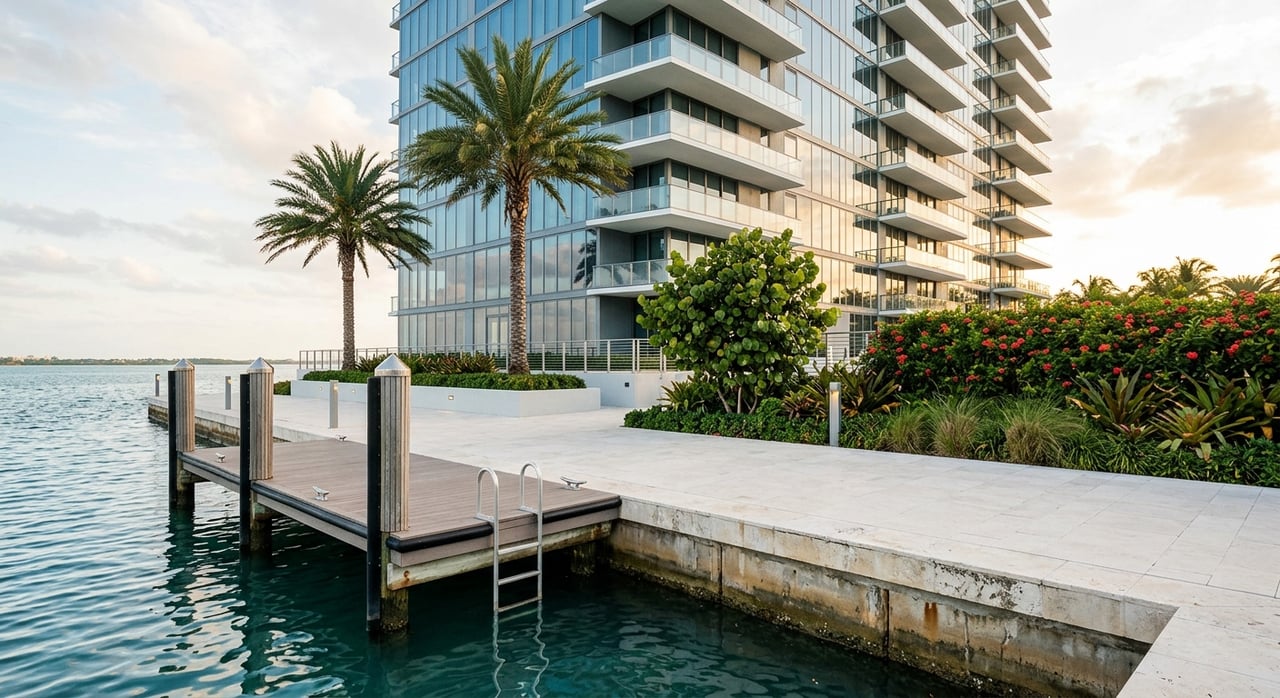
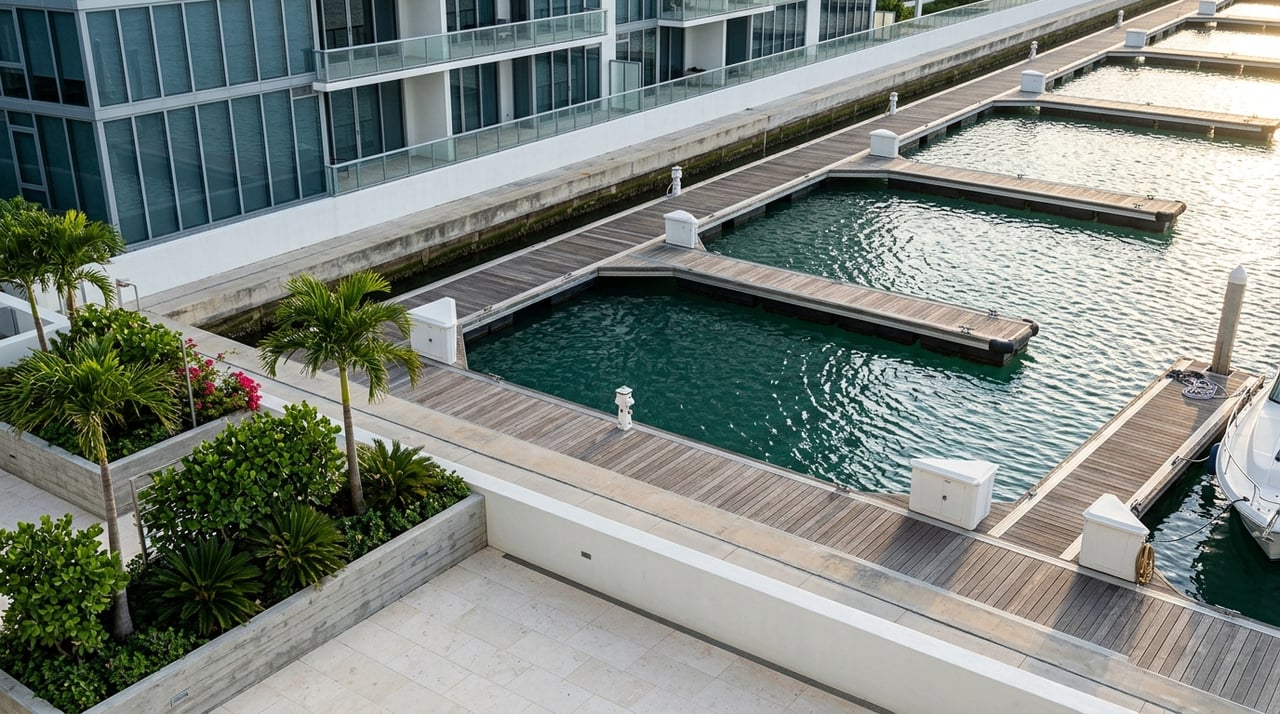
The downtown waterfront docks are open seven days a week and free for non-commercial boats. The area also supports paddleboard, kayak, and jet-ski rentals, which means the waterfront is active even if you are not a boat owner.
Views matter, but access matters too
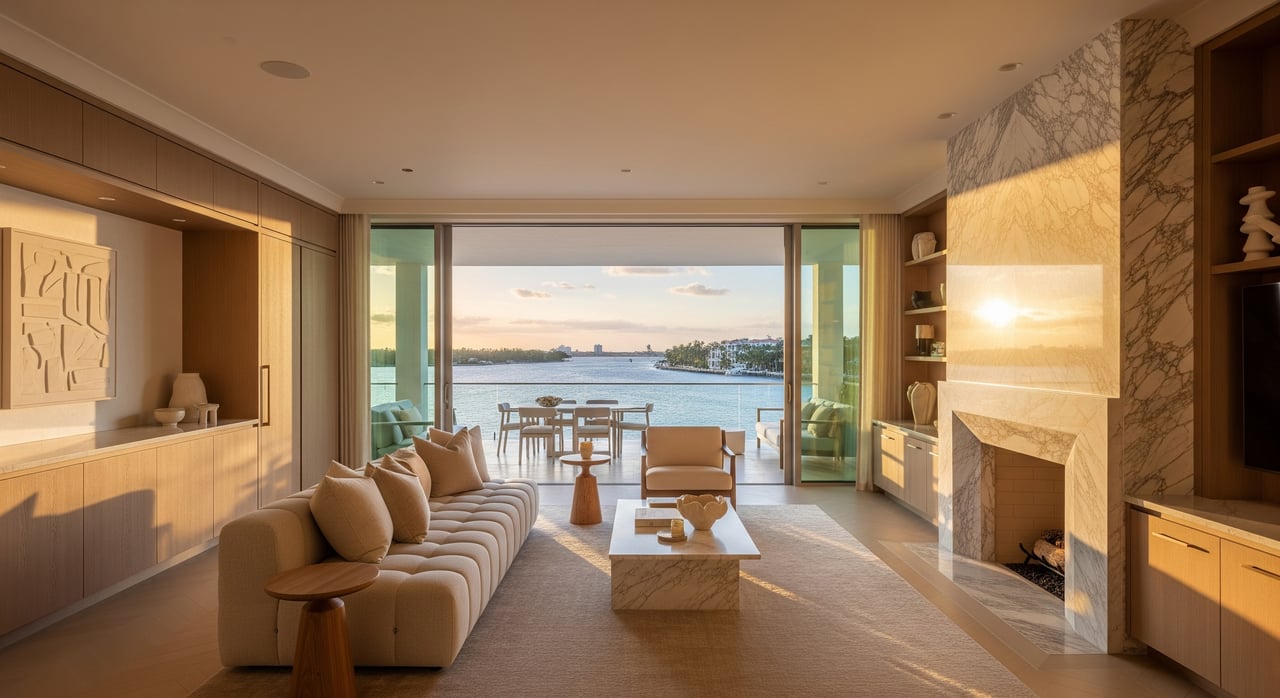
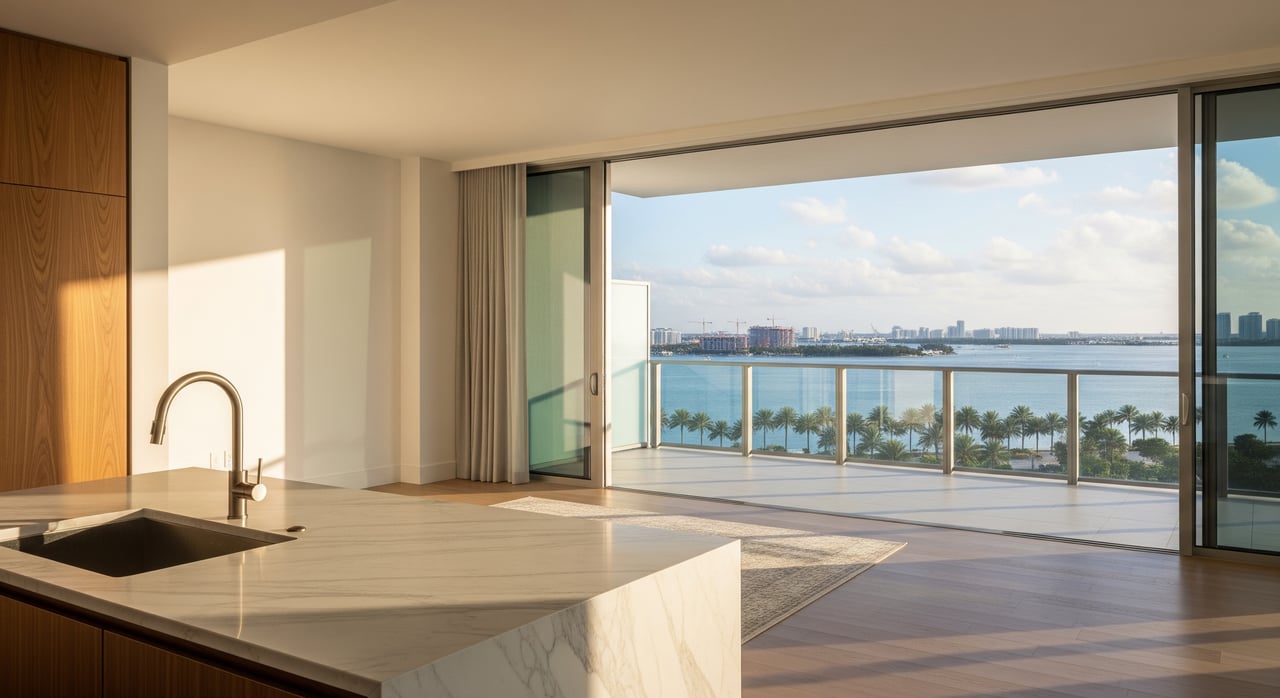
Many buyers start with the view, and that makes sense. Still, in West Palm Beach, waterfront living is also about being close to a public edge that is designed for walking, recreation, and time outdoors.
If that sounds like your ideal setting, the value of the location goes beyond the unit itself. You are also choosing the experience of being near the Intracoastal on a regular basis.
How Inland Downtown Feels Different
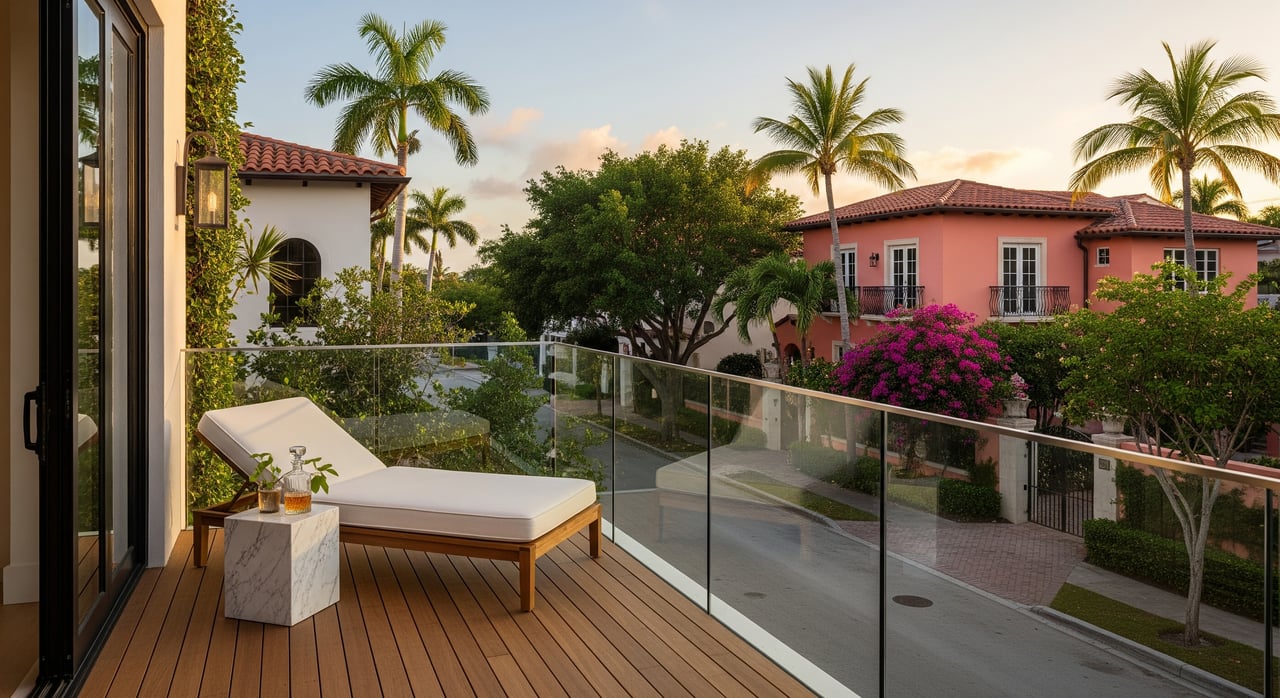
A few blocks inland, the feel shifts. The CityPlace district and the Clematis Street corridor are still downtown, but the city describes them differently from the waterfront.
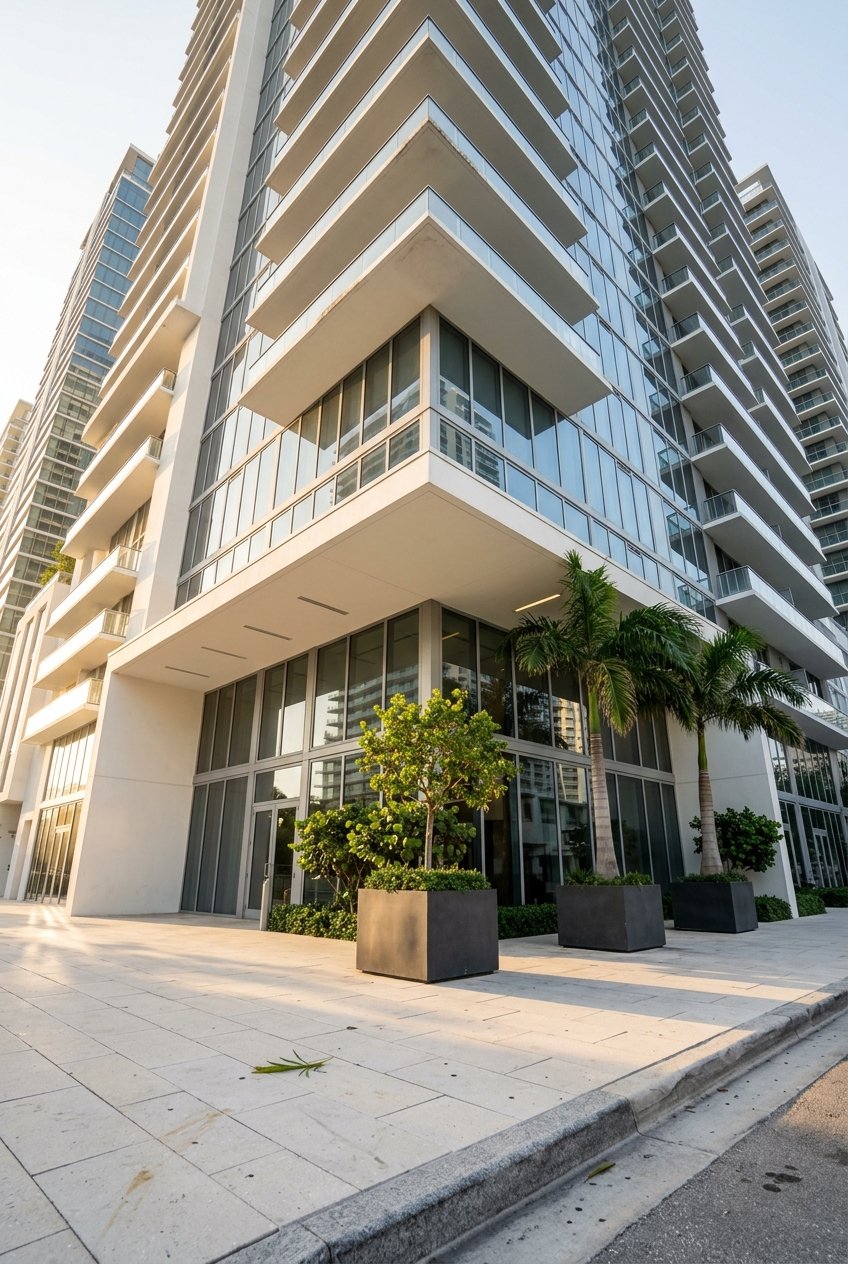
CityPlace is described as a mix of low-scale mixed-use, low-scale residential west of Rosemary, and mid-rise to high-rise development. The city also identifies Clematis Street as the heart of West Palm Beach and its most iconic downtown street.
Daily life is more street-focused
If the waterfront is about water access, inland downtown is more about street life. CityPlace describes itself as a walkable urban neighborhood with more than 60 shops and restaurants, public art, and regular public events.
That creates a different kind of convenience. Instead of leading with promenade views and docks, this area tends to offer a more retail, dining, and event-driven routine.
Transit and mobility can be a major plus
For many buyers, especially part-time owners or frequent travelers, inland downtown can feel easier to navigate. CityPlace says it is adjacent to Brightline, about one block from the station, accessible via Tri-Rail and the free citywide rideWPB shuttle, and supported by BrightBike and bike racks throughout the neighborhood.
It is also described as being three miles from Palm Beach International Airport and one mile from Palm Beach Island. That does not replace the appeal of the waterfront, but it can make day-to-day logistics feel very efficient.
Parking is part of the downtown equation
Downtown West Palm Beach also has a managed parking system. The city says the area includes more than 3,600 parking spaces, with five garages and about 1,500 on-street metered spaces between Clearwater Drive and Flagler Drive and Eucalyptus Street and Okeechobee Boulevard.
So while inland downtown is walkable, it is not disconnected from car access. For some buyers, that balance adds to the appeal.
Condo Ownership Basics to Understand
Before you compare waterfront and inland options, it helps to understand what condo ownership usually includes. Condo owners jointly own the exterior property and common areas, and they typically pay a mandatory monthly condo fee.
Those fees generally cover general repairs and maintenance to exteriors and common areas, often including water, sewer, trash, and recreational amenities. HOA dues are usually paid separately from the mortgage.
Why the condo model appeals to many buyers
This shared-maintenance structure is a big reason condos can feel easier to manage than a house. Because the association maintains common areas and handles shared responsibilities, many buyers see condos as a more convenient option for seasonal use or a lower-maintenance lifestyle.
That can be especially appealing if you want a lock-and-leave style residence in South Florida. Still, convenience should always be weighed against the rules and costs that come with association living.
What to review before you buy
Condo living is more association-driven than single-family ownership. Before moving forward, you should review:
- Monthly condo or HOA fees
- Association rules and restrictions
- Reserve funding
- Any history of special assessments
- What shared expenses are included in the fee
These details matter whether you are looking on the waterfront or inland. They shape both your monthly budget and your ownership experience.
Flood and Insurance Deserve Close Attention
In West Palm Beach, flood and storm exposure should be part of the condo conversation from the start. The city says flooding is the greatest threat during a tropical storm or hurricane.
The city also notes that homeowner’s insurance typically does not cover flood damage. Buyers should verify their flood zone and consider flood insurance.
Why this matters for waterfront buyers
Waterfront buildings naturally draw extra attention to flood risk, but Palm Beach County reminds residents that everyone lives in a flood zone. In other words, low risk does not mean no risk.
That makes flood review important no matter where you buy, but it becomes especially relevant when you are focusing on water-adjacent property. A beautiful location should always be evaluated alongside the building’s insurance expectations and flood-zone position.
A local detail worth knowing
The City of West Palm Beach says its CRS Class 5 rating provides a 25% discount on NFIP policies issued in the city. That is helpful context for buyers planning their long-term cost picture.
Even so, you should treat flood insurance and building-level insurance questions as part of your upfront due diligence, not as an afterthought.
Comparing Waterfront and Inland Priorities
Choosing between waterfront and inland downtown often comes down to how you want your day to feel. Both settings are downtown, but they serve different lifestyles.
Here is a simple side-by-side view:
Priority | Waterfront Condo Living | Inland Downtown Living |
|---|---|---|
Daily setting | Intracoastal views, promenade, docks, open space | Shops, restaurants, events, urban street activity |
Typical rhythm | Water-centered and scenic | Retail, dining, and transit-centered |
Access focus | Waterfront parks and public edge | Brightline, rideWPB, garages, walkable core |
Ownership considerations | Condo fees, association rules, flood review | Condo fees, association rules, convenience and access |
Best fit for | Buyers who prioritize views and proximity to the water | Buyers who prioritize walkability and downtown energy |
Which Option May Fit You Best
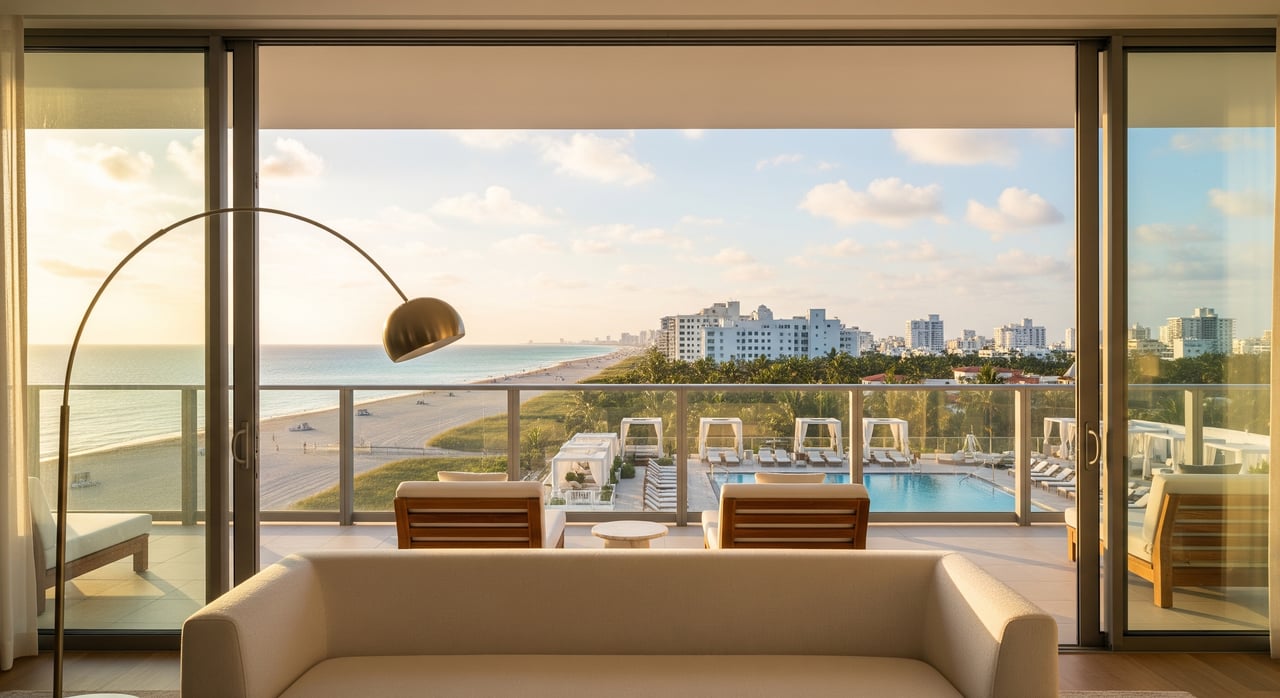
If your priority is a scenic backdrop, proximity to the Intracoastal, and a daily routine connected to promenades and waterfront parks, the waterfront will likely feel more aligned. You may also appreciate the appeal of a condo that supports seasonal use or a more turnkey ownership style.
If your priority is walkability, restaurants, public events, transit access, and a connected urban feel, a few blocks inland may be the smarter fit. You can still enjoy downtown West Palm Beach while focusing less on direct water frontage and more on convenience.
Think beyond the listing photos
Early-stage buyers often compare condos by unit finishes, price, or view alone. Those factors matter, but the bigger decision is often about the surrounding district and the ownership model.
A waterfront condo and an inland condo can both be excellent choices. The right one depends on whether you want your lifestyle anchored by the water or by the downtown street grid.
If you want expert guidance on West Palm Beach condos, new developments like The Rider Residences, or a tailored plan for your South Florida purchase, connect with The Ana Vega Group for a VIP consultation.
FAQs
What is waterfront condo living like in West Palm Beach?
- Waterfront condo living in West Palm Beach is typically centered around the Intracoastal, Flagler Drive, the promenade, public open space, docks, and nearby recreation rather than only the building itself.
How is inland downtown West Palm Beach different from the waterfront?
- Inland downtown near Clematis Street and CityPlace tends to focus more on walkability, restaurants, shopping, public events, transit access, and managed parking than direct water access.
What fees should you expect with a West Palm Beach condo?
- Condo owners usually pay a mandatory monthly fee that helps cover exterior and common-area maintenance and may include items such as water, sewer, trash, and recreational amenities.
Why should West Palm Beach condo buyers review flood risk?
- The City of West Palm Beach says flooding is the greatest threat during a tropical storm or hurricane, and standard homeowner’s insurance typically does not cover flood damage.
Is a condo easier to manage than a house in West Palm Beach?
- Many buyers find condos easier to manage because associations handle common-area maintenance and shared responsibilities, which can support a lower-maintenance or part-time ownership lifestyle.