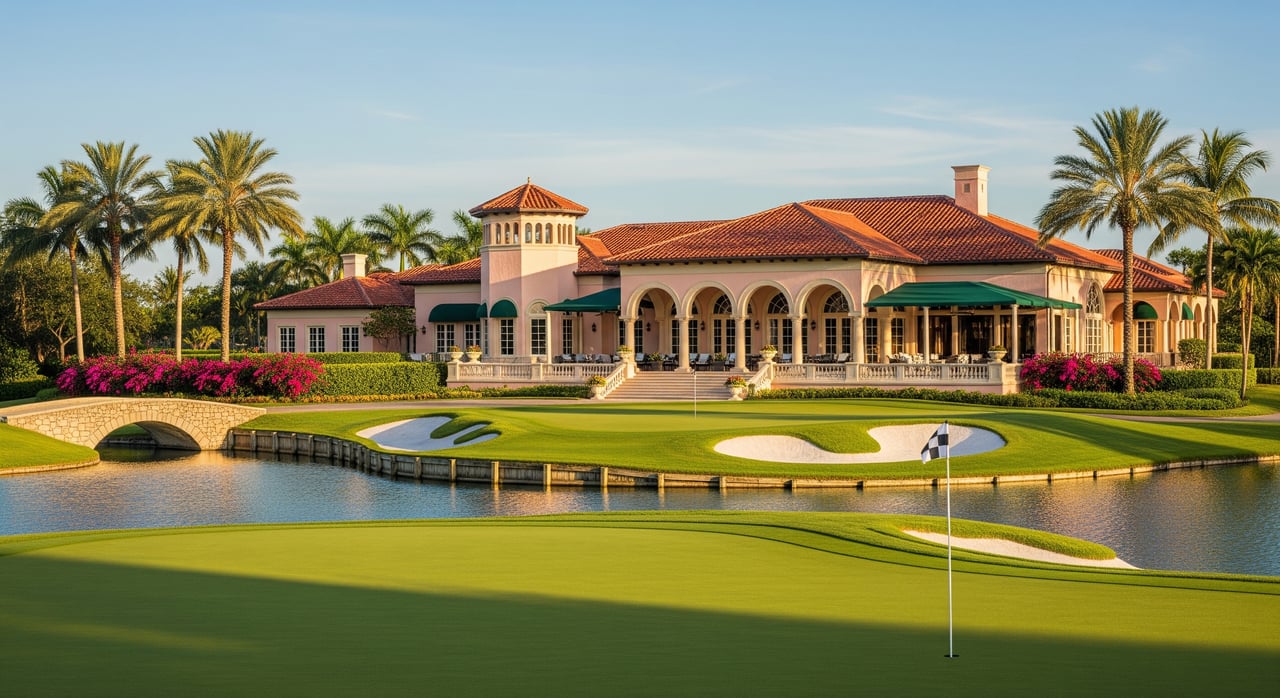
What if your morning walk looked out over manicured fairways, and your social calendar was set by the clubhouse? If you’re exploring a golf or country‑club lifestyle in Palm Beach Gardens, you’re in the right place. You want practical guidance on communities, memberships, and how to evaluate fit before you buy. In this guide, you’ll learn how club living works locally, what types of neighborhoods to consider, and the key steps to take before you write an offer. Let’s dive in.
Why Palm Beach Gardens for clubs
Palm Beach Gardens sits in a corridor known for private and resort golf communities. The local golf culture is strong, and the climate supports year‑round play. That makes it appealing whether you plan to live here full time or escape winter for a few months.
Travel access adds to the draw. Palm Beach International Airport is nearby, and major highways connect you to beaches and work centers across Palm Beach County. You also get established clubs with active social calendars, which helps you plug into the community fast.
Community types at a glance
Club neighborhoods in Palm Beach Gardens fall into a few common categories. Each offers a distinct feel and membership structure. Here are representative examples to help you compare options.
PGA National Resort & Spa
- Community type: Resort club with residential neighborhoods and public or resort play options.
- Buyer fit: You want resort services and championship‑style golf with events and energy nearby.
- What to know: Expect a mix of condos, villas, and single‑family homes tied to a broad amenity set.
BallenIsles Country Club
- Community type: Long‑established private country club community.
- Buyer fit: You value a classic private‑club experience and a range of home sizes.
- What to know: Mature landscaping, multiple courses, and an active social calendar are typical.
Mirasol
- Community type: Gated golf neighborhood with full clubhouse amenities.
- Buyer fit: You want turnkey, secure living with programming for adults and kids.
- What to know: Expect resort‑style amenities and managed landscaping for low‑maintenance living.
Frenchman’s Reserve and Old Palm
- Community type: Private, high‑amenity clubs with luxury homes.
- Buyer fit: You seek privacy, elevated service, and often custom or semi‑custom residences.
- What to know: Membership structures can be tighter, with a focus on club service and standards.
What amenities and homes to expect
Across these communities, you’ll typically find:
- Golf instruction, practice facilities, and pro shops.
- Multiple dining venues, fitness centers, pools, and spa services.
- Tennis and pickleball courts, plus kids’ camps and social programs.
- Housing options that range from golf‑front single‑family homes to villas, carriage homes, and condos or townhomes. You’ll see both new‑construction pockets and resale homes.
Membership access varies by community. Some offer full golf memberships with initiation fees and monthly dues. Others offer social or non‑golf tiers. Resort‑style communities may provide resident access without an equity membership. Always verify the current policy with the HOA and club office.
Which buyer are you?
Seasonal or second‑home owner
You may prioritize winter tee‑time access, social events, and easy lock‑and‑leave services. Look for seasonal membership options, on‑site property management, and rental flexibility if you plan to rent while away.
Full‑time resident or retiree
Year‑round programming, nearby healthcare and services, and low‑maintenance housing often top the list. Review long‑term dues and assessment history, club transferability for estate planning, and the community’s social mix.
Families and commuting buyers
You may want on‑site youth programs, commute‑friendly locations, and well‑run amenities with family‑friendly hours. Confirm availability of junior golf or tennis programs and test drive commute times during peak hours.
Investor or short‑term rental buyer
You’ll focus on rental rules, demand seasonality, HOA restrictions, and licensing or insurance requirements. Many private clubs limit rentals or require minimum lease terms, and condo associations often restrict short‑term use. Verify all rules before you underwrite returns.
Membership and costs basics
- Is membership required? It depends. Some communities require membership for all residents. Others offer optional tiers. Check the CC&Rs and purchase documents.
- What costs should you expect? Budget for HOA fees, initiation fees, recurring club dues, property taxes, and insurance. Amounts vary. Get written estimates and model your monthly and annual totals.
- Will tee‑times be available? Year‑round play is normal in Palm Beach Gardens, but peak season can be busier. Review tee‑time policies and ask about winter access.
Due‑diligence checklist
Request these documents early so you can move with confidence:
- HOA or POA CC&Rs, bylaws, and rules and regulations.
- Club membership plan, initiation fee policy, transfer or assignment rules, and any waitlists.
- HOA financials: current budget, reserve study, recent audits, and special assessment history.
- Estoppel letter for closing that shows current dues and any delinquencies.
- Club financials if available: operating budget, capital plans, and membership counts.
- Recent board and club meeting minutes to spot upcoming projects or concerns.
Key questions to ask:
- Membership: Is it mandatory, and what tiers exist? Are initiation fees refundable or transferable? Any waitlist now?
- Dues and assessments: What are the typical HOA and club costs? Any special assessments in the past 5 to 10 years?
- Tee‑times: How are reservations allocated, especially in high season?
- Rentals: What is the minimum lease term? Is there a cap on rentals?
- Guests: Are non‑member guests allowed, and are there guest fees or limits?
- Transferability: Does a home purchase include a membership, or is it separate? Is membership tied to the property title?
- Capital projects: Are course or clubhouse renovations planned that could affect dues?
- Insurance and storms: What are the community’s hurricane procedures and recent post‑storm responses?
Visiting and evaluating clubs
A thoughtful site visit teaches you more than any brochure. Plan for multiple visits if possible.
- Visit on a weekday and a weekend. If you can, come during winter to see peak activity.
- Watch tee‑time flow and clubhouse traffic. Note dining capacity and event calendars.
- Drive the surrounding streets to gauge noise, privacy, and traffic beyond the gates.
- Inspect common‑area maintenance from greens and cart paths to pools and parking.
- Ask to review a sample membership or HOA contract and a record of recent dues and assessments.
Financing, taxes, and insurance
- Financing: Lenders count HOA fees and required club dues in debt‑to‑income ratios. Some lenders review community reserves and rental concentrations. Share HOA and club details with your lender early.
- Insurance and flood: Many properties in Palm Beach County require flood coverage. Confirm FEMA flood zone maps and price out windstorm and hurricane deductibles.
- Property taxes: Florida offers homestead and other exemptions for primary residences, which generally do not apply to second homes. Model your annual tax impact based on your planned use.
Local logistics and lifestyle fit
- Airports and travel: Proximity to Palm Beach International Airport helps seasonal owners and frequent travelers.
- Hurricane season: June through November is storm season. Ask how each community prepares and handles repairs after events.
- On‑site services: Many communities or nearby firms offer property management, rental management, and concierge services, which are helpful for absentee owners.
- Governance: Local zoning applies, but daily life is shaped by your HOA and club bylaws. Read both sets of rules in detail.
How to choose the right fit
Use these decision points to narrow your list:
- Primary use: Seasonal, full time, or investment.
- Membership structure: Mandatory, optional, or tiered access.
- Tee‑time reality: Winter access and booking rules that match your play frequency.
- Home type and maintenance: Single‑family, villa, or condo with the level of upkeep you prefer.
- Budget comfort: Total cost including HOA, dues, taxes, and insurance.
- Travel pattern: Airport and highway access that supports your lifestyle.
Your next step
If club living in Palm Beach Gardens is on your radar, start by gathering documents from two or three communities that fit your goals. Then plan a visit during your likely peak‑use period. A clear view of membership rules, dues, and daily rhythms will help you buy with confidence.
When you are ready for tailored guidance, bilingual support, and end‑to‑end execution, connect with The Ana Vega Group. Our boutique team helps you compare communities, coordinate legal and tax advisors, arrange property or rental management, and set up your home with trusted styling or renovation partners. Schedule a VIP consultation, and let’s find your best club fit. Hablamos español.
FAQs
Are club memberships mandatory in Palm Beach Gardens communities?
- It varies by community. Some require membership for all residents while others offer optional tiers. Confirm the rule in the CC&Rs and membership plan before you buy.
What ongoing costs should I expect beyond my mortgage?
- Budget for HOA fees, club initiation and recurring dues, property taxes, and insurance. Request written estimates and include them in your monthly and annual projections.
Can I rent my home seasonally in a private club community?
- Many clubs and HOAs limit short‑term rentals or require minimum lease lengths. Verify rental policies and any caps before assuming seasonal income.
How hard is it to get winter tee‑times in Palm Beach Gardens?
- Year‑round play is common, but high season is busier. Review tee‑time allocation rules and ask about peak‑season access at the specific club you are considering.
What documents should I review before making an offer in a club community?
- Request HOA and club bylaws, rules, financials, reserve studies, special assessment history, meeting minutes, and an estoppel letter that shows current dues and any delinquencies.
What insurance considerations are unique to Palm Beach County club homes?
- Confirm flood zone status and price windstorm coverage and hurricane deductibles. Ask about the community’s storm preparedness and recent repair processes.