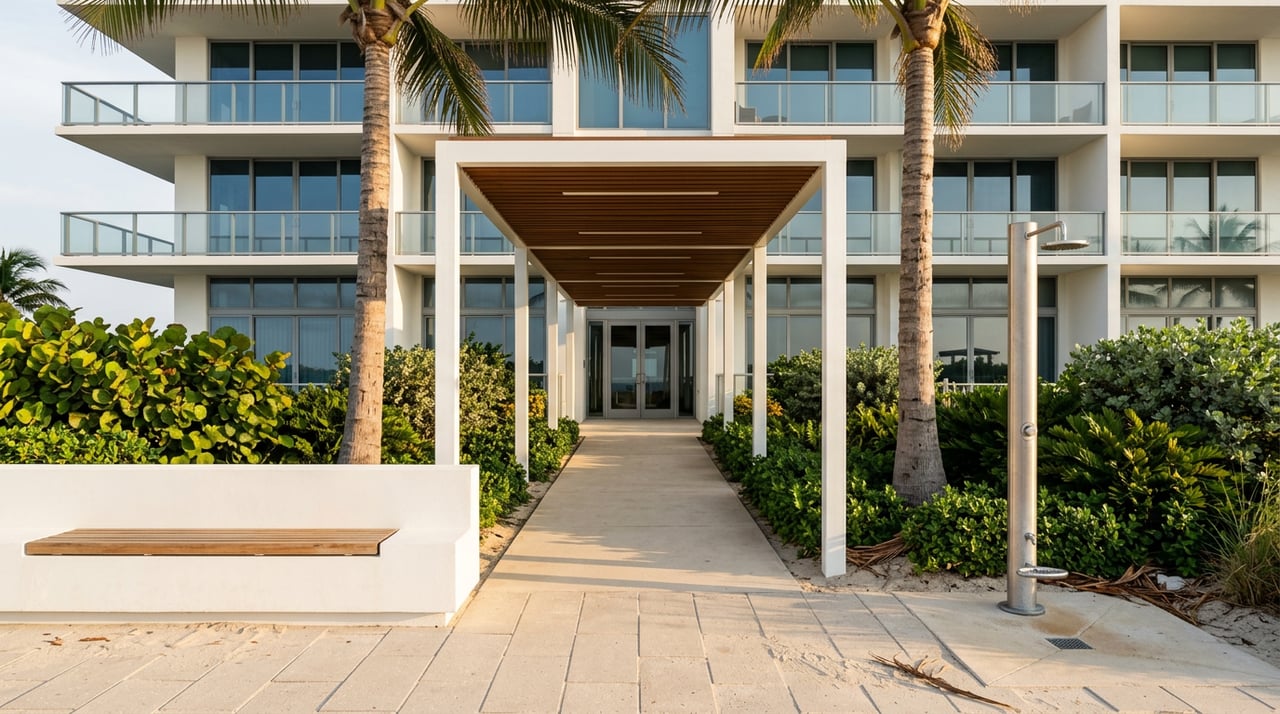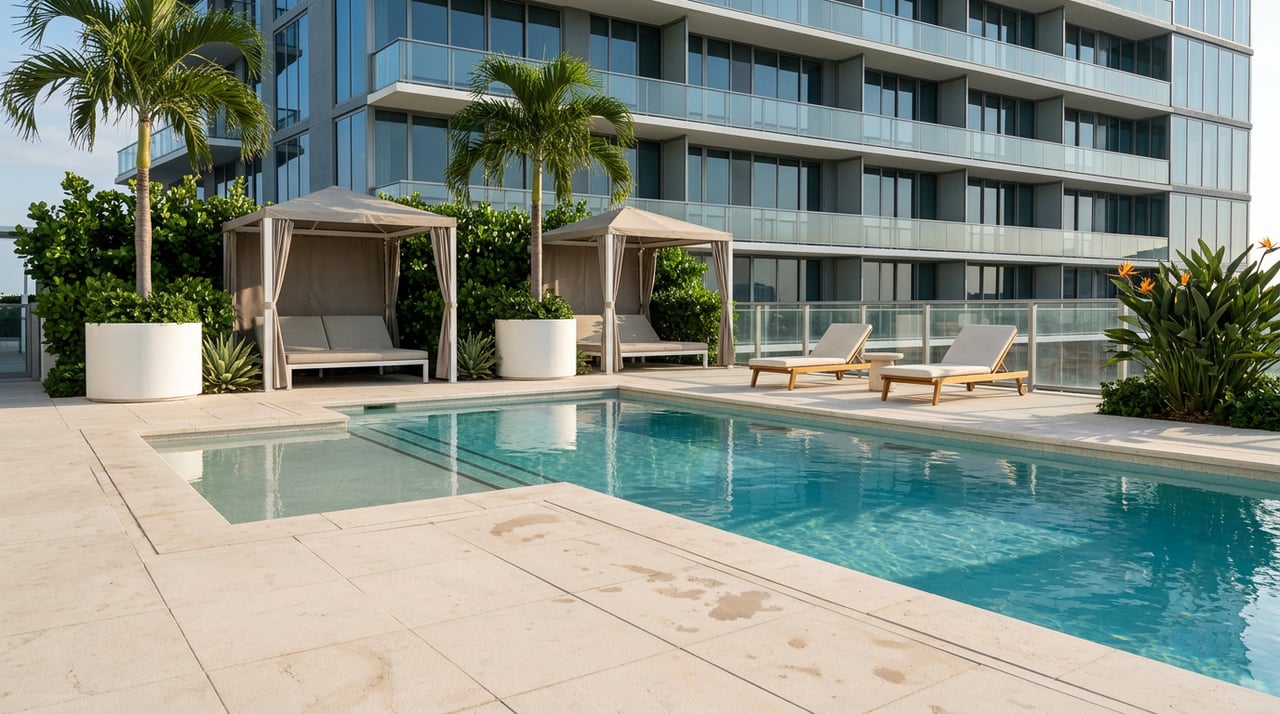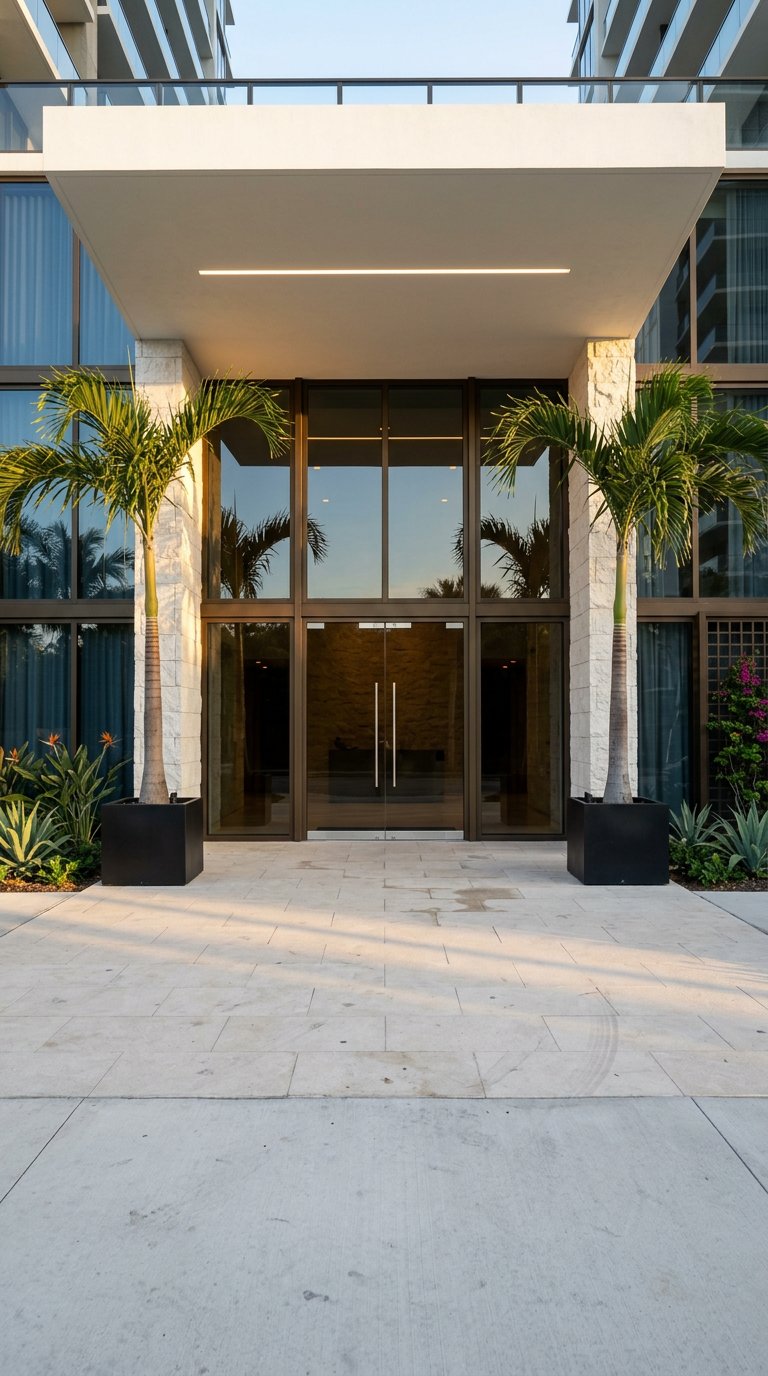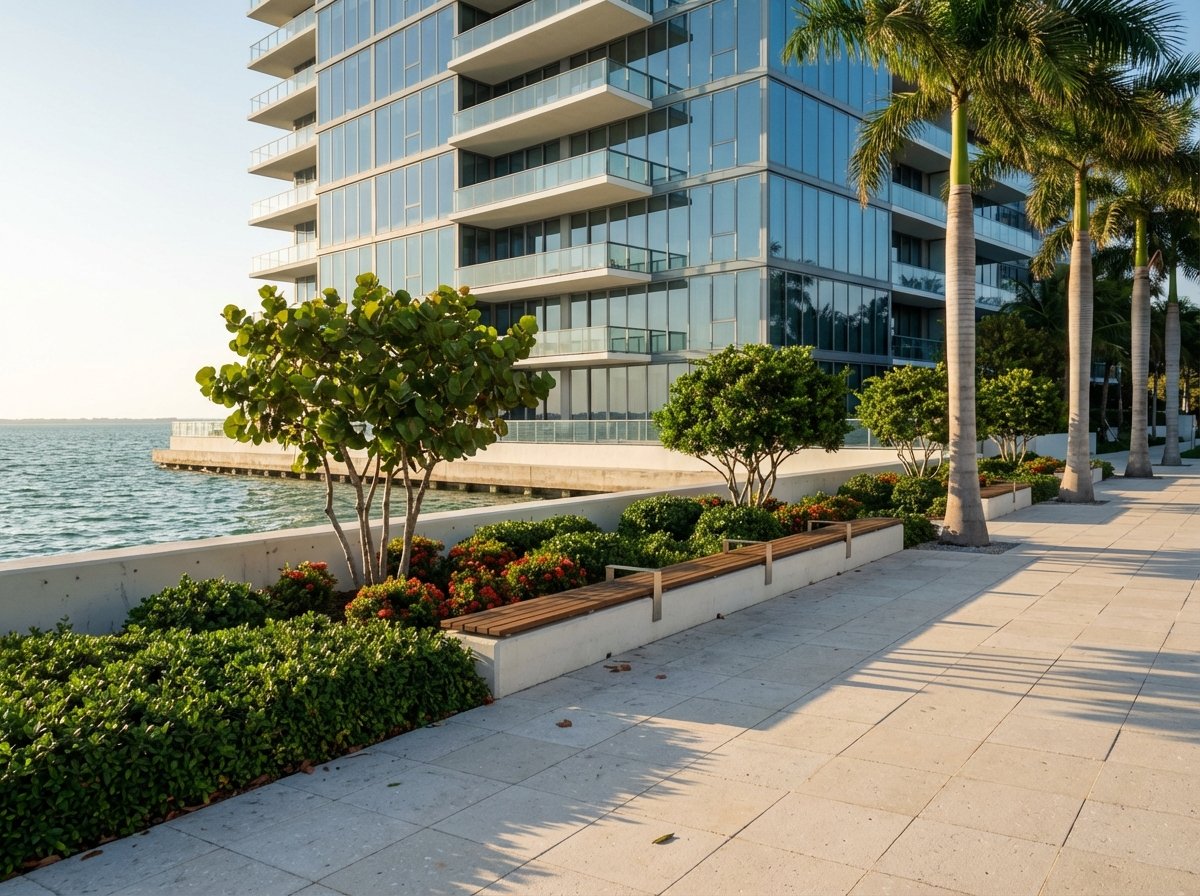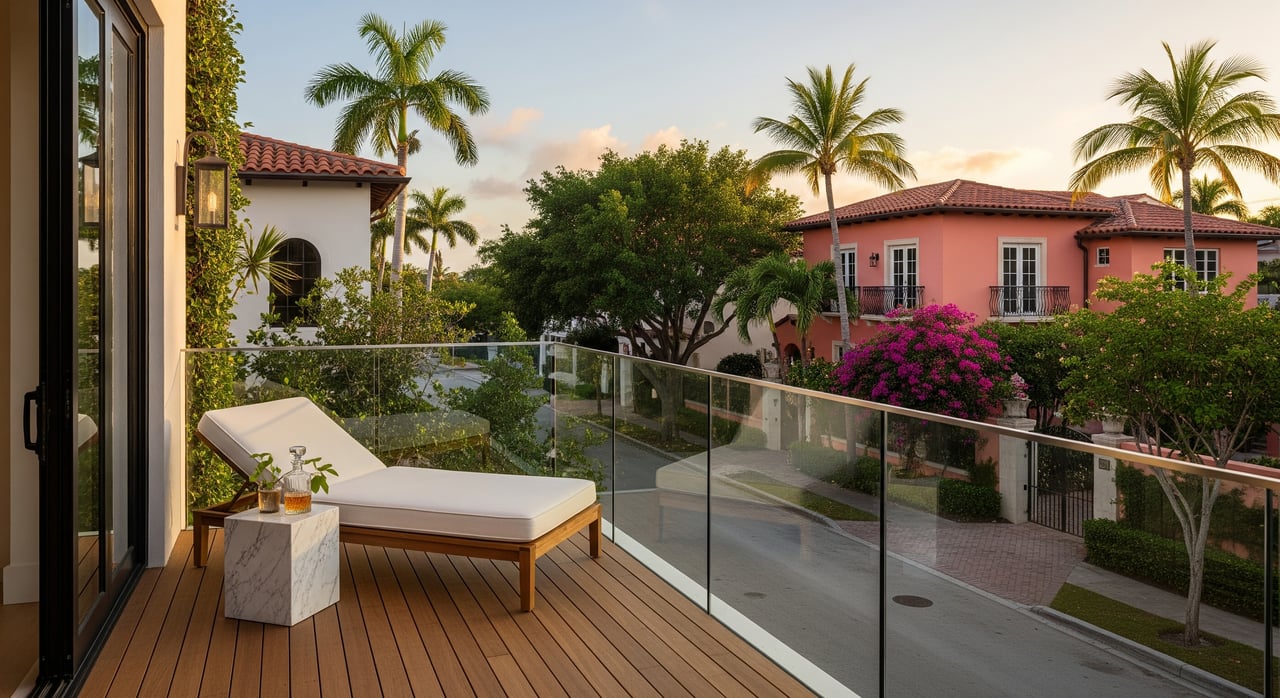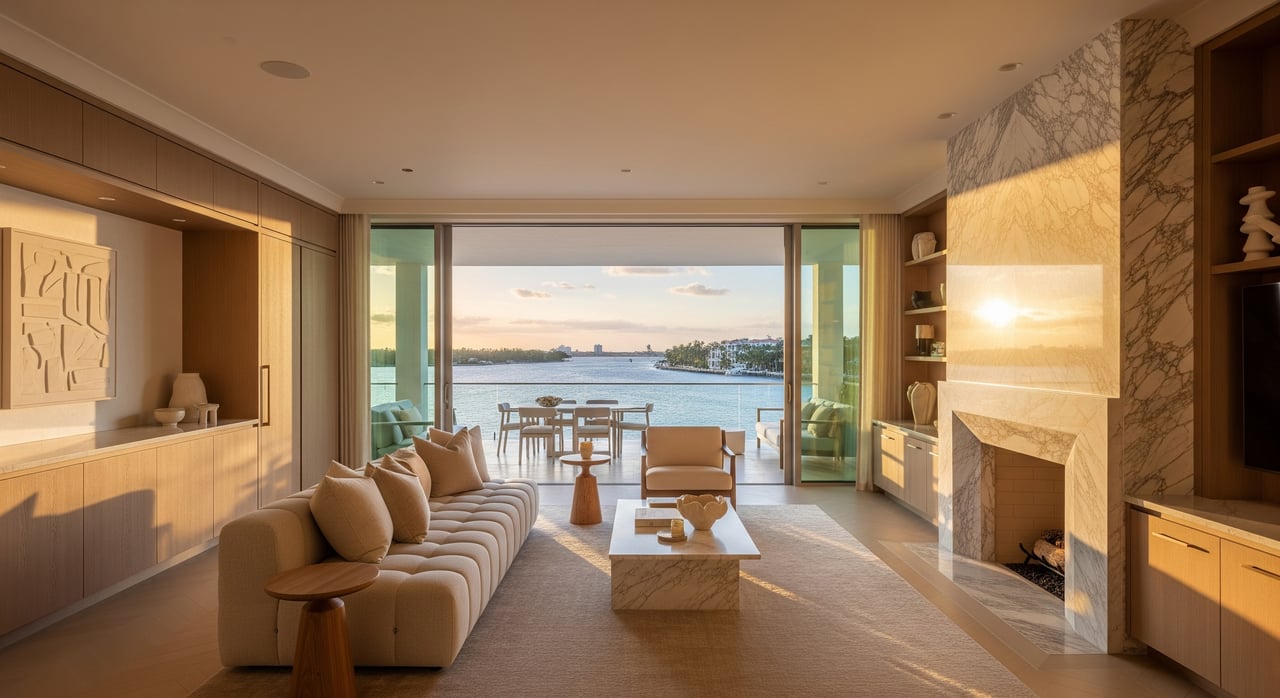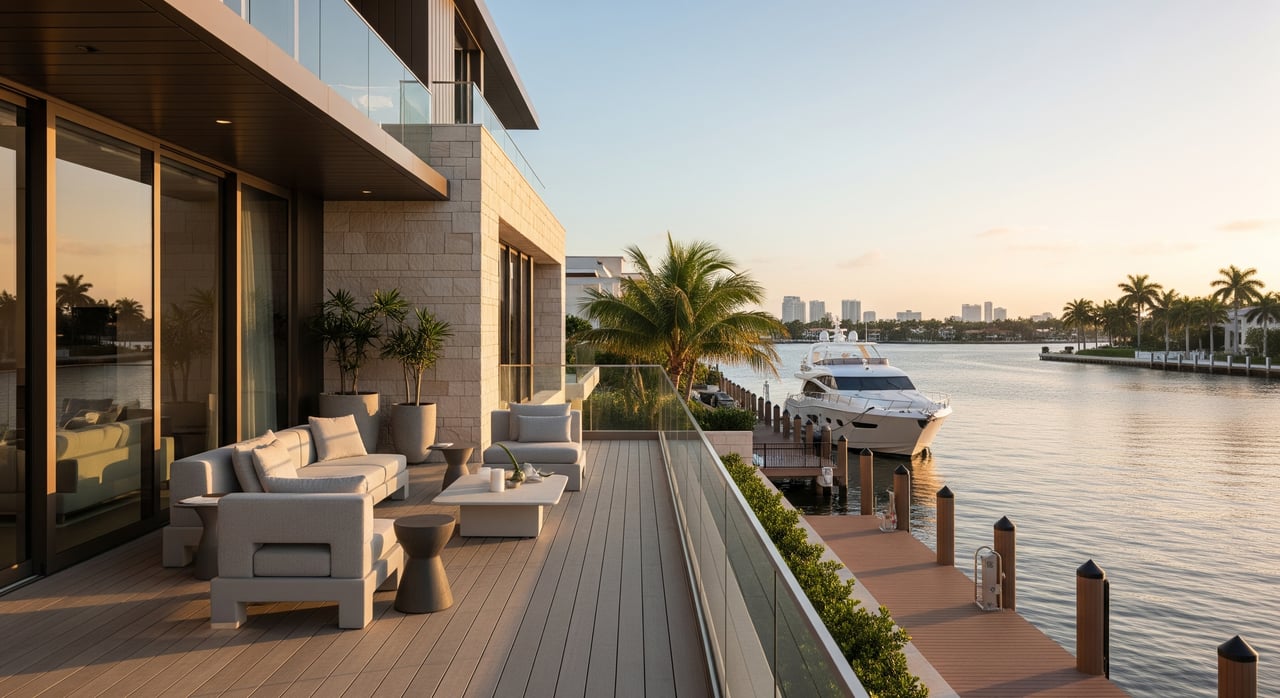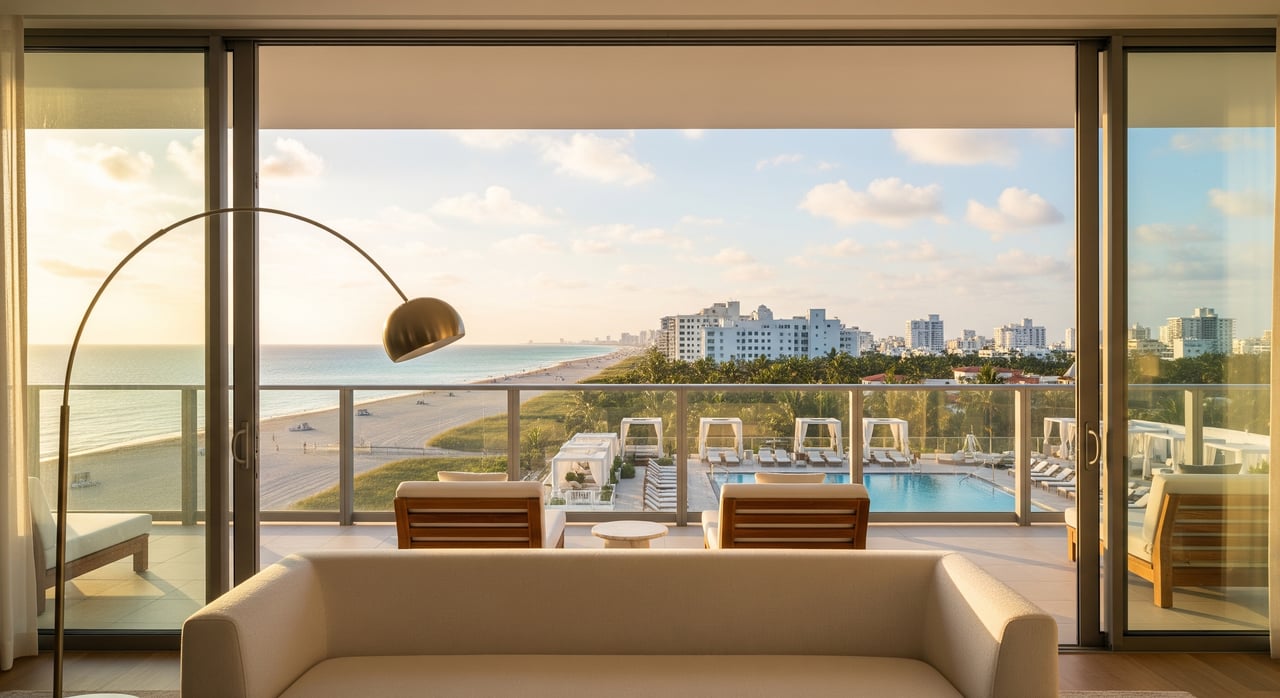
Choosing a condo in Sunny Isles Beach is not just about the view. In this stretch of oceanfront Miami-Dade, one of the biggest decisions is whether you want the identity and service model of a branded residence or the lifestyle of a traditional luxury tower. If you are weighing both, this guide will help you compare how they differ in daily living, ownership costs, rental flexibility, and long-term fit. Let’s dive in.
Why branded residences stand out
Sunny Isles Beach has become one of South Florida’s most visible markets for branded condominium projects. The city’s approved developments include St. Regis Residences, a two-tower 62-story project with 361 units, and Bentley Residences, a 62-story tower with 216 units. That local pipeline reflects a larger trend, with branded residences growing substantially worldwide and becoming especially common in Miami.
A branded residence is generally a home sold on the open market that is tied to a well-known brand through design, service, or both. In this market, that can mean hotel-managed buildings, fashion-branded towers, automotive-branded concepts, or other brand-led experiences. The name on the building often shapes not just marketing, but also how the property is staffed, serviced, and positioned.
What branded means in Sunny Isles
In Sunny Isles Beach, branded living can take different forms depending on the project. Some towers lean into hospitality and daily service, while others focus on signature design features or a strong lifestyle identity. The result is a broad spectrum rather than one single formula.
Project materials illustrate that range clearly. The Ritz-Carlton Residences describes management by The Ritz-Carlton, Armani/Casa promotes 24-hour valet, 24-hour security, multilingual concierge, and more than 35,000 square feet of amenities, while St. Regis highlights more than 70,000 square feet of amenities, private beach club service, and butler and concierge hospitality. Bentley Residences emphasizes private multi-car garages accessed by the Dezervator and exclusive beach amenities, while Porsche Design Tower is known for its automated car-elevator system and car concierge.
How traditional towers compare
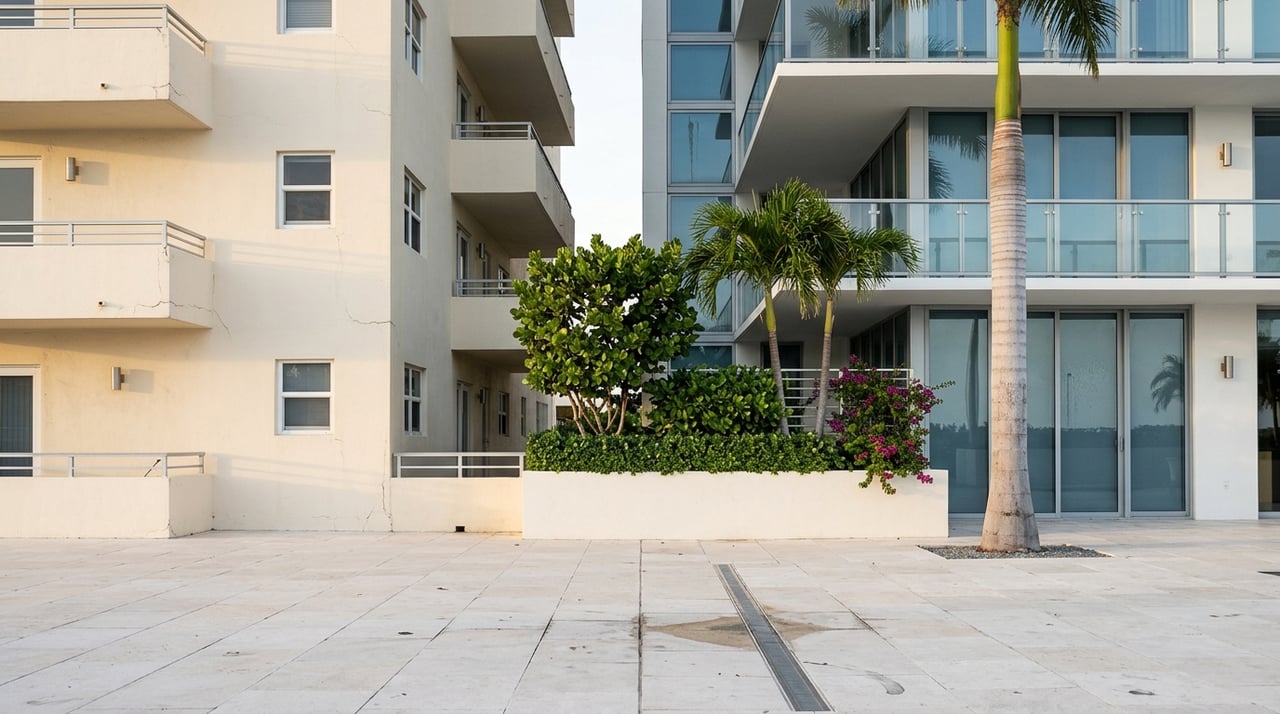
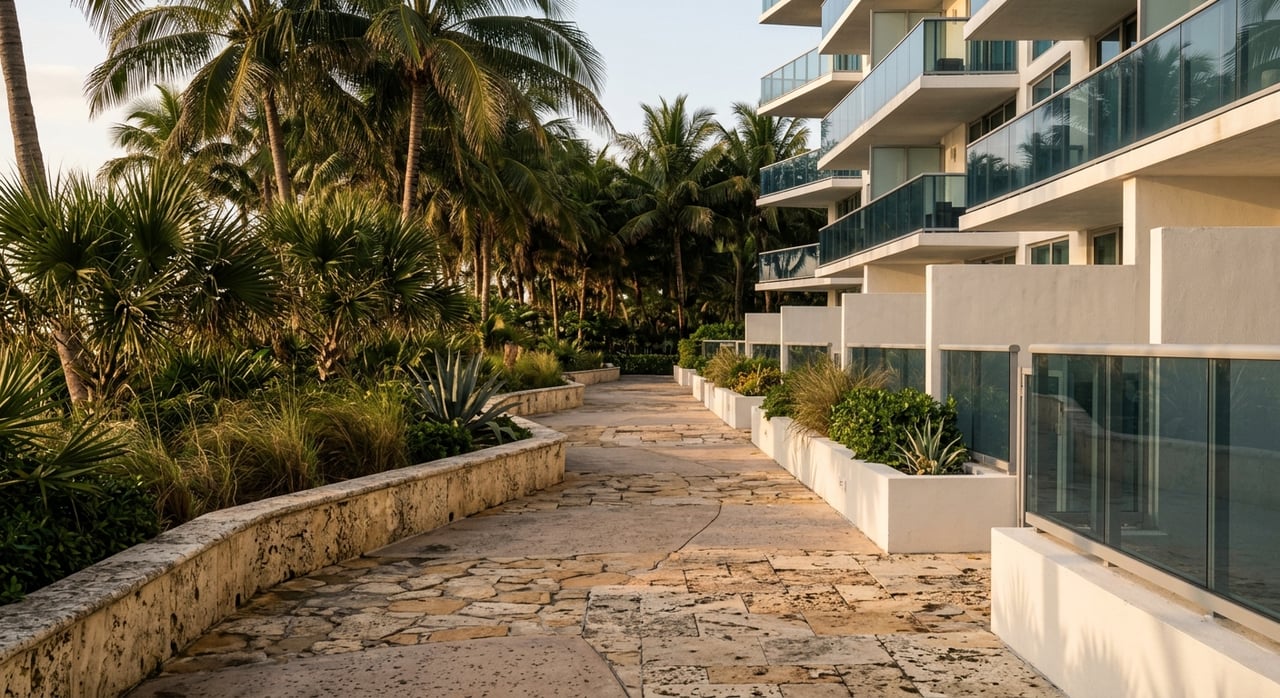
A traditional luxury tower does not need a global brand to compete at a high level. In Sunny Isles Beach, non-branded buildings can still offer standout architecture, direct oceanfront living, and strong amenity programs. The difference is often less about luxury and more about the operating model behind it.
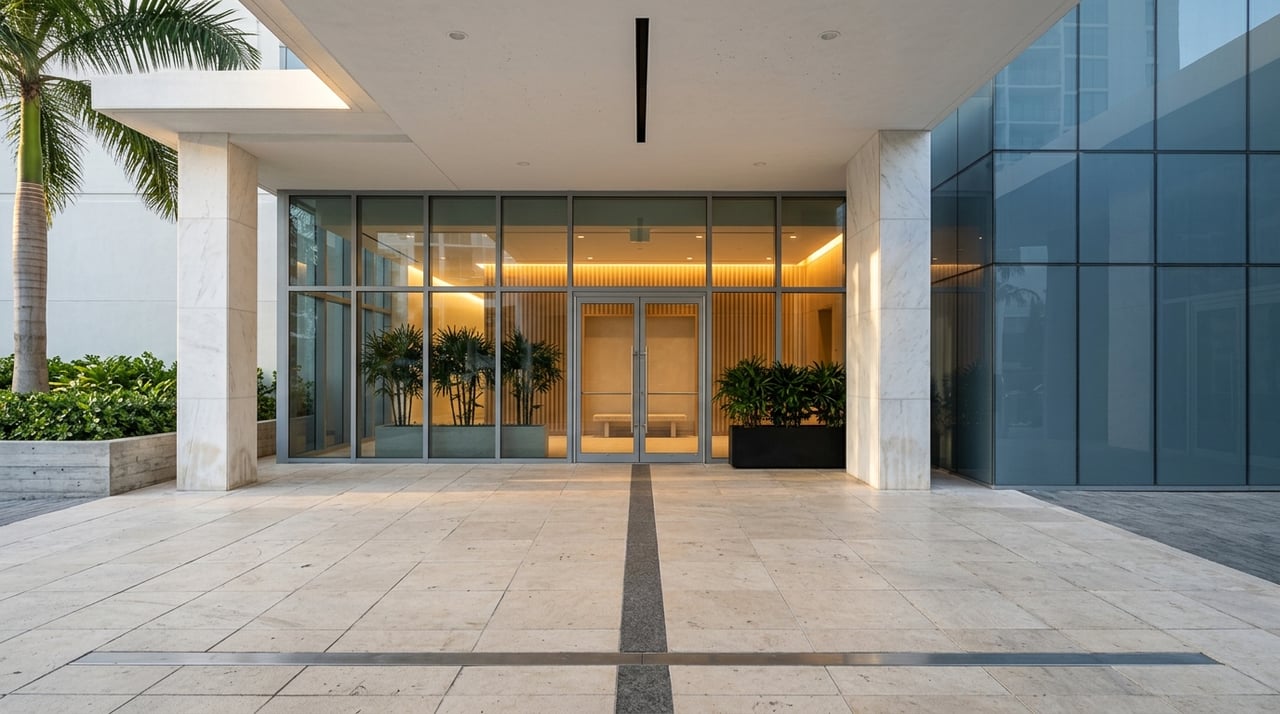
Jade Signature is a useful example. It is a 57-story, 192-unit residential tower with 300 feet of oceanfront, created by Herzog & de Meuron with interiors by Pierre-Yves Rochon. Its identity is centered on design, setting, and the connection between the lobby, pool, and beach, rather than on a hotel or fashion label.
Daily life: service versus residential feel
One of the clearest differences between branded and traditional towers is how daily life may feel once you own the unit. Branded residences often promise a hospitality-style experience with services such as valet, concierge, beach service, spa and wellness access, dining coordination, reservation assistance, and in some buildings, butler or car-related services. That can create a very turnkey ownership experience.
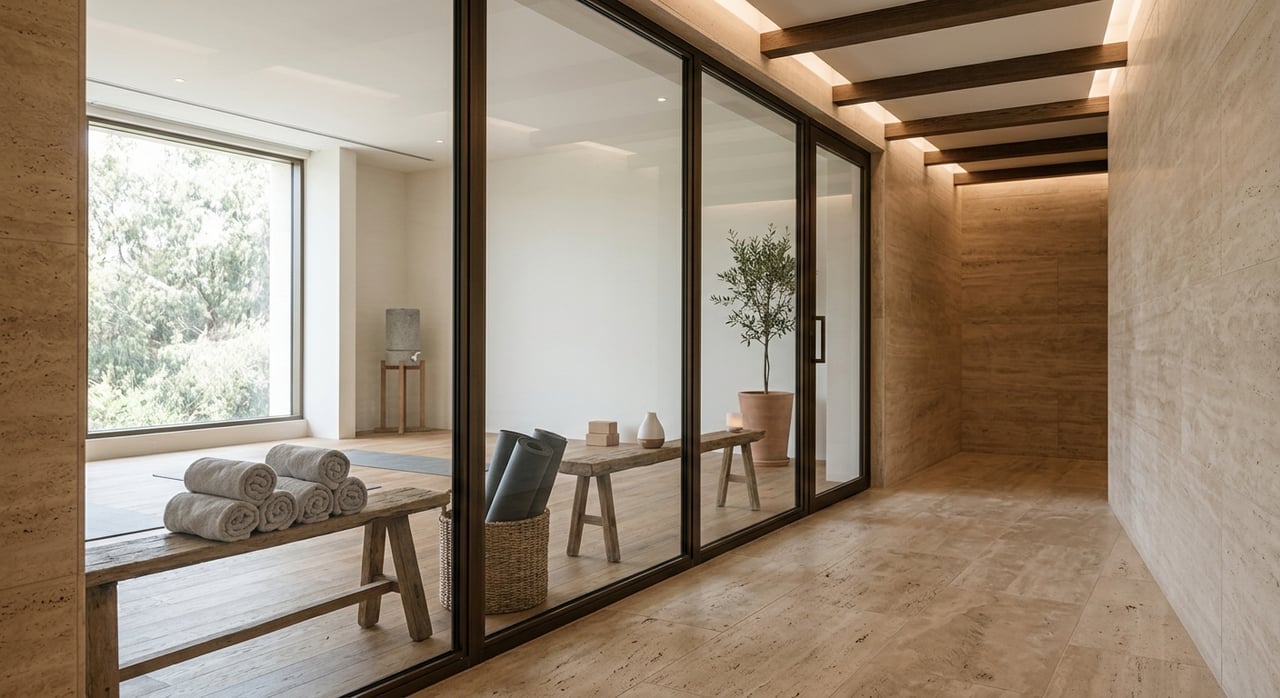
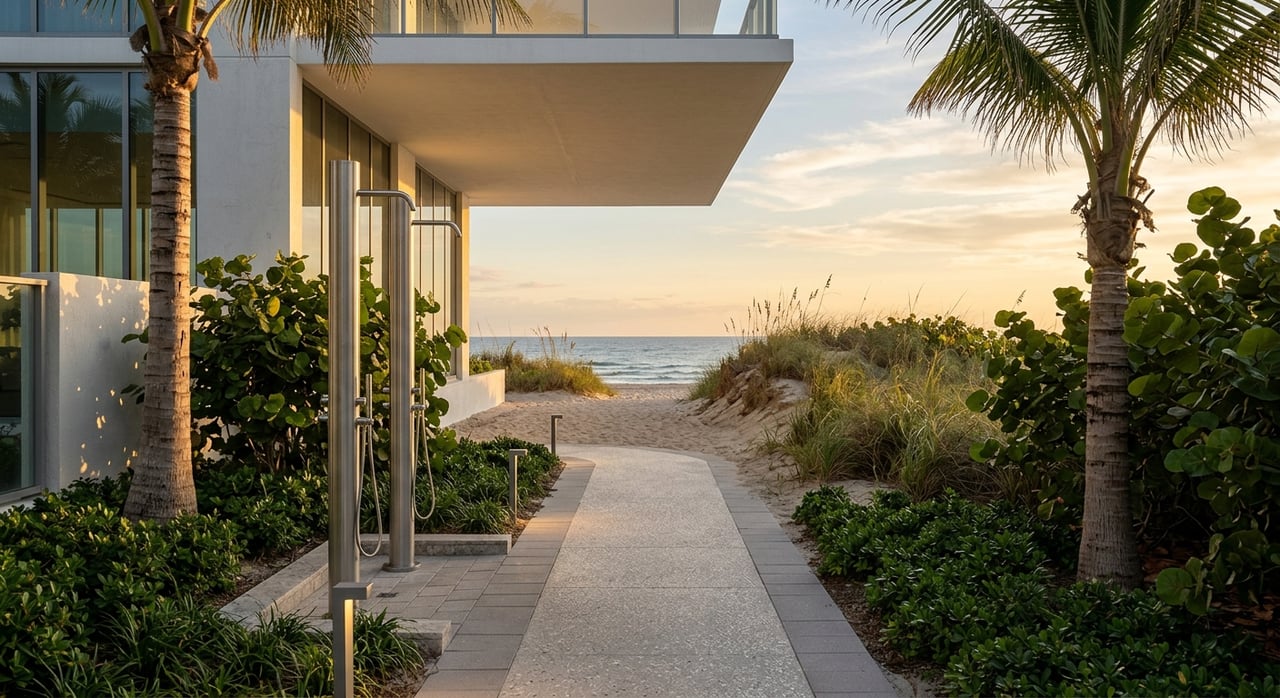
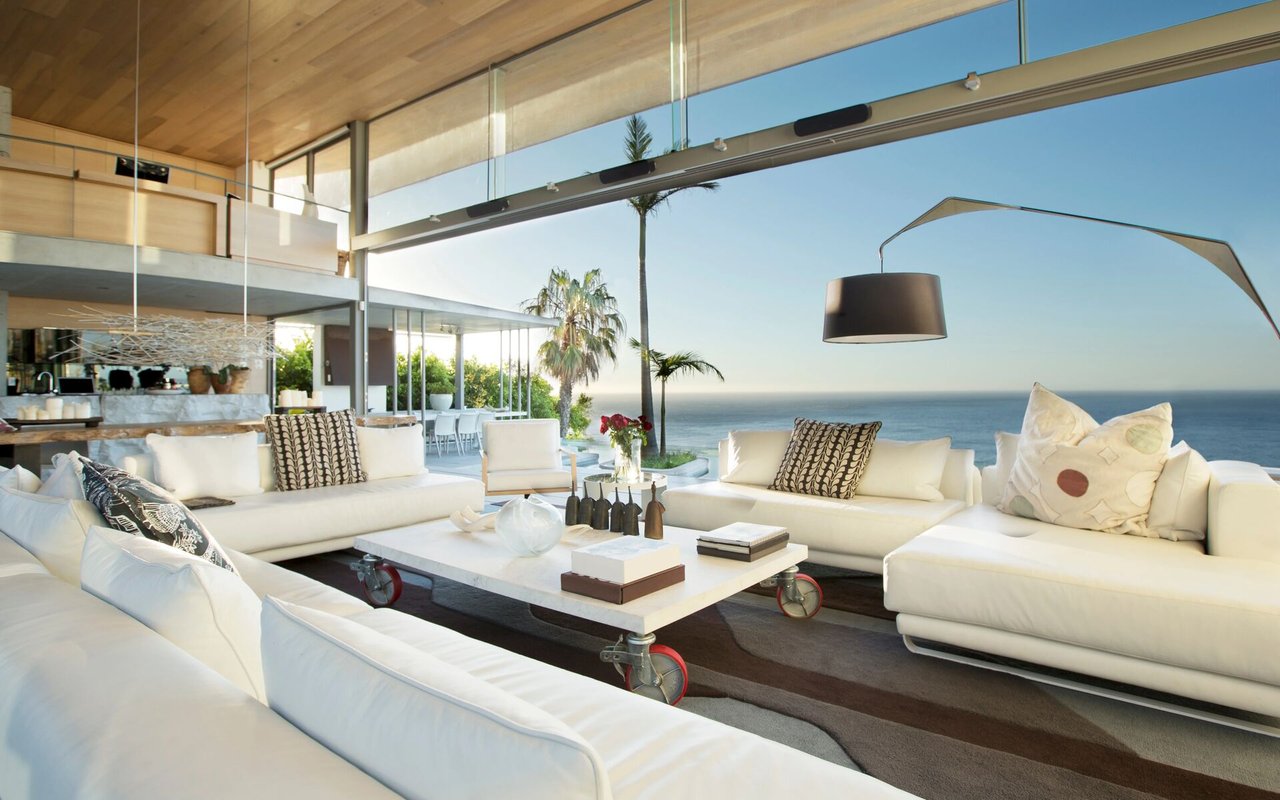
Traditional luxury towers can still offer premium amenities, including private beach clubs, fitness spaces, club rooms, and direct beach access. However, those services are more likely to be organized by the condominium itself rather than by a globally recognized hospitality or design operator. For some buyers, that creates a more private and residential atmosphere.
For out-of-town owners, a branded building may feel easier to step into because the service standards are part of the appeal. For buyers who care most about architecture, privacy, or a quieter ownership rhythm, a non-branded luxury tower may be the better match. The key is not assuming one format is universally better, because service levels can vary significantly from building to building.
Costs to review before you choose
Luxury living in Sunny Isles Beach comes with more than a purchase price. Whether you buy branded or non-branded, you should review the building’s financial structure carefully, especially in Florida’s high-rise condominium environment.
Under Florida condominium law, associations that must obtain a structural integrity reserve study are required to fund reserves for core items such as the roof, structure, fireproofing, plumbing, electrical systems, waterproofing, and windows or exterior doors. For budgets adopted on or after December 31, 2024, owners in unit-owner-controlled associations generally may not waive or underfund required reserves for those items.
That matters because reserve funding can affect your monthly carrying costs and the likelihood of future special assessments. Florida law allows reserve funding through regular assessments, special assessments, lines of credit, or loans, with majority-owner approval required for alternatives such as credit lines or loans. Before buying, ask how much the association is collecting, how reserves are being funded, and whether any large projects are already planned.
In a branded residence, you may also see additional costs beyond standard HOA dues. Savills notes that owner fees can include trademark-license, management, and service charges in addition to normal condominium costs. That does not make a branded tower a poor choice, but it does mean you should understand exactly what is included and what is extra.
Florida inspections matter in high-rises
In Sunny Isles Beach, tower age and inspection status should be part of your evaluation. Florida requires milestone inspections for buildings that are three habitable stories or more and subject to condominium or co-op ownership. These inspections are required by age 30 and every 10 years after that, and in coastal circumstances, local enforcement may require them at age 25.
Because Sunny Isles Beach is a coastal high-rise market, this is especially important. You should ask whether the building has completed its milestone inspection process, whether repairs were identified, and whether funding has already been approved. A beautiful lobby and strong amenity package do not replace the need to understand the building’s physical and financial condition.
Rental plans need a closer look
If your purchase strategy includes income potential, do not assume that oceanfront demand alone determines rental flexibility. In Sunny Isles Beach, short-term rental rules involve city requirements, state and county registrations, and the condominium’s own governing documents. Your intended use should be matched to the building before you go under contract.
The city defines a short-term vacation rental as a condo or apartment rented for six months or less. It requires a Short-Term Vacation Rental License and Local Business Tax Receipt, along with state and county registrations related to transient lodging and tax collection. The city does not limit how often a unit may be rented, but condominium documents and leases may impose stricter rules.
Owners also need written condominium association consent or bylaws allowing the use, cannot rely on secondary subletting, and must maintain a responsible party available 24 hours a day, 7 days a week. That means rental potential depends on more than location and branding. You need to confirm the declaration, bylaws, minimum lease term, association consent rules, and your willingness to manage licensing, taxes, compliance, and local-contact duties.
Does a brand create resale value?
A well-known brand can influence buyer interest, but it should not be viewed in isolation. Savills found an average branded-residence premium of 30% in a sample of markets, though that premium varies widely by location, brand, and project. Knight Frank also notes that in cities such as Miami, where branded residences are now common, the brand premium can become diluted.
In other words, the brand may help, but it is not always the main value driver. Architecture, view corridors, scarcity, building quality, service consistency, and overall market perception can all matter just as much. In some projects, the name leads the story. In others, the building itself does the heavy lifting.
Questions to ask before buying
When you compare branded residences and traditional towers in Sunny Isles Beach, these questions can help you get clarity:
Service and management
- Who manages the building day to day: the condo association, a hotel operator, or a branded management team?
- Which services are included in the budget, such as valet, beach service, concierge, dining coordination, spa access, or car-related services?
Fees and carrying costs
- What is the monthly HOA amount?
- How much is being set aside for reserves?
- Are there any current or anticipated special assessments?
- If the residence is branded, are there added management, service, or trademark-related charges?
Rental strategy
- What is the minimum lease term in the condominium documents?
- Is short-term rental allowed at all?
- What city, state, county, and association approvals are required?
- If there is a managed-rental program, does it come with furniture or FF&E requirements?
Building condition and future planning
- Has the building completed its milestone inspection?
- Were repairs identified or funded?
- Are reserve requirements being fully addressed under current Florida law?
Which option fits your goals?
For many buyers, this is not really a debate about prestige. It is a decision about how you plan to use the property and how hands-on or hands-off you want ownership to feel. A branded residence may fit you best if you want a highly serviced second home, recognizable hospitality standards, and a more turnkey experience.
A traditional luxury tower may fit better if you care most about architectural pedigree, a more residential environment, or a quieter ownership model. Neither path is automatically better. The right choice depends on your lifestyle, your cost tolerance, your rental plans, and the building’s actual documents and financials.
If you are comparing Sunny Isles Beach towers and want a concierge-level, bilingual perspective on branded residences, luxury resales, or investor-focused ownership strategy, The Ana Vega Group can help you evaluate the details with clarity and confidence.
FAQs
What is a branded residence in Sunny Isles Beach?
- A branded residence is a home sold on the open market that is affiliated with a well-known brand through design, service, or both.
How do traditional towers differ from branded residences in Sunny Isles Beach?
- Traditional towers can still be highly luxurious, but their identity is usually built around architecture, location, and condominium-managed amenities rather than a global hotel, fashion, or automotive brand.
Are branded residences in Sunny Isles Beach more expensive to own?
- They can be, because owner costs may include standard HOA dues plus added management, service, or trademark-related charges depending on the project.
Can you rent out a Sunny Isles Beach condo short term?
- Possibly, but you must review the city’s licensing and tax requirements along with the condominium documents, association consent rules, and minimum lease terms.
Why do Florida reserve and inspection rules matter for Sunny Isles Beach buyers?
- They can affect monthly costs, special assessments, and future repair planning, especially in coastal high-rise buildings subject to reserve funding and milestone inspection requirements.
Is a branded condo in Sunny Isles Beach always better for resale?
- Not always. A brand can support market appeal, but resale value can also depend heavily on architecture, views, scarcity, service quality, and overall market perception.