If you want a South Florida address that feels polished, established, and easy to enjoy day to day, Coral Gables stands out quickly. You are not just looking at a place with beautiful streets and well-known landmarks. You are looking at a city with a clear identity, a walkable core, and a lifestyle that blends historic character with modern convenience. Let’s take a closer look at what living in Coral Gables can actually feel like.
Why Coral Gables Feels Different
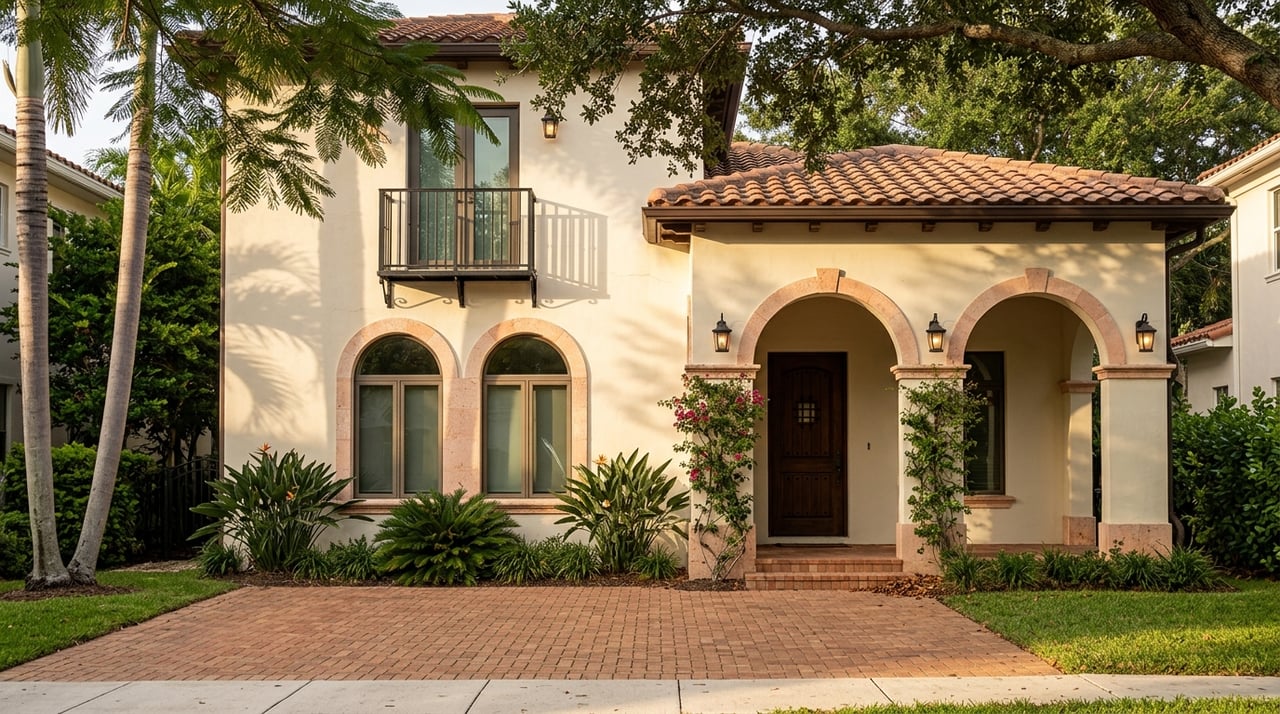
Coral Gables was founded by George Merrick in 1921 and incorporated in 1925. From the beginning, it was shaped around a City Beautiful and Garden City vision, with broad tree-lined avenues, civic landmarks, and a carefully planned visual character. That original planning still shows up in the way the city looks and feels today.
This is one reason Coral Gables often feels more cohesive than many surrounding areas. The city has more than 1,000 properties on the Coral Gables Register of Historic Places, which helps preserve its architectural identity and sense of continuity. Instead of feeling pieced together over time, it reads as intentional.
Historic Charm Without Feeling Stuck
One of the biggest draws of Coral Gables is that its history is visible, but not frozen. The city actively protects historic structures, sites, and landscapes through its Historic Preservation division. At the same time, it continues to invest in current cultural life through its Art in Public Places program.
That balance matters when you are choosing where to live. You can enjoy older architecture, landmark buildings, and established streetscapes while still feeling connected to a living, evolving city. Coral Gables offers heritage with relevance, not just nostalgia.
Tree Canopy and Green Space Shape Daily Life
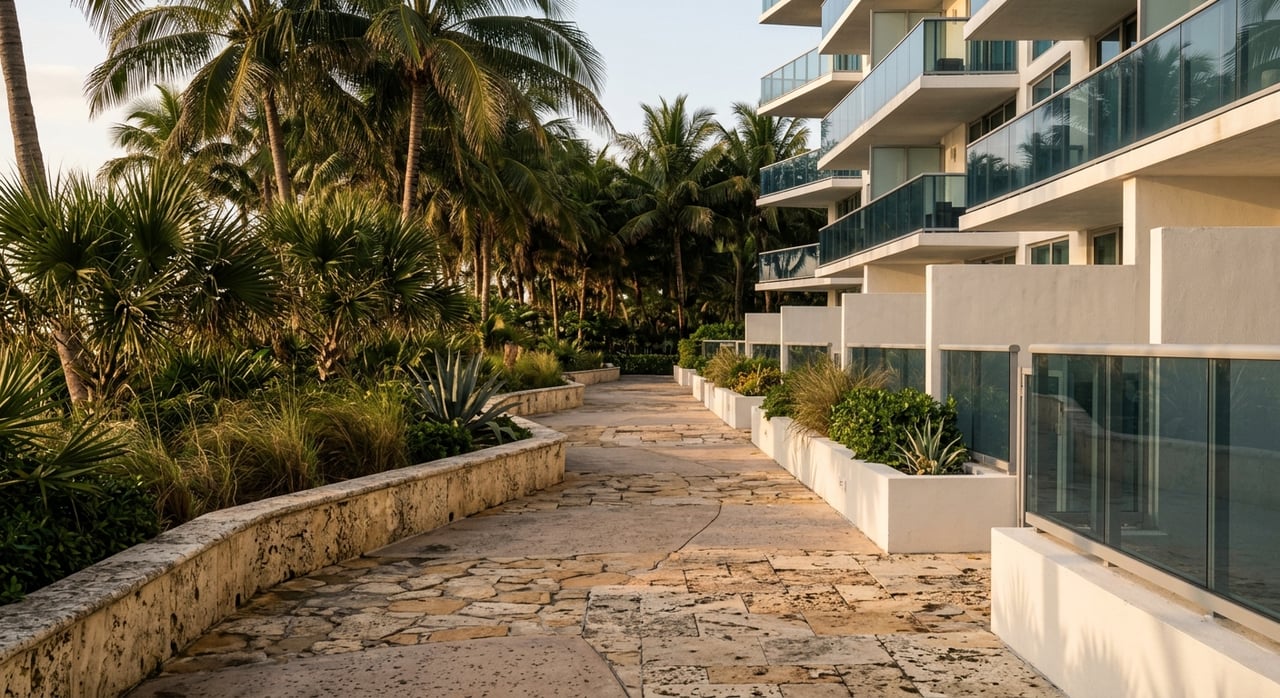
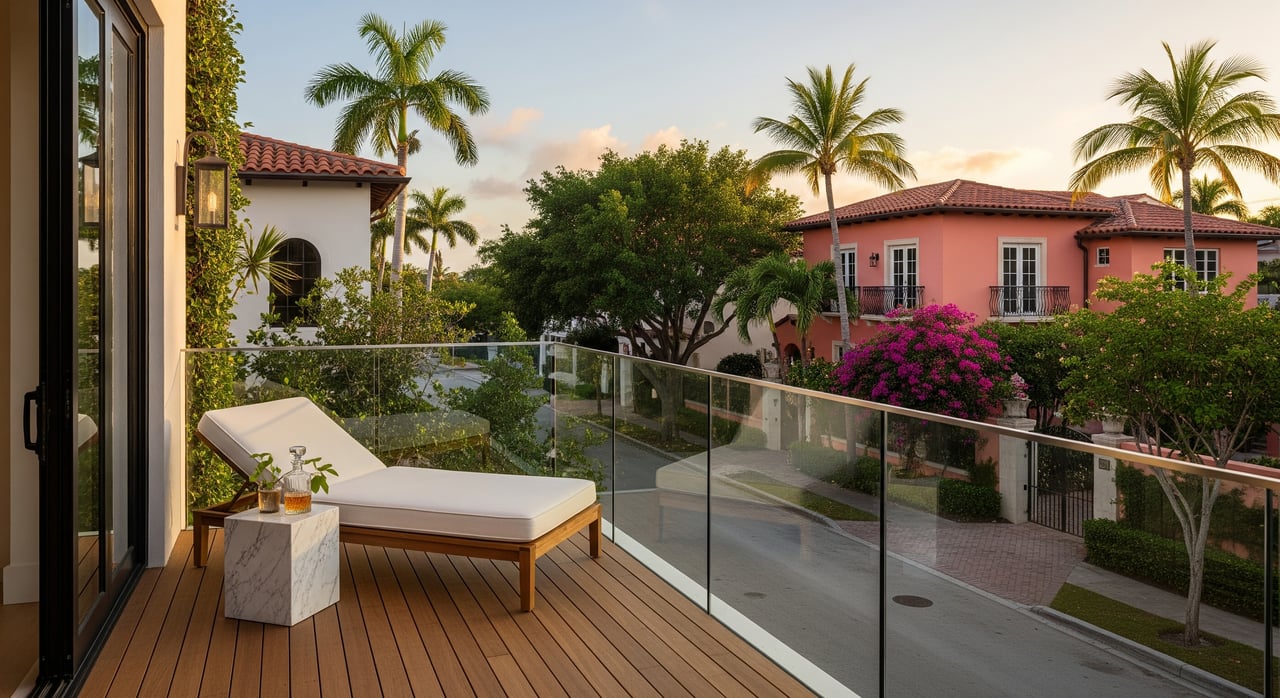
Coral Gables is known for its lush look, and that is not just a marketing image. The city says it has more than 41% tree coverage and has been recognized as a Tree City USA since 1985. Southern live oaks account for about 25% of the urban canopy, helping define the city’s signature shaded streets.
The public green space network adds to that experience. Coral Gables offers more than 60 parks and open spaces, which supports an outdoor lifestyle and reinforces the garden-like feel of many streets and residential areas. If you value scenery, shade, and a more relaxed visual pace, this is a meaningful part of daily living.
Downtown Coral Gables Brings Everyday Convenience
For many residents, the heart of local activity is downtown Coral Gables. Miracle Mile, located on Coral Way between LeJeune Road and Douglas Road, is the city’s best-known commercial corridor and part of the Central Business District. It brings together shopping, dining, and steady foot traffic in a compact, recognizable stretch.
The city describes Miracle Mile as home to more than 120 international restaurants. That gives you a wide range of options for casual meals, business lunches, coffee meetings, and evenings out without having to leave the neighborhood. It is one of the clearest examples of how Coral Gables combines charm with practical convenience.
Giralda Plaza Adds a Social, Walkable Feel
Giralda Plaza gives downtown an even more pedestrian-oriented atmosphere. The 100 block of Giralda Avenue reopened in 2017 as a walkway lined with restaurants, bars, and coffee shops with indoor and outdoor seating. The city also programs the space with events and overhead art installations.
For you as a resident, that means downtown can feel active without feeling overwhelming. It is easy to picture an afternoon coffee, a dinner reservation, or a relaxed evening stroll all happening within the same area. That kind of compact convenience is a major part of Coral Gables living.
Merrick Park Expands Retail Options
If you want a more polished open-air retail setting, the Shops at Merrick Park add another layer. The city describes it as a luxury open-air shopping mall in the heart of Coral Gables, anchored by Neiman Marcus and Nordstrom and supported by more than 100 retail and dining options.
This gives the city two distinct commercial experiences. You have the smaller-scale, street-facing energy of downtown, and you also have a refined shopping environment designed around convenience and variety. Together, they make daily errands and lifestyle shopping feel easy to manage close to home.
A City With Cultural Depth
Coral Gables is not only attractive. It also has strong cultural anchors that give residents more to engage with year-round. The Coral Gables Museum is a great example, celebrating the city’s 1920s planned community while encouraging exploration of architecture, urban design, environmental design, history, and preservation.
The city also promotes Gables Gallery Night on the first Friday of each month, and multiple local galleries contribute to an active arts scene. This helps culture feel woven into everyday life rather than limited to occasional special events. If you enjoy architecture, public art, or design, Coral Gables offers depth beyond surface appeal.
Landmark Destinations Reinforce Identity
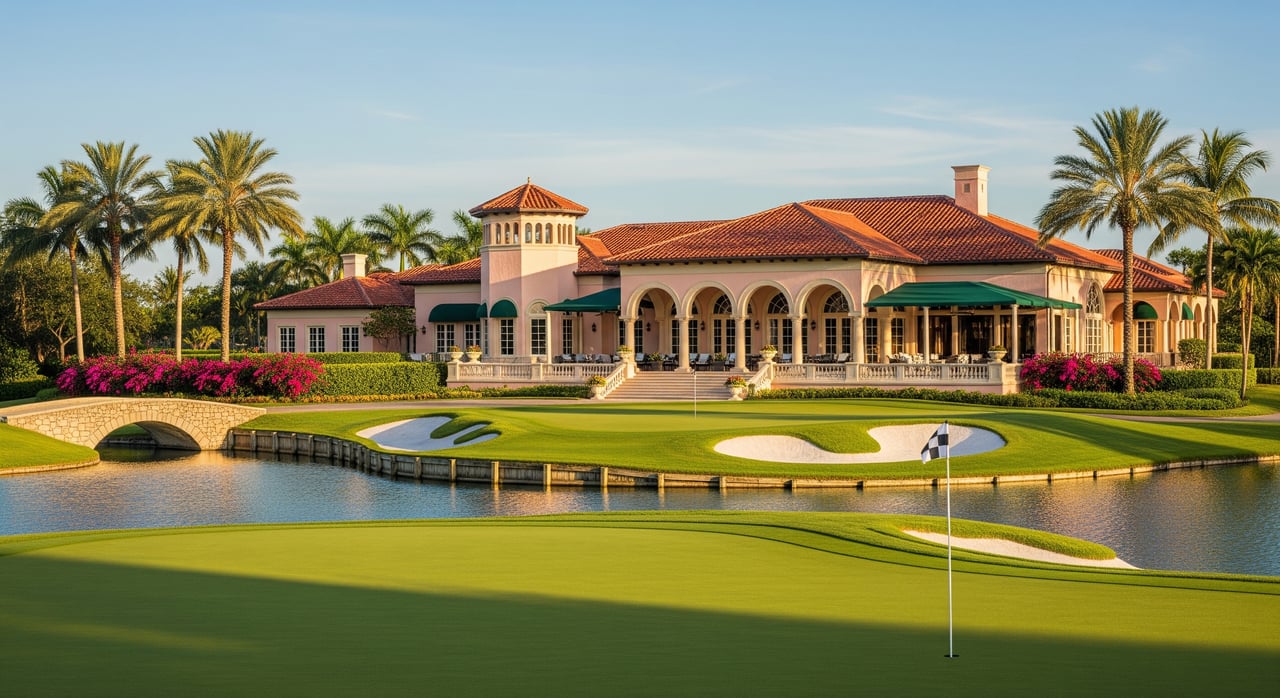
Several major landmarks shape the city’s image and lifestyle. The Biltmore Hotel, opened in 1926, spans more than 150 acres and is known for its Mediterranean architecture, golf, spa, and large pool. Venetian Pool, which opened in 1924, remains one of the city’s signature attractions.
Merrick House on Coral Way adds another direct connection to the city’s origins. Together, these landmarks help explain why parts of Coral Gables feel distinct from the broader Miami area. There is a sense of place here that has been carefully maintained.
Outdoor Living Is Part of the Appeal
Coral Gables also offers meaningful access to recreation and natural beauty. Fairchild Tropical Botanic Garden is an 83-acre garden that opened in 1938, while Matheson Hammock Park is a 630-acre urban park with an artificial atoll pool, marina, trails, and dining facilities.
These destinations help shape the lifestyle in the southern and southwestern parts of the city. In those areas, daily life can feel more garden-oriented and recreation-focused. If your ideal setting includes greenery, trails, and time outdoors, Coral Gables supports that in a very real way.
Nearby Arts and Academic Presence
The Lowe Art Museum on the University of Miami campus adds another cultural dimension nearby. According to the city, it opened in 1952 as the first art museum in South Florida and now holds more than 19,000 objects in its permanent collection.
This nearby academic-cultural layer strengthens Coral Gables’ overall profile. It gives the city a sense of intellectual and artistic activity that complements its historic architecture and refined commercial districts. For many buyers, that adds to the long-term appeal of the area.
How Different Areas Feel Day to Day
One helpful way to understand Coral Gables is by atmosphere rather than strict neighborhood labels. The Miracle Mile and Giralda area feels the most urban and social, with restaurants, galleries, events, and public art concentrated in a compact downtown setting. If you enjoy being near activity, this part of the city may feel especially convenient.
The Biltmore, Merrick House, and Venetian Pool area tends to feel more historic and resort-oriented. Here, the setting leans into landmark architecture and a more classic Coral Gables identity. It often appeals to buyers who want a setting that feels established and visually distinctive.
The Old Cutler, Fairchild, and Matheson corridor feels greener and more recreation-centered. In this part of Coral Gables, the landscape itself becomes a bigger part of everyday life. If you prioritize lush surroundings and outdoor access, this atmosphere may stand out.
Getting Around Coral Gables
Mobility is another reason Coral Gables works well for many residents. The Coral Gables Trolley runs free Monday through Saturday on the Ponce de Leon and Grand Avenue routes. It connects Douglas Metrorail Station with the city core and other transit links, though it does not run on Sundays or certain holidays.
That kind of local circulation can make downtown visits and some errands simpler. You may still use a car often, but the city does offer alternatives for getting into the core. Municipal garages and lots around Aragon, Giralda, Merrick Way, University Drive, and nearby streets also support downtown access.
A Global City With a Residential Feel
Coral Gables has a notably international presence. The city says it is home to more than 20 consulates and foreign government offices and more than 140 multinational corporations. That gives it a globally connected atmosphere that fits naturally within the greater Miami region.
At the same time, it still feels residential and composed. That combination is part of what makes Coral Gables so appealing to local buyers, relocating professionals, and international clients looking for a South Florida base with both prestige and ease. You get access to a major metro area without losing a sense of intentional city living.
Why Coral Gables Continues to Attract Buyers
Coral Gables stands out because it offers more than one lifestyle benefit. You get historic architecture, a mature tree canopy, active dining and shopping corridors, cultural institutions, and meaningful access to parks and outdoor spaces. Few places deliver that mix in such a compact and recognizable setting.
If you are exploring South Florida real estate, Coral Gables deserves a close look for both lifestyle and long-term appeal. For buyers who value beauty, walkability in key districts, and a city with a clear identity, it remains one of the most distinctive options in the Miami area.
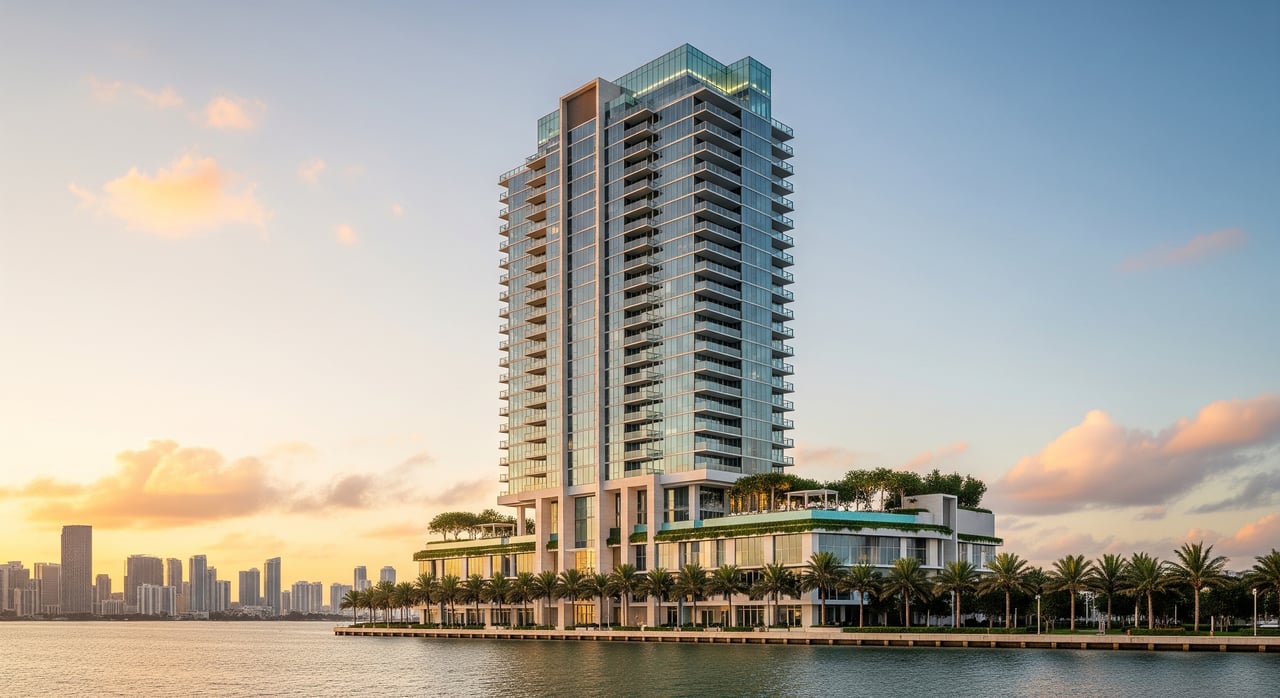
Whether you are searching for a primary residence, a second home, or an investment property in South Florida, working with a trusted local advisor can make the process much more efficient. From luxury resale homes to premier new developments like The Rider Residences, The Ana Vega Group offers a bilingual, concierge-style approach for buyers and sellers who want thoughtful guidance across Miami and beyond.
FAQs
What makes Coral Gables different from other Miami-area communities?
- Coral Gables stands out for its planned 1920s origins, broad tree-lined avenues, more than 1,000 historic properties, active downtown corridors, and strong network of parks and cultural landmarks.
What is downtown Coral Gables like for daily living?
- Downtown Coral Gables centers on Miracle Mile and Giralda Plaza, where you will find restaurants, coffee shops, galleries, events, and a walkable street experience supported by municipal parking.
What outdoor amenities are available in Coral Gables?
- Coral Gables offers more than 60 parks and open spaces, along with major outdoor destinations such as Fairchild Tropical Botanic Garden and Matheson Hammock Park.
How does transportation work in Coral Gables?
- The city offers the free Coral Gables Trolley Monday through Saturday on the Ponce de Leon and Grand Avenue routes, plus a network of downtown garages and lots that support access to the city core.
Is Coral Gables a good fit for international and relocating buyers?
- Coral Gables may appeal to international and relocating buyers because it combines a globally connected business presence with a polished residential setting, cultural institutions, and convenient access within the greater Miami metro area.