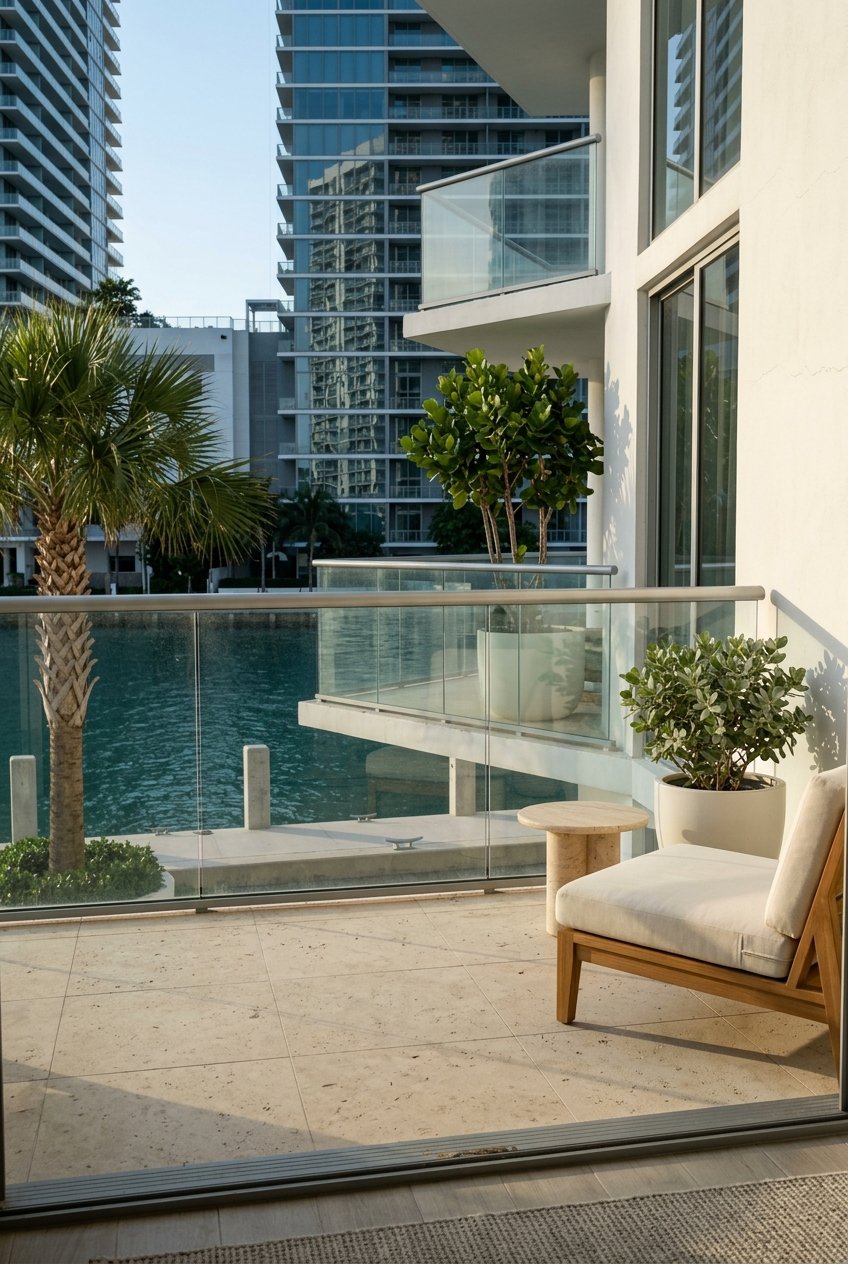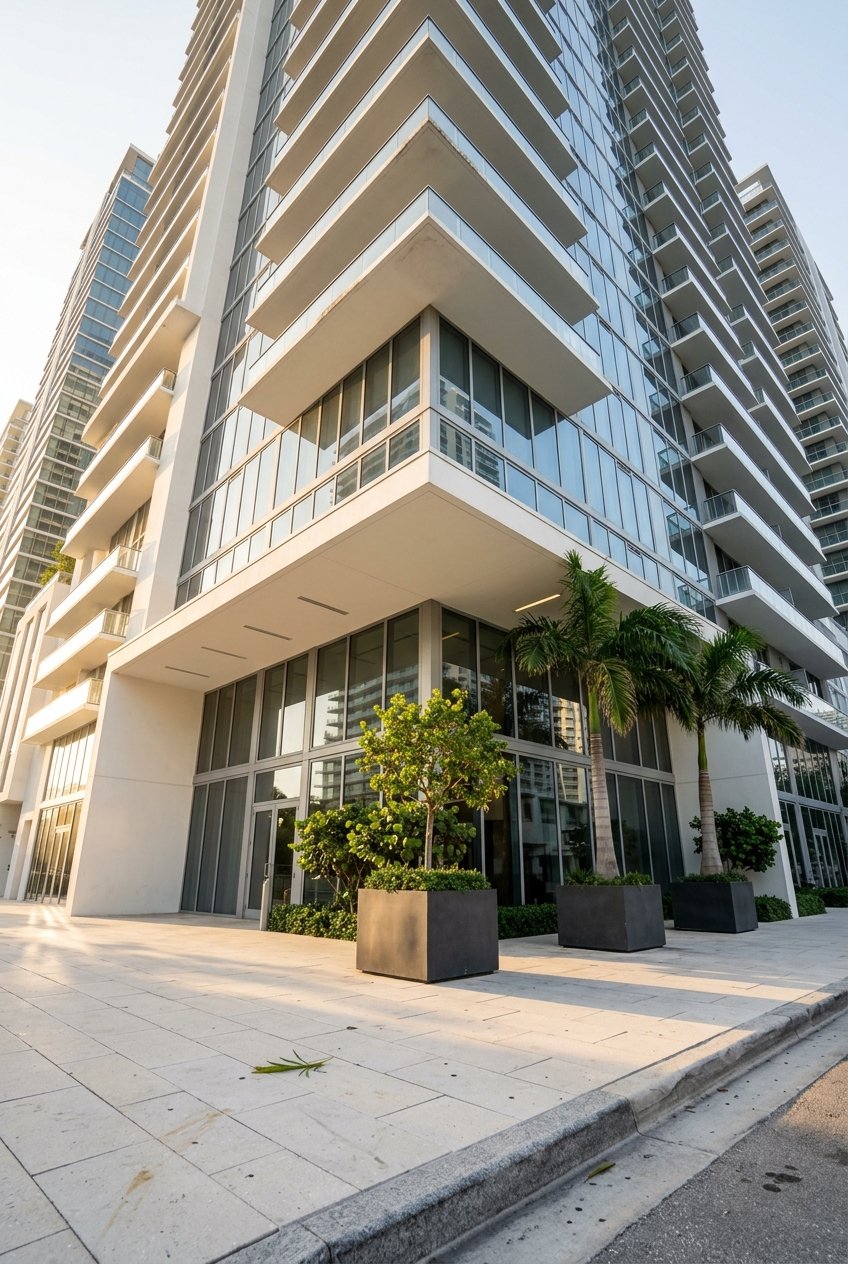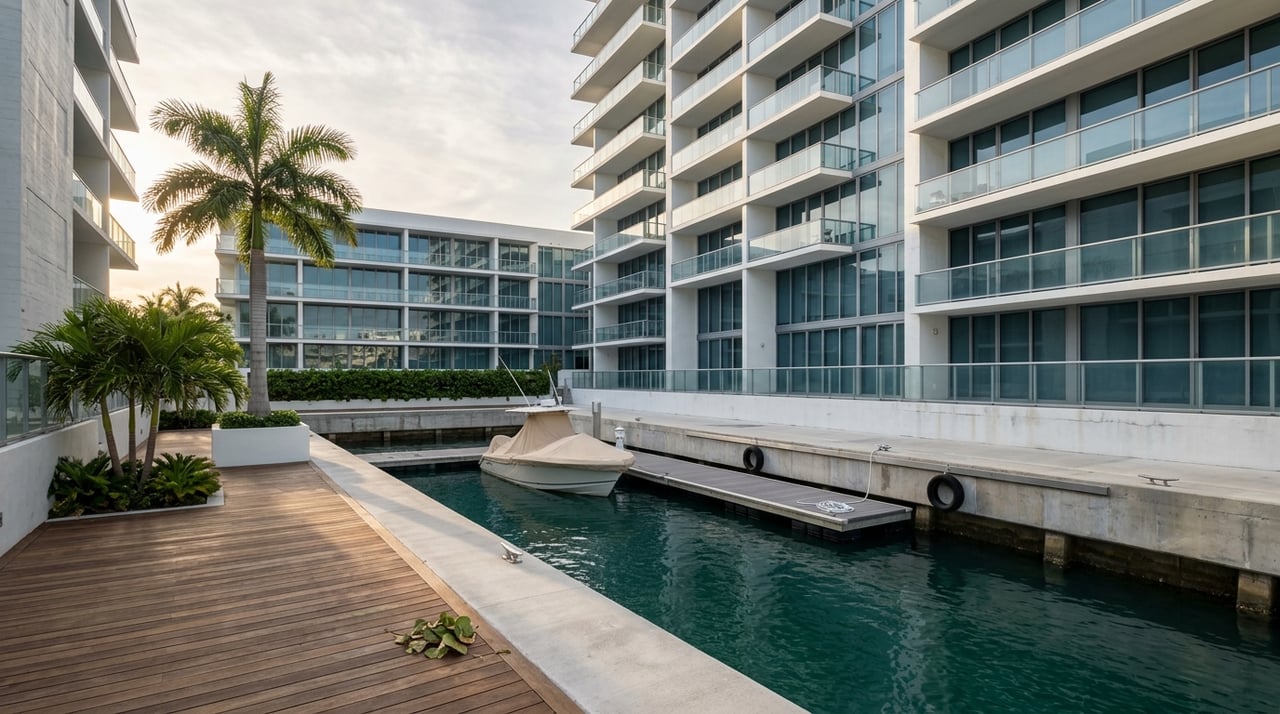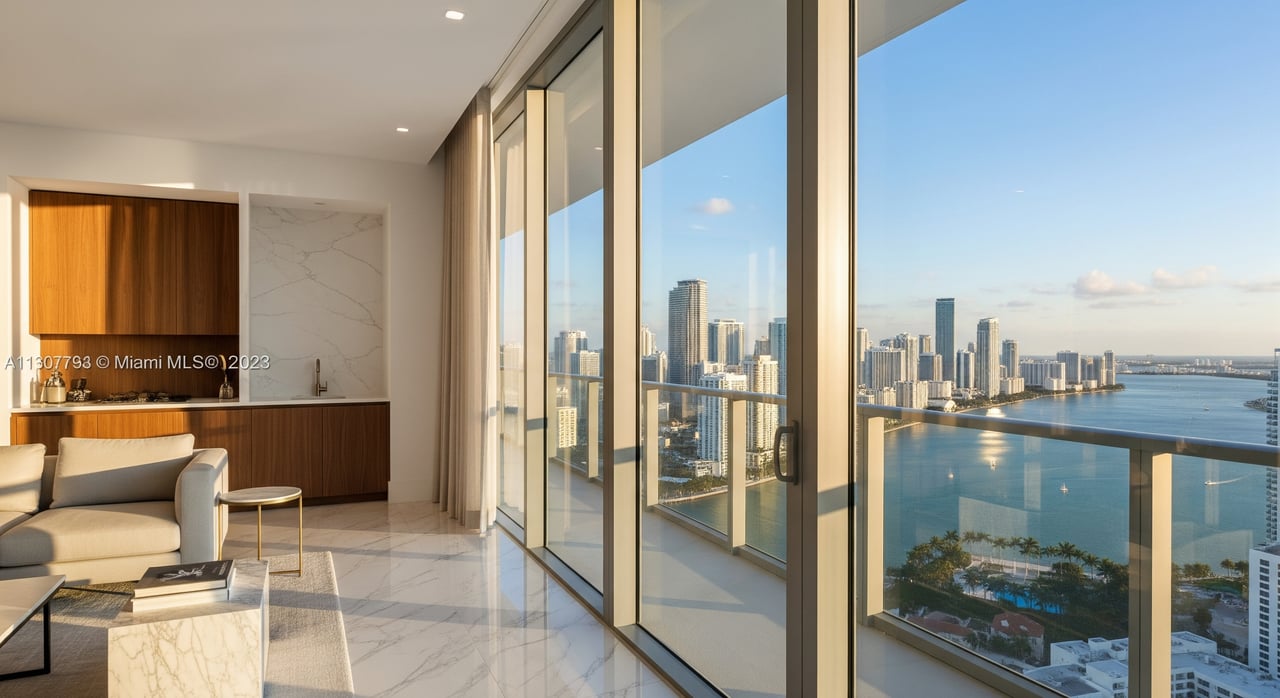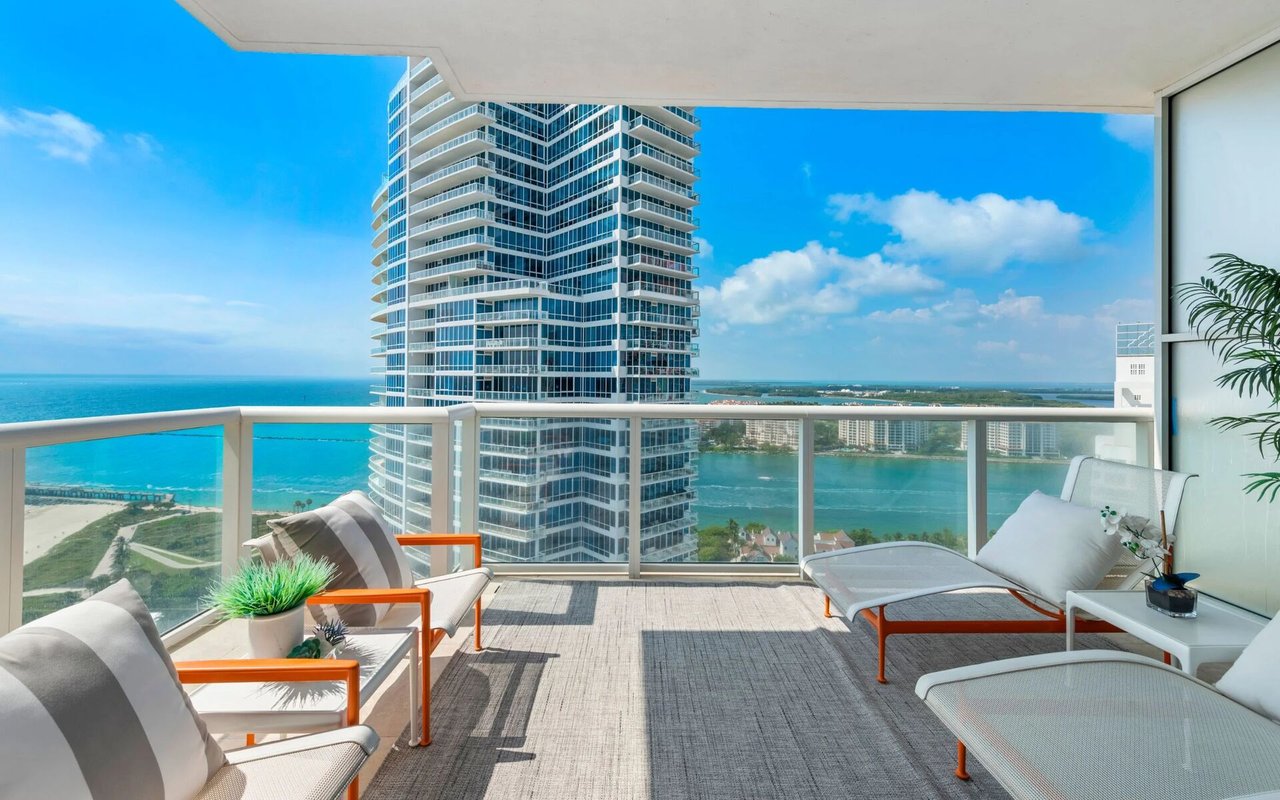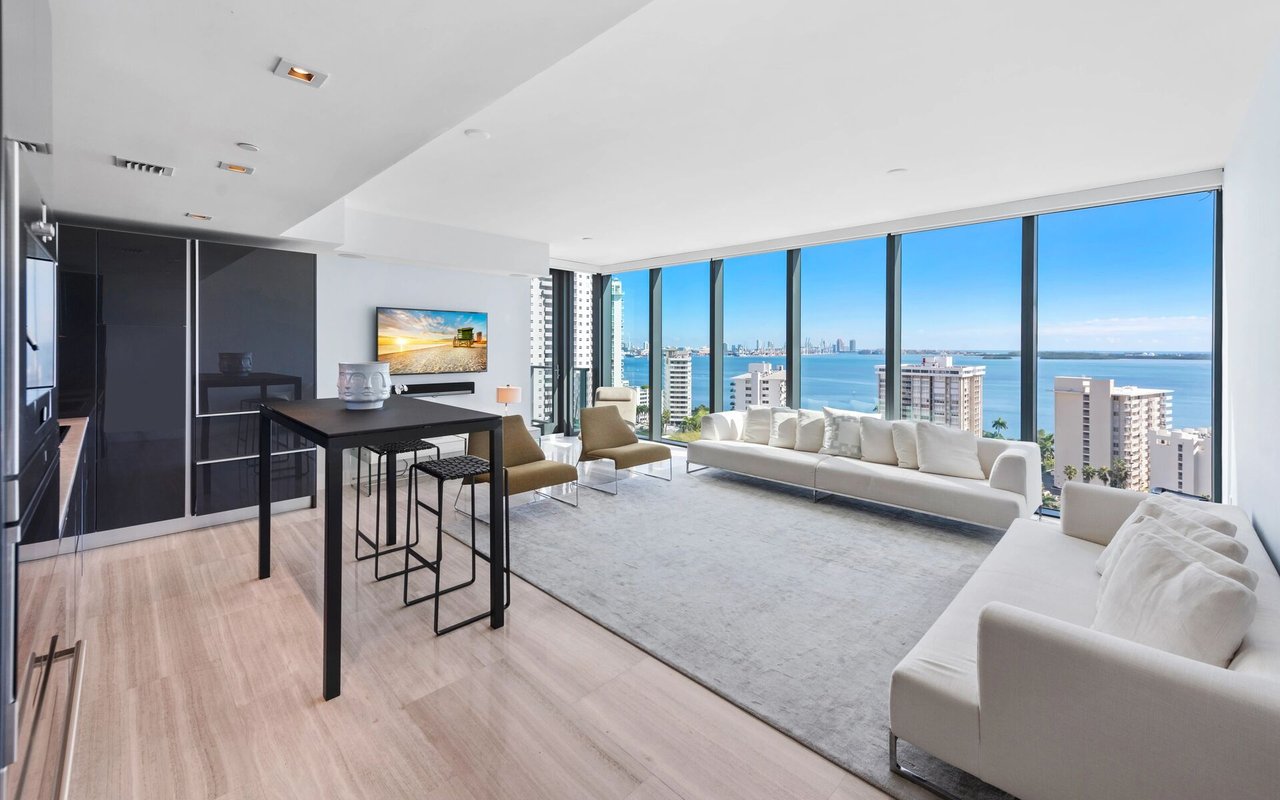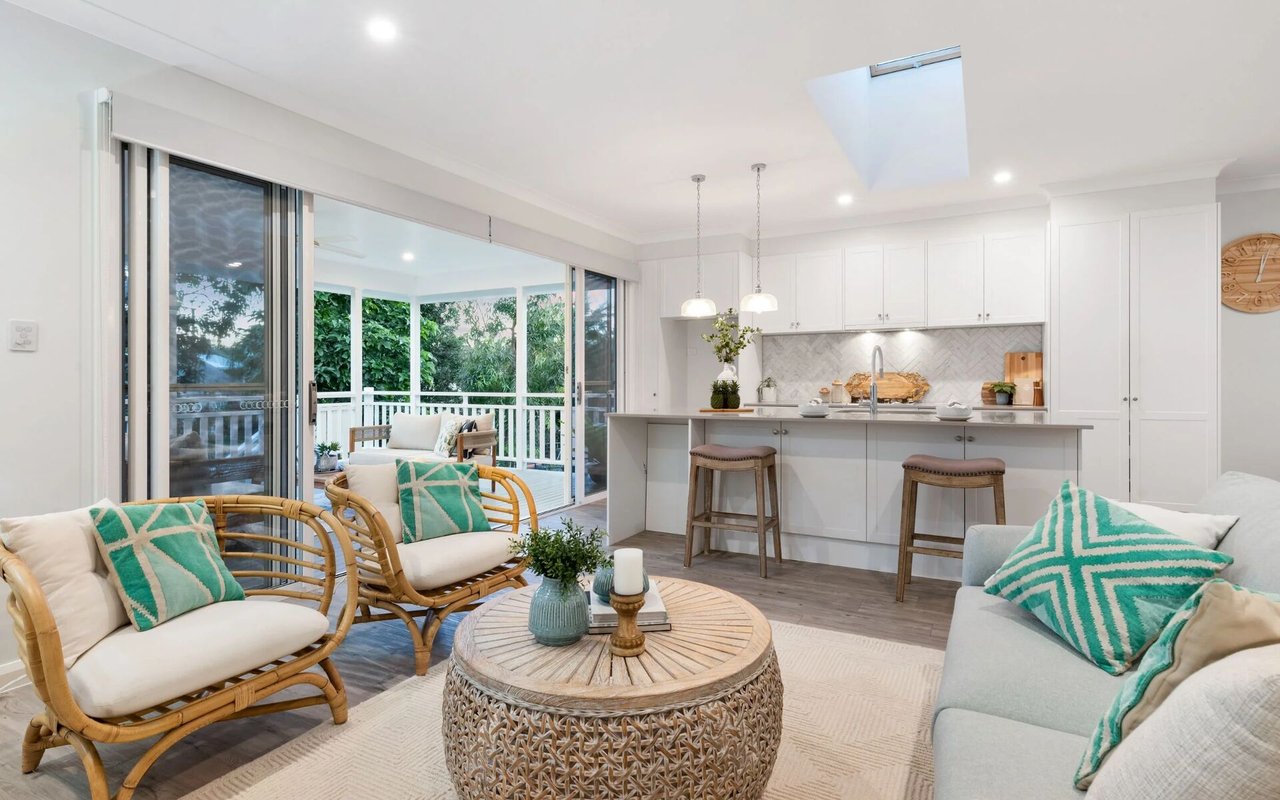
Is a downtown West Palm Beach condo the right move for you this year? If you love walkable blocks, the waterfront vibe along Flagler Drive, and quick access to culture, shopping and dining, it just might be. Still, buying a condo is different from buying a house. You face HOA rules, building finances, insurance realities and lending nuances that can shape both your lifestyle and your returns. This guide helps you plan with confidence, from first tour to closing.
Let’s dive in.
Why buy in Downtown West Palm Beach
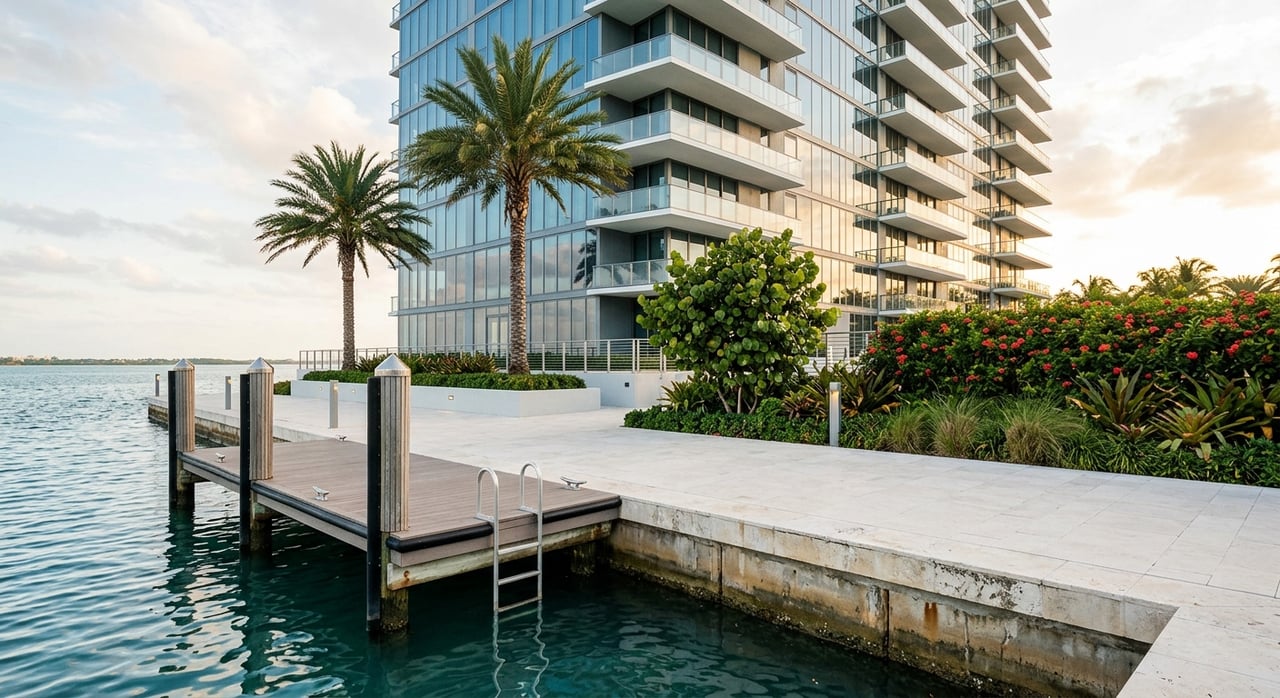
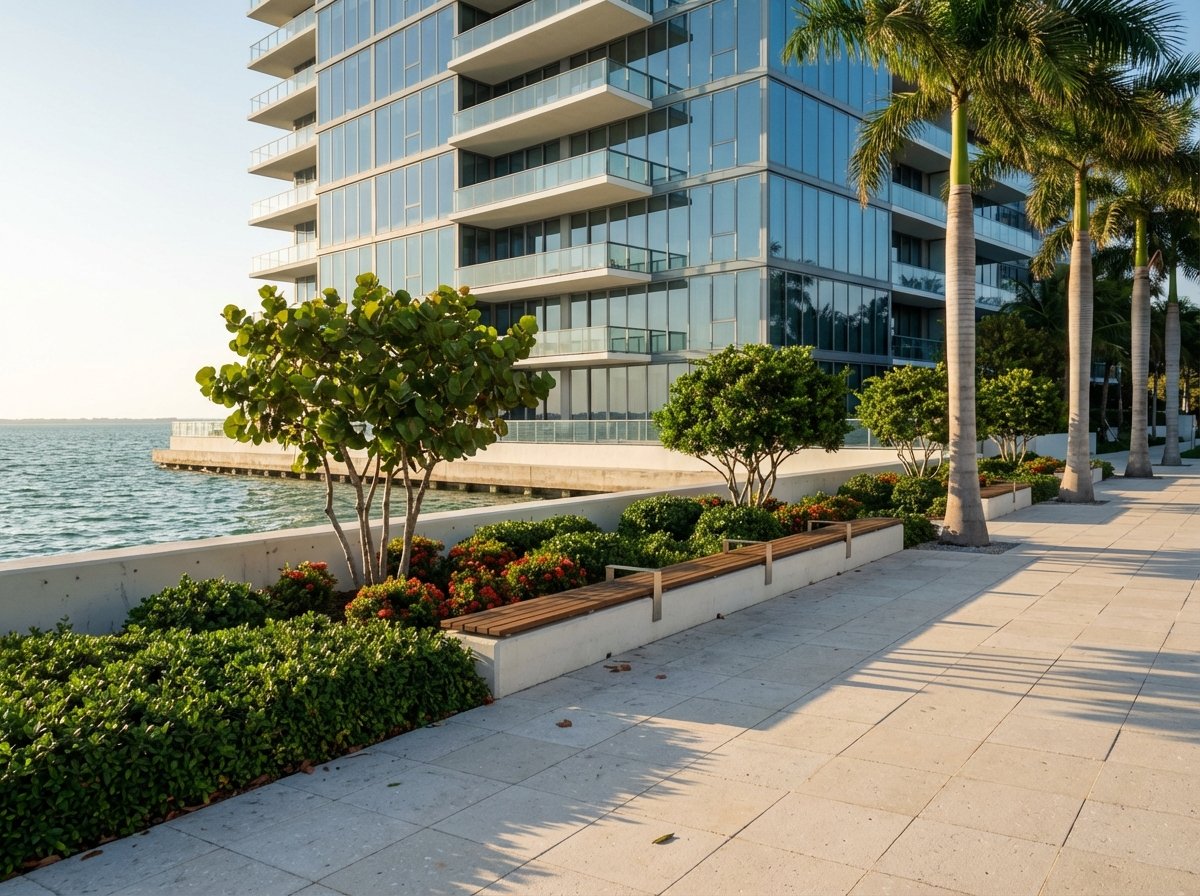
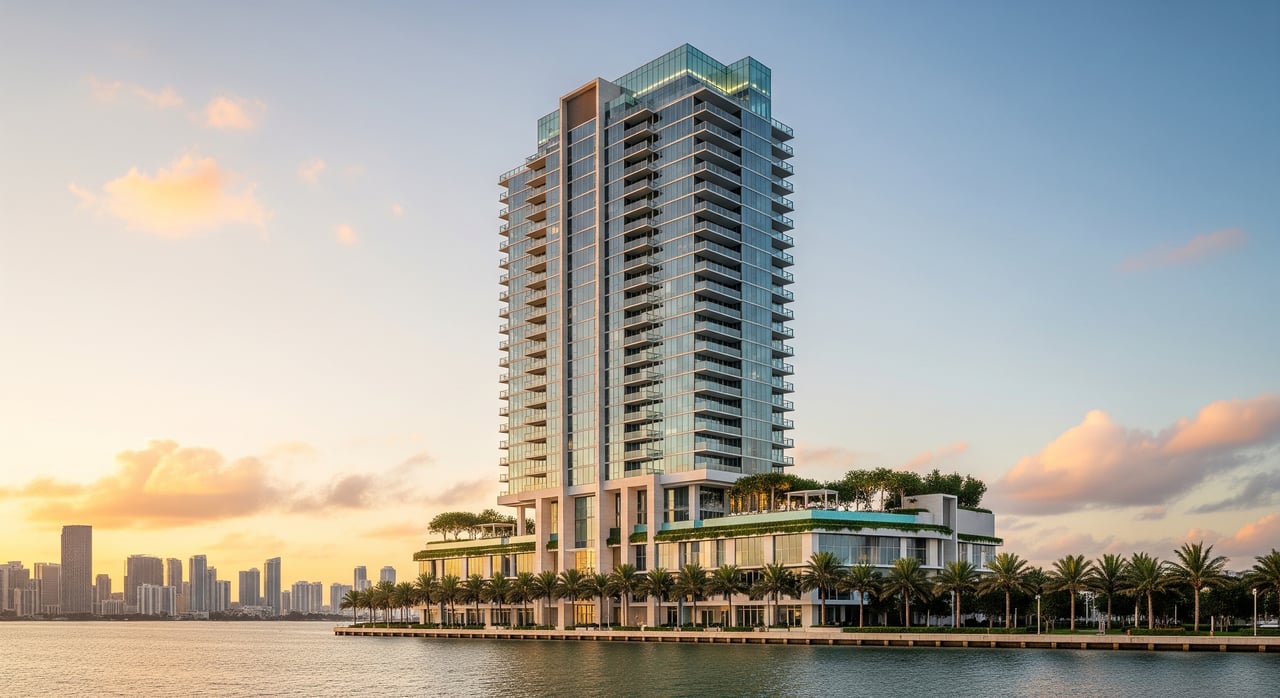
Downtown West Palm Beach blends an urban core with a relaxed coastal feel. You can stroll Clematis Street for dining and nightlife, explore Rosemary Square for shopping and events, and enjoy open-air paths along the Intracoastal on Flagler Drive. The area draws full-time residents, seasonal owners and investors who value lifestyle and convenience.
You also have strong regional access. Brightline connects you to Fort Lauderdale and Miami for business or leisure. I-95 is minutes away, and Palm Beach International Airport makes domestic and international travel simple. Compared with Miami, downtown West Palm Beach feels more approachable while still offering a lively arts and restaurant scene.
What to know about buildings and units
Not all towers are the same. Age, construction and maintenance history can affect your costs and comfort.
- Construction and age: Many downtown buildings are high-rise concrete construction. Ask about façade and balcony conditions, elevator modernization, garage repairs and waterproofing.
- Unit systems: Check HVAC age and service records, plumbing risers and any past leak history. Confirm electrical capacity for modern appliances and EV charging in the garage if applicable.
- Flood risk and elevation: Downtown parcels can sit in FEMA flood zones. Request the building’s elevation information and ask about mitigation features like elevated utilities or on-site pumps.
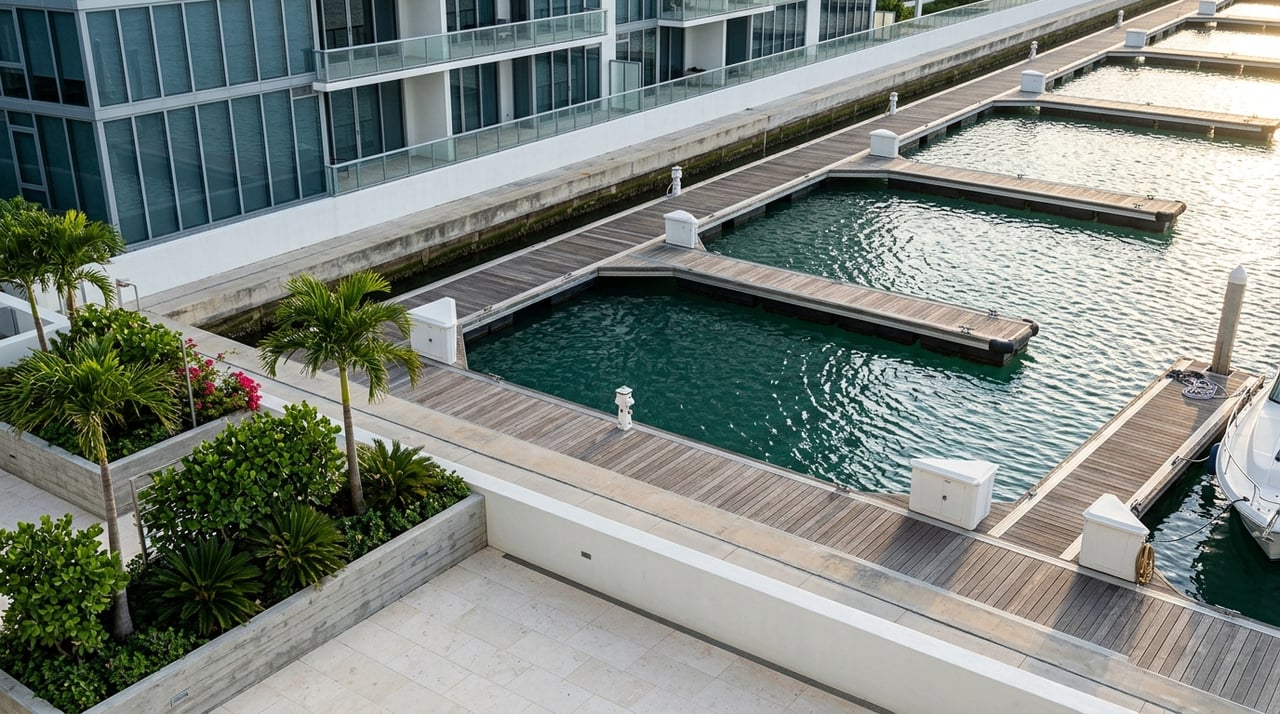
- Parking and storage: Verify whether your space is deeded or assigned, guest parking options, and storage unit rights. If you need bike storage or marina access, confirm the building’s policies.
Lifestyle, amenities, and rules
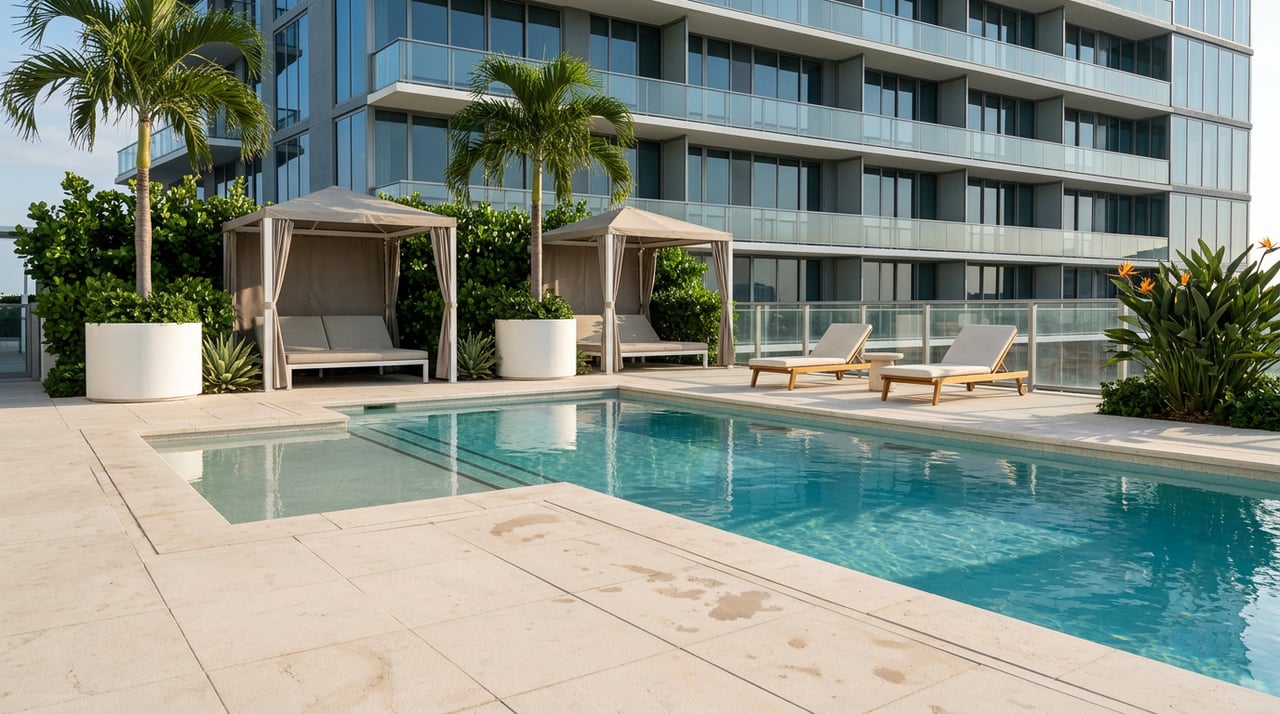
Downtown condos often come with concierge services, 24/7 security, pools, fitness centers, valet and sometimes on-site retail. Higher-service buildings usually carry higher monthly fees. Pet and guest policies vary by building. Some associations allow pets and seasonal rentals, while others limit or prohibit them. If you prefer quiet surroundings, consider your tolerance for nightlife, events and street activity that come with urban living.
Before you fall in love with a building, review the rules. Minimum lease terms, guest stays, move-in hours, and renovation restrictions can influence your plans. If you want to rent seasonally, verify both city requirements and the HOA’s bylaws.
HOA financial health and assessments
A solid association protects your investment. Monthly condo fees typically cover the master insurance policy, common-area upkeep, reserves and amenities. It is important to look closely at the financials.
- Reserves and studies: Ask for the latest reserve study and current reserve balance. Healthy reserves reduce the risk of special assessments.
- Special assessments: Large projects like façade work, roof replacement or garage repairs can trigger special assessments. Request details on any planned or recent assessments and payment options.
- Delinquencies and owner concentration: High delinquency rates or a single owner holding many units can affect lending and budgeting.
- Litigation status: Pending lawsuits involving the association or developer can limit financing and hint at future costs. Request a litigation summary.
Legal essentials in Florida
Florida’s Condominium Act (Chapter 718) sets the framework for how associations operate and what you must receive as a buyer. A resale certificate, often provided with an estoppel letter, will outline monthly dues, reserves, special assessments, insurance coverage and the rules. Review the last 12 to 24 months of meeting minutes for clues about upcoming projects or policy changes.
If you are considering a building that is a conversion or still under developer control, ask about warranties, completion documents and turnover. For potential short-term rentals, verify the City of West Palm Beach requirements and bed-tax compliance, then confirm that the building actually allows it. HOA bylaws can be more restrictive than city rules.
Financing a condo in this market
Condo lending has project-level requirements that go beyond your income and credit. Some lenders require certain reserve levels, owner-occupancy ratios and clean litigation history. If you plan to use FHA or VA financing, the building may need project approval. Down payments for investors or buildings with lending concerns can be higher than for single-family homes.
Appraisals focus on true comparable sales within similar buildings. Investor-heavy towers or small projects may see more appraisal scrutiny. Work with a lender experienced in downtown West Palm Beach condos to avoid surprises late in the process.
Insurance and climate risk
In Florida, insurance is a major line item. Associations carry a master policy, but coverage scope varies:
- Bare walls: Covers common elements but not your unit interior finishes.
- Single entity or all in: Extends some coverage to unit interiors.
Know where the master policy stops so you can right-size your HO-6 policy. Consider contents coverage, improvements and betterments, and loss assessment coverage in case the association levies an assessment related to an insured loss.
Hurricane and windstorm deductibles can be significant. Flood insurance may be required if the building sits in a FEMA flood zone. Florida has seen rising insurance costs and tighter markets, so get quotes early from a broker who handles condo master policies and unit coverage in Palm Beach County.
True monthly carrying costs
Your monthly and annual costs can vary by building and unit. Budget for:
- Monthly HOA fee that covers master insurance, maintenance and reserves
- Property taxes based on Palm Beach County millage rates; homestead exemption may apply for eligible primary residences
- Personal insurance for your unit and contents; flood insurance if required
- Utilities, noting some buildings include water, cable or internet
- Parking, storage or pet fees
- Potential special assessments
- Short-term rental compliance costs and taxes if you plan seasonal rentals
Step-by-step buying plan
Use this simple plan to stay ahead of the process:
- Strategy and budget: Define your lifestyle goals, must-have amenities and target monthly budget. Decide whether this is a primary home, second home or investment.
- Team and pre-approval: Engage a condo-experienced lender for pre-approval and select a local agent who knows downtown buildings and HOA dynamics.
- Building shortlist: Focus on buildings that match your goals. Compare amenities, fees, rental policies and age/condition of major systems.
- Offers and contingencies: Negotiate with clear timelines for document review, inspection and financing approval.
- Documents and diligence: Order the resale certificate and association documents early. Have a real estate attorney review the legal package and financials.
- Inspections and quotes: Schedule a condo-focused inspection and request building maintenance records. Obtain insurance quotes and confirm flood requirements.
- Final loan and approval: Ensure the condo project meets lender criteria and complete appraisal and underwriting.
- Closing and setup: Confirm move-in policies, reserve elevator times, and set up utilities and coverage.
Due diligence checklist
Request these items from the seller, listing agent or association. Share them with your attorney, inspector, lender and insurance broker:
- Declaration, Articles, Bylaws, Rules and Regulations
- Resale certificate or estoppel letter stating current fees, reserves and any special assessments
- Operating budget, recent financial statements and latest reserve study
- Board meeting minutes for the past 12 to 24 months
- Master insurance certificate and flood coverage evidence
- Litigation history and any pending lawsuits
- Owner-occupancy and rental percentage reports
- Schedule of monthly and special assessments; history of recent assessments
- Capital improvements history and planned projects
- Parking assignments and storage rights
- Building inspection records, elevator maintenance logs and engineer reports
- Pest and moisture remediation records if applicable
- Evidence of compliance with local ordinances and certificates of occupancy
Also arrange for:
- Condo unit inspection by a high-rise experienced inspector
- Mold and moisture evaluation if there is any leak history
- Structural or engineer review for older or recently repaired buildings
- Flood zone and elevation verification
- Insurance quotes for the master policy implications and your HO-6
- Mortgage pre-approval with a condo-savvy lender
Investor notes: rentals and resale
Downtown West Palm Beach sees steady rental demand, with seasonal peaks in the winter months. If you plan to rent, confirm minimum lease terms and whether short-term rentals are permitted by the HOA. Evaluate the building’s historical rental percentages and how they may affect financing and resale. Strong reserves, clean litigation history and healthy owner occupancy can widen your future buyer pool and support resale liquidity.
Compared with Miami’s denser skyline neighborhoods, downtown West Palm Beach offers a different price and size mix across luxury towers and mid-rise communities. Brightline connectivity and proximity to PBI expand your lifestyle and tenant demand options, especially if you travel frequently or cater to seasonal tenants.
Next steps
Buying a downtown West Palm Beach condo is about matching your lifestyle with a well-run building and a clear financial plan. Focus on association strength, insurance realities, flood risk and lending requirements, and you can protect your time and capital.
If you want bilingual, concierge-level guidance from first tour to rental setup, connect with The Ana Vega Group. Our team helps you compare buildings, coordinate legal and tax advisors, secure financing, and arrange property and rental management so you can own with confidence.
FAQs
What are the first steps to buy a downtown West Palm Beach condo?
- Define your budget and goals, get pre-approved with a condo-experienced lender, and partner with a local agent who knows building rules, financials and lending requirements.
How do HOA reserves and special assessments affect me?
- Strong reserves lower the risk of special assessments. Always review the latest reserve study, current reserve balance and any planned assessments before you commit.
Can I use FHA or VA financing for a condo here?
- It depends on the building. Many FHA and VA loans require project-level approval and building criteria, so confirm eligibility with your lender early.
Will I need flood insurance for a downtown condo?
- If the building is in a FEMA flood zone, flood coverage may be required. Verify the flood zone, request elevation details, and obtain quotes from an experienced broker.
Are short-term rentals allowed in downtown buildings?
- Rules vary by building. Check city requirements and then confirm HOA bylaws, lease minimums and registration steps. HOA rules can be stricter than city rules.
What do condo fees usually cover?
- Typical fees include the master insurance policy, building maintenance, reserve contributions and shared amenities. Some buildings also include water, cable or internet.
How is a condo purchase different from a house purchase?
- Beyond your unit, you are buying into an association with shared finances, rules and insurance. Lender and insurance requirements are more building-specific for condos.