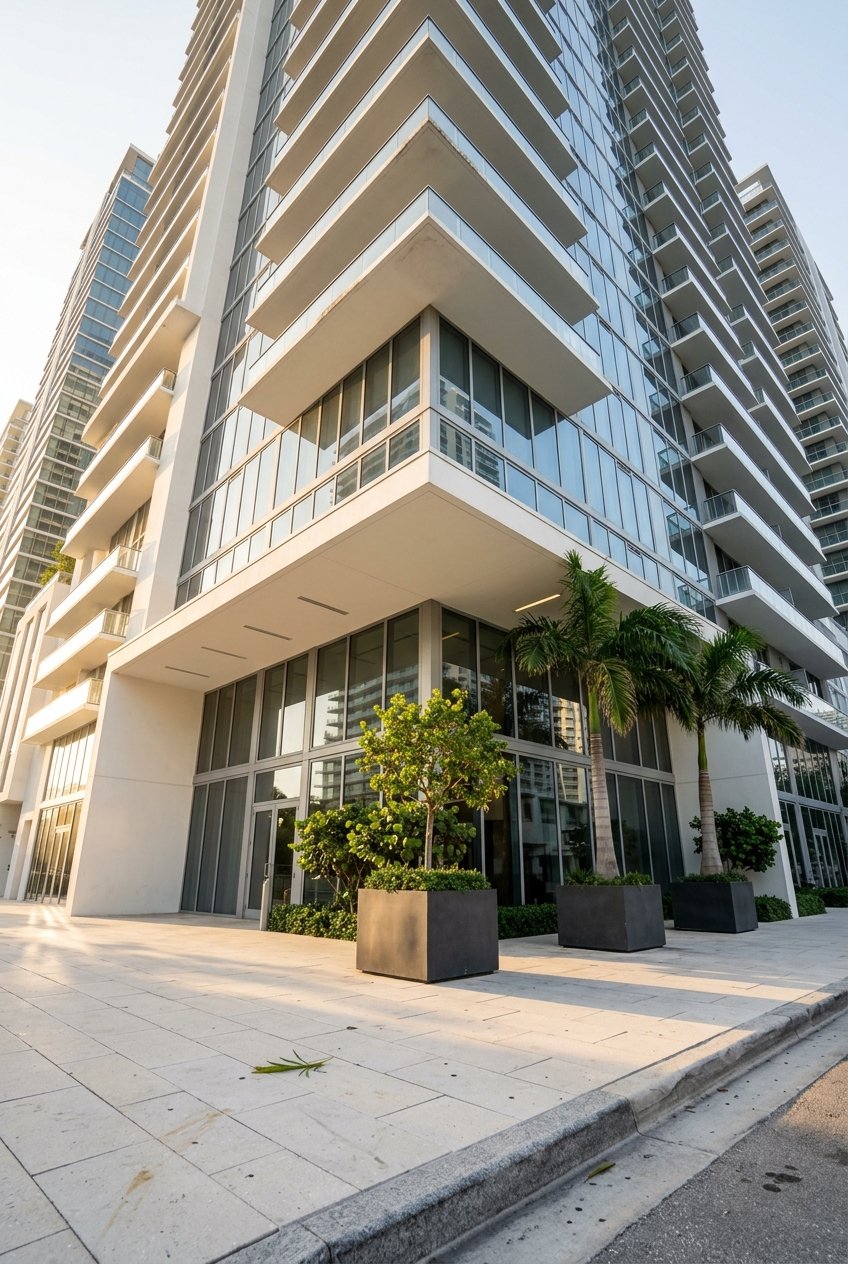
Thinking about buying in Fort Lauderdale but not sure if now is the right time? You are not alone. Between seasonal demand, shifting mortgage rates, and rising insurance costs, timing a purchase here can feel complex. This guide breaks down what truly drives the market, how winter and spring usually play out, and clear decision frameworks for end‑users and investors. Let’s dive in.
What drives timing here
Fort Lauderdale and the broader Broward market move on a handful of core metrics. When you know how to read them, your timing decisions get much clearer.
- Active inventory. How many homes are for sale right now. Lower inventory can mean more competition for buyers.
- New listings. The flow of fresh options coming online. A jump in new listings can relieve pressure.
- Pending and closed sales. Measures of demand. Compare these to new listings to see momentum.
- Months of supply. Active listings divided by average monthly sales. Under 3 months often favors sellers; over 6 often favors buyers, but local context matters.
- Days on market. How quickly good homes go under contract. A falling number suggests you need to move faster.
- List-to-sale price ratio. Sale price divided by last list price. Closer to 100 percent suggests tighter negotiation room.
- Price bands and property type. Condos, single‑family homes, and waterfront properties can move at very different speeds across different price tiers.
- Mortgage rates and financing. Payment changes affect what you can afford and investor returns.
- Rental metrics. Vacancies, median rent, and rent growth help investors model cash flow.
If you are evaluating a target neighborhood, ask your agent for these readings on a rolling 30‑, 90‑, and 12‑month basis. Smoothed trends help you avoid reacting to a short blip.
Seasonal patterns to watch
Fort Lauderdale has a reliable seasonal rhythm shaped by weather and travel patterns.
- Snowbird effect. From roughly November through March, more seasonal residents shop, and winter tourism lifts activity. Buyer demand often rises during these months.
- Listing timing. Some sellers list in late fall to meet early arrivals, while others wait for late winter or spring. Whether inventory grows faster than demand will set the tone for buyers.
- Short‑term rental seasonality. For properties geared to STRs, occupancy and nightly rates typically peak in winter, which affects investor revenue models.
- New‑construction deliveries. Permit and completion cycles can release a wave of inventory that changes your options.
To validate what is happening this year, compare new listings and pending sales month by month over the past 2–3 years. Look at year‑over‑year changes for the coming winter months to see if demand is stronger or softer than usual. If you are pursuing a short‑term rental, check recent occupancy patterns and confirm city licensing rules before you buy.
End‑user framework: buy now or wait
Your decision comes down to affordability, timeline, and lifestyle fit.
Step 1: Gauge inventory and urgency
- If months of supply in your price band is low and your move timeline is under six months, lean toward buying now. Expect faster decisions and some competition.
- If months of supply is rising and days on market are stretching, you likely have more room to negotiate or wait for a better match.
Step 2: Measure rate sensitivity
- Ask your lender to quote payments at today’s rate, plus scenarios at 1 percent and 2 percent higher or lower.
- If your budget is tight and you can wait six to twelve months, set a watch plan rather than rushing.
Step 3: Use a three‑part wait plan
- Monitor weekly new listings with real‑time alerts and price‑band tracking.
- Secure preapproval and discuss rate‑lock or float‑down options.
- Set clear offer rules, such as inspection and appraisal protections, so you can act quickly when the right home appears.
Step 4: Balance lifestyle priorities
If lifestyle needs like commute or proximity to amenities drive your move, focus your search where inventory is flowing. Be prepared to pay a fair market price for the right fit rather than waiting purely for a discount.
Tactics that help
- Work with a signed buyer‑broker agreement and define 24–48 hour decision windows for standout homes.
- If comps are tight, discuss appraisal‑gap strategies and realistic inspection periods that keep your offer competitive without undue risk.
- Consider fixed versus adjustable loans if you expect rate changes within your holding horizon.
Investor framework: buy now or wait
Investors should anchor decisions on yield, risk, and timing of seasonality.
Step 1: Underwrite cash flow first
- Build a pro forma with cap rate, net operating income, reserves, and realistic vacancy.
- Stress test pricing and rents at plus or minus 5–10 percent and vacancy at 5–15 percent.
- If the deal meets your cash‑on‑cash and cap rate targets under conservative assumptions, consider buying now.
Step 2: Watch financing terms
- Investment loan rates can move faster and carry higher costs than primary loans. Model payments with rates 100–200 basis points higher to avoid surprises.
- If debt service coverage is marginal, negotiate price or terms, or wait for either rates to ease or inventory to expand.
Step 3: Confirm regulatory landscape
- Verify the City of Fort Lauderdale’s short‑term rental licensing rules and any HOA restrictions before making offers.
- For STR‑heavy plans, buy early enough to capture winter booking windows, but only after confirming compliance and projected occupancy.
Step 4: Price tier targeting
- If you prioritize cash yield, target segments with strong rent relative to price and ample tenant demand.
- If you prioritize appreciation, evaluate neighborhoods with improving amenities and new‑construction catalysts, but maintain conservative cash‑flow assumptions.
Line items that move the needle
- Insurance. Homeowners, flood, and landlord policies can materially change returns, especially for waterfront or low‑lying areas.
- Taxes and HOA fees. Confirm current amounts and any planned increases.
- Maintenance and utilities. Bake in reserves for systems, roofs, and turnovers.
Price tiers and property types
Market conditions vary within the metro. Read your micro‑market, not just the headline.
- Condos. Often show sharper seasonality tied to snowbird demand and STR feasibility. HOA rules and special assessments can affect value.
- Single‑family homes. Family and relocation timelines can smooth out seasonality. Inventory by school‑year timing can affect turnover.
- Waterfront vs inland. Insurance, flood zones, and limited supply can lead to different pricing and absorption speeds.
When in doubt, analyze months of supply and days on market for your exact price tier and property type. A broad city metric can mask important differences.
Simple rules: opportunistic vs patient
Use objective triggers so your plan is clear and calm.
- Opportunistic buyer. Buy when a strong comp set exists, inspections are clean, and you can lock acceptable financing. Use competitive terms without excessive concessions.
- Patient buyer. Wait until months of supply exceeds your target threshold, days on market rise by more than 10 percent month over month, or mortgage rates drop by your preset amount.
Your property‑specific checklist
Before you decide to buy now or wait, assemble a focused data packet for your target property and submarket.
- Comparable sales. At least 3–6 closed comps from the past 90–180 days, matching property type, price band, and neighborhood. Include days on market and list‑to‑sale ratios.
- Active and pending listings. Direct competitors and near‑term pipeline in the same submarket and price tier.
- Rolling trends. Three‑ and twelve‑month views for median price, active inventory, average days on market, closings, and months of supply.
- Seasonality chart. Monthly new listings and closed sales over the last three years to see winter and spring patterns.
- Mortgage scenarios. Current quoted rates for your loan type and stress tests at plus 1 percent and plus 2 percent.
- Insurance and flood. FEMA flood zone, recent premium quotes, and any private market options.
- Zoning and STR rules. City licensing requirements, HOA restrictions, and pending ordinances if you plan to rent.
- Investor comps. For rentals, include rent comps, assumed vacancy, operating expenses, and, for STRs, occupancy and average nightly rates.
Package your findings as a one‑page snapshot with trend arrows for inventory, prices, and days on market. Add a simple offer template with recommended contingencies and timelines based on local norms.
Risks to monitor
Keep your plan flexible. Conditions can change quickly.
- Rate volatility. Sudden moves can shift affordability and demand within days.
- Insurance and climate risk. Carriers can change availability and pricing with little notice, which affects buyer pools and returns.
- Regulatory shifts. Short‑term rental and zoning rules can change and materially alter projected income.
- Data limitations. Public portals are helpful, but local MLS and county records provide the most accurate pricing and sales history.
How we can help
If you want a calm, data‑driven path to owning in Fort Lauderdale, lean on a team that lives this every day. The Ana Vega Group is a boutique, bilingual advisory with a full investor platform. We support end‑users and cross‑border investors through acquisition, developer presales, legal and tax coordination, and property and rental management. You get curated inventory access, clear underwriting, and concierge‑level execution from contract to keys.
Whether you plan to buy now or wait, we will help you set objective triggers, monitor your price band, and structure offers that protect you while keeping you competitive. Hablamos español.
Ready to align your plan with the season ahead and your goals? Connect with The Ana Vega Group for a VIP consultation.
FAQs
What is the best month to buy in Fort Lauderdale?
- Late fall and winter can be competitive due to seasonal buyers, while spring often brings more new listings; review current MLS seasonality charts to confirm the pattern this year.
How do mortgage rates affect my decision to wait?
- Higher rates raise monthly payments and reduce purchasing power; if you are rate‑sensitive and flexible on timing, set a watch plan with payment scenarios at different rates.
Is now a good time for investors in Broward?
- Yes in many submarkets, if a conservative pro forma meets your cap rate and cash‑on‑cash targets after accounting for insurance, taxes, vacancy, and financing costs.
How do I read months of supply for my price band?
- Divide active listings by average monthly sales; under 3 months often favors sellers and over 6 often favors buyers, but validate by property type and neighborhood.
What should I confirm before buying a short‑term rental in Fort Lauderdale?
- Verify city licensing and HOA rules, analyze seasonal occupancy and nightly rates, and include insurance and cleaning or management costs in your pro forma.